FAQ
What is a TN LCD Glass Panel?
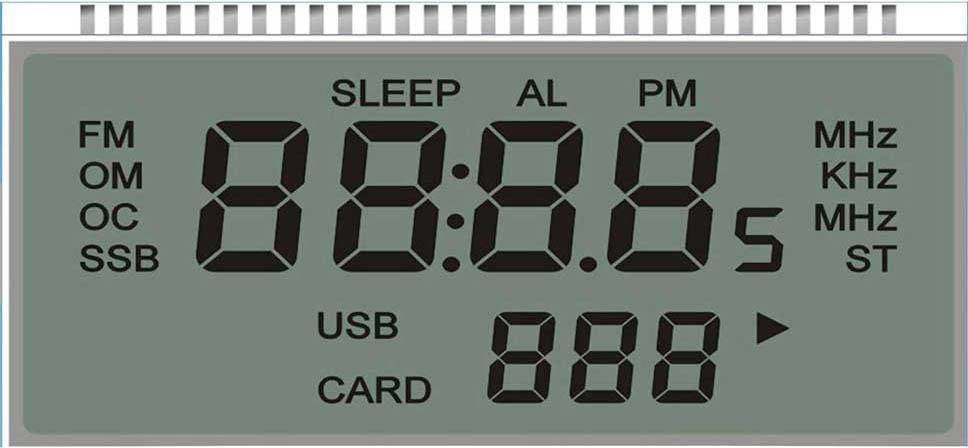
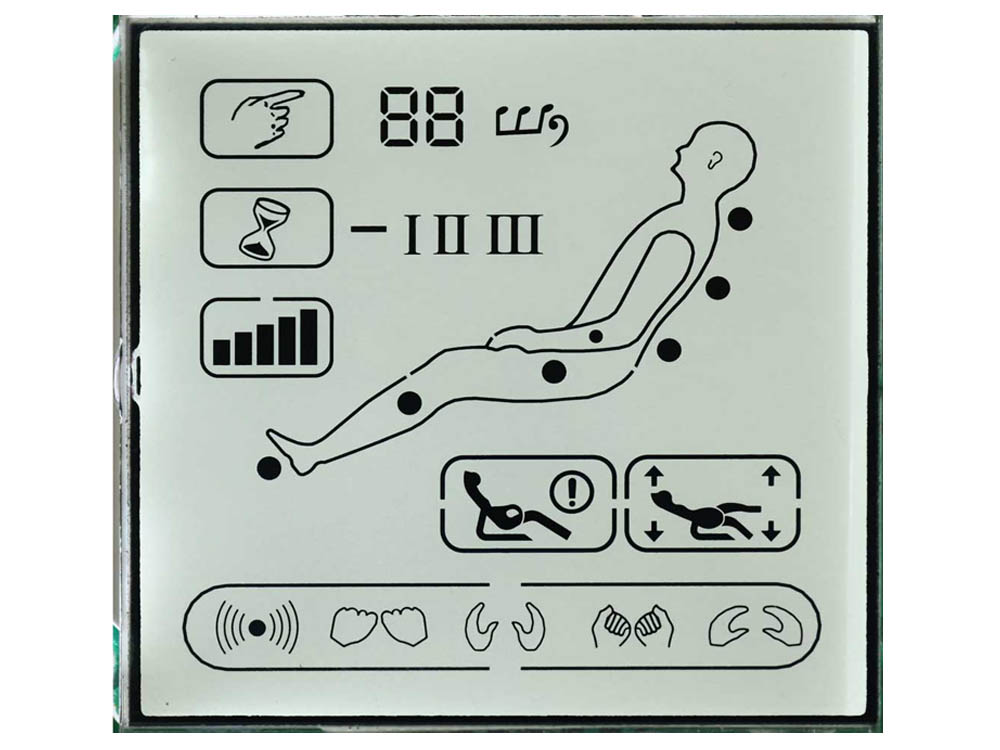
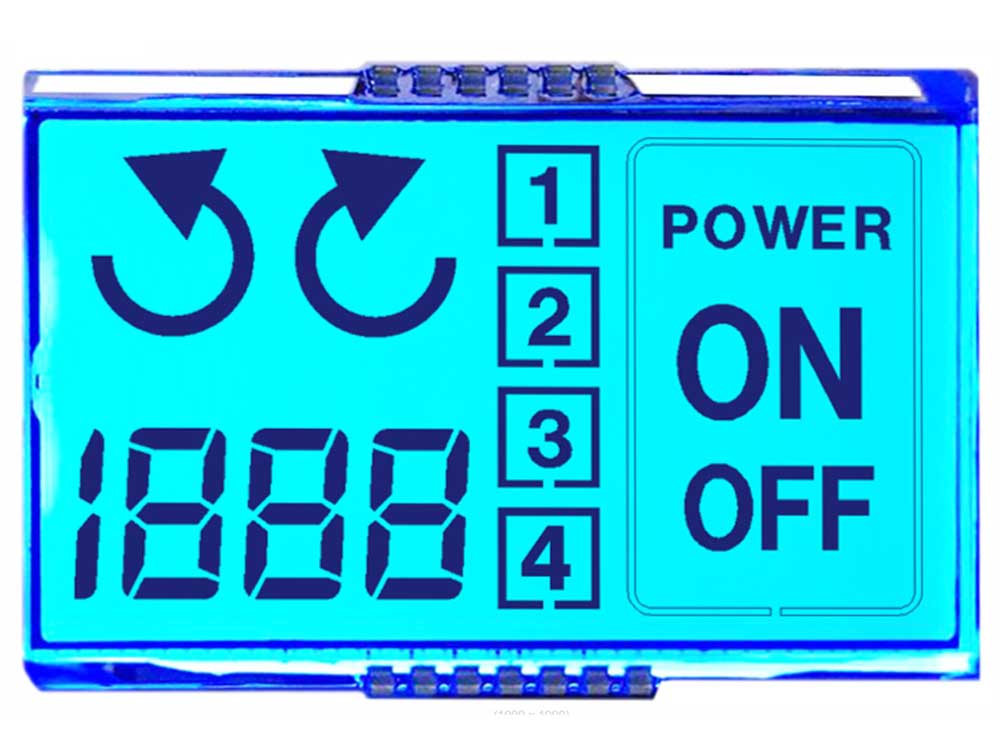
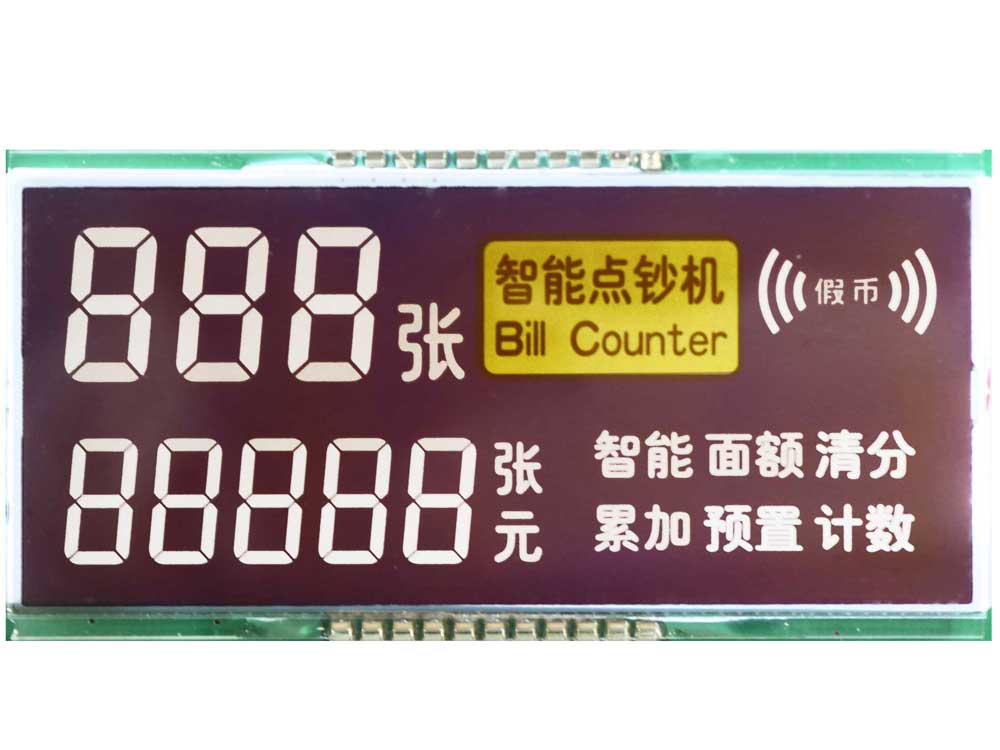
A TN LCD Glass Panel is a custom monochrome LCD glass using Twisted Nematic technology. It is commonly used for simple segment content such as digits, icons, symbols and status indicators.
Is TN LCD glass the same as a complete LCD module?
No. TN LCD glass is the glass display element. A complete module may also include polarizers, backlight, driver circuit, PCB, connector, frame and front-panel structure.
What is TN LCD glass best used for?
TN LCD glass is best for simple, fixed segment displays where cost, mature production and basic readability are more important than premium contrast or wide viewing angle.
When should I choose HTN instead of TN?
Choose HTN when the project still uses segment content but requires better contrast or viewing performance than standard TN.
When should I choose STN or FSTN instead?
Choose STN or FSTN when the product needs higher multiplex capability, wider viewing, better contrast or more complex character, graphic or dot-matrix content.
When should I choose VA LCD instead?
Choose VA when the product requires a stronger black-background, high-contrast and more premium display effect.
Can TN LCD glass use positive display mode?
Yes. Positive TN LCD normally shows dark segments on a lighter grey or project-based background.
Can TN LCD glass use negative display mode?
Yes. Negative TN LCD shows light content on a darker background and normally requires a suitable backlight.
What is reflective TN LCD?
Reflective TN LCD uses ambient light and normally works without a backlight, making it suitable for low-power meters, timers and battery devices.
What is transmissive TN LCD?
Transmissive TN LCD relies on backlight for visibility and is used in indoor or low-light products.
What is transflective TN LCD?
Transflective TN LCD can use ambient light and optional backlight, making it suitable for mixed-lighting conditions.
Can TN LCD glass use LED backlight?
Yes. Backlight color, brightness, current, light guide and mechanical structure can be reviewed according to the optical mode and product design.
What connection methods are available?
TN LCD glass can use PIN, zebra, FPC or a project-based module structure depending on the glass size, product PCB and assembly method.
What is static or multiplex driving?
Static driving controls each segment directly. Multiplex driving shares COM and SEG electrodes to reduce pin count. Duty, bias, voltage and contrast must be reviewed together.
Can the ITO glass thickness be customized?
Yes. Typical directions such as 0.3 mm, 0.4 mm, 0.55 mm, 0.7 mm and 1.1 mm can be reviewed according to the project.
Can you replace an existing TN LCD glass?
Yes. Please provide the old LCD sample, glass outline, viewing area, segment layout, pin details, driving information, backlight, photos and product information.
What is the main limitation of TN LCD glass?
TN LCD normally provides lower contrast and narrower viewing than HTN, STN, FSTN or VA, and is not the best choice for complex dot-matrix graphics or premium black-background effects.
What information is required for quotation?
Please provide glass size, viewing area, segment layout, display mode, optical mode, backlight, driving method, voltage, connection type, viewing direction, temperature, ITO thickness if known, quantity, schedule and available drawings or samples.