FAQ
What is a TFT LCD Display?
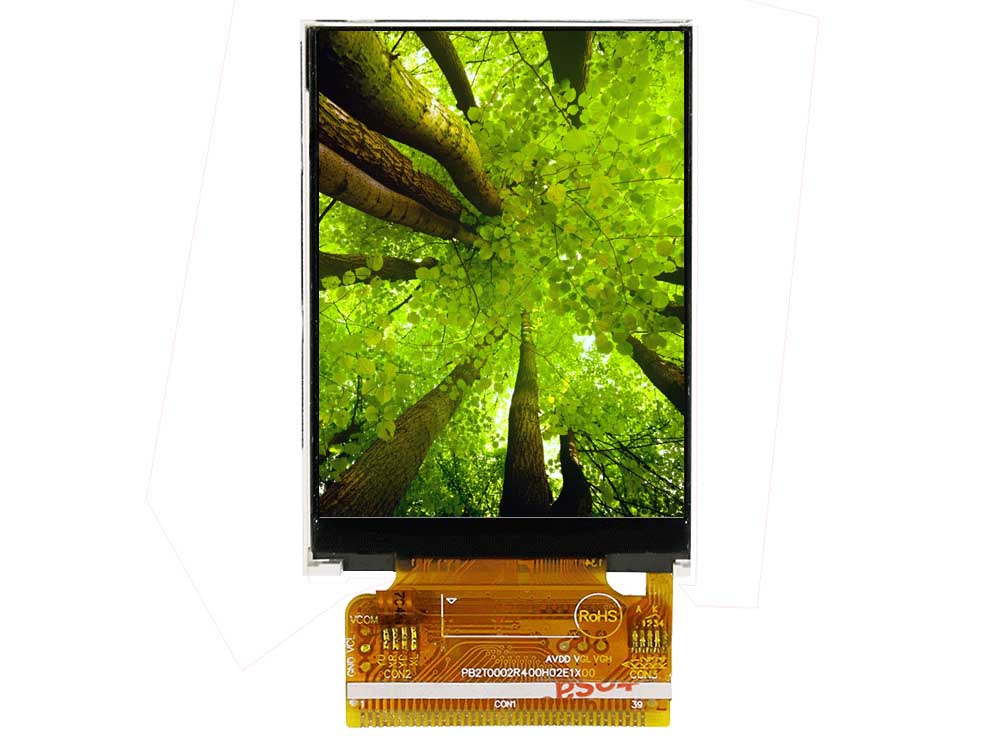
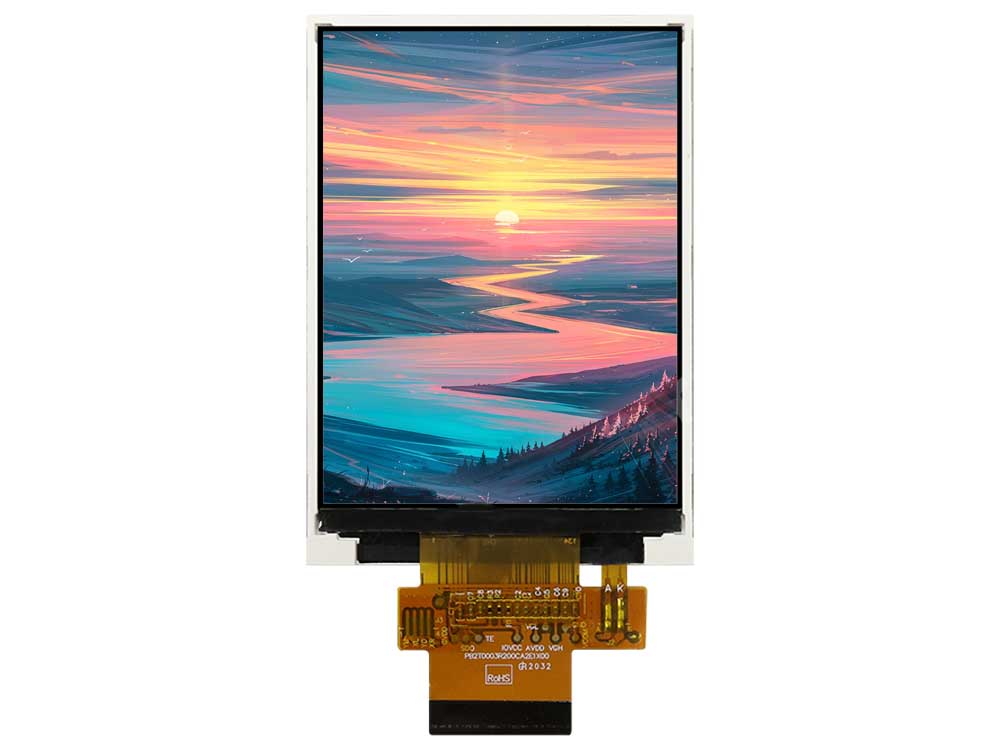
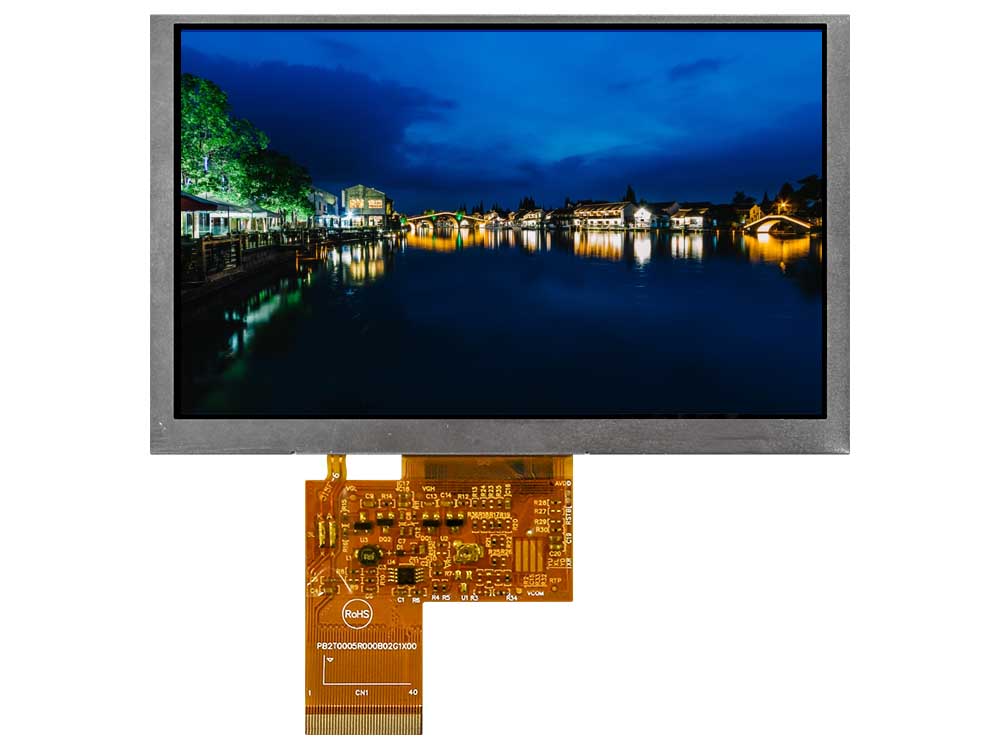
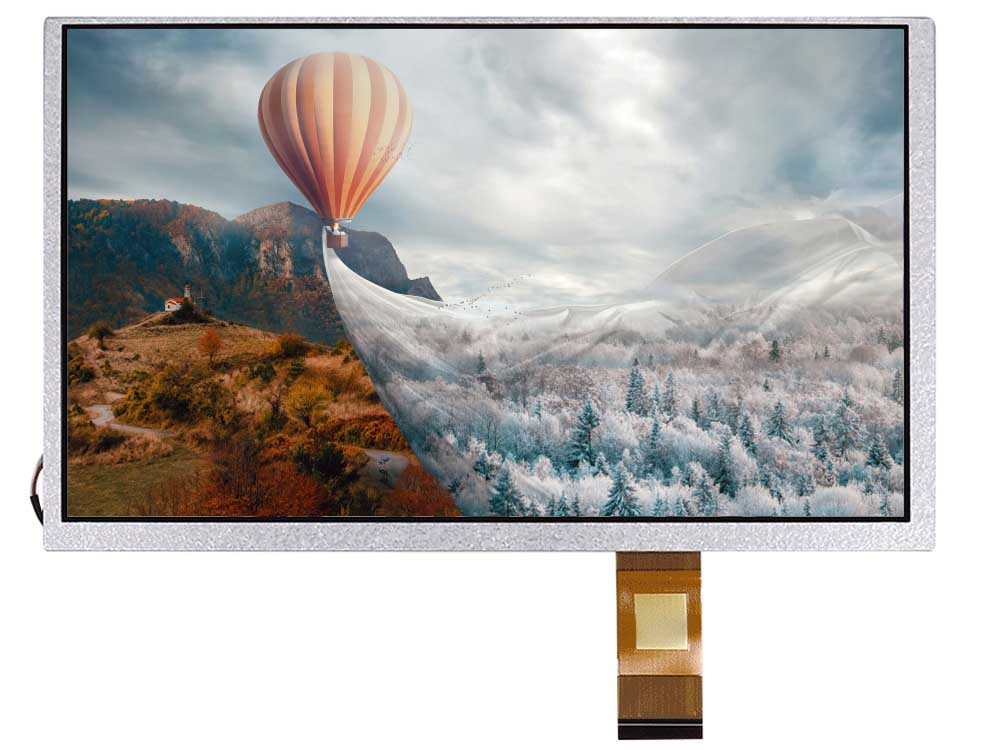
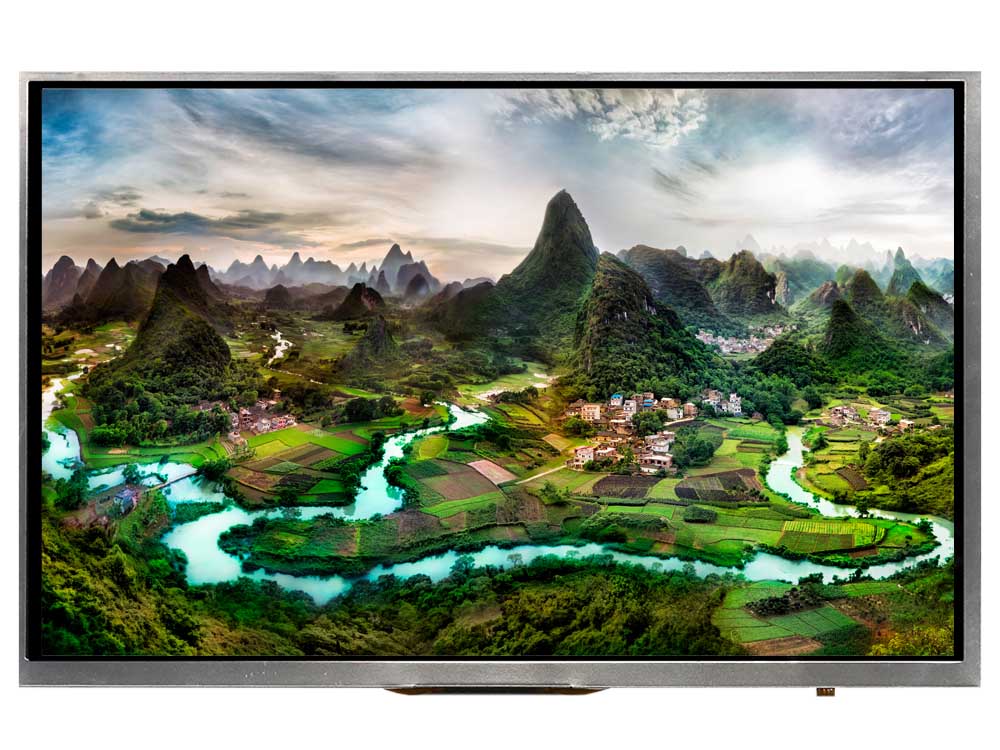
A TFT LCD Display is an active-matrix liquid crystal display module used to show text, images, graphics, video and user-interface content in OEM, industrial and commercial products.
Is this page for complete monitors or TFT LCD modules?
This page focuses on TFT LCD modules and module-level integration. A complete monitor also includes enclosure, power, controller board, mounting, thermal structure and finished-device validation.
What sizes are available?
TFT LCD modules are available in many standard sizes from small embedded displays to larger equipment displays. The correct size depends on active area, resolution, mechanical space, interface and product design.
Can you help select a standard TFT LCD module?
Yes. DisplayMan can review size, resolution, brightness, interface, touch, temperature, mechanical dimensions, lifecycle and application requirements to identify a practical standard module.
Can the TFT LCD be customized?
Most projects use an existing TFT LCD module and customize the backlight, touch panel, cover glass, bonding, FPC, connector, cable, controller board or mechanical integration around it.
What is the difference between IPS and standard TFT LCD?
IPS TFT LCD modules generally provide wider viewing angles and more stable color performance. Standard TFT LCD modules may be more cost-effective when the product is viewed mainly from the front.
What is a High Brightness TFT LCD?
A High Brightness TFT LCD uses a stronger backlight for better visibility under strong ambient light. High brightness should be selected together with thermal, optical and enclosure requirements.
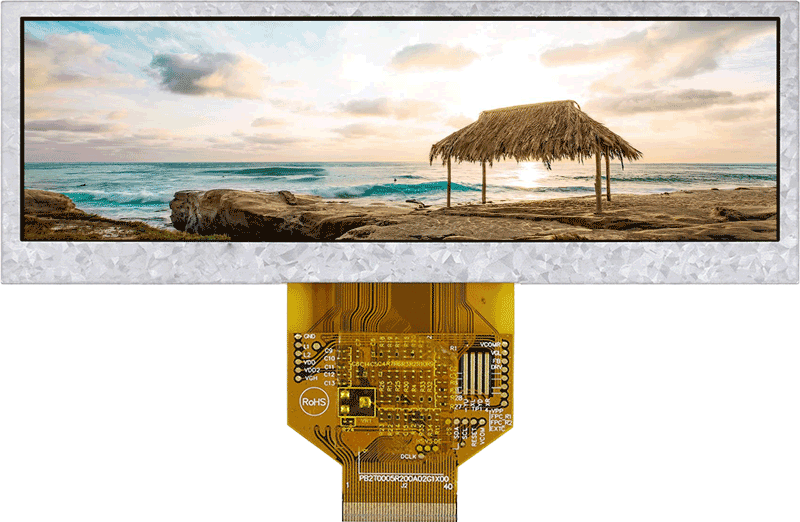
What is a Bar Type TFT LCD?
A Bar Type TFT LCD is a long, narrow or stretched display module used when a standard rectangular aspect ratio cannot fit the product structure.
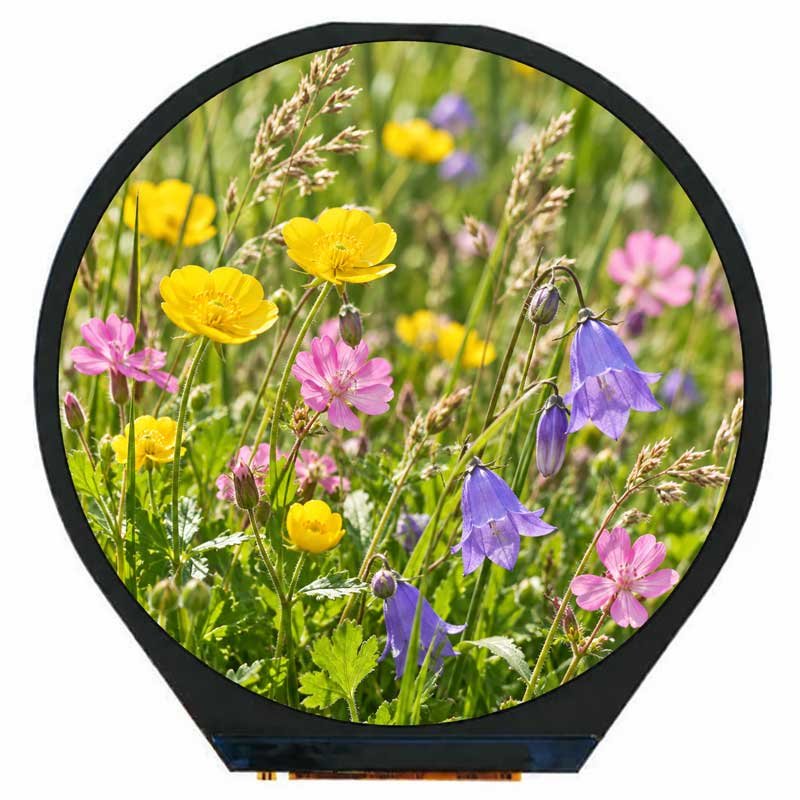
What is a Circular TFT LCD?
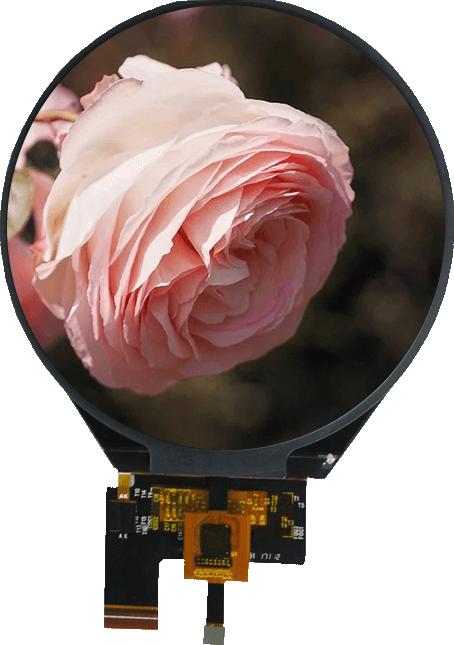
A Circular TFT LCD has a true round active display area and is used for smart knobs, meters, gauges, dials and round product interfaces.
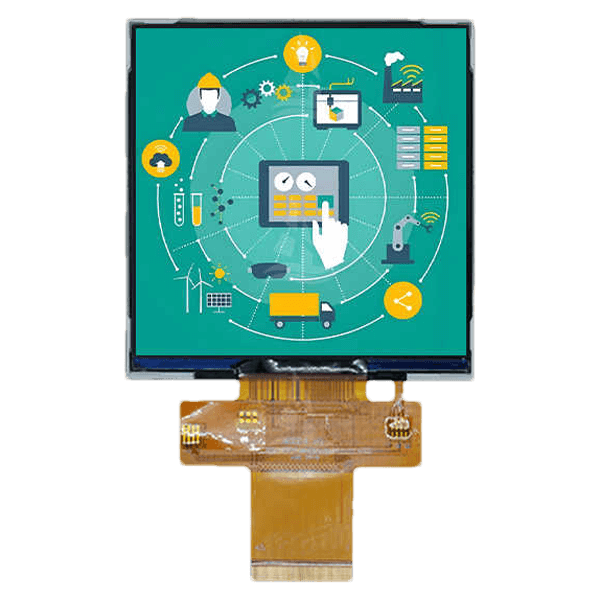
What is a Square TFT LCD?
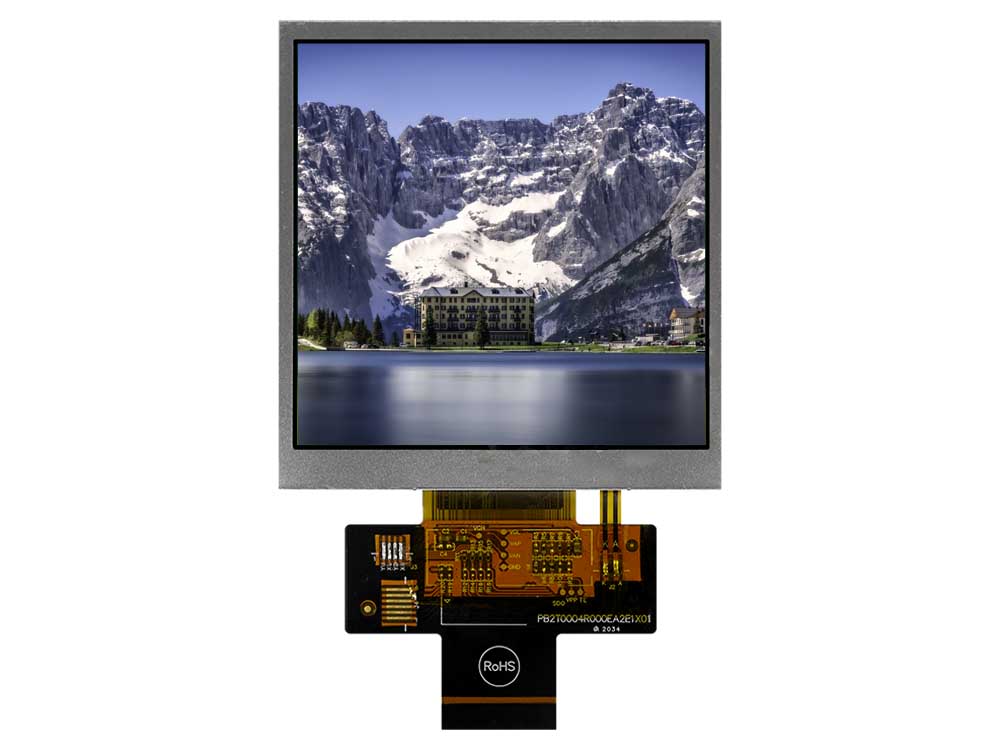
A Square TFT LCD has a 1:1 active display area and is used for compact controllers, instruments, grid-based user interfaces and square product openings.
What makes a TFT LCD industrial?
Industrial TFT LCD selection focuses on operating temperature, backlight lifetime, reliability, interface stability, lifecycle, mechanical integration and long-term supply.
Can you provide a TFT LCD with touch?
Yes. Capacitive or resistive touch can be reviewed according to the user-input method, cover glass, touch controller, interface, environment and product structure.
What interfaces are available?
Common TFT LCD interfaces include RGB, LVDS, MIPI, SPI, MCU and eDP. HDMI or other signal inputs may be supported through a suitable controller board.
Can you provide a controller board?
Yes. For selected TFT LCD modules, DisplayMan can review a suitable controller board or signal-conversion direction according to the customer mainboard and signal source.
Can you provide custom cover glass and optical bonding?
Yes. Custom cover glass, printed borders, AG, AR or AF treatment, air bonding and optical bonding can be reviewed according to the display and product structure.
Can you replace an existing TFT LCD model?
Yes. Please provide the original LCD model number, datasheet, photos, interface, connector, FPC direction, mechanical drawing and sample if available.
How should I choose between TFT LCD and OLED?
TFT LCD is often more practical for cost control, static user interfaces, industrial equipment, long operating hours and broad module availability. OLED may be considered when deep black, thin structure or premium self-emissive image performance is essential.
What information is required for quotation?
Please provide size, resolution, brightness, interface, touch requirement, cover glass, bonding, operating temperature, mechanical drawing, application, quantity, destination and project schedule.