High Brightness LCD Displays are commercial display products designed for environments where a normal indoor screen may not provide enough visible contrast.
They are used in OEM equipment, storefront windows, outdoor signage, public information systems, kiosks, EV chargers, vending machines and interactive outdoor terminals.
High brightness is not one product category with one universal specification. The correct structure depends on where the screen is installed, who owns the final enclosure, whether the audience only views the content or operates the screen, and how much environmental protection is required.
Choose the installation structure first, the brightness direction second and the viewing or interaction function third.
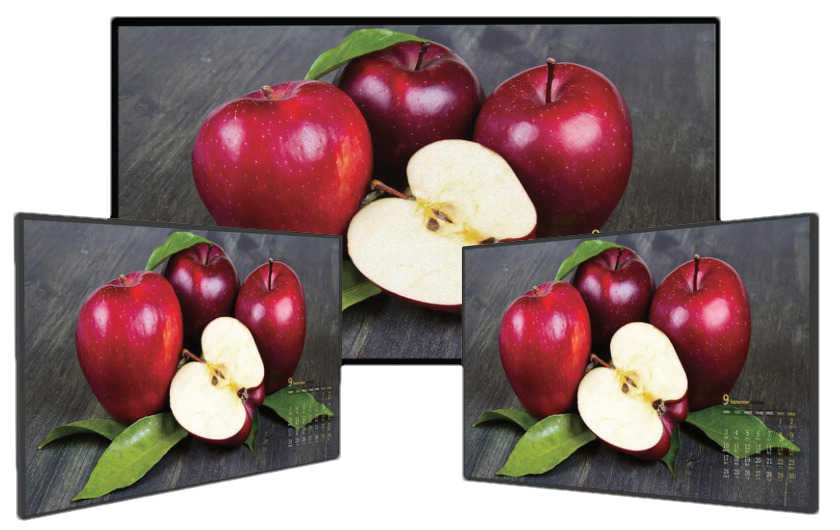
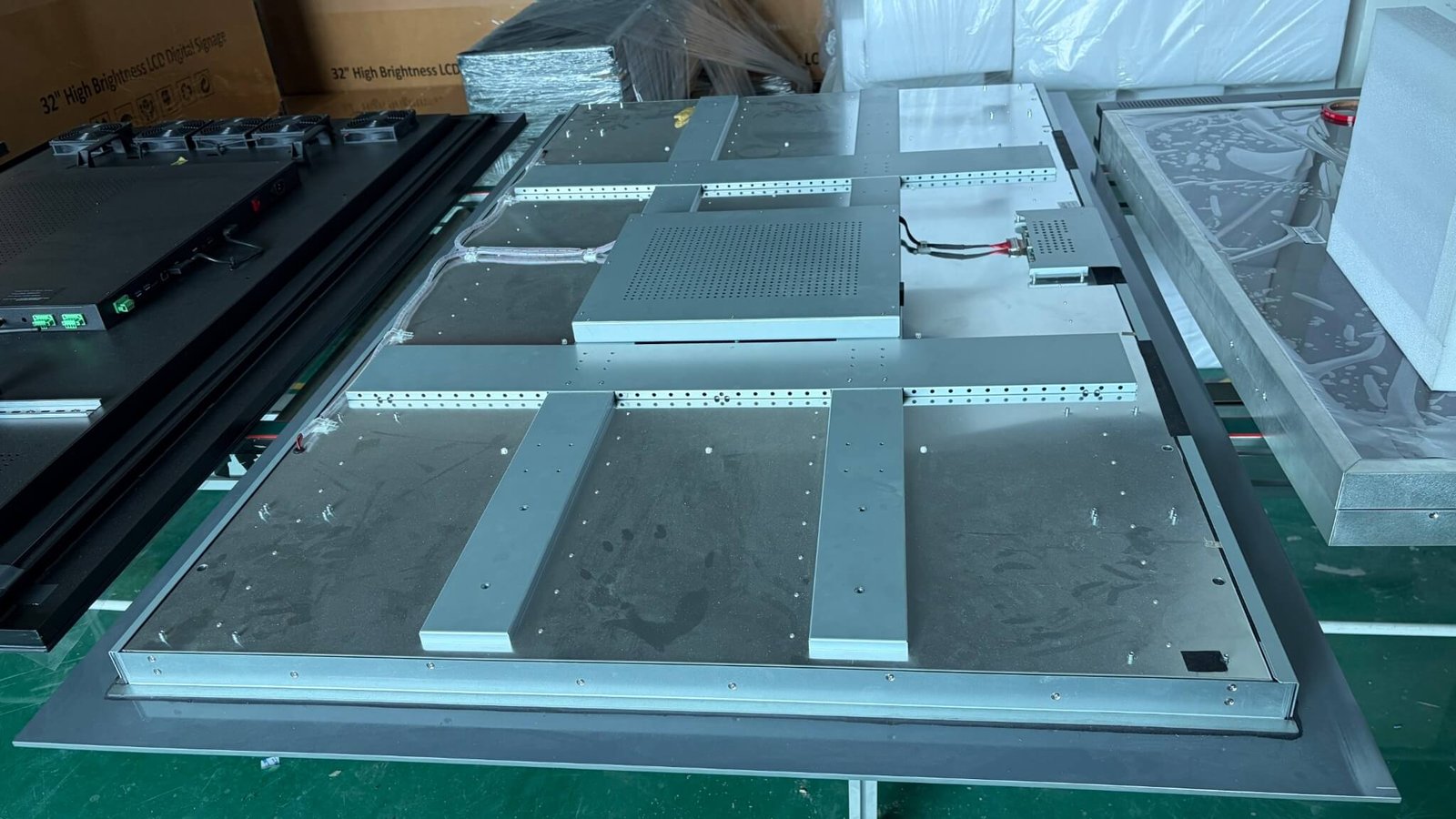
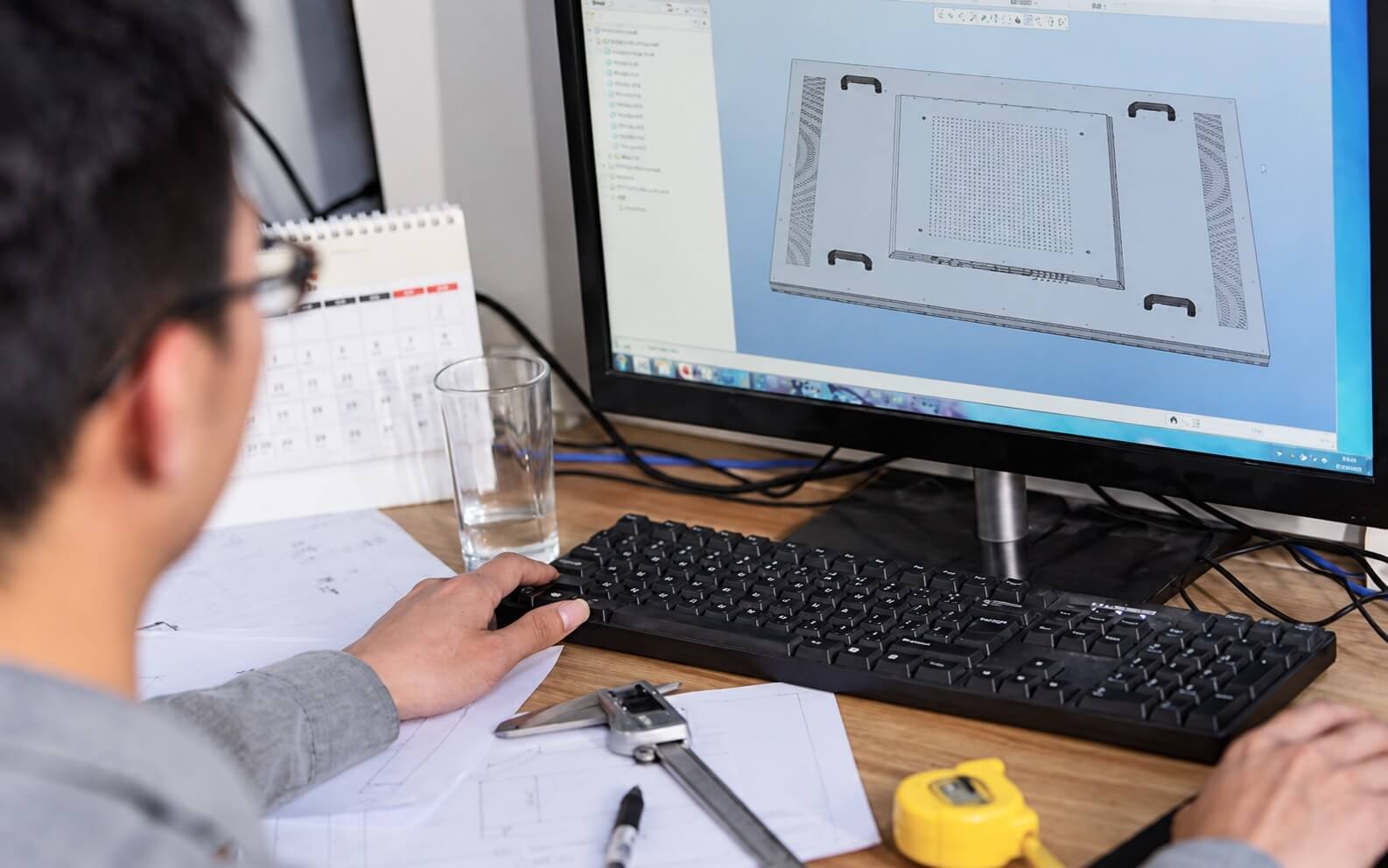
Embedded high-brightness monitor assemblies for customers that already have their own machine, cabinet or equipment enclosure.
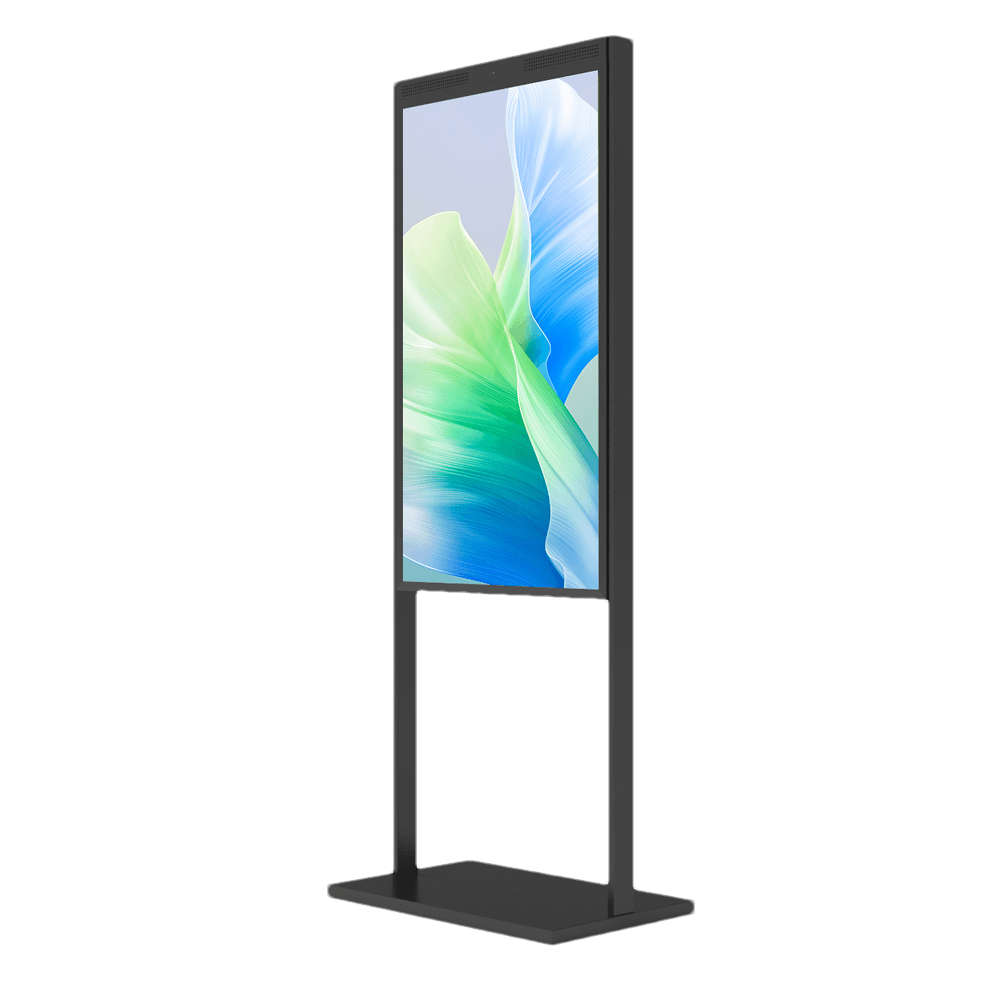
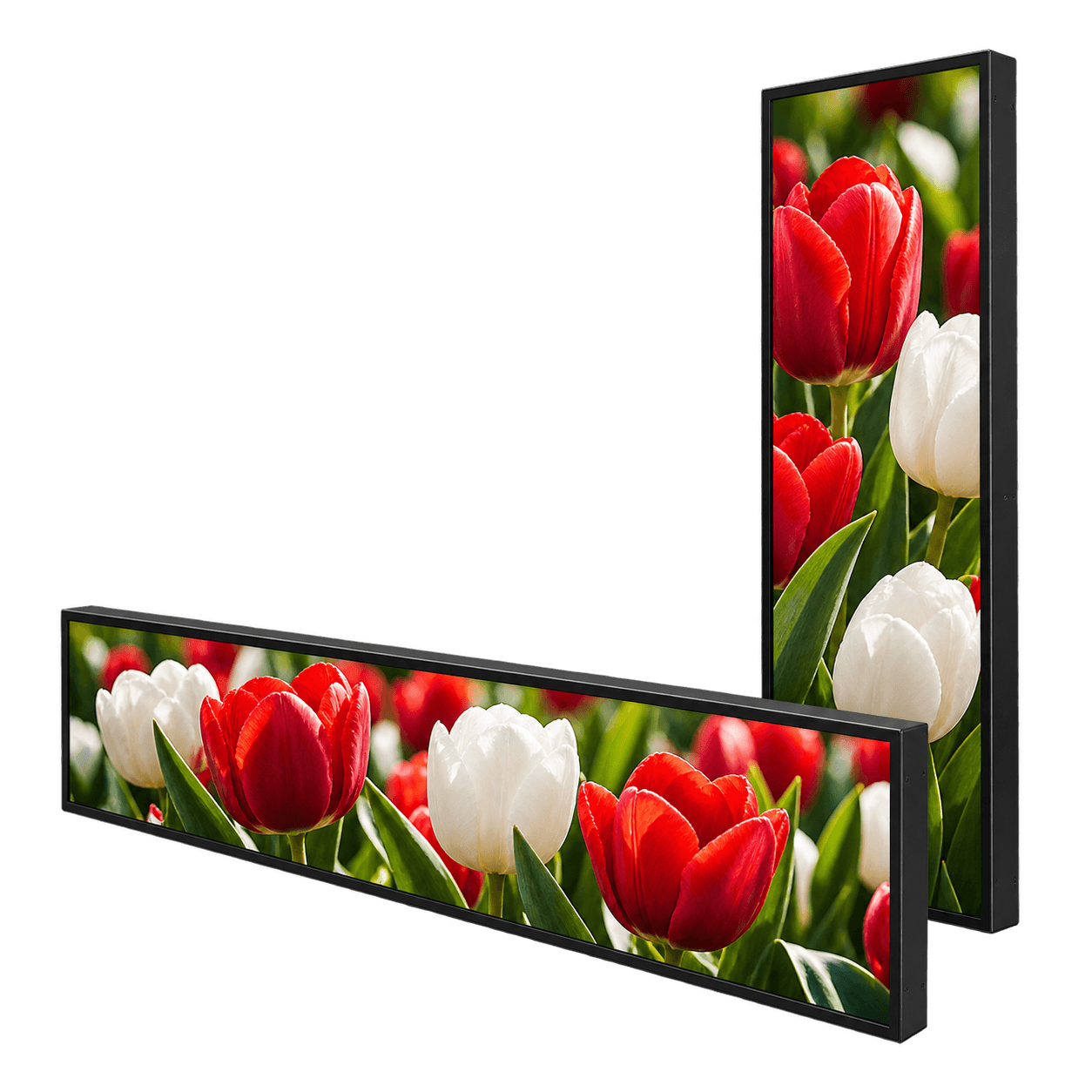
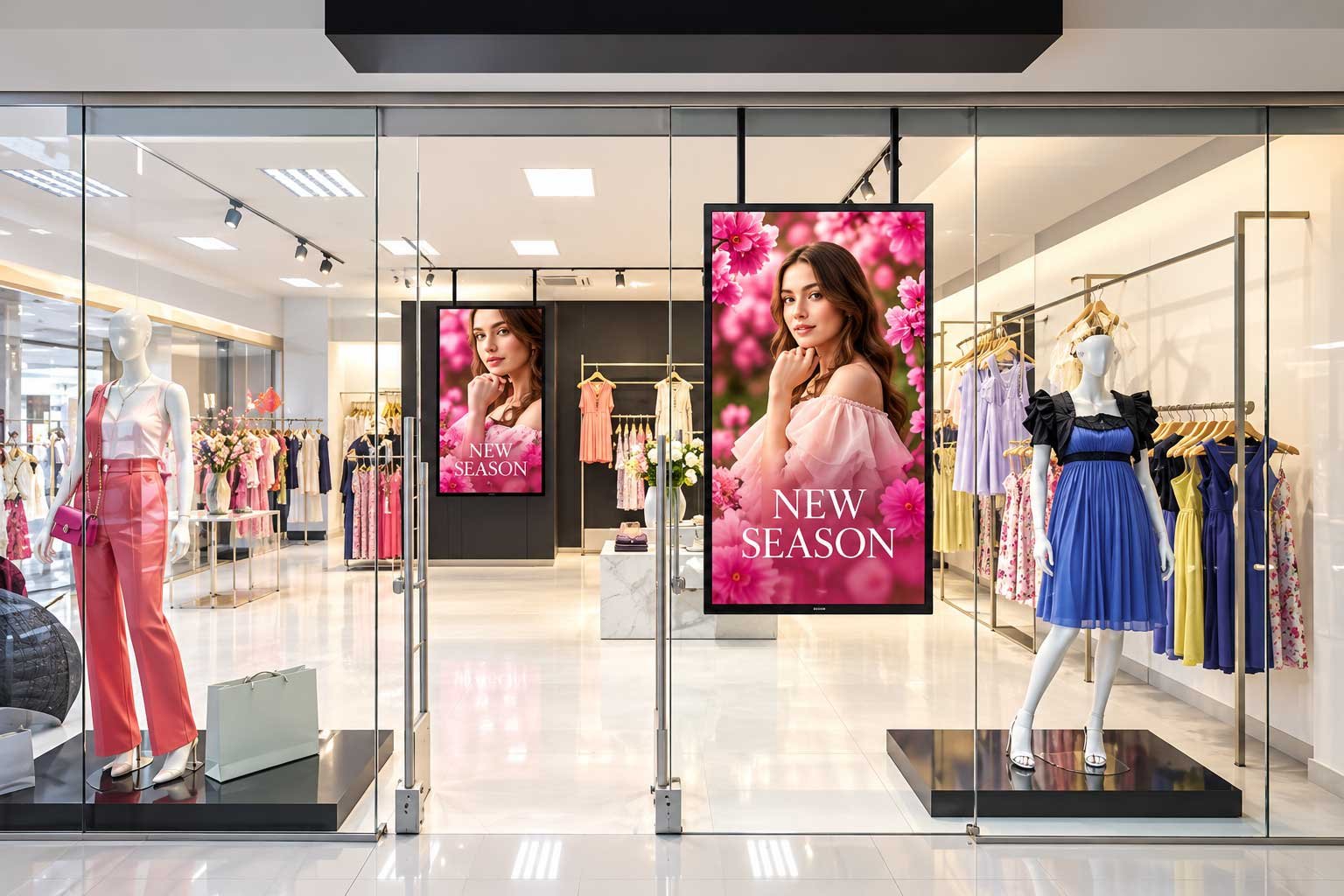
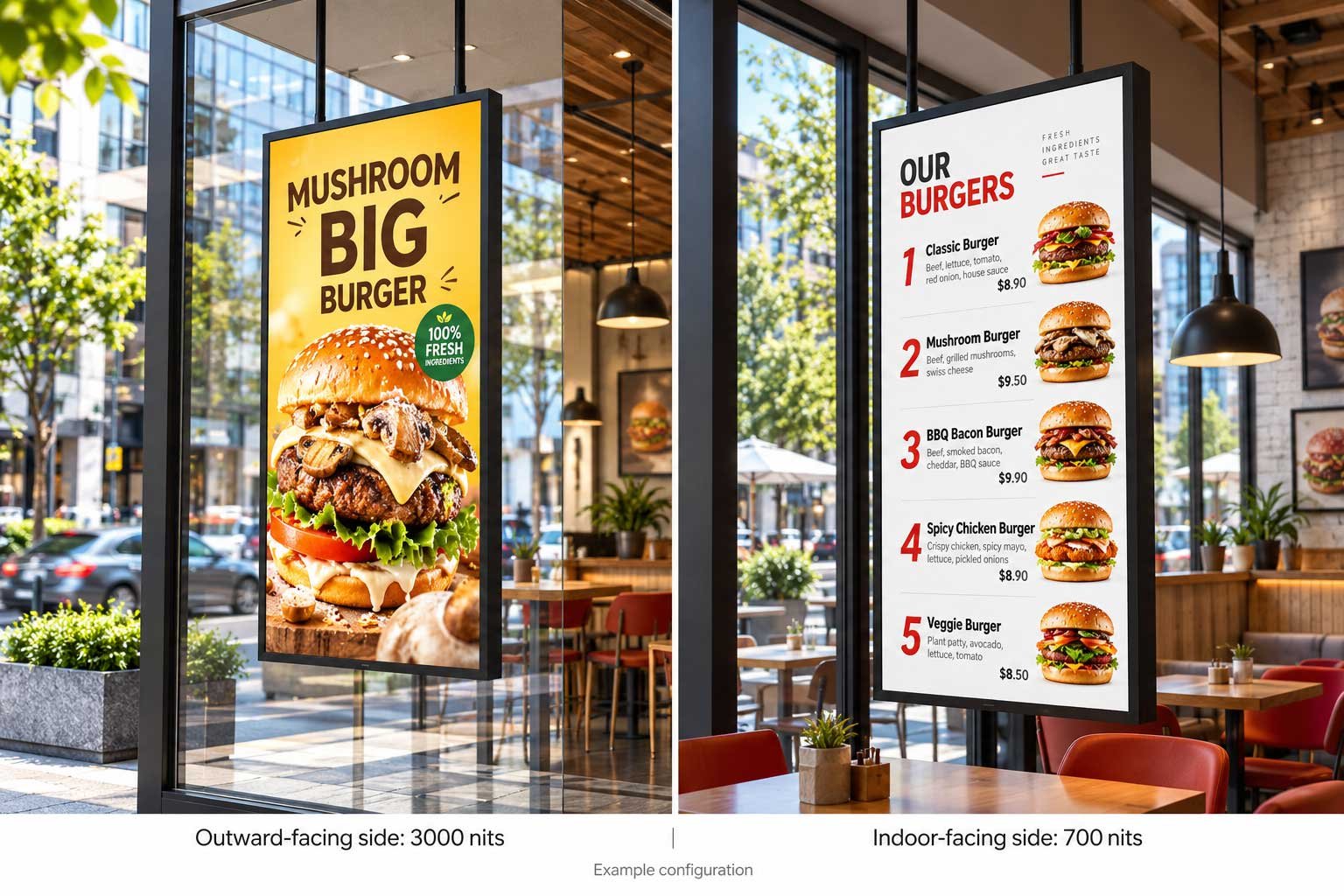
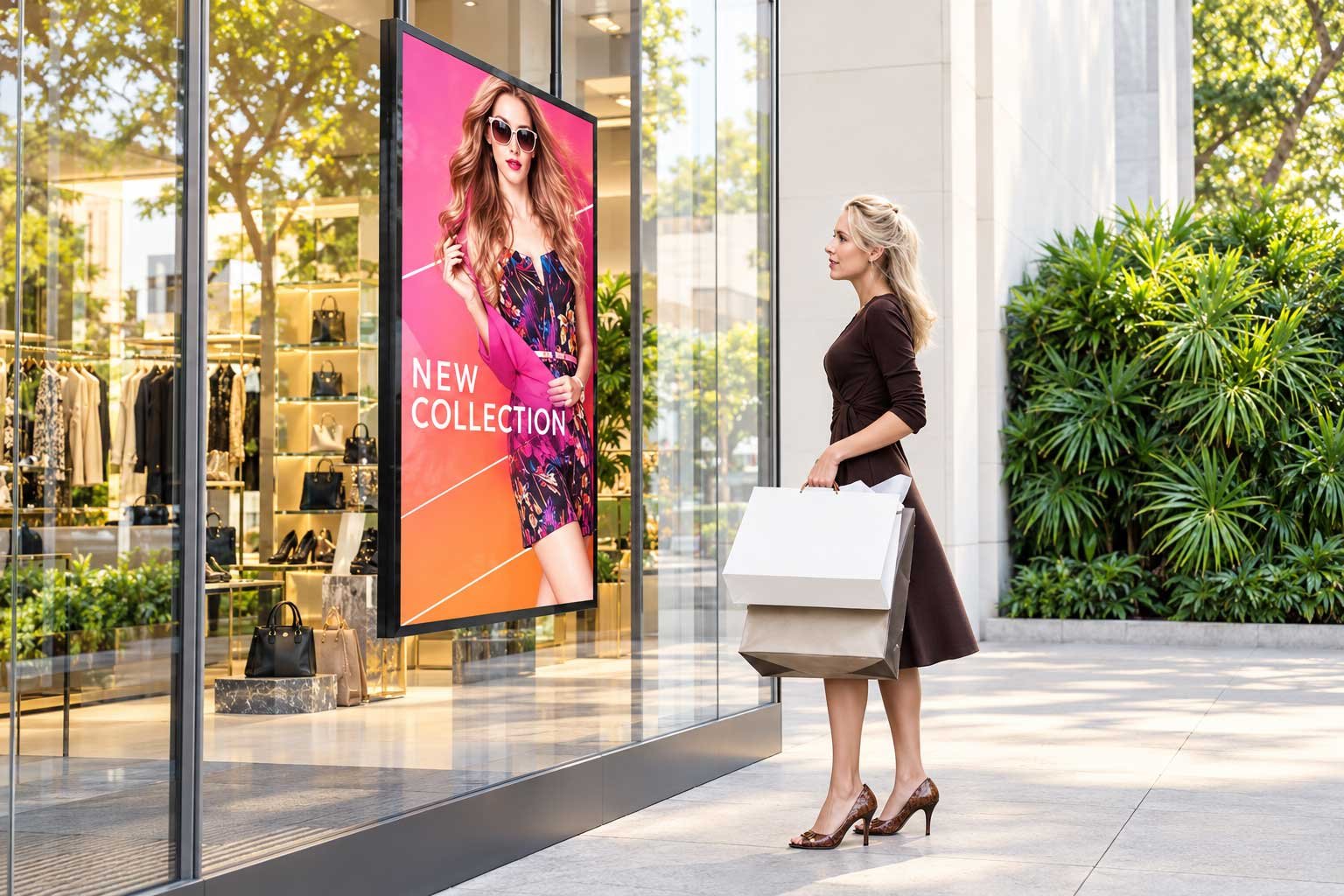
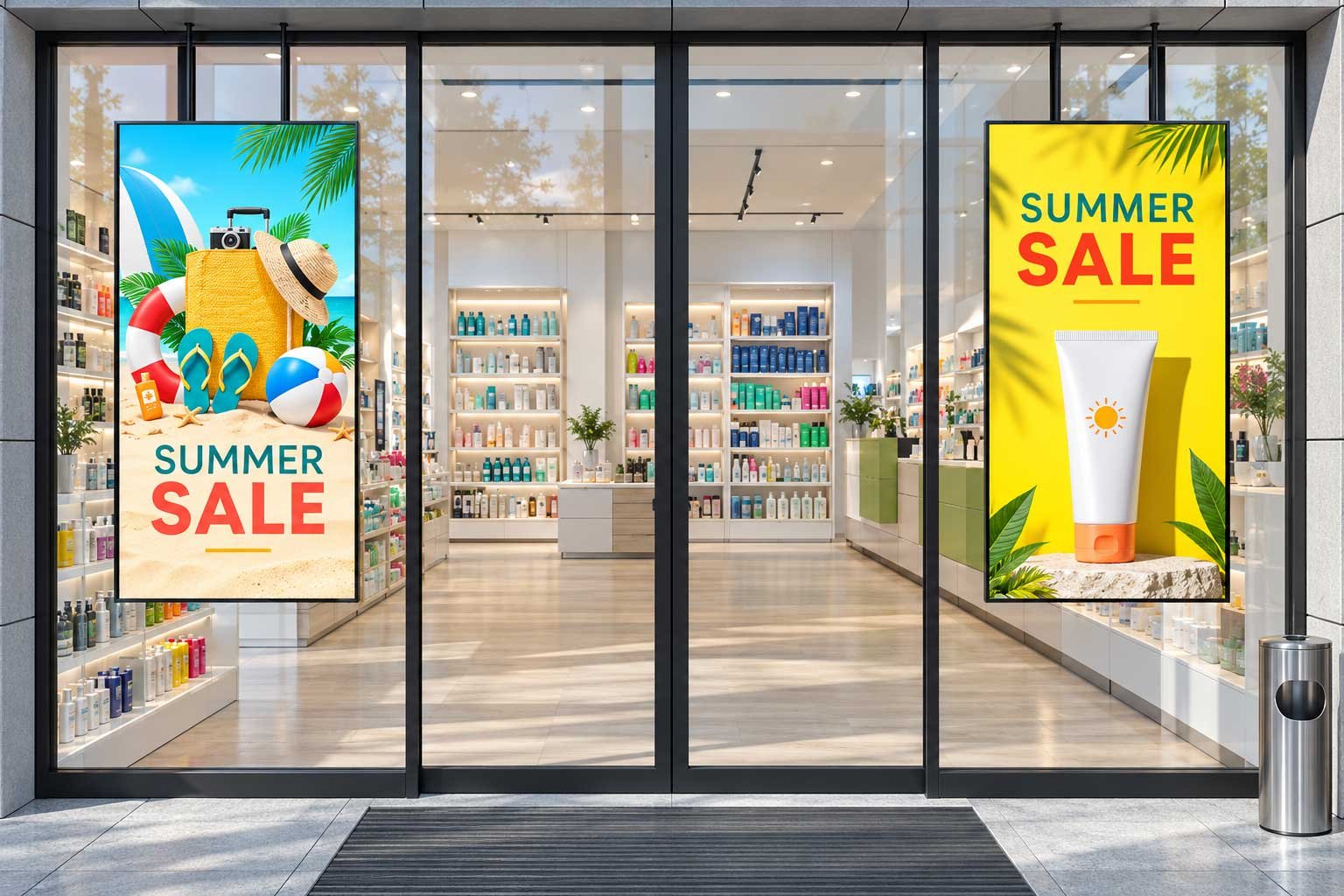
Finished commercial displays installed indoors but facing storefront glass, street traffic or another bright public-facing direction.
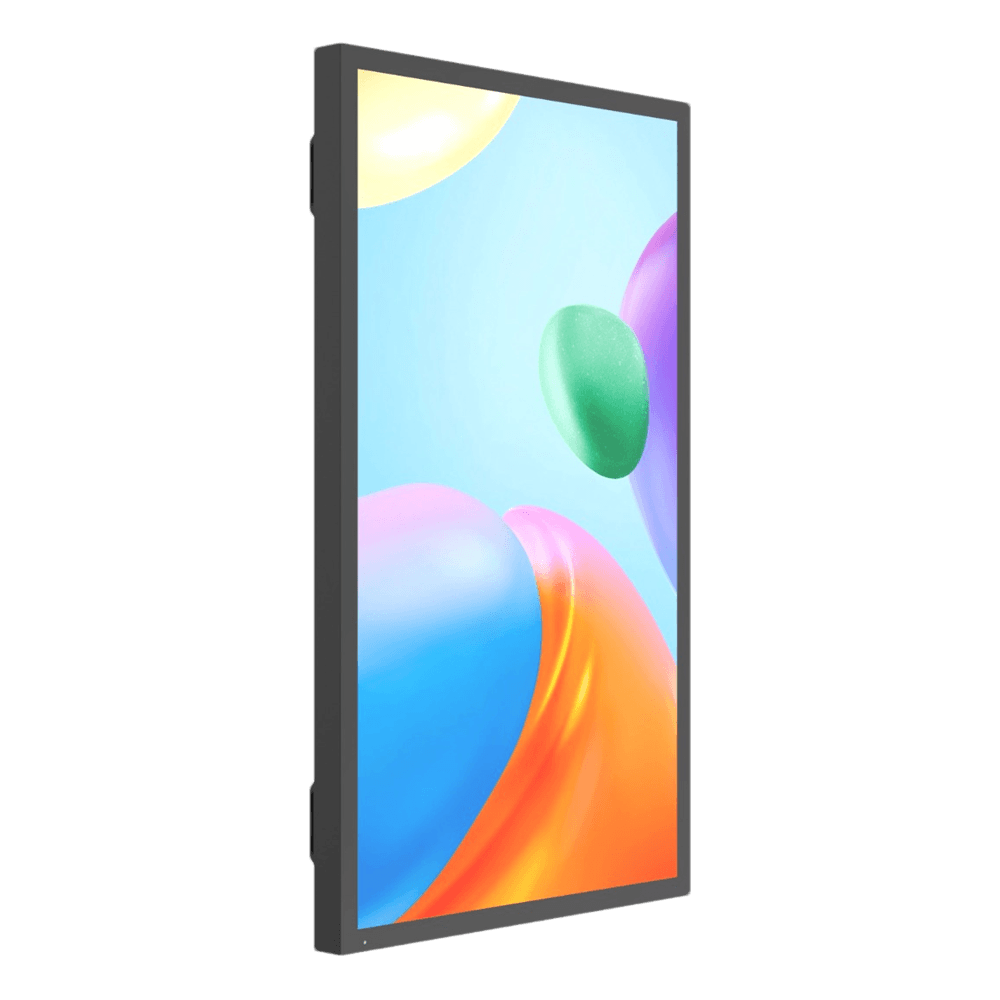
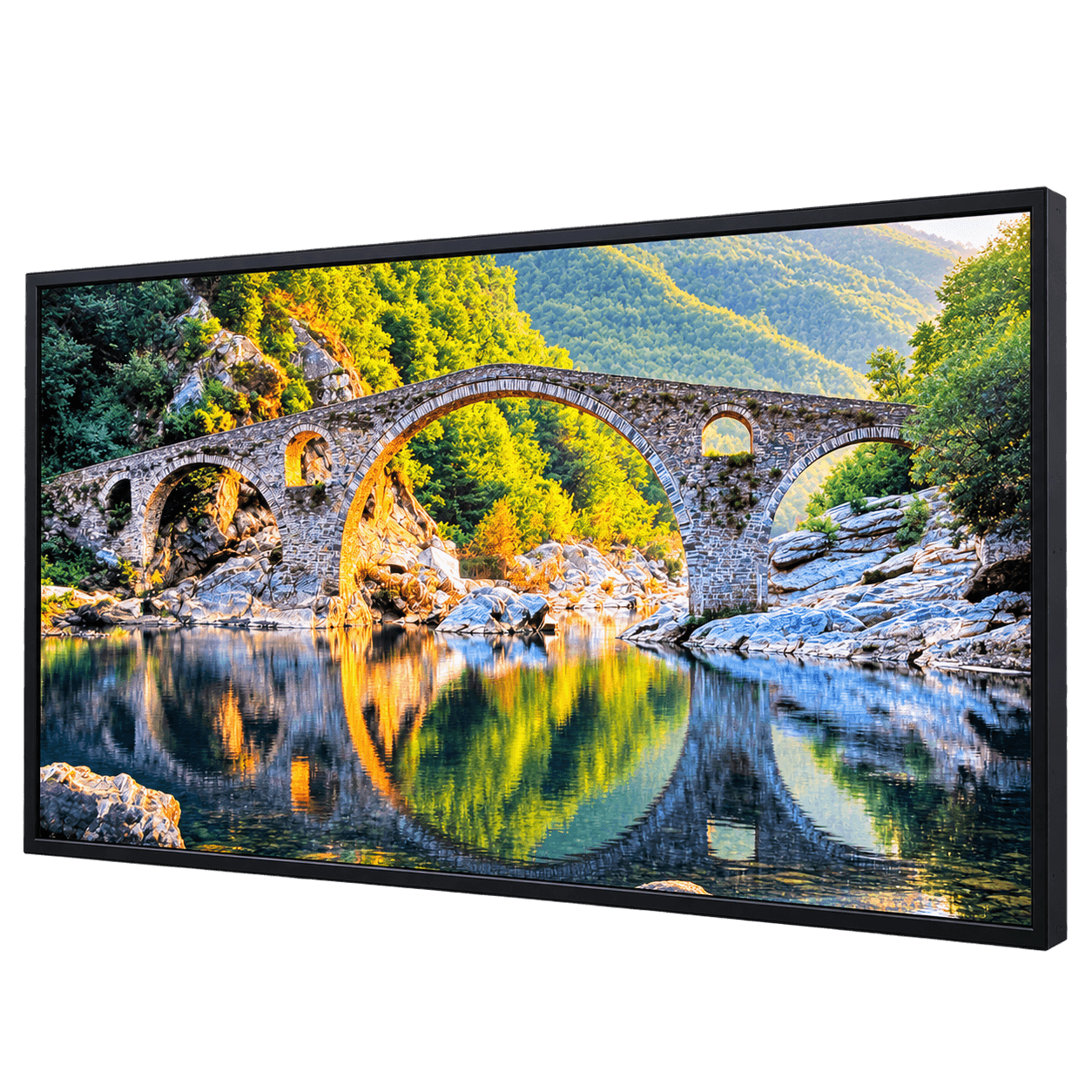
Complete outdoor display products with weather-resistant enclosure, front glass, thermal control, power and mounting structure.
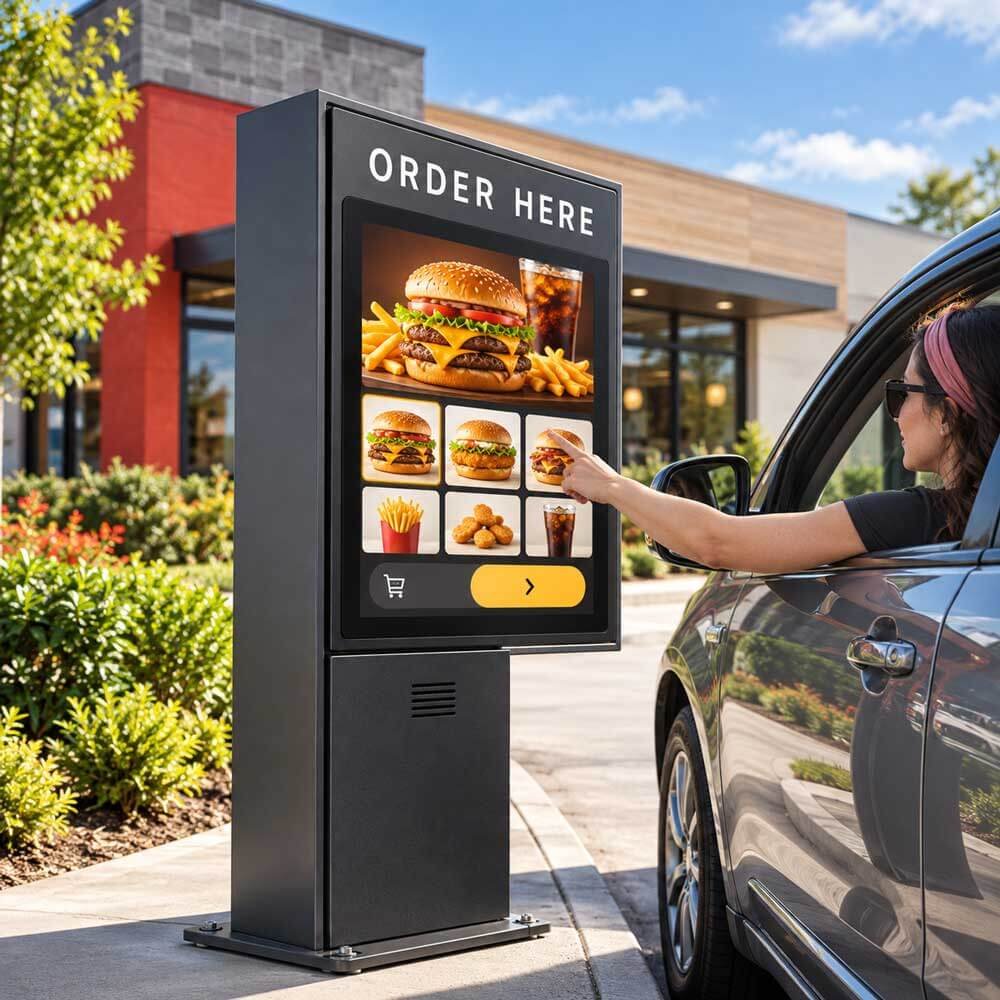
High-brightness interactive displays for users who need to search, select, pay, register, navigate or control equipment outdoors.
| Project Condition | Recommended Product Route | Reason |
|---|---|---|
| Display is built into customer equipment | Open Frame High Brightness Monitor | The customer provides the finished enclosure and machine structure |
| Display is indoors but faces storefront glass | Window Facing Display | Designed for bright outward-facing visibility through commercial glass |
| Display is exposed outdoors and used mainly for viewing | Outdoor High Brightness Display | Includes outdoor enclosure, thermal control and environmental protection |
| Users need to operate the screen outdoors | Outdoor Touch Display | Touch, glass, weather, software and public interaction are engineered together |
Strong ambient light makes dark areas appear lighter and weakens the visible difference between the image and reflected surroundings.
Storefront and protection glass may reflect the sky, street, lights and nearby buildings.
A screen viewed from a street or public plaza needs larger text, stronger visual hierarchy and appropriate screen size.
A stronger LED backlight increases power consumption and thermal load.
Rain, dust, condensation, corrosion and temperature cannot be solved by a brighter panel alone.
Outdoor touch systems must also manage glass, water, gloves, grounding, software and user ergonomics.
Review High Brightness vs Normal Display when you are not sure whether the real environment justifies a high-brightness product.
Indoor lighting, storefront daylight, open sky and direct sunlight require different brightness directions.
Tint, lamination, touch layers and printing reduce the light that reaches the viewer.
Front-surface reflection can reduce visible contrast even when panel luminance is high.
Sun direction, window orientation and the viewer's position affect readability.
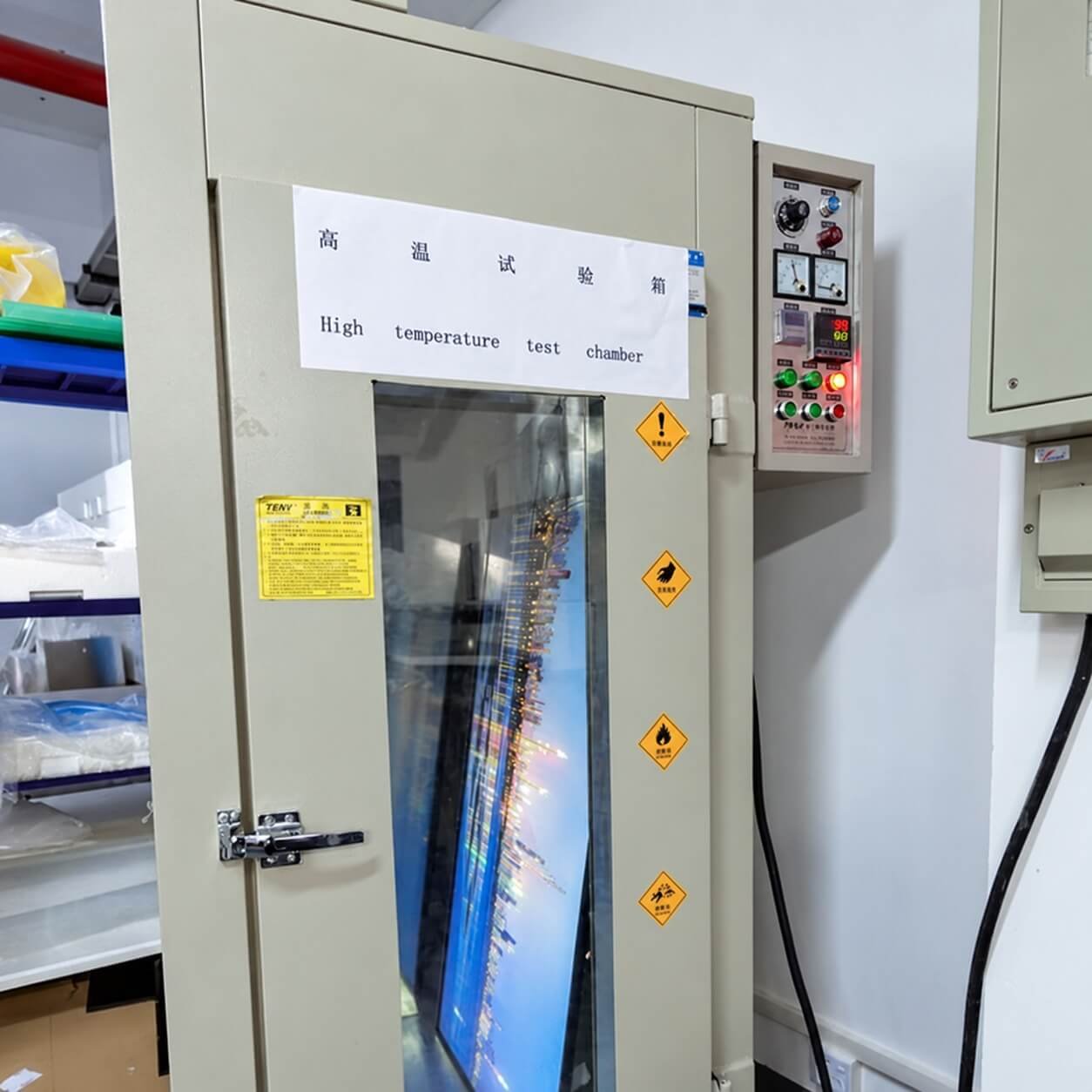
Daytime-only, extended commercial use and continuous-operation projects require different thermal and backlight planning.
Manual, scheduled or ambient-light dimming can reduce night glare, power and heat.
The correct product provides enough visible contrast under the real condition without creating unnecessary heat, power consumption or night glare.
| Product Type | Where It Is Installed | Who Provides the Main Protection? | Main Engineering Focus |
|---|---|---|---|
| Open Frame | Inside customer equipment | The customer's final machine enclosure | Mechanical, electrical, glass and thermal integration |
| Window Facing | Indoors near commercial glass | The building and indoor environment | Glass reflection, solar heat, mounting and outward-facing visibility |
| Outdoor High Brightness | Outdoor or semi-outdoor public area | The complete outdoor display enclosure | Visibility, weather, thermal control, structure and uptime |
| Outdoor Touch | Outdoor equipment or public terminal | Depends on whether the product is embedded or supplied as a complete enclosure | Touch reliability, glass, software, weather and user behavior |
Glass size, thickness, border printing, logo, holes, notches and project-specific shape can be reviewed.
Anti-glare treatment diffuses sharp reflections but may affect image clarity and perceived contrast.
Anti-reflective treatment can improve light transmission and reduce front-surface reflection.
Anti-fingerprint treatment improves cleaning and public-use surface maintenance.
A simpler front assembly with an air gap between the LCD and touch or cover glass.
Fills the air gap to reduce internal reflection and improve front-assembly integration.
Glass treatment, thickness, touch, bonding, reflection, safety and service strategy should be reviewed together.
Review Touch vs Non-Touch Display before adding unnecessary interaction or omitting a required public interface.
| Factor | Open Frame | Window Facing | Outdoor High Brightness | Outdoor Touch |
|---|---|---|---|---|
| Main Purpose | OEM embedded integration | Indoor-to-outdoor viewing | Outdoor content display | Outdoor user interaction |
| Installation | Inside customer equipment | Indoors near glass | Outdoor or semi-outdoor | Outdoor equipment or terminal |
| Outer Enclosure | Open frame or simplified chassis | Slim commercial housing | Finished outdoor protective housing | Embedded assembly or finished outdoor structure |
| Weather Protection | Provided by customer equipment | Provided by the building | Integrated into the complete product | Depends on the supplied product boundary |
| Touch | Optional | Optional | Optional | Core function |
| Typical Customer | OEMs and equipment manufacturers | Retailers, banks, restaurants and real estate offices | Signage operators and public projects | Kiosk, charger, ticketing and terminal manufacturers |
| Key Concern | Integration | Glass reflection and heat | Weather, thermal control and uptime | Touch reliability, glass, weather and software |
Vending machines, EV chargers, kiosks, industrial systems, smart cabinets and outdoor equipment.
Storefronts, real estate offices, banks, restaurants and street-facing commercial locations.
Advertising, public information, transportation, commercial streets and public plazas.
Ticketing, payment, EV charging, wayfinding, public services and self-service kiosks.
Vending, smart lockers, refrigerated retail and public-facing sales terminals.
Outdoor machines, control panels, field-operation systems and industrial terminals.
Passenger information, ticketing, schedules, parking and public guidance.
Menus, ordering, advertising and customer guidance under strong daylight.
Community information, wayfinding, service terminals and public communication.
Embedded into customer equipment, installed indoors behind glass, exposed outdoors or supplied as an interactive terminal.
Ambient light, sunlight, glass, rain, dust, temperature, humidity and public exposure.
Advertising, information, user search, payment, wayfinding or equipment control.
Cover glass, AG, AR, AF, touch, air bonding or optical bonding.
HDMI, embedded interface, Android, Windows, media player, CMS or customer software.
Mounting, power, grounding, cooling, access, spare parts and local responsibilities.
Foundations, wall strength, lifting, anchoring, wind load, electrical work, grounding, waterproofing, permits, accessibility and final installation safety must be handled or approved by qualified local professionals.
| Related Page | When to Visit |
|---|---|
| Open Frame High Brightness Monitors | OEM embedded display integration |
| Window Facing Displays | Indoor commercial signage facing storefront glass |
| Outdoor High Brightness Displays | Finished outdoor signage and public information displays |
| Outdoor Touch Displays | Outdoor interaction, payment, ticketing and public self-service |
| Window Facing Display Systems | System-level storefront visibility and installation planning |
| Outdoor High Brightness Display Solutions | Outdoor protection, thermal and structural planning |
| Rugged Outdoor Terminal Solution | Complete outdoor kiosks and protected public terminals |
| Custom Touch Glass Solution | Touch sensor, cover glass and controller engineering |
| Optical Bonding Display Solution | Reduce reflection and improve front-assembly integration |
| High Brightness vs Normal Display | Confirm whether higher luminance is justified |
| Outdoor vs Indoor Display | Confirm environment, enclosure and protection responsibility |
| Touch vs Non-Touch Display | Confirm whether the project needs user interaction |
| Smart Vending & Unattended Retail | Vending, lockers and public-facing sales equipment |
| Industrial Equipment & HMI | Industrial integration and operator-interface applications |
It is a commercial LCD display designed for stronger ambient light, storefront glass, semi-outdoor conditions or outdoor public environments where a normal indoor display may appear too dim.
No. Open Frame High Brightness Monitors, Window Facing Displays, Outdoor High Brightness Displays and Outdoor Touch Displays have different structures, customers and protection responsibilities.
Start with the installation structure and environment: embedded inside equipment, installed indoors behind glass, installed outdoors or used as an outdoor interactive terminal.
The required luminance depends on ambient light, direct or indirect sunlight, glass reflection and transmission, viewing distance, content, operating hours, front glass and thermal conditions.
No. Excessive brightness increases power, heat and night glare. The correct product provides enough visible contrast under the real condition and supports suitable dimming.
It is an embedded high-brightness monitor assembly designed for integration into the customer's kiosk, vending machine, EV charger, cabinet or industrial equipment.
It is a finished commercial display installed indoors but positioned toward storefront glass, street traffic or another bright public-facing direction.
It is a complete outdoor display system with a protected enclosure, front glass, thermal control, power, controller and mounting structure.
It is an outdoor or semi-outdoor high-brightness display engineered for user interaction such as search, selection, payment, ticketing, wayfinding or equipment control.
Sometimes, but daylight and glass reflection may make it too dim. Heat buildup and long operating hours should also be reviewed before using a normal indoor display.
Yes. Touch can be added according to the product route, cover glass, environment and user behavior. Outdoor touch projects require additional review for rain, gloves, thick glass and false-touch rejection.
Optical bonding fills the air gap between the LCD and touch or cover glass. It can reduce internal reflection, improve readability, strengthen the assembly and improve touch response.
AG is anti-glare, AR is anti-reflective and AF is anti-fingerprint. Each treatment solves a different front-surface problem and should be selected according to the application.
No. Open Frame and Window Facing products are not automatically outdoor waterproof products. Outdoor protection depends on the complete enclosure, seals, cable entries, ventilation, drainage and installation.
Yes. Depending on the product, the system may use an Android player, Windows PC, external media player, Panel PC or customer-provided embedded controller.
Yes. Available LCD platforms can be configured with project-specific brightness, touch, glass, optical bonding, controller, frame, enclosure, mounting, cables and software system.
DisplayMan can support product and technical review. Foundations, lifting, anchoring, wall strength, electrical work, grounding, waterproofing, permits and final installation safety should be handled by qualified local professionals.
Please provide screen size, installation environment, viewing distance, sunlight or glass condition, indoor or outdoor use, touch requirement, mounting, system, operating hours, quantity, destination, certifications and schedule.

Send us the screen size, installation environment, viewing distance, sunlight or glass condition, indoor or outdoor use, touch requirement, mounting, system, operating hours, quantity, destination, certifications and schedule.
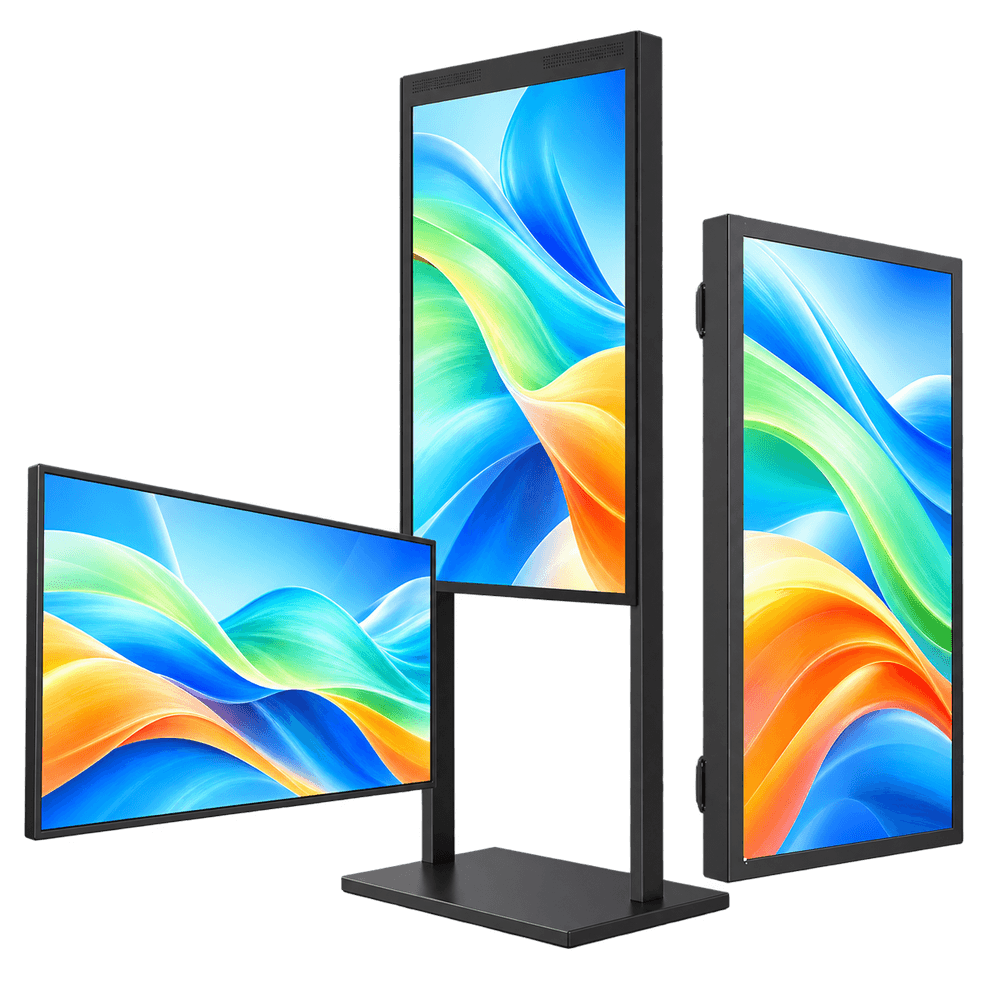
We will identify whether the project should use an Open Frame High Brightness Monitor, Window Facing Display, Outdoor High Brightness Display or Outdoor Touch Display.
Do not choose by brightness alone. The correct route depends on installation structure first, environmental protection second and viewing or interaction function third.
Please share application, environment, display size, sunlight or glass condition, touch, structure, system, quantity and schedule.
Please share your application, display size, quantity and project background. We will review the most practical display direction.