Indoor · Outdoor · Rental · Creative

LED Displays

Choose the right LED system for your space and viewing distance.

Explore eight display directions, from seamless indoor walls and outdoor installations to rental stages, XR studios and custom shapes.

Share your application, screen size and installation conditions. DisplayMan can review the most suitable display architecture before selecting pixel pitch.

  • Seamless Large-Format Visuals
  • Indoor & Outdoor Systems
  • Fixed, Rental & Portable Formats
  • Custom Shapes & OEM Support
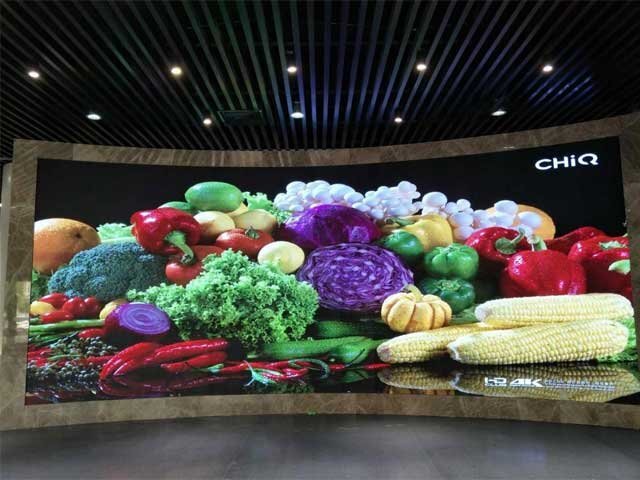
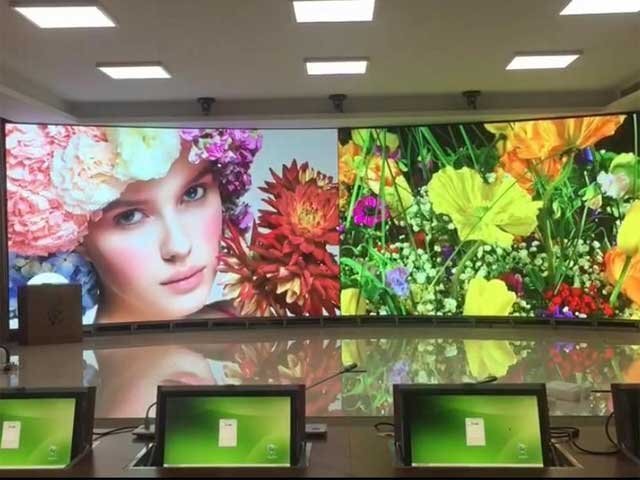
Curved indoor LED display installation showing a large seamless display surface

LED Display Systems: Choose the Product Direction Before the Pixel Pitch

DisplayMan supports selected LED display projects across indoor fine pitch, outdoor fixed installation, rental, portable event displays, XR, integrated All-in-One systems, flexible curved surfaces and Custom / Creative LED forms.

The correct product direction should be selected from the application, viewing distance, environment, mobility, physical geometry, content workflow, maintenance method and budget before final pixel pitch and cabinet/module configuration are frozen.

LED Is One Display Direction — Not Automatically the Best One

For some projects, Transparent LED, LCD video walls, digital signage, high-brightness LCD or another display platform may be more practical. The goal is to select the right display technology for the real application.

What Are LED Displays?

LED Displays are digital display systems built with LED modules or LED cabinets.

Unlike LCD displays, which use LCD panels with backlights, LED displays create images directly from LED pixels or LED modules. They are commonly used for large-format visual communication, commercial signage, event screens, indoor video walls, outdoor displays, creative installations and immersive production environments.

LED displays can be built in different forms, including:

  • Fixed indoor video walls
  • Outdoor advertising screens
  • Rental event displays
  • Curved LED displays
  • Custom shaped LED structures
  • Portable LED poster displays
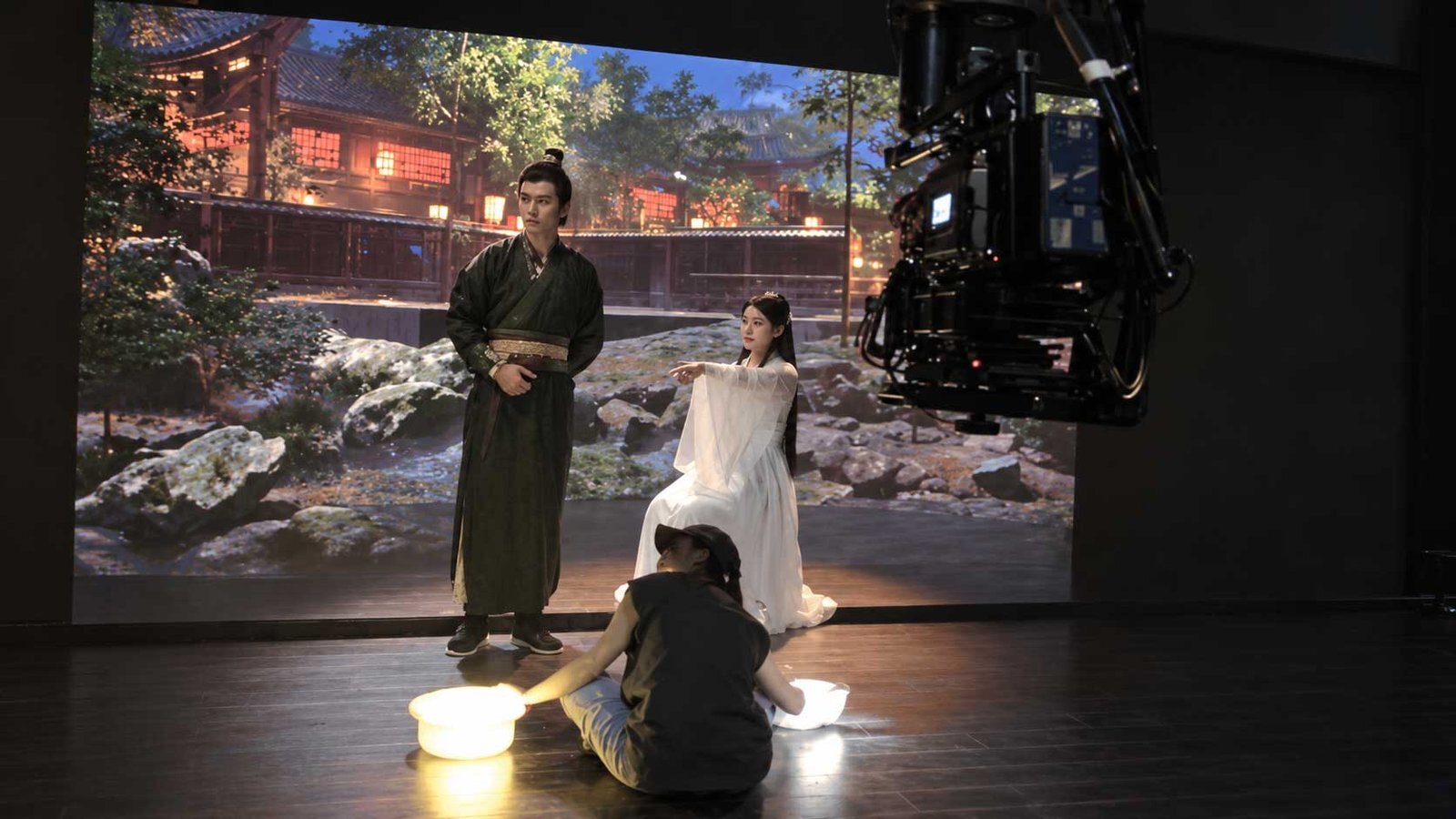
  • XR virtual production LED walls
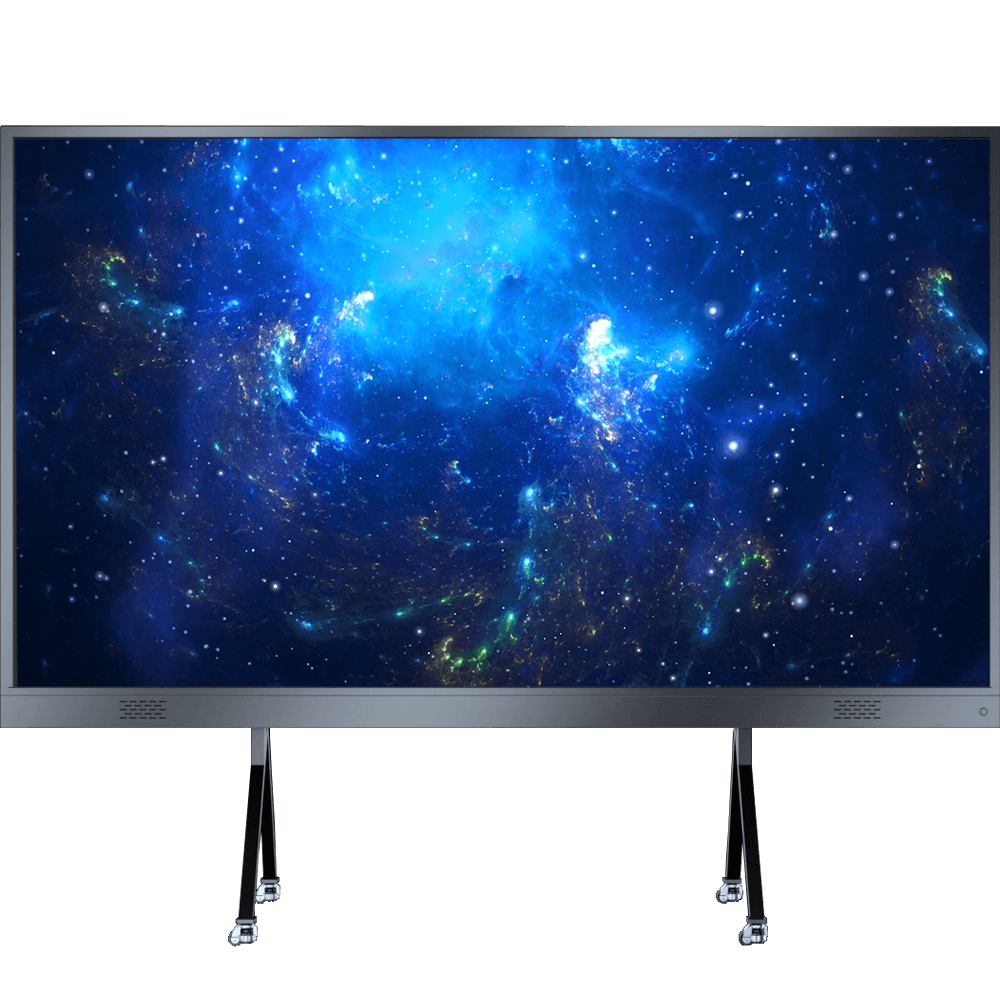
  • Integrated All-in-One LED displays

Core Line

LED Displays are selected when a project needs a large-format, modular or special-format display system that cannot be solved by a normal LCD monitor.

LED Display Category Introductions

Explore each display direction and its application below.

Indoor Fine Pitch LED Displays

Indoor Fine Pitch LED Displays

Indoor fine pitch LED displays are used for close and medium viewing distances in controlled indoor environments.

Typical applications include:

  • Control rooms
  • Corporate boardrooms
  • Meeting rooms
  • Conference halls
  • Retail showrooms
  • Exhibition spaces
  • Broadcast studios
  • Commercial video walls

Common pixel pitch directions include P1.25, P1.53, P1.86, P2.0 and P2.5.

Selection Logic

Choose Indoor Fine Pitch LED Displays when the project needs a seamless indoor video wall and viewers are close enough that pixel pitch and image detail matter.

View Indoor Fine Pitch LED Displays →

Outdoor Fine Pitch LED Displays

Outdoor Fine Pitch LED Displays

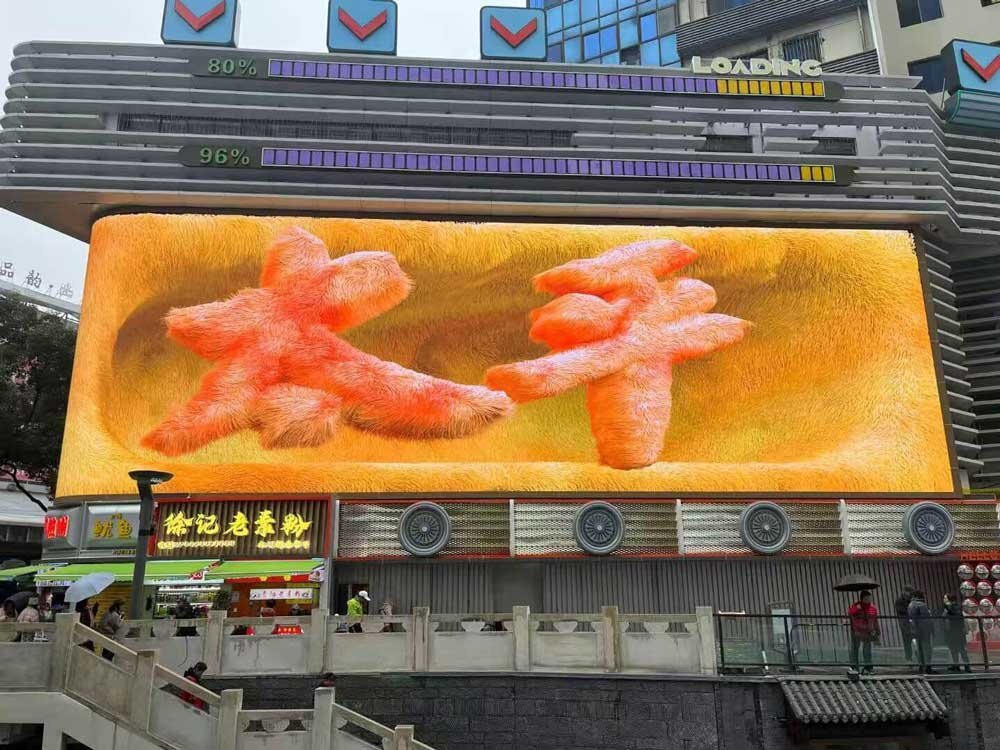
Outdoor LED displays are used for outdoor commercial signage, public information and large-format visual communication.

Typical applications include:

  • Building façades
  • Retail plazas
  • Pedestrian streets
  • DOOH advertising
  • Public information screens
  • Outdoor event spaces
  • Transportation areas
  • Commercial entrances

Outdoor LED displays require review of brightness, waterproofing, heat, wind load, cabinet structure, maintenance access and installation safety.

Selection Logic

Choose Outdoor LED Displays when the screen must operate in outdoor or semi-outdoor conditions where brightness and environmental protection are required.

View Outdoor Fine Pitch LED Displays →

Custom / Creative LED Displays

Custom LED Displays

Custom LED Displays are project-based LED display systems built into special shapes.

Typical custom forms include:

  • Sphere LED displays
  • Christmas tree shaped LED displays
  • Cylindrical LED displays
  • Cube LED displays
  • Ring LED displays
  • Letter-shaped LED displays
  • Mascot or character-shaped LED displays
  • Custom 3D LED structures

These projects require review of shape, structure, module layout, pixel mapping, content format, installation and maintenance.

Selection Logic

Choose Custom LED Displays when the display shape itself is part of the visual design.

View Custom LED Displays →

Rental LED Displays

Rental LED Displays

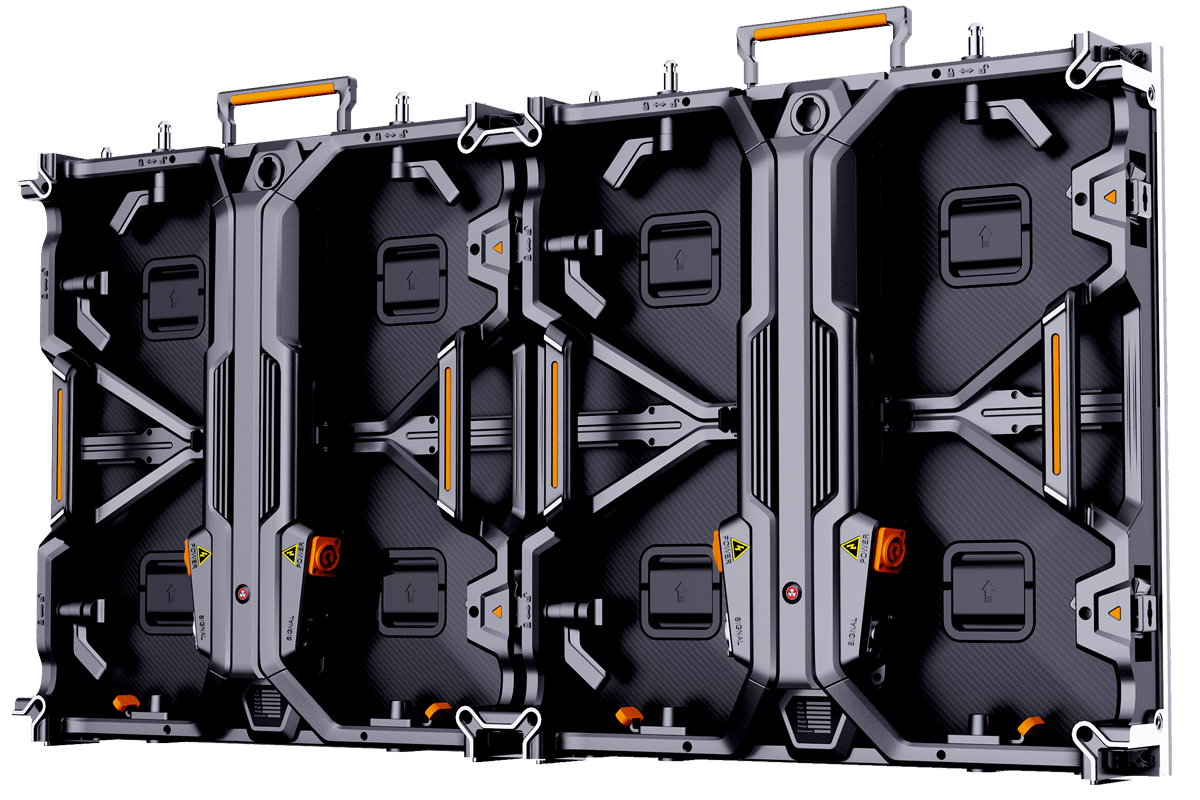
Rental LED displays are designed for temporary installation and repeated use.

They are commonly used in:

  • Concerts
  • Stages
  • Exhibitions
  • Trade shows
  • Conferences
  • Product launches
  • Festivals
  • Touring events

Rental LED displays focus on cabinet weight, quick-lock structure, flight case packing, repeated transport, fast maintenance and flexible screen configuration.

Selection Logic

Choose Rental LED Displays when the screen must be transported, assembled, dismantled and reused for multiple events.

View Rental LED Displays →

Portable Foldable LED Poster Displays

Portable Foldable LED Poster Display

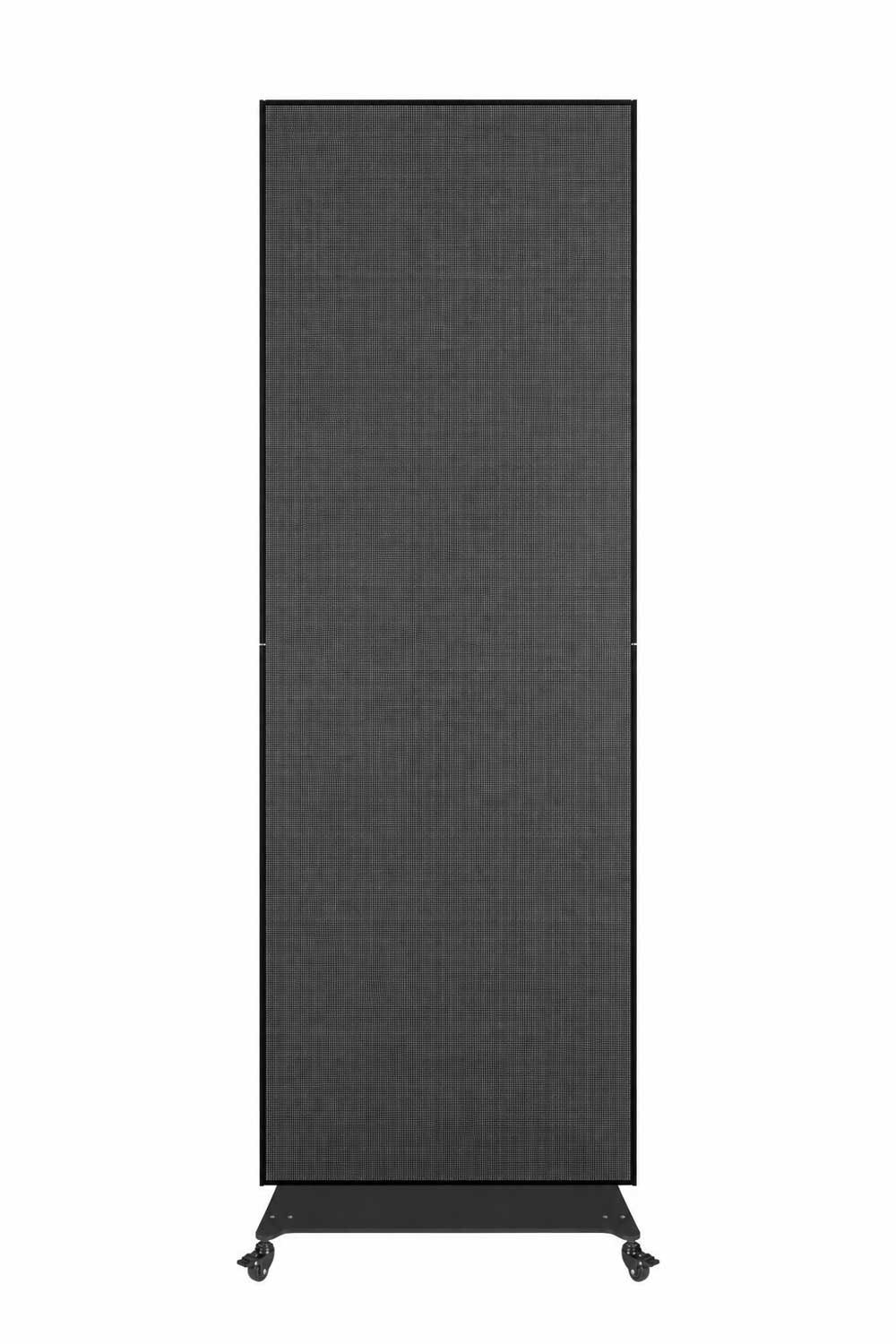
Portable Foldable LED Poster Displays are vertical LED poster displays designed for exhibitions, roadshows and mobile event use.

They can be folded and packed into a transport case, making them more practical for small teams, exhibitors and sales representatives who need a reusable digital poster for different locations.

Typical applications include:

  • Trade shows
  • Exhibition booths
  • Product launches
  • Roadshows
  • Pop-up retail
  • Dealer meetings
  • Hotel events
  • Sales presentations

Selection Logic

Choose Portable Foldable LED Poster Display when portability, foldable packing and repeated event use are more important than building a large LED wall.

View Portable Foldable LED Poster Displays →

XR LED Displays

XR LED Displays

XR LED Displays are camera-facing LED display systems for virtual production, broadcast and immersive content environments.

They are different from standard LED video walls because the screen must work correctly through cameras.

Key review factors include:

  • Refresh rate
  • Scan mode
  • Grayscale
  • Genlock
  • Camera distance
  • Lens choice
  • Moiré risk
  • Color calibration
  • Media server workflow
  • Rendering engine workflow
  • Tracking system compatibility

Selection Logic

Choose XR LED Displays when the LED wall is part of a virtual production or broadcast camera workflow, not only for audience viewing.

View XR LED Displays →

All-in-One LED Displays

All-in-One LED Displays

All-in-One LED Displays are integrated large-format LED display products for indoor meeting and presentation environments.

They are more standardized than project-built LED video walls and may include:

  • LED display modules
  • Integrated control system
  • Audio
  • Built-in operating system
  • OPS PC option
  • Video conferencing option
  • Wall mount or mobile stand
  • Front maintenance structure

Typical size directions include 138″, 145″, 165″, 180″ and 220″.

Selection Logic

Choose All-in-One LED Displays when the project needs a large indoor presentation screen with easier deployment than a custom LED video wall.

View All-in-One LED Displays →

Flexible LED Displays

Flexible LED Displays

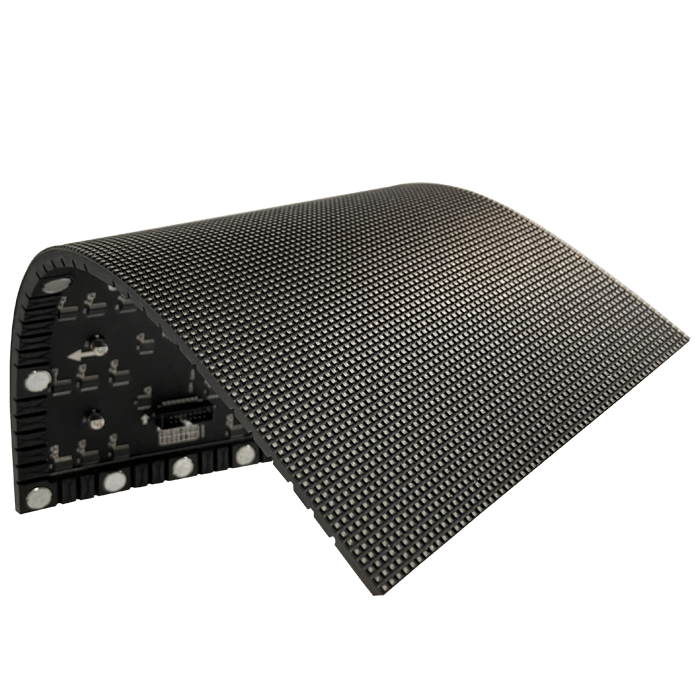
Flexible LED Displays use soft LED modules for curved and non-flat display surfaces.

They are commonly used for:

  • Round columns
  • Curved walls
  • Cylindrical displays
  • Arc-shaped walls
  • Wave-shaped structures
  • Creative indoor commercial installations

Flexible LED Displays are not the same as Transparent LED Flexible Film and not the same as Flexible OLED.

Selection Logic

Choose Flexible LED Displays when a standard flat LED cabinet cannot match the required curved structure.

View Flexible LED Displays →

LED Display Selection Logic

The best LED display type depends on the actual application.

Project Requirement Recommended Direction
Close-view indoor video wallIndoor Fine Pitch LED Display
Outdoor commercial signageOutdoor Fine Pitch LED Display
Temporary stage or event screenRental LED Display
Trade show portable digital posterPortable Foldable LED Poster Display
Virtual production or broadcast studioXR LED Display
Meeting room large integrated displayAll-in-One LED Display
Curved wall or column displayFlexible LED Display
Sphere, Christmas tree or special shapeCustom LED Display
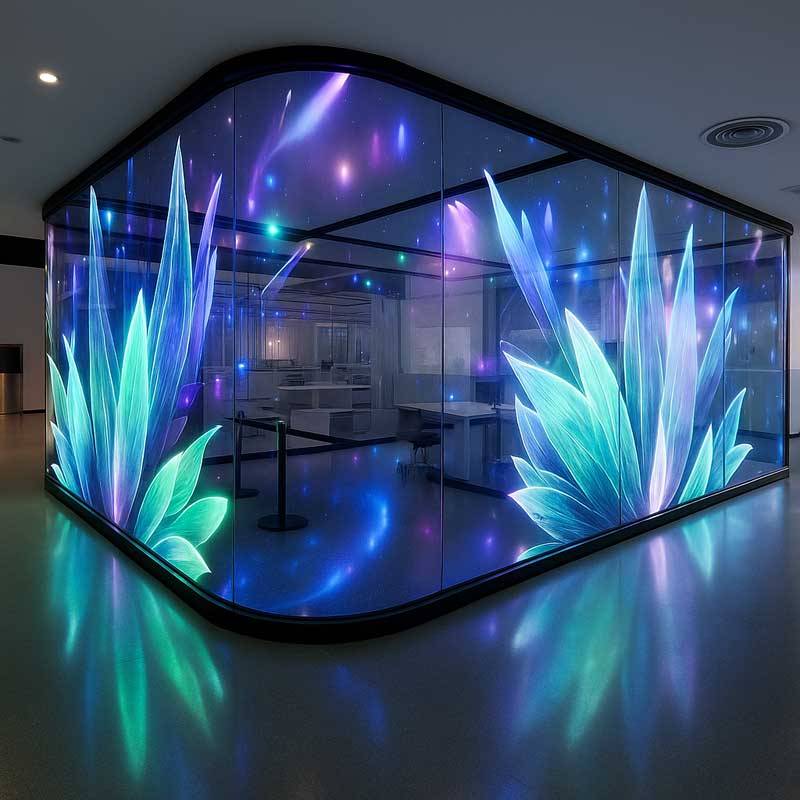
Transparent glass display effectTransparent LED Display category
Low-cost indoor advertisingLCD Digital Signage may be more practical
High-brightness outdoor terminalOutdoor High Brightness LCD may be more practical

Core Line

Start with the application first, then select the LED display type, pixel pitch and structure.

LED Displays vs LCD Displays

Factor LED Displays LCD Displays
Display StructureModular LED modules or cabinetsLCD panel with backlight
Size DirectionLarge or modular screen sizesFixed panel sizes
SeamSeamless or cabinet-basedSingle panel or LCD video wall bezel
Best ForLarge video walls, signage, stages and creative structuresMonitors, kiosks, terminals and close-view screens
Image DetailDepends on pixel pitch and viewing distanceUsually better for close-view small/medium screens
Cost DirectionHigher for fine pitch LEDMore practical for many standard sizes
Selection LogicChoose for large-format or special display structureChoose for standard display products and terminals

Core Line

LED Displays are not always better than LCD Displays. For many close-view, small-size or cost-sensitive projects, LCD may be more practical.

LED Displays vs Transparent LED Displays

Factor LED Displays Transparent LED Displays
TransparencyNormally not transparentDesigned to allow see-through effect
StructureLED modules, cabinets or flexible modulesFilm, mesh, glass, invisible screen or transparent LED structures
Best ForSolid video walls, stages, signage and curved structuresGlass windows, retail façades, transparent installations
InstallationWall, cabinet, frame or structureGlass mounting, hanging, mesh or transparent structure
Selection LogicChoose for solid LED visual surfaceChoose when transparency is required

Core Line

If the project requires visibility through the screen, review Transparent LED Displays instead of standard LED Displays.

Key Review Factors

DisplayMan can review:

  • Application type
  • Indoor or outdoor environment
  • Required screen width and height
  • Viewing distance
  • Pixel pitch preference
  • Required resolution
  • Brightness requirement
  • Fixed or temporary installation
  • Flat, curved or special shape
  • Cabinet or module structure
  • Front or rear maintenance
  • Control system
  • Video processor
  • Media player
  • Content type
  • Power supply
  • Signal routing
  • Installation structure
  • Transport or packing requirement
  • Spare parts
  • Quantity
  • Project schedule
  • Target budget range

Important Note

For LED display projects, site photos, viewing distance, installation method and content type are often more useful than only asking for a square-meter price.

Customization & OEM / ODM Support

Need an LED display that fits a brand, product concept, architectural space or repeatable commercial program? DisplayMan can review OEM / ODM customization around proven LED platforms first, then move into deeper electrical, mechanical or Creative LED development only when the project justifies it.

Customize the Product Without Creating Unnecessary Engineering Risk

For most projects, the preferred direction is to start from a stable LED module, cabinet or control platform and customize the dimensions, structure, appearance, branding, accessories and integration around it. Fully custom pixel pitch, PCB/module geometry or cabinet architecture is reviewed separately when quantity, budget and technical feasibility support the development.

Display Configuration

Pixel Pitch, Module & Cabinet Configuration

Fine-pitch options down to approximately P0.78 can be reviewed on suitable available platforms. Module layout, cabinet dimensions and final screen geometry can also be configured or customized where the selected platform, project quantity and engineering feasibility allow.

Branding

Frame Color, Logo & Housing Customization

Frame finish, enclosure appearance, product logo, labels and selected mechanical details can be adapted for brand programs, interior architecture or OEM product positioning.

Interaction

Touch & Interactive Integration

Touch overlays, external interactive interfaces, sensors or collaborative-control functions can be reviewed for selected indoor LED systems. The final approach depends on screen size, mounting, viewing distance, mechanical structure and interaction method.

Creative Geometry

Creative & Curved Configurations

Cylinders, columns, arcs, curved walls and compatible wave structures normally use standard flexible LED modules + project-specific supporting structures. More complex compound-curved or recognizable 3D objects move into Custom / Creative LED engineering.

Private Label

OEM / White-Label Manufacturing

For repeatable projects and suitable quantities, DisplayMan can review private-label branding, product labels, packaging, manuals and project-specific support materials under the customer’s brand.

Engineering Route

Prototype Before Deep Customization

When the project requires new PCB geometry, unusual mechanics, custom housing or new system integration, prototype and engineering validation should be completed before batch production is released.

Flexible LED Example

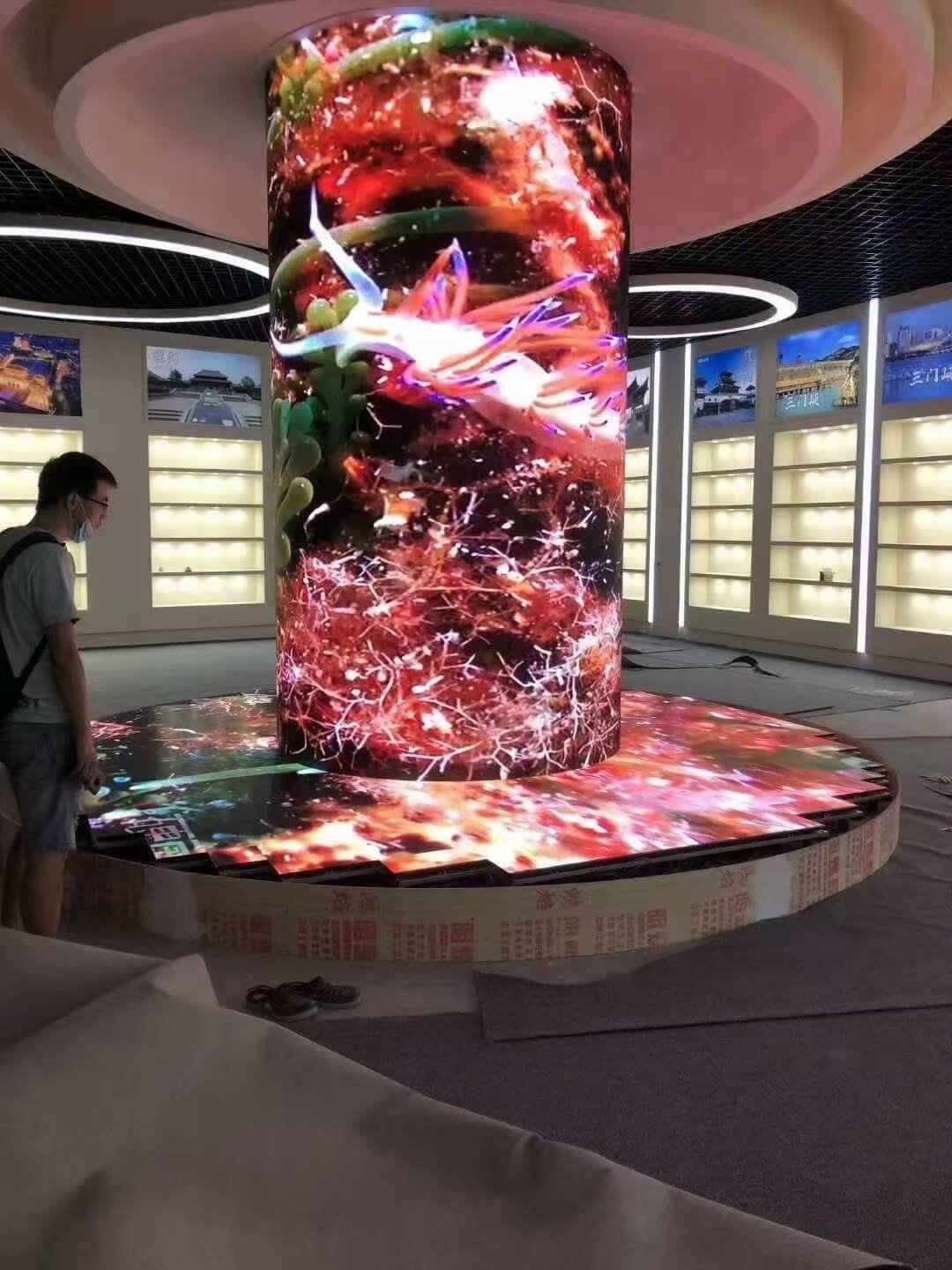
Immersive 360° Column Using Flexible LED Modules

A cylindrical LED column is a good example of customization without unnecessary custom PCB development. When the selected flexible module can safely match the target radius, the main engineering work moves into the supporting frame, module quantity, closure seam, content mapping, power / signal routing and service access.

This is different from a sphere, vase or highly specific 3D sculpture, where changing curvature may require dedicated module segmentation and deeper Custom / Creative LED engineering.

View Flexible LED Displays →   View Cylindrical LED Display →

Immersive 360 degree column using flexible LED display modules
Immersive 360° column application using flexible LED modules and a cylindrical supporting structure.

Customization Boundary

OEM / ODM support does not mean every project should start from a fully custom LED platform. Most LED projects should first use proven modules, cabinets and control systems, then customize only the elements that create real application or commercial value.

Fully custom pixel pitch, fully custom cabinet, special structure or unusual shape may require engineering evaluation and may not be practical for small quantities or low-budget projects.

For most projects, the practical direction is to select a stable existing LED module or cabinet system, then configure screen size, pixel pitch, control system, structure and accessories around it.

What Information Should You Provide?

To quote or review an LED Display project, please provide:

  • Application type
  • Indoor or outdoor use
  • Required screen size
  • Viewing distance
  • Pixel pitch preference if known
  • Required resolution if known
  • Installation location
  • Site photos or drawings
  • Fixed, rental, portable, XR or custom-shaped requirement
  • Flat, curved or special structure
  • Required brightness
  • Content type
  • Control system requirement
  • Maintenance access requirement
  • Power supply condition
  • Transport or packing requirement
  • Quantity
  • Project schedule
  • Target budget range if available

For special-shaped, XR, portable or outdoor projects, please provide more project context so we can review the correct LED display direction.

Related LED Products, Solutions & Applications

Continue from what you already know: the LED product type, the engineering problem, or only the final use case.

Products → Solutions → Applications

Know the display type? Use Products. Know the integration problem? Use Solutions. Know only the use case? Use Applications.

When an LED Display Is — and Is Not — the Right Direction

Recommended

Good Fit

  • Large seamless indoor or outdoor video is required
  • The screen must scale beyond normal LCD panel sizes
  • The project needs rental, portable, XR, curved or special-shaped behavior
  • The physical display form is part of the experience
Alternative Direction

Review Another Technology When

  • A standard-size monitor, kiosk or terminal is enough
  • Close-view detail and budget favor LCD
  • The screen must remain see-through — review Transparent LED
  • A high-brightness LCD terminal is more practical than a large LED wall
  • The site cannot support LED structure, power or maintenance access

Explore LED Display Categories

LED Display FAQ

What types of LED displays can DisplayMan support?

DisplayMan can support selected indoor, outdoor, rental, custom, XR, All-in-One, portable foldable poster and flexible LED display projects.

Is LED Display the same as Transparent LED Display?

No. Standard LED Displays usually create a solid display surface. Transparent LED Displays are designed for see-through applications such as glass windows or transparent installations.

Is smaller pixel pitch always better?

No. Smaller pixel pitch provides finer detail, but it also increases cost, power, heat and installation sensitivity. Pixel pitch should match viewing distance and budget.

Can LED displays be used outdoors?

Yes, but outdoor LED displays require higher brightness, waterproof cabinet structure, thermal design and installation safety review.

Can LED displays be made into custom shapes?

Yes, selected custom shaped LED display projects can be reviewed, such as sphere, cylinder, Christmas tree, cube, letter or other creative structures.

Can LED displays be portable?

Yes. Rental LED displays are portable as modular event systems, while Portable Foldable LED Poster Displays are designed for single-display transport and trade show use.

Can LED displays be used for XR production?

Yes, but XR LED displays require stricter review of refresh rate, scan mode, Genlock, color calibration, camera distance and production workflow.

Are LED displays better than LCD displays?

Not always. LED displays are better for large-format, modular or special display structures. LCD displays may be more practical for kiosks, terminals, monitors and close-view signage.

What information is needed for quotation?

Please provide application, screen size, indoor or outdoor use, viewing distance, pixel pitch, installation method, content type, quantity and project schedule.

Start Your LED Display Project

Send the application, screen size, viewing distance, installation environment, content type and project schedule. DisplayMan can review whether the project should use indoor LED, outdoor LED, rental LED, portable foldable LED poster, XR LED, All-in-One LED, flexible LED or Custom / Creative LED.

Start with the installation context. Send the screen size, nearest viewing distance, indoor or outdoor location, content type and project schedule. We can then review the display family and pitch direction.

Send Your Display Requirement

Please share your application, display size, quantity and project background. We will review the most practical display direction.