GLASS, RETAIL, ARCHITECTURE & EVENTS

Transparent LED Displays

Bring Digital Content to Glass and Open Spaces

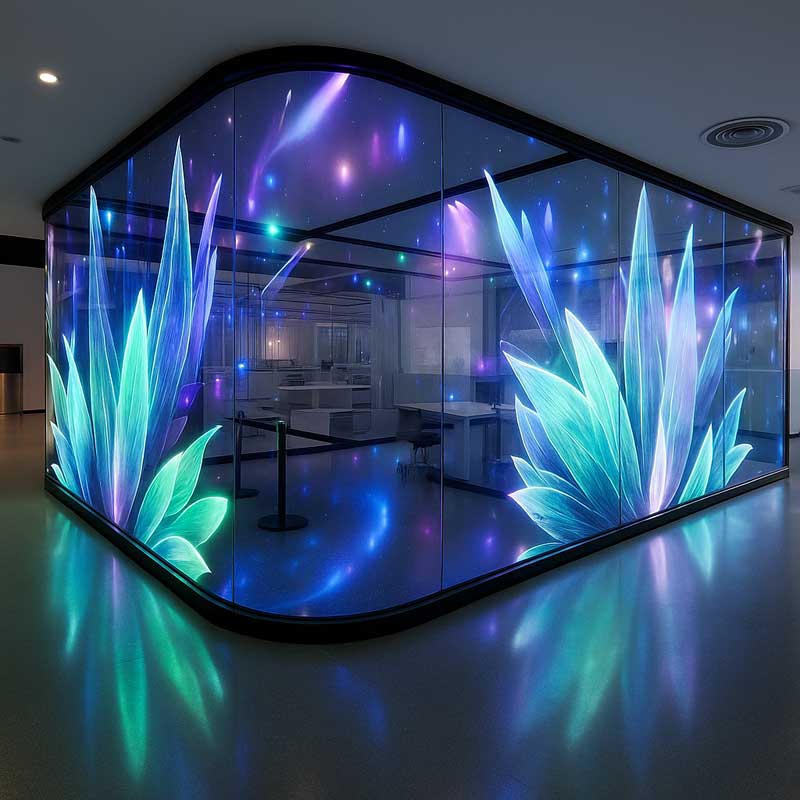
Turn office glass, storefront windows, shopping malls and architectural spaces into dynamic displays while retaining partial visibility through the display.

You do not need to choose a display type first. Tell us where it will be installed and the effect you want—DisplayMan will help match the display structure, pixel pitch and control system to your project.

Transparent LED display on office glass with digital visuals and visible interior

What Are Transparent LED Displays?

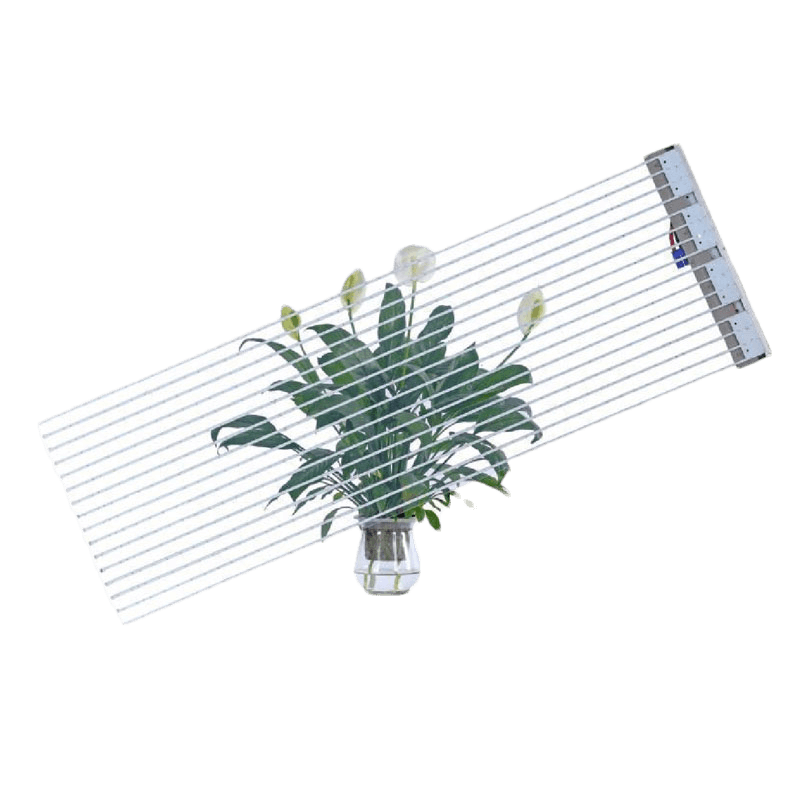
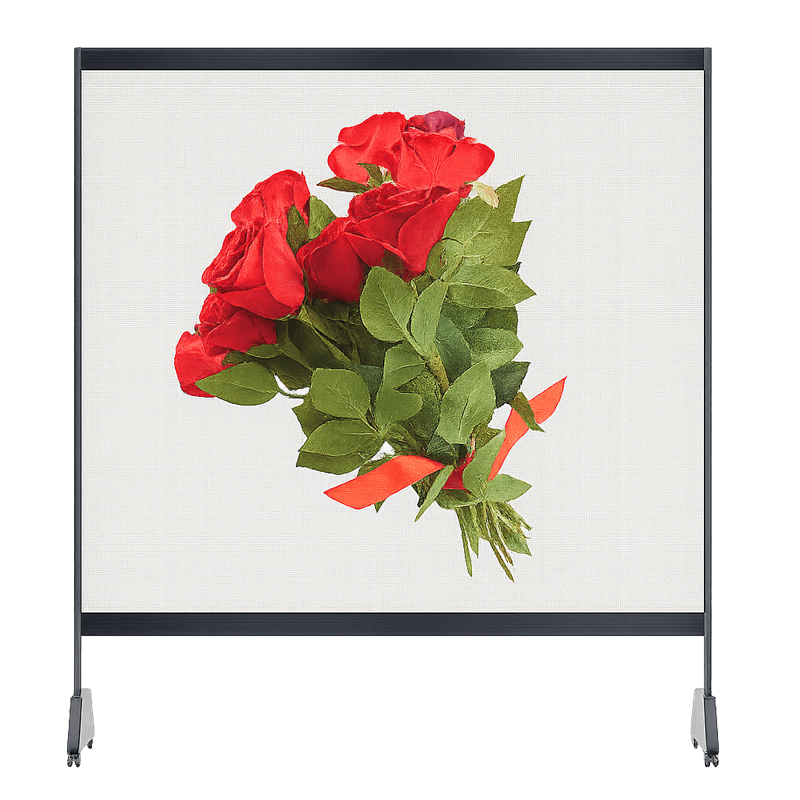
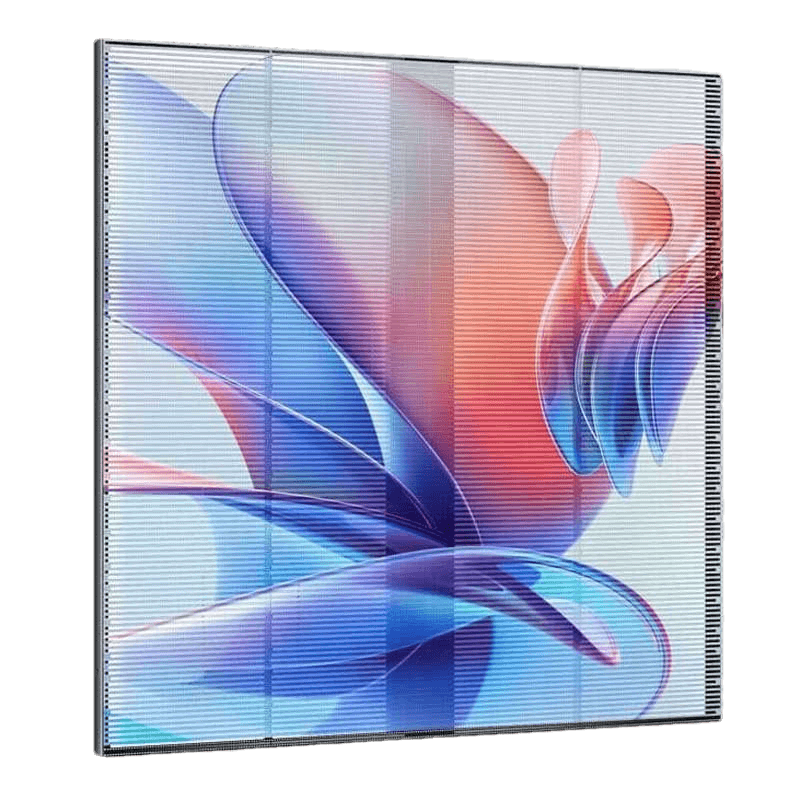
Transparent LED Displays use spaced LED pixels, strips or modules to show digital content while leaving open areas through which the background remains partly visible.

Unlike a conventional opaque LED wall, a Transparent LED display can add video, animation, branding or digital art without completely blocking a window, interior, stage, product or architectural background.

Transparent LED is not one product. The correct technology depends on the supporting surface, indoor or outdoor environment, viewing distance, permanent or rental use, required visual effect and installation structure.

Main Selection Questions

  • Will the screen be attached to flat or curved glass?
  • Does it need its own frame or cabinet?
  • Is the installation indoor, outdoor or temporary?
  • Is the screen viewed from close, medium or long distance?
  • Is transparency, detail, brightness or structure the main priority?
  • Will it be fixed permanently or repeatedly transported?
Start with Your Space and the Effect You Want

Send a photo of your office glass, storefront, atrium, facade or event space. We will help you compare suitable display types, then confirm dimensions, viewing distance, installation and budget.

Explore Transparent LED Display Types

Flexible Transparent LED Film Display
Curved Surfaces

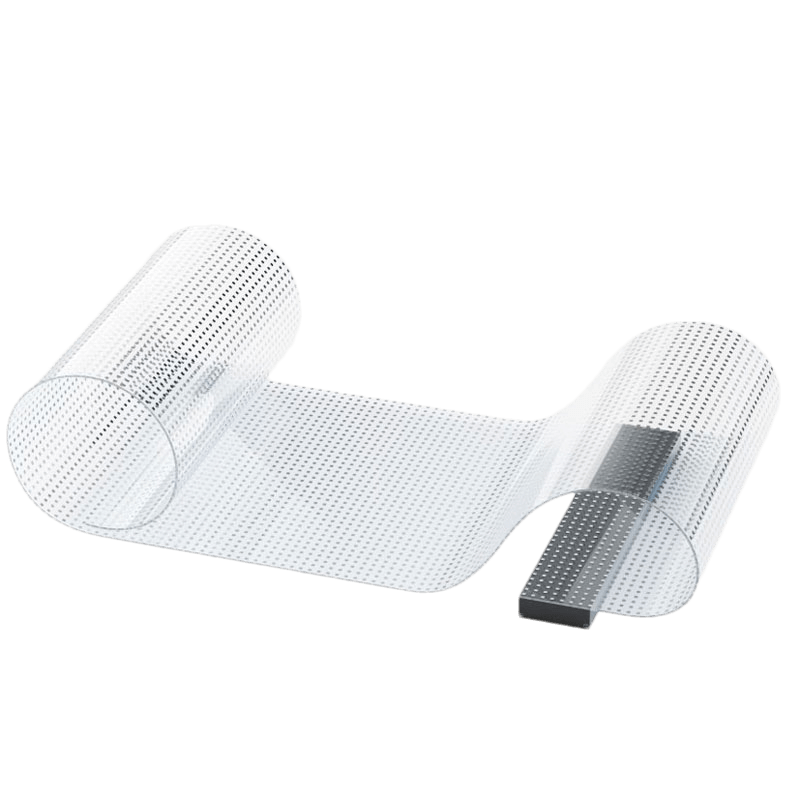
Flexible Transparent LED Film Display

A bendable film-style display designed for selected curved glass, columns and arc-shaped surfaces.

Best for: creative interiors and compatible curved surfaces after curvature, bending direction and segmentation review.

View Flexible Film Display →
Transparent LED Film Display
Flat Glass

Transparent LED Film Display

A thin film-style display supported by flat glass or another suitable smooth surface.

Best for: storefront windows, glass walls and indoor advertising.

View Film Display →
Holographic Transparent LED Display
Premium Indoor

Holographic Transparent LED Display

A lightweight, visually minimal Transparent LED structure for refined indoor floating-style visuals.

Best for: product displays, museums, premium retail and artistic installations.

View Holographic Transparent LED Display →
Transparent LED Glass Display
Architectural Glass

Transparent LED Glass Display

A permanent display system coordinated with architectural glass, facade and building structure.

Best for: curtain walls, building entrances and architectural media.

View LED Glass Display →
Indoor Transparent LED Display
Structured Indoor

Indoor Transparent LED Display

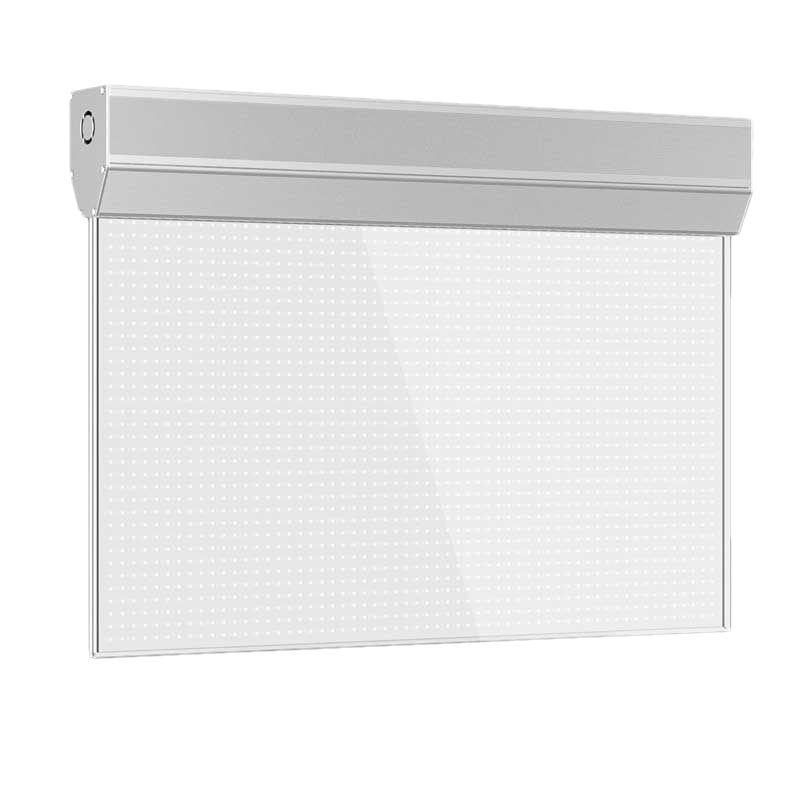
A framed or cabinet-based Transparent LED screen for protected commercial environments.

Best for: malls, atriums, lobbies, showrooms and curtain-wall interiors.

View Indoor Transparent LED →
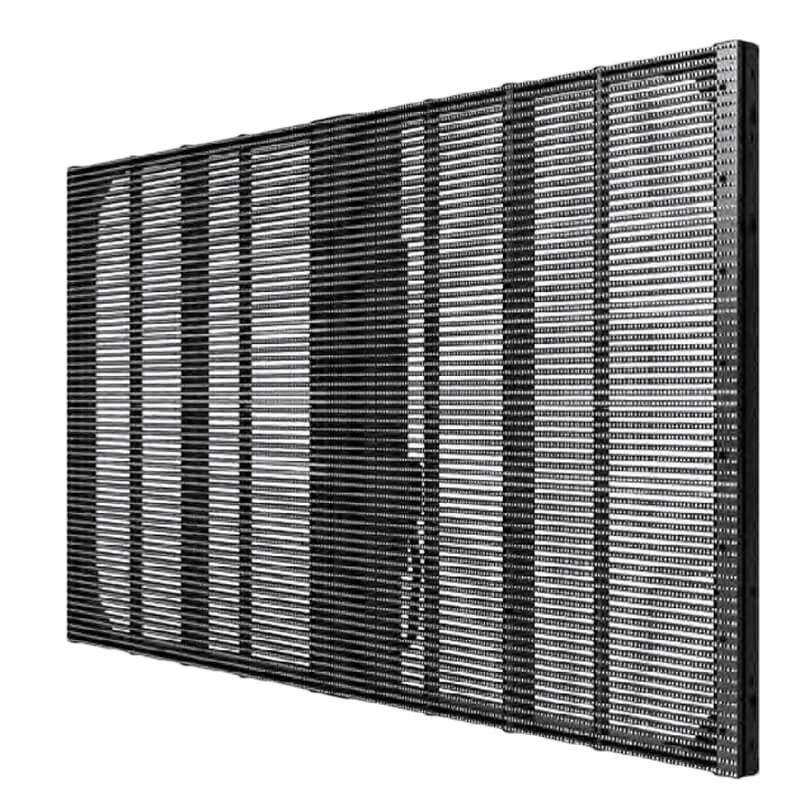
Outdoor Transparent LED Mesh Display
Outdoor Facade

Outdoor Transparent LED Mesh Display

An outdoor-rated mesh or grille display platform for exposed facade media installations.

Best for: building facades, exterior walls, public plazas and landmark media.

View Outdoor Mesh Display →
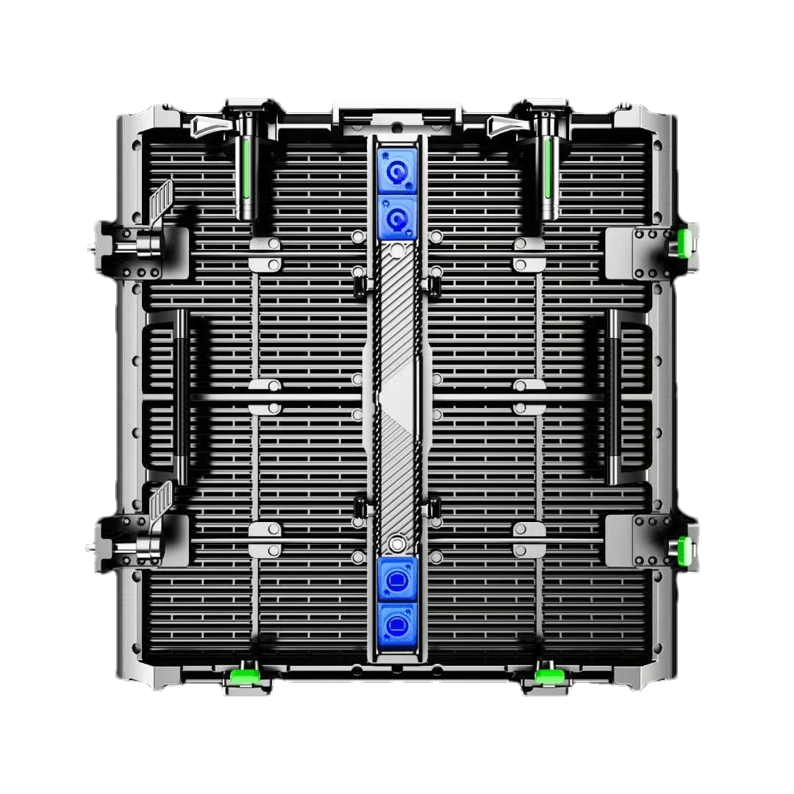
Rental Transparent LED Display
Stages and Events

Rental Transparent LED Display

A quick-lock rental cabinet system designed for repeated transport, setup and dismantling.

Best for: concerts, exhibitions, product launches and touring events.

View Rental Transparent LED →
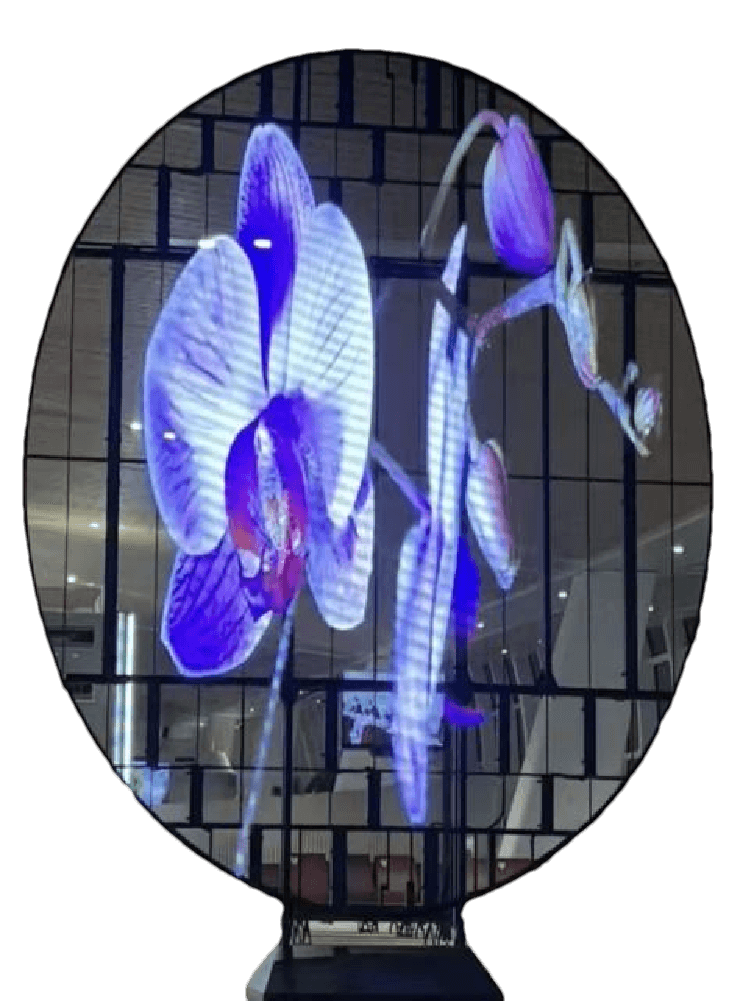
Custom Transparent LED Displays
Special Shapes

Custom Transparent LED Displays

Special-shape display concepts developed around a proven LED platform, subject to geometric, structural and commercial feasibility.

Best for: circular, oval, polygonal, curved, ring-shaped and artistic installations.

View Custom Transparent LED →

Quick Transparent LED Selection Matrix

Project Condition First Product Direction to Review Why
Flat storefront glass Transparent LED Film Display Thin glass-supported installation with minimal additional structure
Curved glass or round column Flexible Transparent LED Film Display Flexible structure can follow curves and arcs
Premium lightweight indoor visual Holographic Transparent LED Display Lower visual obstruction and refined indoor appearance
Permanent architectural glass Transparent LED Glass Display Display, glass and facade structure are reviewed together
Large indoor framed display Indoor Transparent LED Display Self-supporting cabinet structure for commercial interiors
Exposed outdoor facade Outdoor Transparent LED Mesh Display Outdoor protection, structure and long-distance visibility
Stage, exhibition or repeated event use Rental Transparent LED Display Quick locks, transport packaging and reusable event structure
Circular, polygonal or artistic installation Custom Transparent LED Displays Existing LED platform combined with custom shape and structure

How Transparent LED Displays Work

Spaced LED Pixels

LED pixels are arranged with open areas between rows, strips or modules.

Transparent Structure

The gaps preserve partial background visibility and allow light to pass through.

Product-specific Support

Support may be glass, flexible film, a lightweight frame, a cabinet, mesh, facade or rental structure.

LED Control System

Sending and receiving systems map content to the real display resolution and layout.

Power and Signal

Power supplies, controllers and cables are positioned according to installation and maintenance requirements.

Content Designed for Transparency

High-contrast visuals use the visible background as part of the final effect.

Transparency, Pixel Pitch and Image Detail

Higher Transparency

Usually means more open space and lower visual obstruction, but may reduce image density.

Finer Pixel Pitch

Improves image detail for closer viewing, but normally adds more LED structure and cost.

Higher Brightness

Helps overcome daylight and glass reflection, but may increase power consumption, heat and indoor glare.

Larger Screen Area

Allows strong visual impact at greater distances even when the pixel pitch is larger.

Stronger Structure

Outdoor and rental screens need heavier engineering than film-style indoor products.

Correct Balance

The right product balances transparency, pitch, brightness, structure, viewing distance and budget.

The Highest Number Is Not Automatically the Best Choice

Maximum transparency, minimum pixel pitch and maximum brightness cannot all be optimized independently. The project must select the correct balance for the real site.

Select by Installation Surface

Installation Surface Possible Product Route Key Checks
Flat glass Film Display, Holographic Transparent LED Display or selected Indoor Transparent LED Glass size, reflection, heat, cable hiding and maintenance access
Curved glass Flexible Film Display Bending radius, surface condition, seams, power and controller location
No glass; indoor structure Holographic Transparent LED Display or Indoor Transparent LED Display Frame, hanging, base, depth and service access
Architectural glass system Transparent LED Glass Display Glass supplier, facade grid, structure, waterproofing and local approval
Outdoor steel or facade structure Outdoor Transparent LED Mesh Display Wind, anchoring, drainage, power protection and maintenance route
Stage truss or temporary base Rental Transparent LED Display Rigging, stacking, total weight, fast locks, cases and spares
Special-shape structure Custom Transparent LED Displays Outer shape, frame, active area, pixel map, support and content mask

Select by Environment and Operating Cycle

Protected Indoor

Retail, Mall and Showroom

Film, Flexible Film, Holographic Invisible or Indoor Transparent LED can be reviewed according to glass and viewing distance.

Architectural

Permanent Glass and Building Integration

Transparent LED Glass or Outdoor Mesh products require structural and local construction coordination.

Outdoor

Exposed Facade and Public Media

Use a product designed for rain, wind, sunlight, protected power and difficult maintenance.

Temporary

Events and Rental Operation

Repeated handling requires rental cabinets, fast locks, flight cases, accessories and spare parts.

Creative

Special Shape and Art Installation

Use an existing LED platform with a custom circular, polygonal, curved or artistic frame and support.

Deep Development

New Module or Hardware Platform

Requires paid NRE, tooling, committed MOQ and a strategic project scale.

Showcase of Transparent LED Displays

Explore how transparent LED displays bring digital content to glass, commercial interiors and architectural spaces. From storefront communication to sculptural installations, the right system balances visual impact with partial background visibility.

These images illustrate different application and design directions; they do not imply that every layout is a standard product or can be reproduced identically at every site. Share your site photos and intended effect, and DisplayMan will help identify the appropriate product type and installation approach.

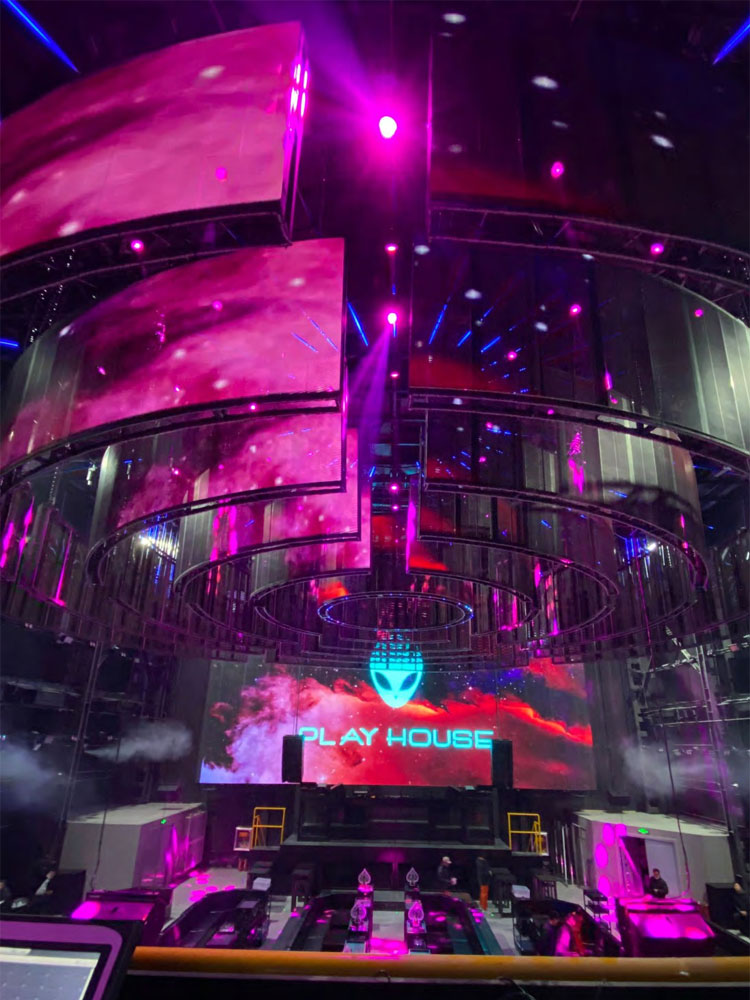
Curved Holographic Transparent LED Display

Curved Holographic Transparent LED Display

Curved transparent LED panels create layered digital visuals while keeping the surrounding space visible. This arrangement illustrates how Holographic Transparent LED Displays can support artistic installations, exhibitions and commercial interiors.

Indoor Transparent LED Display Behind Glass

Indoor Transparent LED Display Behind Glass

A large Indoor Transparent LED Display brings digital content to a glazed building frontage. Installed in a protected interior, it presents visuals to viewers outside while retaining visibility through the display structure.

Outdoor Transparent LED Mesh Display

Outdoor Transparent LED Mesh Display

An Outdoor Transparent LED Mesh Display combines large-format digital content with an open mesh structure. Outdoor projects require the display, supporting structure and weather protection to be selected for the actual site.

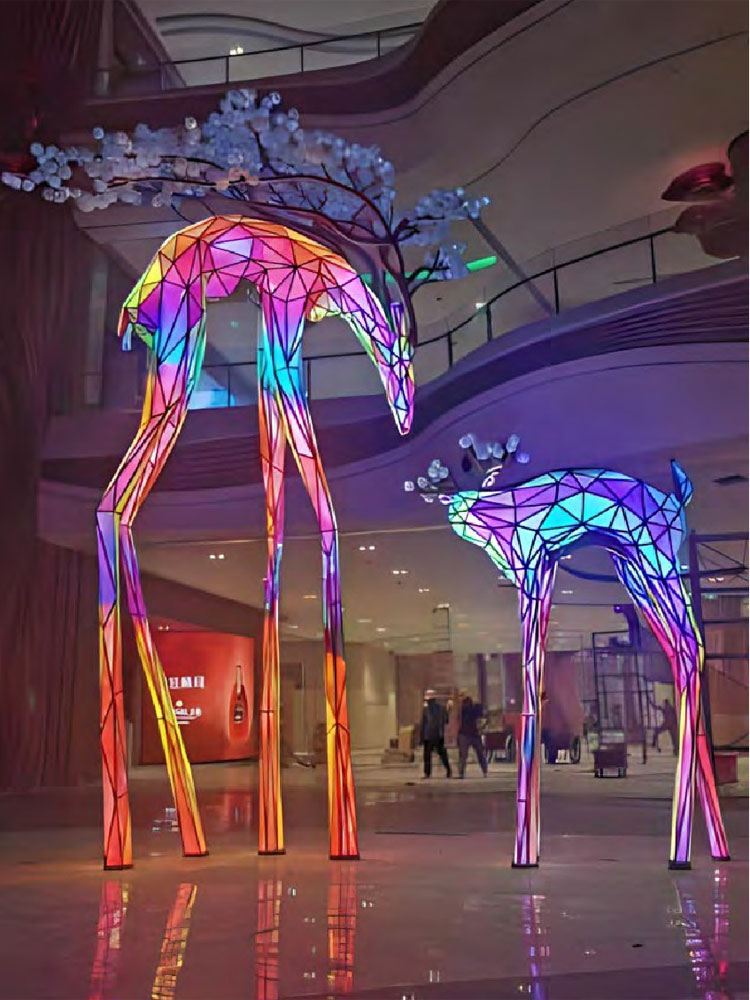
Transparent LED Display for Sculptural Installations

Transparent LED Display for Sculptural Installations

Transparent LED elements follow a sculptural framework to combine digital content with an artistic form. The appropriate film or modular display system depends on the geometry, support surface and required bending radius.

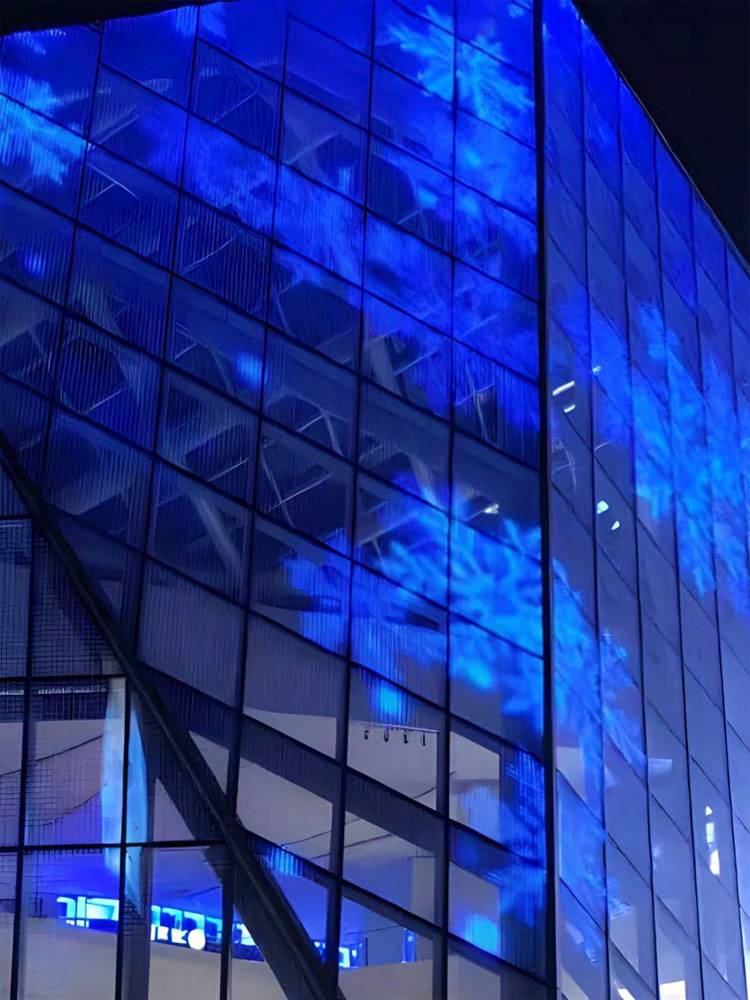
Transparent LED Glass Display for Architectural Facades

Transparent LED Glass Display for Architectural Facades

Blue digital visuals bring a glazed facade to life while leaving parts of the architectural background visible. Transparent LED Glass Display projects coordinate the media layout with the glass grid, structure and maintenance access.

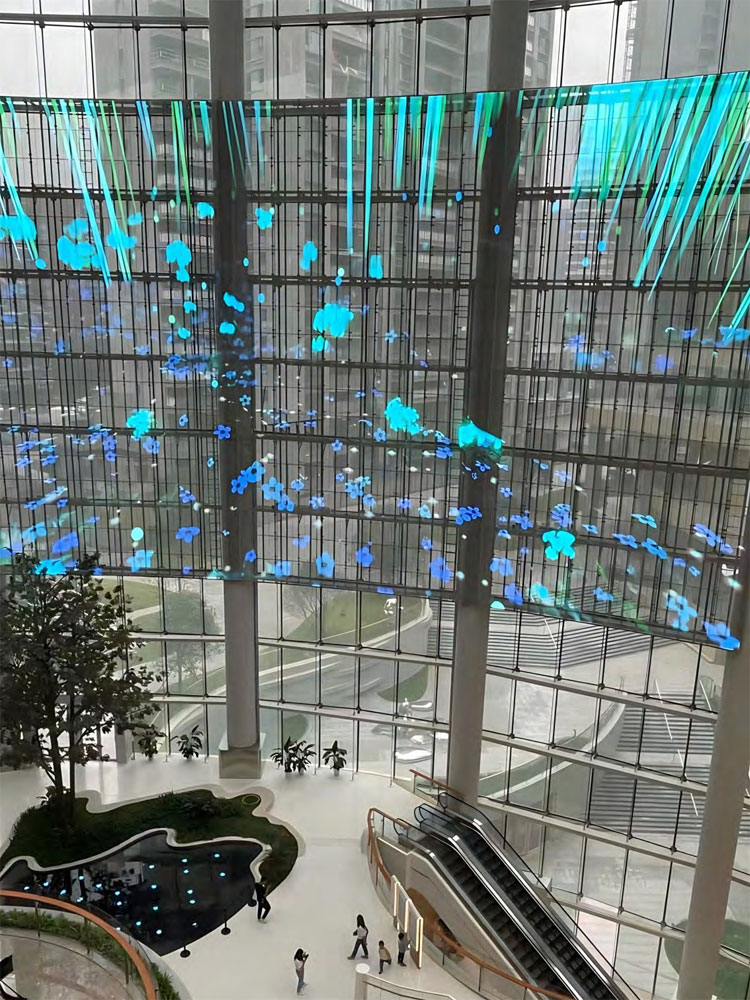
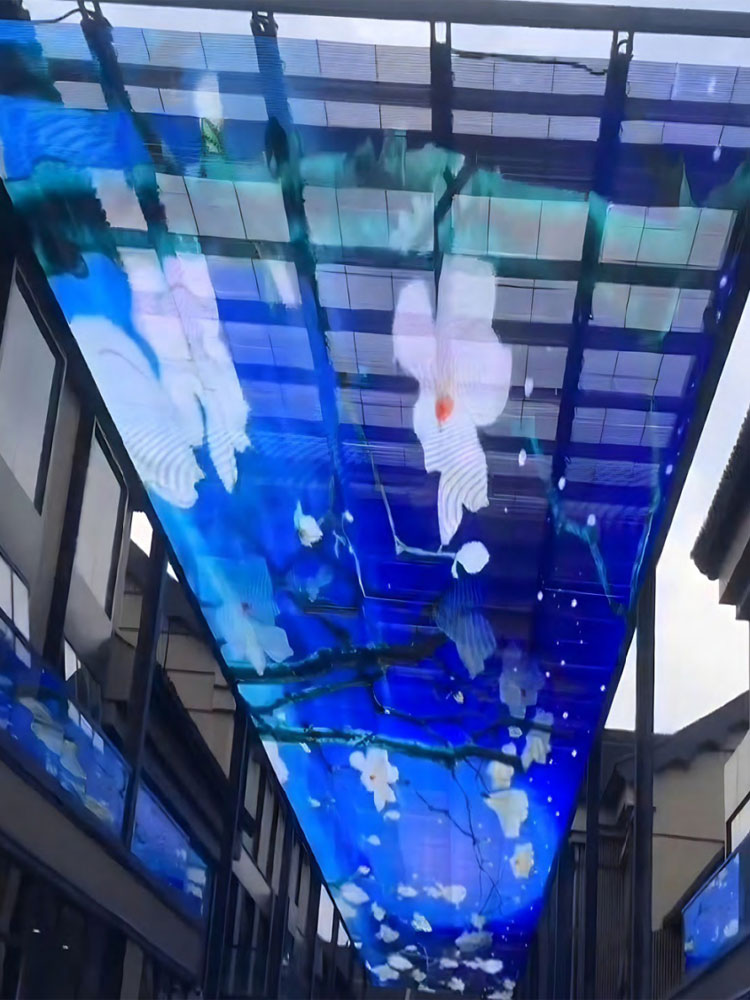
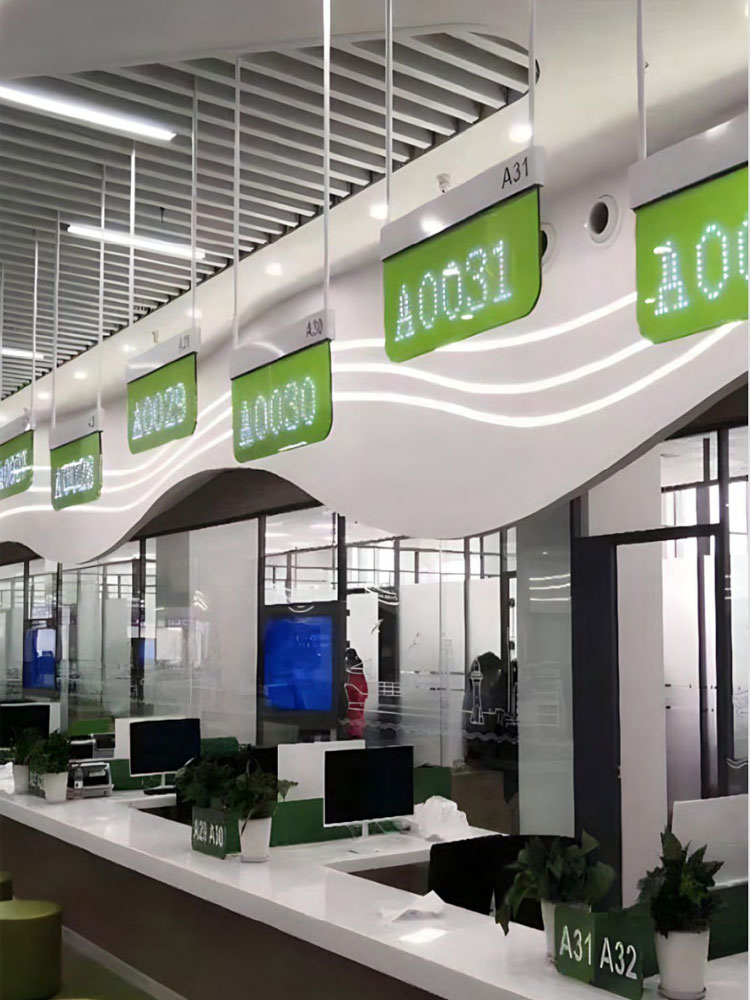
Suspended Transparent LED Displays for Service Areas

Suspended Transparent LED Displays for Service Areas

Suspended transparent displays present information above a service area while keeping the interior visually open. The mounting method and display structure can be matched to the available ceiling support and viewing distance.

Typical Applications

Retail Storefronts

Advertising and product campaigns while keeping products and interiors visible.

Shopping Malls

Windows, atriums, curtain walls, entrances and large commercial media.

Corporate Lobbies

Brand content, welcome visuals, digital art and architectural media.

Museums and Exhibitions

Product storytelling, digital art, special shapes and transparent visual layering.

Automotive Showrooms

Vehicle campaigns and product visuals without blocking the physical display.

Building Facades

Outdoor advertising, landmark content and architectural animation.

Concerts and Stages

Transparent backdrops combining performers, scenery, lighting and video.

Airports and Stations

Brand media, public visuals and large transparent installations.

Artistic and Special-shape Displays

Circular, oval, polygonal, curved, ring-shaped and spatial media structures.

Transparent LED or Another Display Technology?

Display Technology Choose It When Main Limitation
Transparent LED Large visual impact, high brightness, modular scale and partial background visibility matter Not designed for dense close-reading information
Transparent LCD A controlled-light display cabinet, refrigerator, vending machine or product showcase needs detailed imagery Requires backlighting and controlled structure
Transparent OLED Premium indoor image quality, thin design and close viewing matter Limited standard sizes and higher cost
Transparent Micro LED Extremely high-end premium transparent display performance is required Very high cost and limited commercial availability
Traditional Indoor LED Transparency is unnecessary and stronger solid image density is preferred Blocks the background completely
Traditional Outdoor LED An opaque outdoor video wall is acceptable and maximum solid visual impact is required No transparency or architectural openness

Transparent LED Content Strategy

Recommended Content

  • Large product and brand visuals
  • Dynamic logos and advertising animation
  • Digital art, particles and natural themes
  • Short promotional messages
  • Event and stage motion graphics
  • Architectural and facade animation
  • Content designed around visible products or backgrounds
Design for the Actual Screen

Content should match the screen shape, pixel pitch, viewing distance, transparency and visible background.

Avoid

Small text, long paragraphs, dense menus, detailed charts, thin technical lines, mobile interfaces and content that requires close reading.

How to Select a Transparent LED Display

1

Confirm the Supporting Surface

Flat glass, curved glass, frame, facade, truss, base or custom spatial structure.

2

Confirm the Environment

Indoor, outdoor, sheltered window-facing, behind glass or temporary event use.

3

Define Viewing Distance

Close, medium and long viewing require different pitch and product structures.

4

Define the Visual Priority

Transparency, image detail, brightness, minimal obstruction, outdoor strength or rental efficiency.

5

Confirm Control and Content

Media player, CMS, synchronized screens, video processor or live event workflow.

6

Plan Installation and Maintenance

Structure, power, cables, controller, access, local responsibility and spare parts.

Engineering and System Review

  • Transparent LED product selection
  • Application and viewing-distance review
  • Glass and installation-surface review
  • Flat, curved and special-shape layout
  • Screen-size and resolution planning
  • Pixel pitch and transparency review
  • Indoor, window-facing and outdoor brightness
  • Frame, cabinet and facade interface
  • Hanging, stacking and rental structure
  • Power-load planning
  • Controller and video-input selection
  • CMS and remote-content review
  • Power and signal cable routing
  • Front or rear maintenance planning
  • Waterproofing and drainage coordination
  • Rigging and event-operation review
  • Custom-shape pixel mapping
  • Packaging, cases and shipping
  • Spare-parts planning
  • Project feasibility and quotation preparation
Local Engineering and Installation Responsibility

Building structure, glass, wind load, rigging, lifting, electrical work, waterproofing, permits and final installation safety must be handled or approved by qualified local professionals.

What Information Should You Provide?

Application and Environment

  • Retail, mall, showroom, facade, museum or stage
  • Indoor, outdoor, protected or temporary
  • Fixed installation or repeated rental use
  • Sunlight, rain, glass reflection or stage lighting
  • Who will install the display locally

Screen and Structure

  • Required width, height and total display area
  • Viewing distance and audience direction
  • Flat glass, curved glass, frame, facade or truss
  • Available depth and supporting points
  • Power, controller and maintenance access

Content and Commercial

  • Video, advertising, art or event content
  • Playback, CMS, synchronization or live input
  • Quantity and repeat-order potential
  • Budget, destination and schedule
  • Sample, prototype or complete project requirement

Related Transparent LED Solutions

Solution Page Project Direction
Transparent LED Solutions Application-based Transparent LED overview
Transparent LED Retail Window Solution Storefront, glass and brand-display planning
Transparent LED Facade Solution Storefront, mall and commercial facade selection
Transparent LED Event Backdrop Solution Stages, exhibitions and event visual systems
Architectural Transparent LED Wall Solution Permanent building and curtain-wall integration
Transparent LED vs Transparent LCD Select the correct technology for application and viewing
Decorative vs Informational Transparent Displays Understand visual-media and close-reading use cases
OEM/ODM Display Engineering & Prototyping Custom engineering, prototypes and paid development programs
TRANSPARENT LED FAMILY

Explore Transparent LED Display Types

FAQ

What is a Transparent LED Display?

A Transparent LED Display uses spaced LED pixels, strips or modules to show digital content while leaving open areas through which the background remains partly visible.

Are all Transparent LED Displays installed on glass?

No. Film and flexible-film products normally use glass or another suitable surface. Holographic, Indoor, Outdoor Mesh and Rental Transparent LED products can use their own frame, hanging or structural systems.

Which Transparent LED product is best for flat glass?

Transparent LED Film Display is normally the first route to review for flat storefront glass. Holographic Transparent LED Display or Indoor Transparent LED Display may be more suitable when a separate lightweight or framed structure is required.

Which product is best for curved glass or columns?

Flexible Transparent LED Film Display is normally the first route to review. Final suitability depends on the curvature, bending direction, segmentation, supporting surface and installation method.

Which product is best for premium indoor visual effects?

Holographic Transparent LED Display is designed for visually minimal, lightweight and premium indoor Transparent LED installations.

Which product is best for architectural glass?

Transparent LED Glass Display is the main route when the display is coordinated with permanent architectural glass and facade structure.

Which product is best for shopping malls and indoor curtain walls?

Indoor Transparent LED Display is normally the structured cabinet-based route. Film, Flexible Film and Holographic products may also be reviewed depending on the glass, viewing distance and installation depth.

Which product is best for outdoor building facades?

Outdoor Transparent LED Mesh Display is normally the principal route for exposed outdoor facades. Transparent LED Glass Display may be reviewed for architectural glass-integrated projects.

Which product is best for stages and exhibitions?

Rental Transparent LED Display is designed for repeated transport, quick assembly, hanging, stacking and temporary event use.

What are Custom Transparent LED Displays?

They are usually special-shape and structural projects—such as circular, oval, polygonal, curved, ring-shaped or artistic displays—built around an existing Transparent LED platform.

Can a completely new Transparent LED module be developed?

It may be evaluated after a formal feasibility review, but it is a paid platform-development program requiring NRE, tooling, suitable MOQ, prototypes, engineering resources and a realistic validation schedule. Feasibility is not guaranteed.

Is the highest transparency always the best choice?

No. Transparency must be balanced with pixel pitch, image density, brightness, structure, viewing distance and content.

Can Transparent LED Displays show small text and documents?

Most Transparent LED products are better for large visual content than close reading. Small text, documents, detailed charts and interface pages should be avoided.

Can Transparent LED Displays be used outdoors?

Only products designed and confirmed for outdoor use should be exposed to rain, wind and sunlight. Indoor or film-type products should not be moved outdoors without a full engineering review.

How are Transparent LED Displays controlled?

Depending on the product and project, control may include a media player, PC or HDMI input, LED sending and receiving cards, video processor, synchronous or asynchronous control, CMS, remote updates and multi-screen synchronization.

What content works best?

Large high-contrast advertising, product visuals, dynamic logos, digital art, event animation and short messages designed for the real screen shape and viewing distance work best.

Can DisplayMan provide installation?

DisplayMan provides product selection, configuration and remote technical coordination. Local structure, glass, lifting, mounting, electrical work, waterproofing, permits and on-site installation are normally handled by qualified local contractors.

What information is needed for a quotation?

Please provide the application, screen dimensions, viewing distance, site photos or drawings, installation surface, indoor or outdoor conditions, fixed or rental use, content, control method, maintenance access, quantity, budget, destination and schedule.

Which Transparent LED Display Is Right for Your Project?

Send us the application, screen dimensions, viewing distance, site photos or drawings, installation surface, indoor or outdoor conditions, fixed or rental use, content, control method, maintenance access, quantity, budget, destination and schedule.
We will review the site, viewing distance and visual priorities, then recommend a suitable display type, layout, control system and installation approach.

The correct Transparent LED product is selected from structure and application first—not from one universal transparency, brightness or pixel-pitch number.

Send Your Display Requirement

Please share your application, display size, quantity and project background. We will review the most practical display direction.