XR LED Display FAQ
What is an XR LED Display?
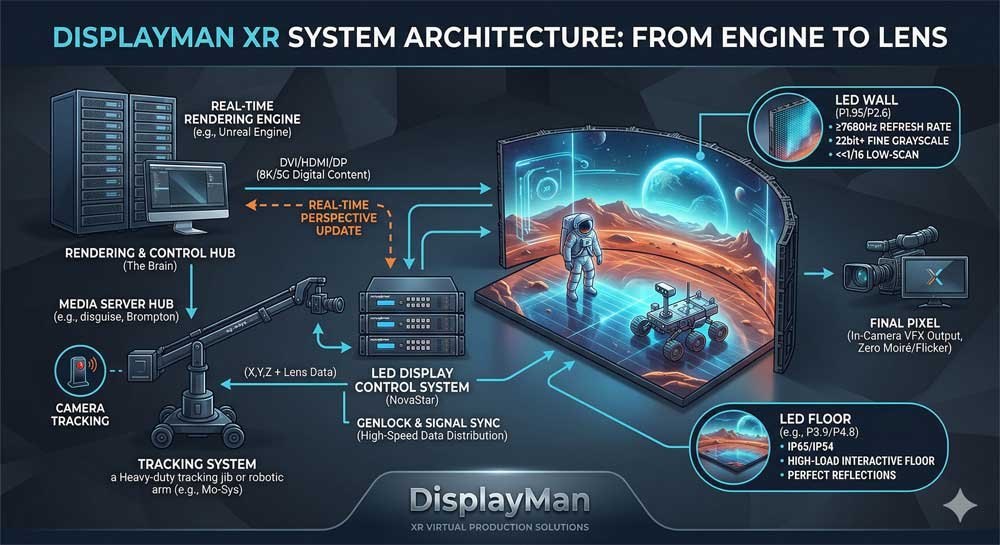
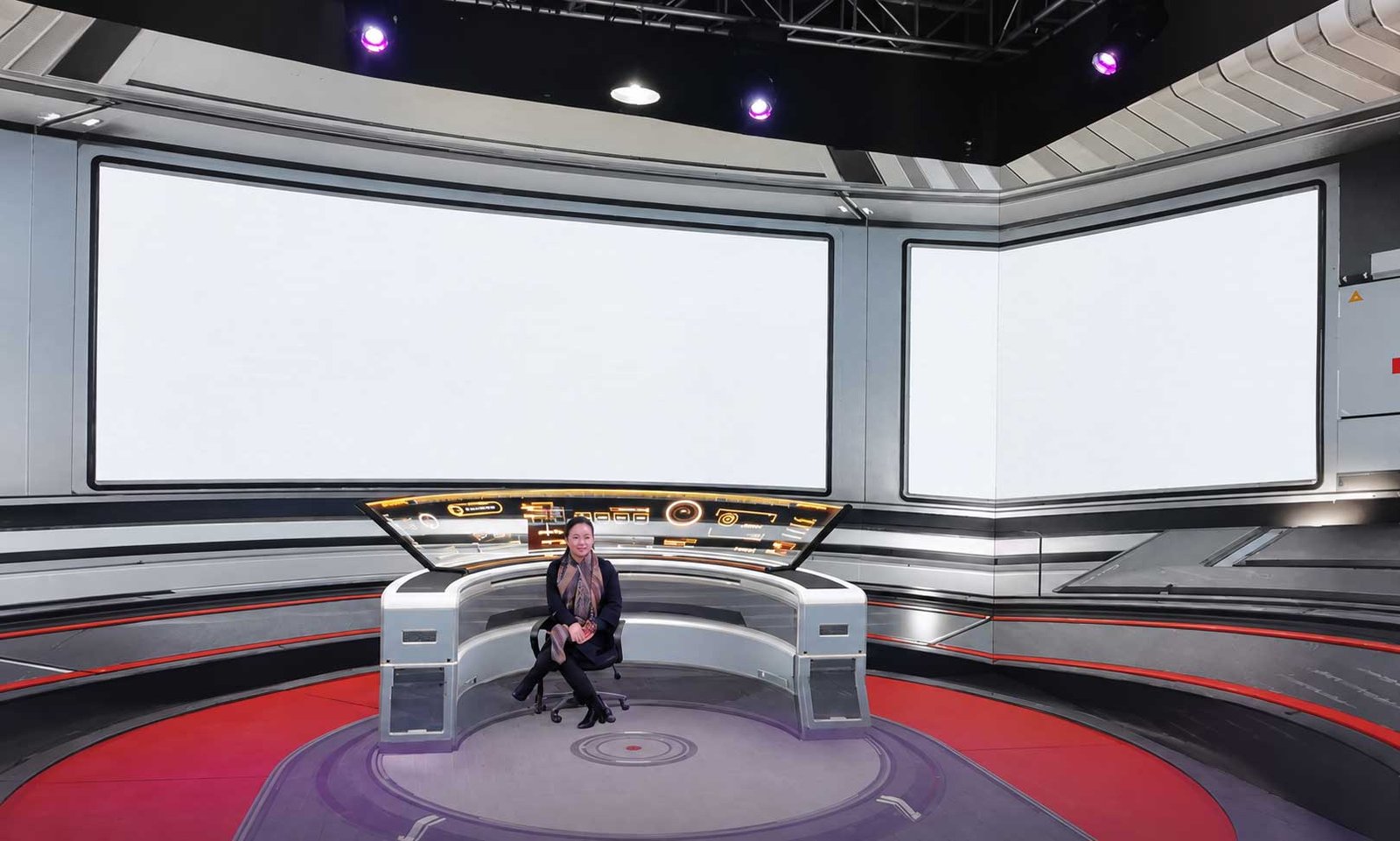
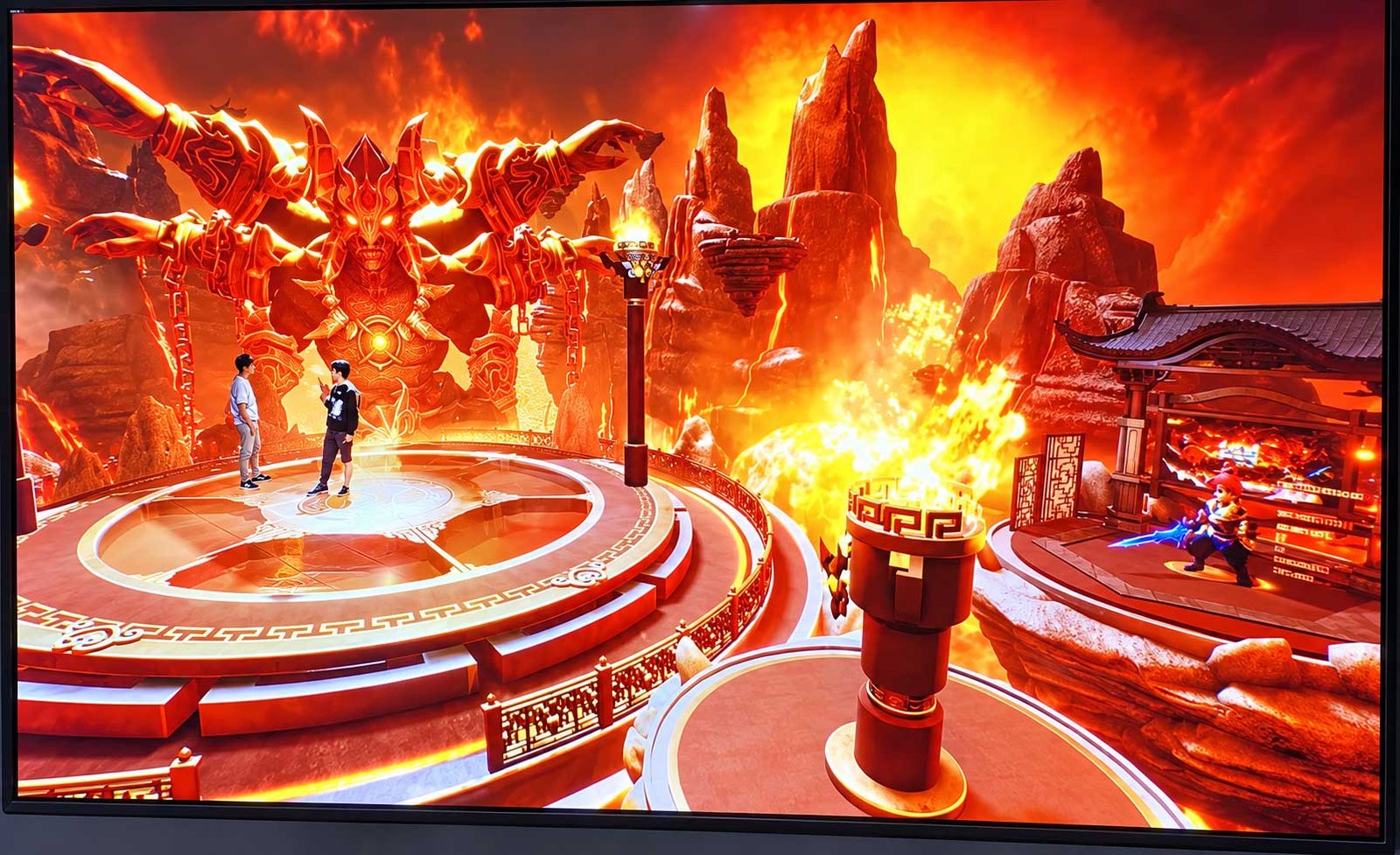
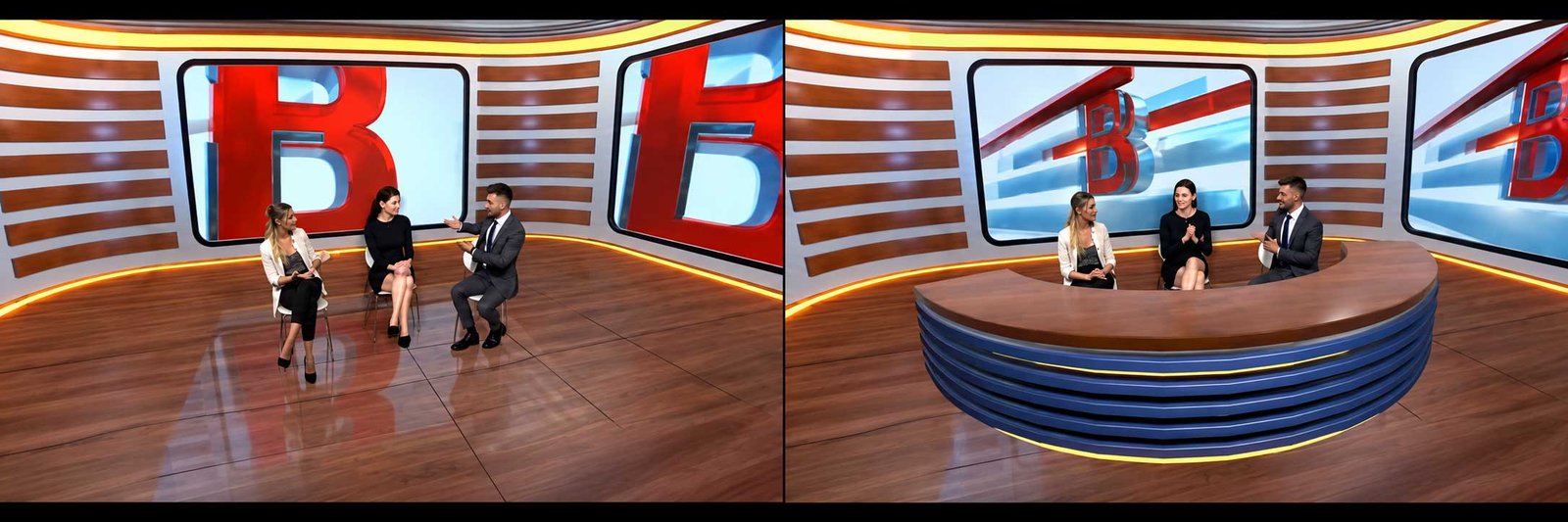
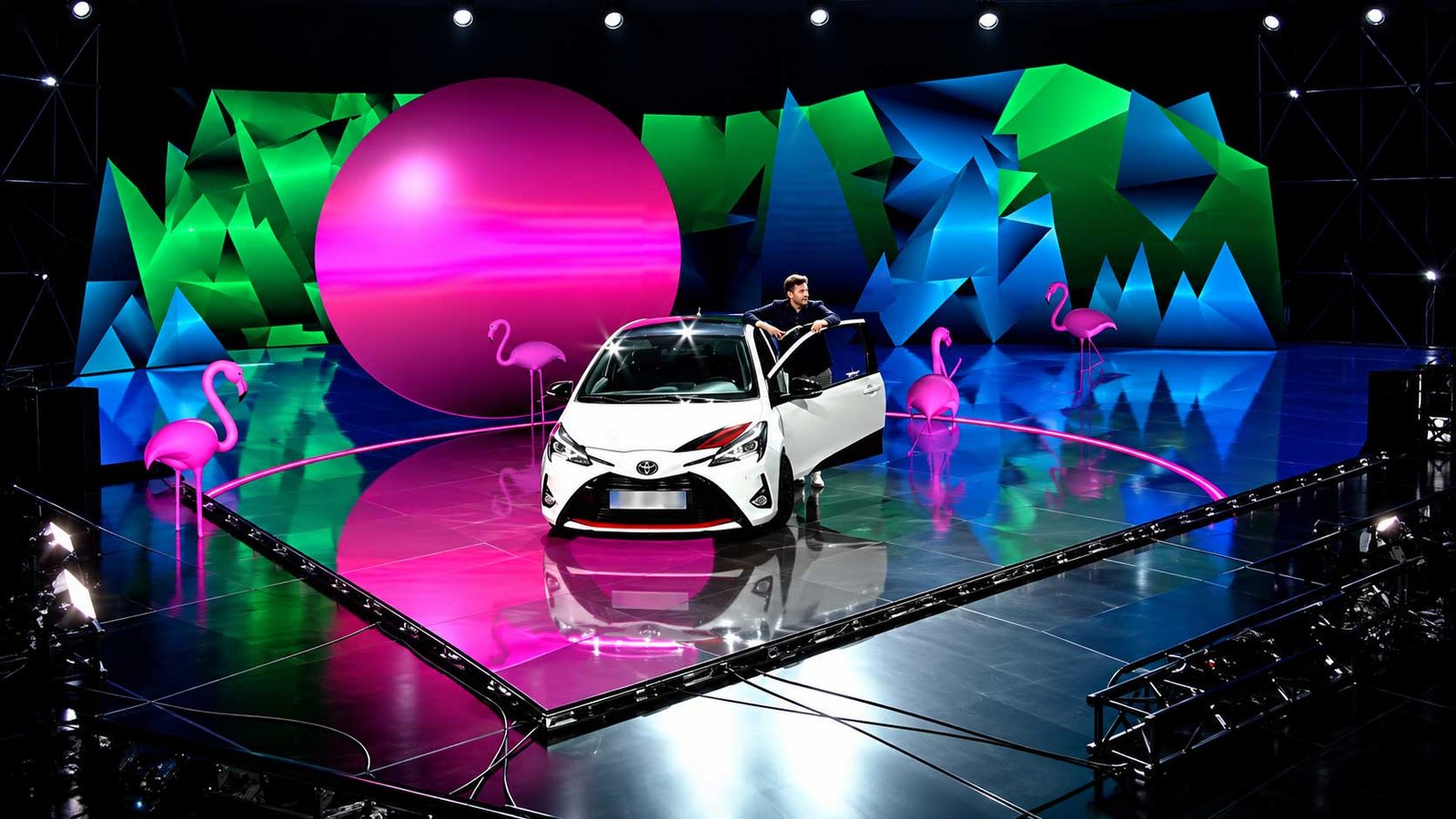
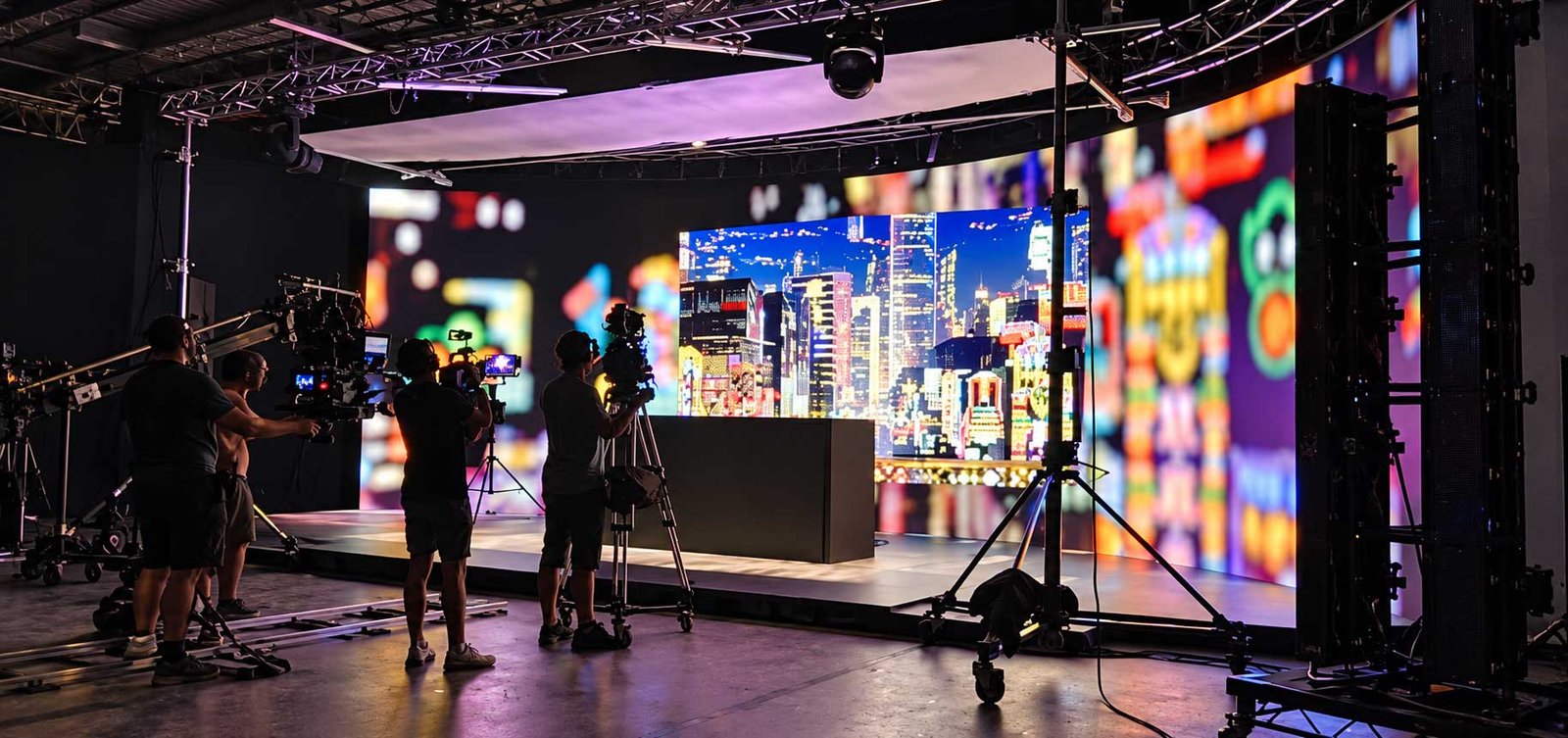
An XR LED Display is a professional LED display system used in virtual production, broadcast and other camera-facing environments. It is reviewed together with processor, camera, lens, media server, synchronization and content workflow.
Is XR LED the same as a normal LED video wall?
No. XR LED requires stricter review of refresh rate, scan mode, grayscale, Genlock, color calibration, moiré risk, camera settings and the complete production workflow.
What pixel pitch should I choose for XR LED?
It depends on camera distance, wall size, lens, camera sensor, content and budget. P1.95 is a strong direction for closer camera distances; P2.6 is often practical for medium and larger XR volumes.
Is P1.95 always better than P2.6?
No. P1.95 provides higher pixel density but costs more. P2.6 may be more efficient when the camera is farther from the wall or the total LED volume is larger.
Does XR LED need 7680Hz refresh rate?
A ≥7680Hz direction can be useful for selected XR configurations, but refresh rate alone does not guarantee camera performance. Scan mode, shutter, frame rate, processor, grayscale and synchronization must also be reviewed.
Does XR LED need Genlock?
For professional XR and broadcast workflows, Genlock is often important. It should be reviewed together with the processor, media server, camera and production frame-rate architecture.
What causes moiré on XR LED screens?
Moiré can result from interaction between the camera sensor and the LED pixel structure. Pixel pitch, camera distance, lens, aperture, focus, viewing angle and mask design all affect the risk.
Can fine pixel pitch completely eliminate moiré?
No. A finer pitch can help in some setups, but it does not eliminate the need for camera-distance and lens review. Professional XR projects should include camera testing where possible.
Can Rental LED Displays be used for XR?
Some high-performance rental systems can support camera-facing work, but a normal rental screen should not automatically be treated as XR-ready. The complete display and control workflow must be reviewed.
Can Indoor Fine Pitch LED be used for XR?
Some indoor fine-pitch hardware may be suitable, but XR requires additional camera-specific review of refresh, scan, moiré, Genlock, calibration and production workflow.
What is an XR LED floor?
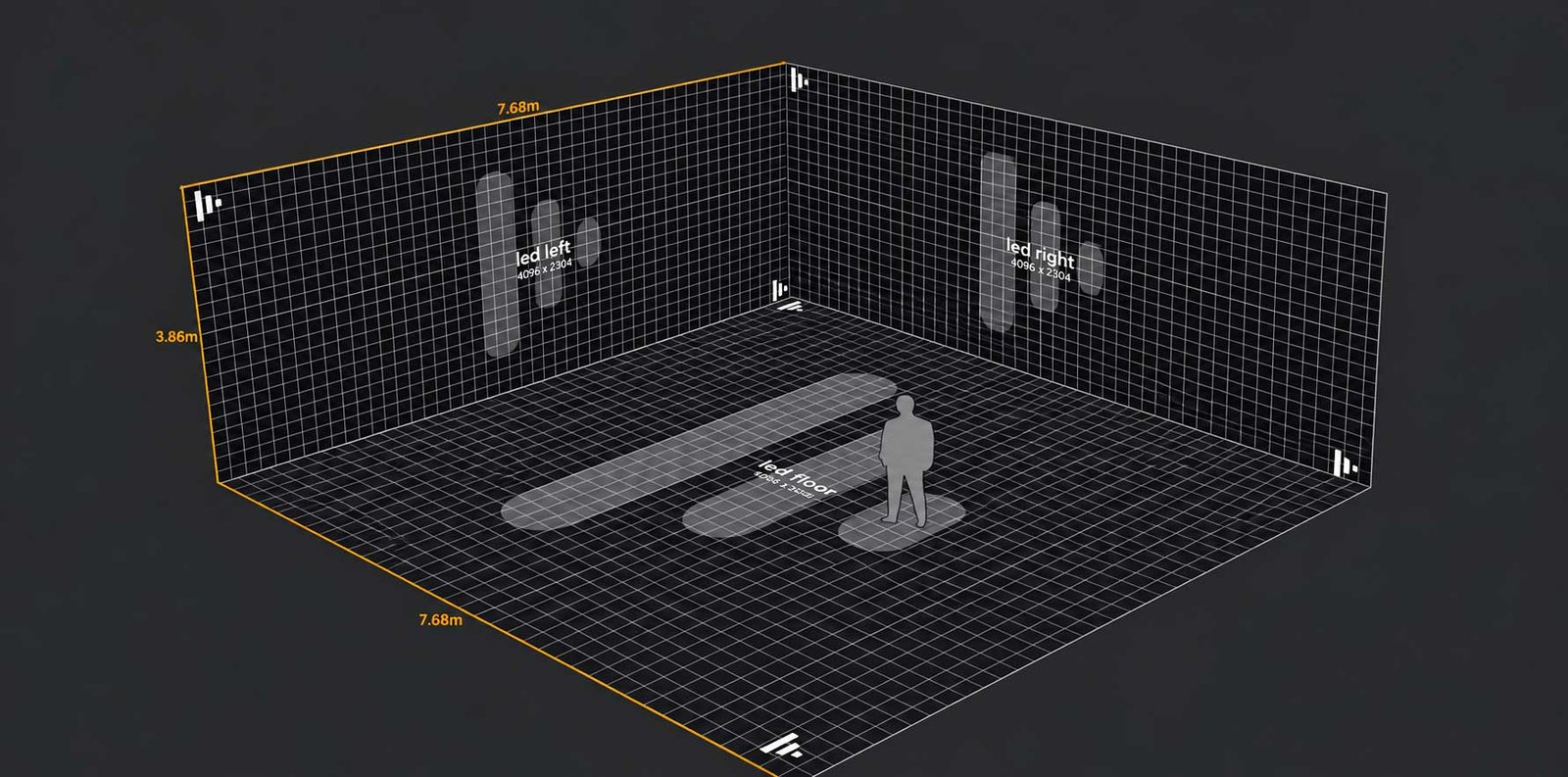
An XR LED floor extends the virtual scene onto the ground plane and can provide visual continuity and reflections. It requires load-bearing, protection, anti-slip, safety and camera-angle review.
Do I need an XR ceiling?
Not always. Ceiling / lighting panels are project-dependent and may support ambient scene color, reflections and lighting consistency.
Can XR LED completely replace green screen?
No. XR LED and green screen serve different production workflows. The right choice depends on budget, scene requirements, crew experience, post-production workflow and whether real-time in-camera backgrounds provide enough value.
Can DisplayMan provide a complete XR studio?
DisplayMan can supply XR LED display hardware and support project-based display/control-system review. A complete XR studio may also require camera tracking, rendering, media-server workflow, studio design and local integration partners.
What information is needed for quotation?
Provide studio type, LED wall size, camera model, lens information, closest camera distance, preferred pitch if known, floor/ceiling requirement, Genlock requirement, media server/control requirements, installation condition, quantity, schedule and target budget range if available.