FAQ
What is a Holographic Transparent LED Display?
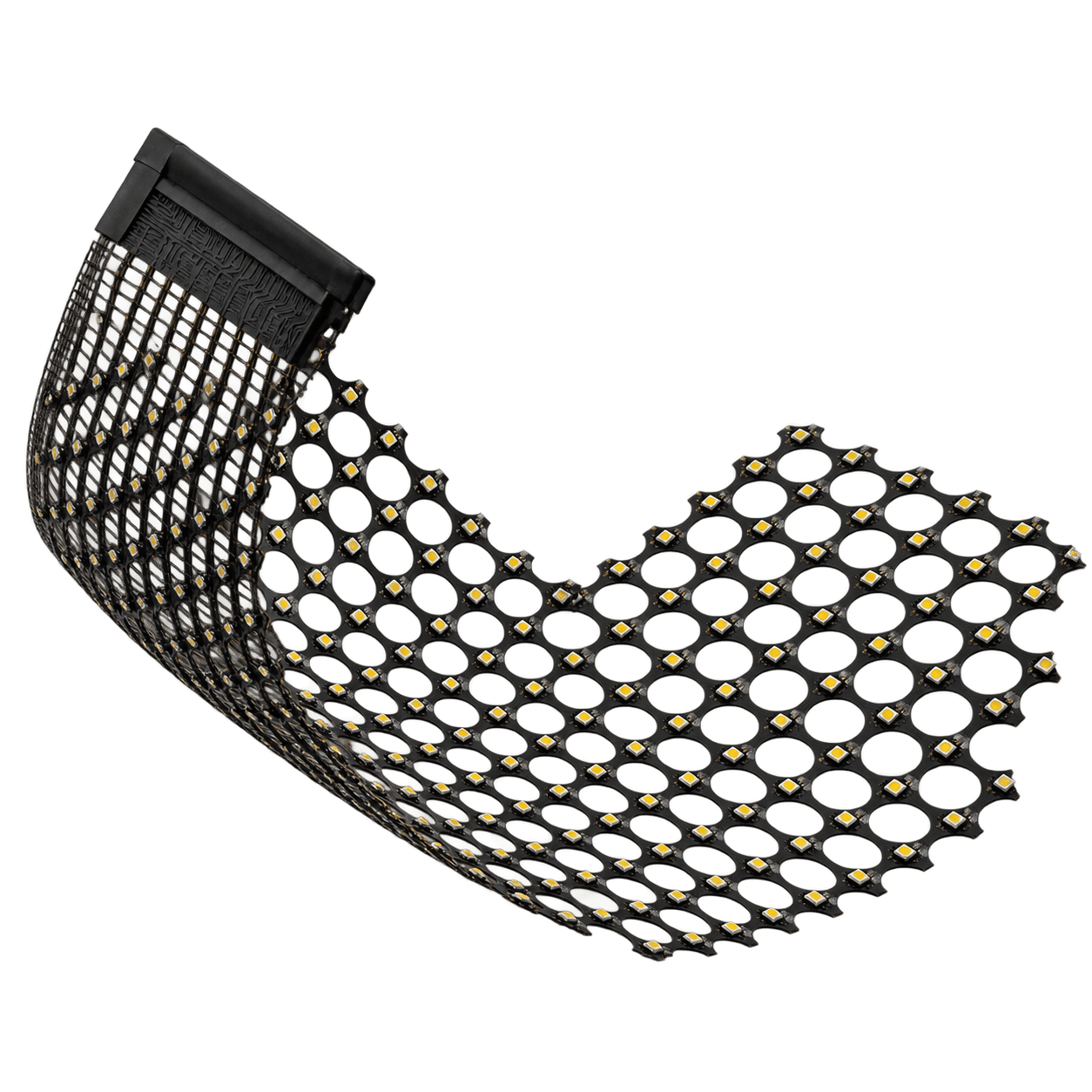
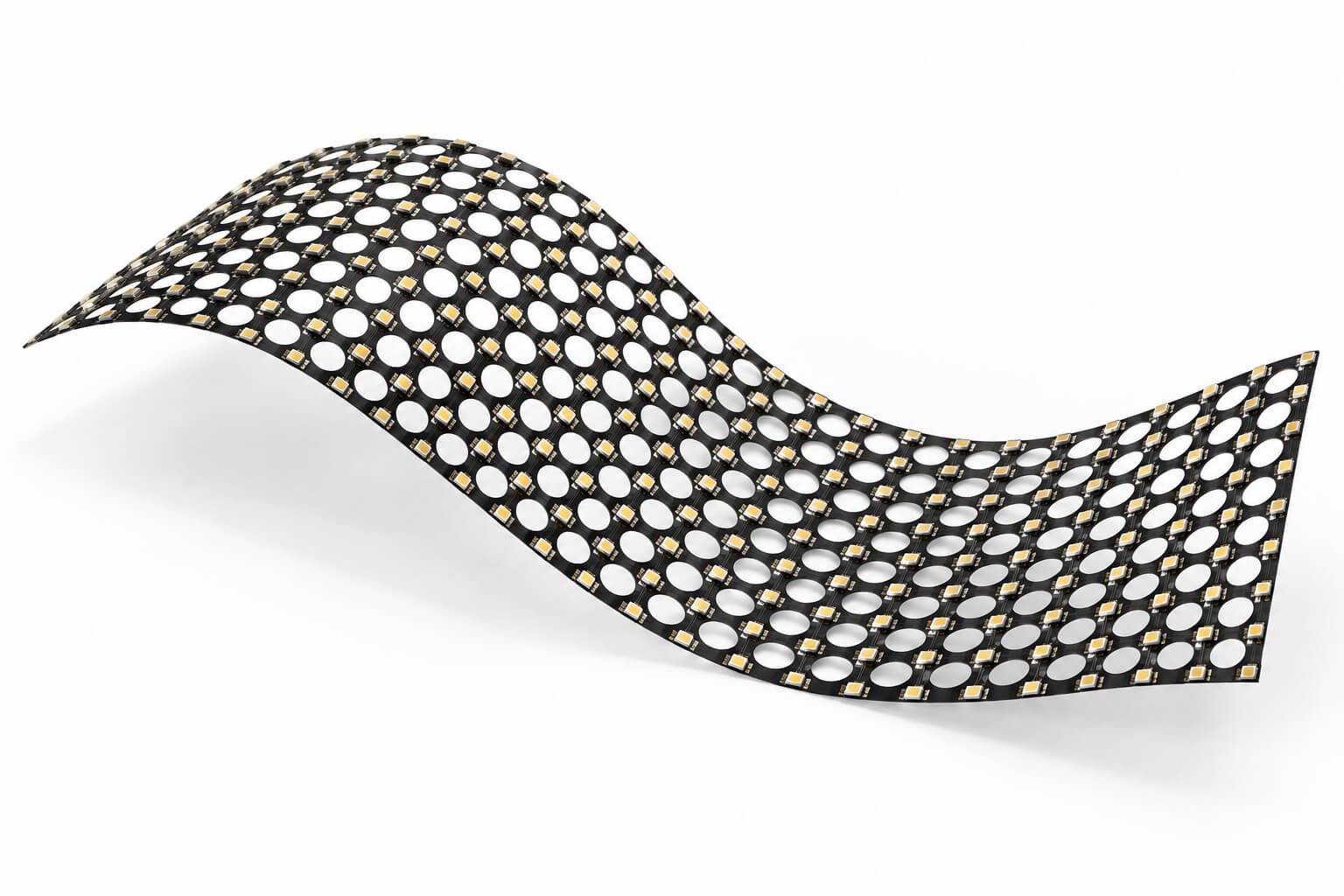
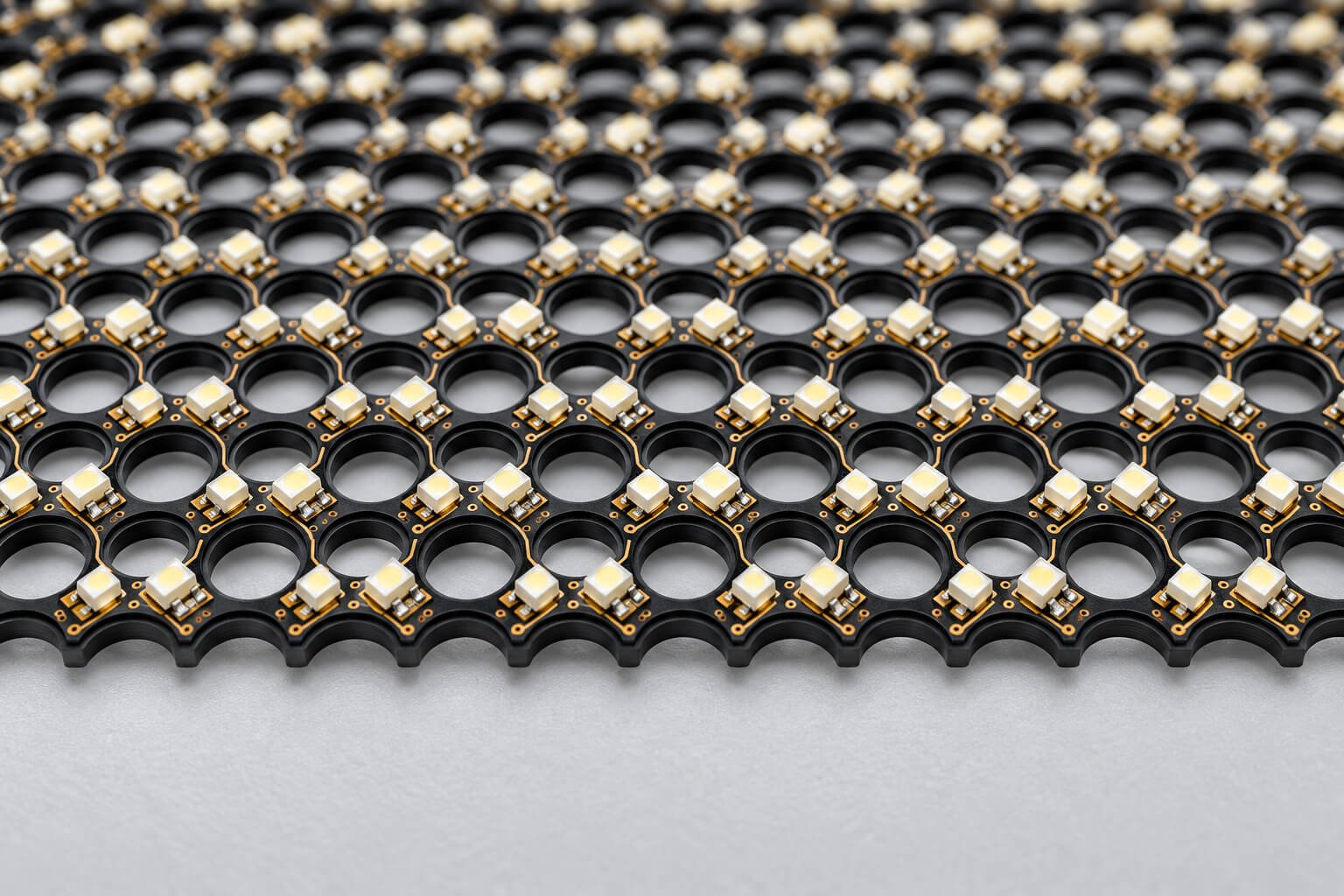
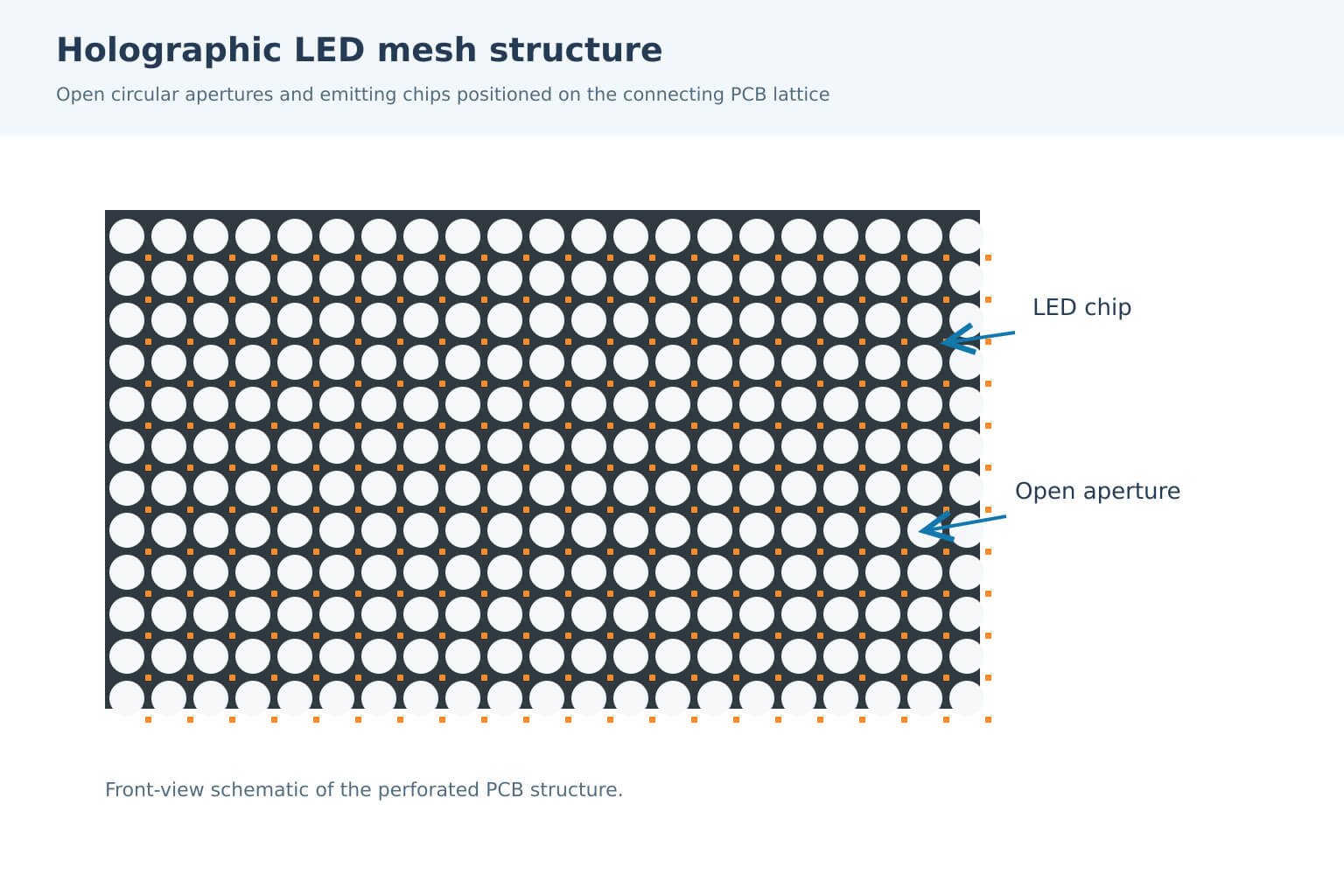
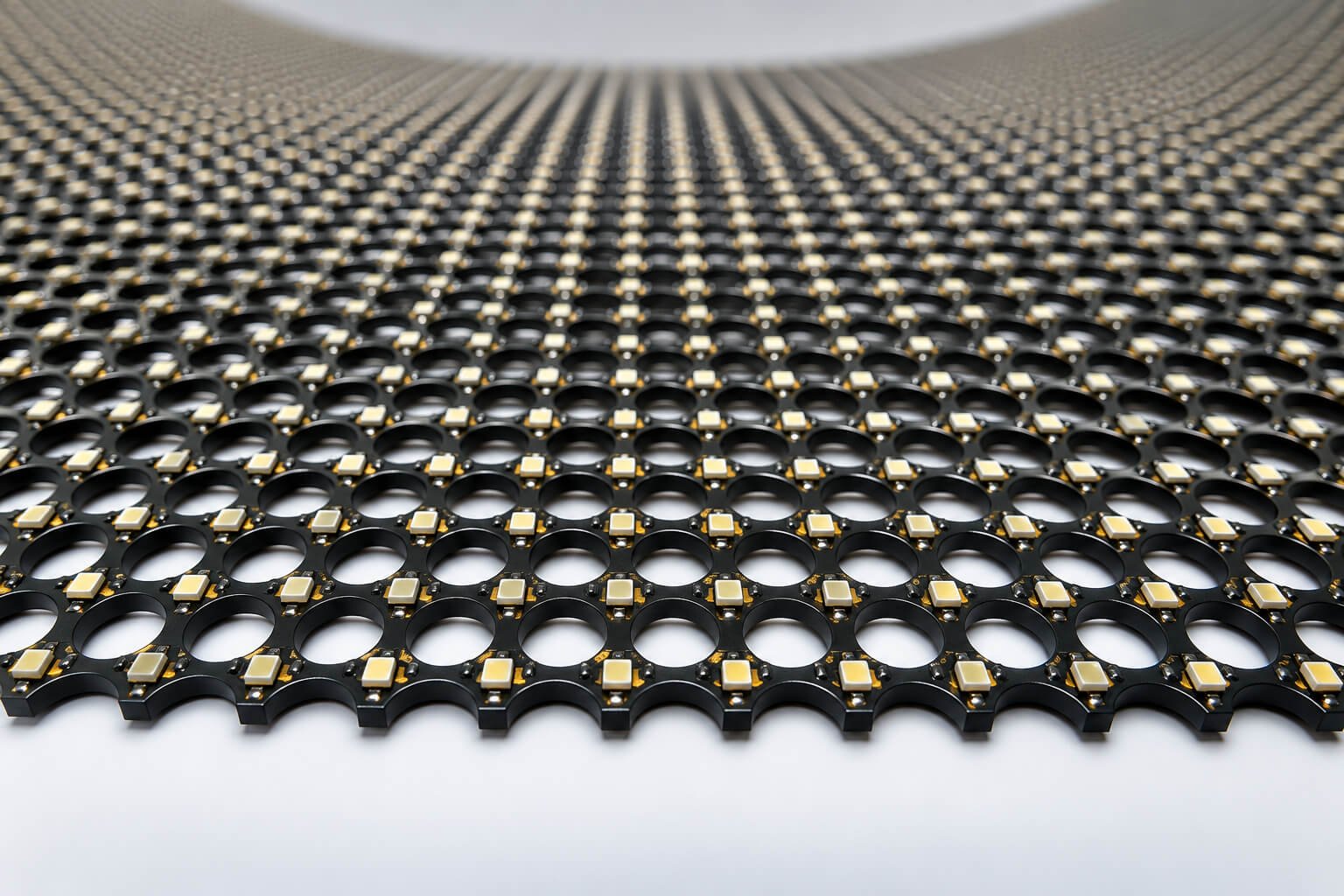
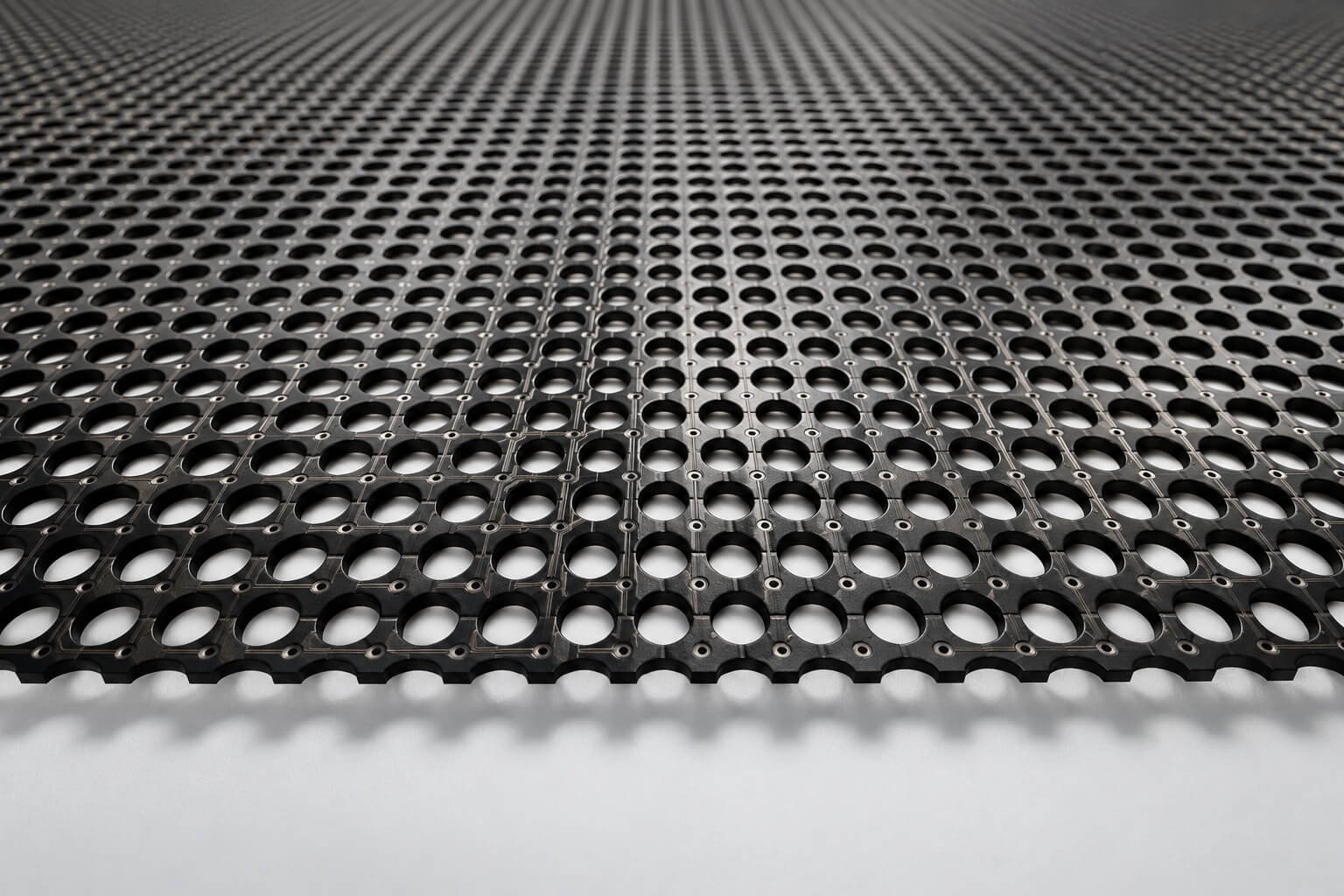
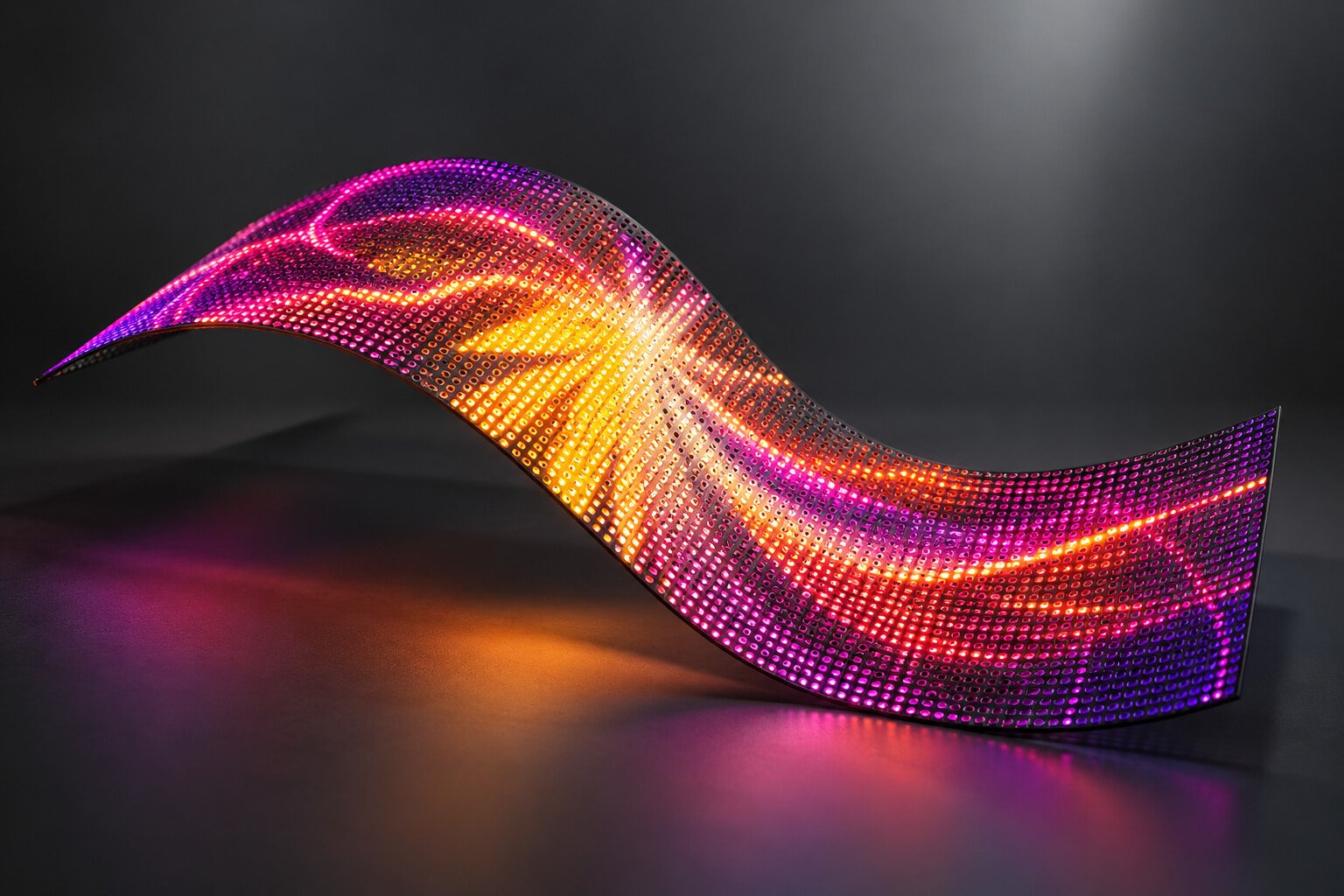
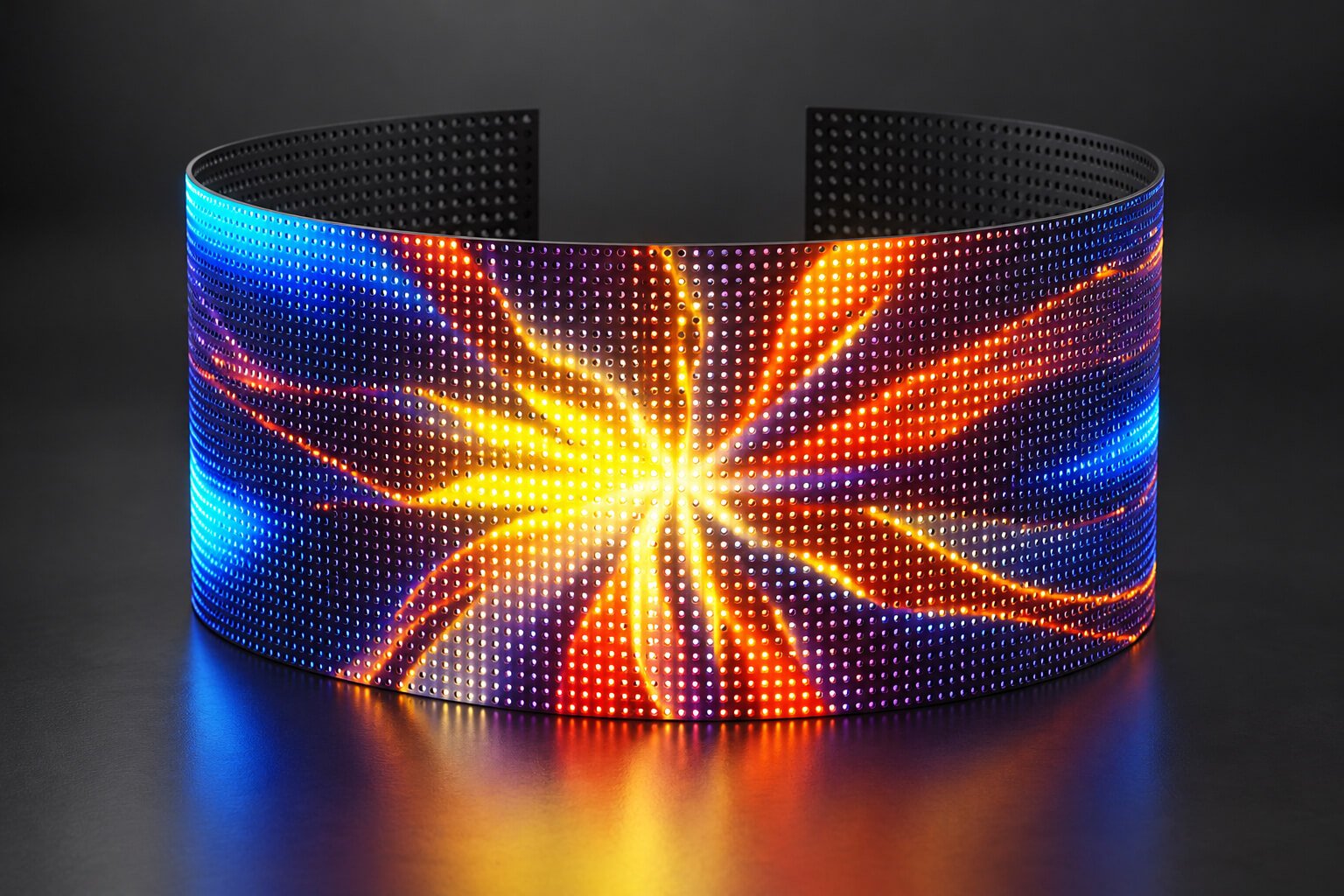
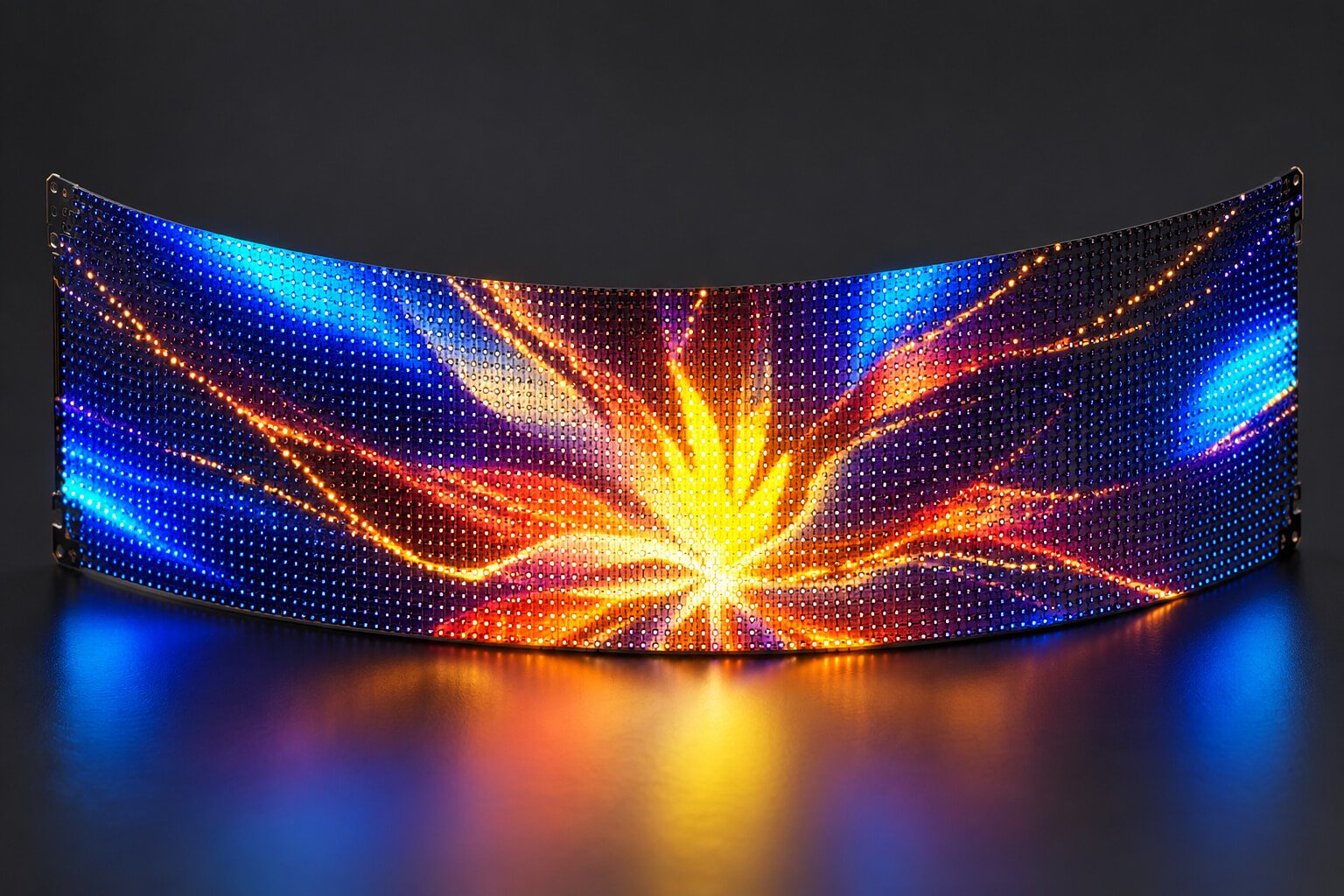
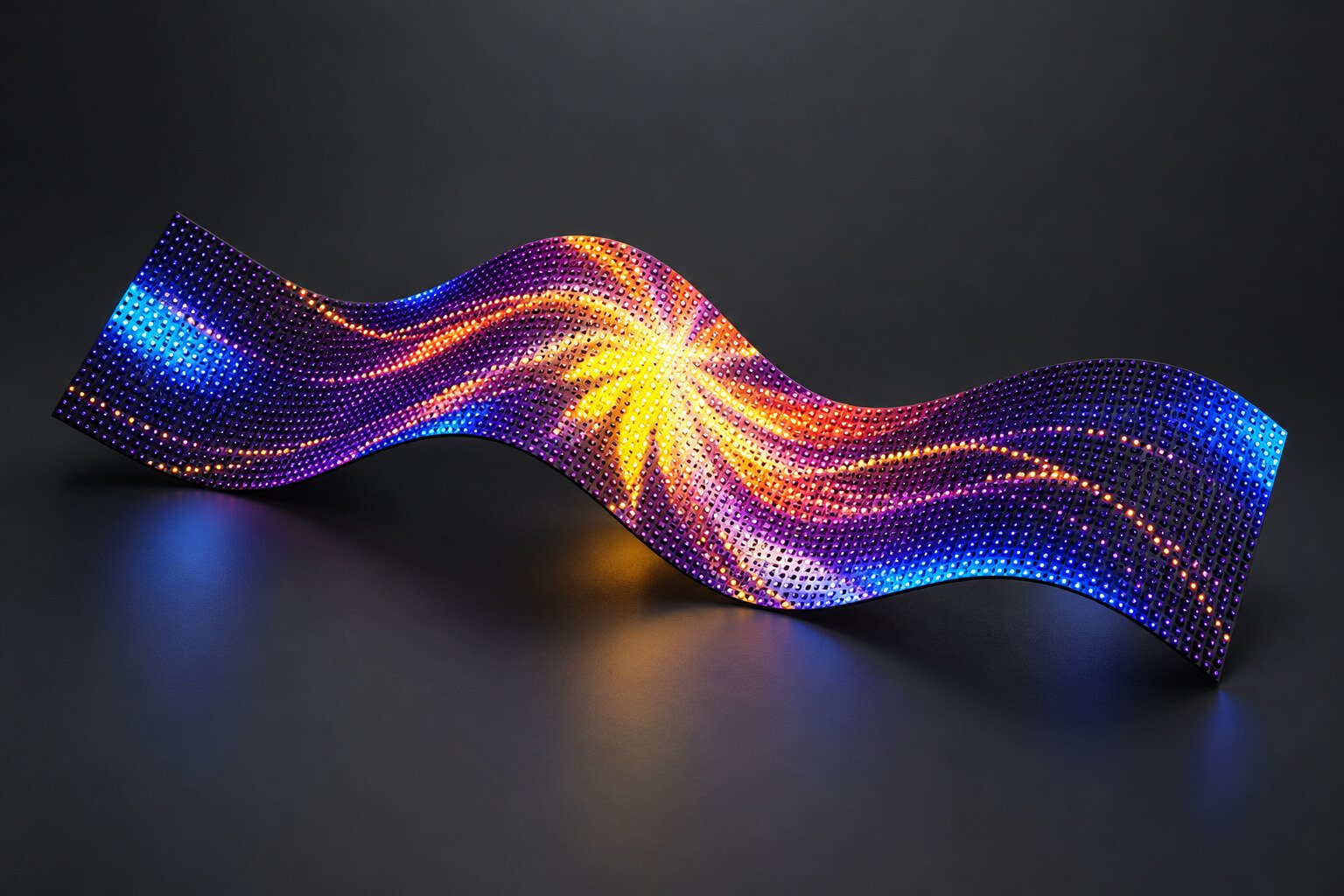
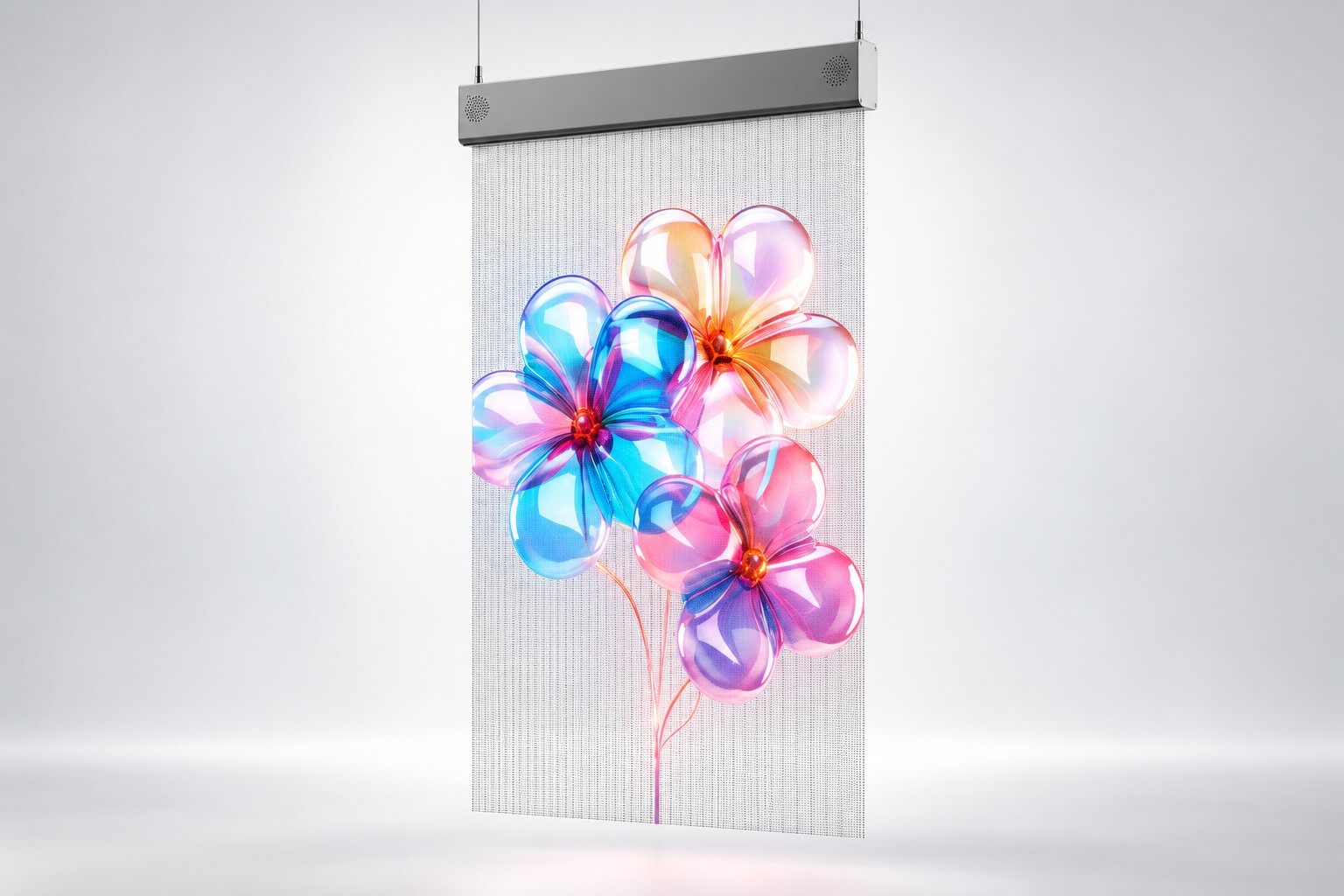
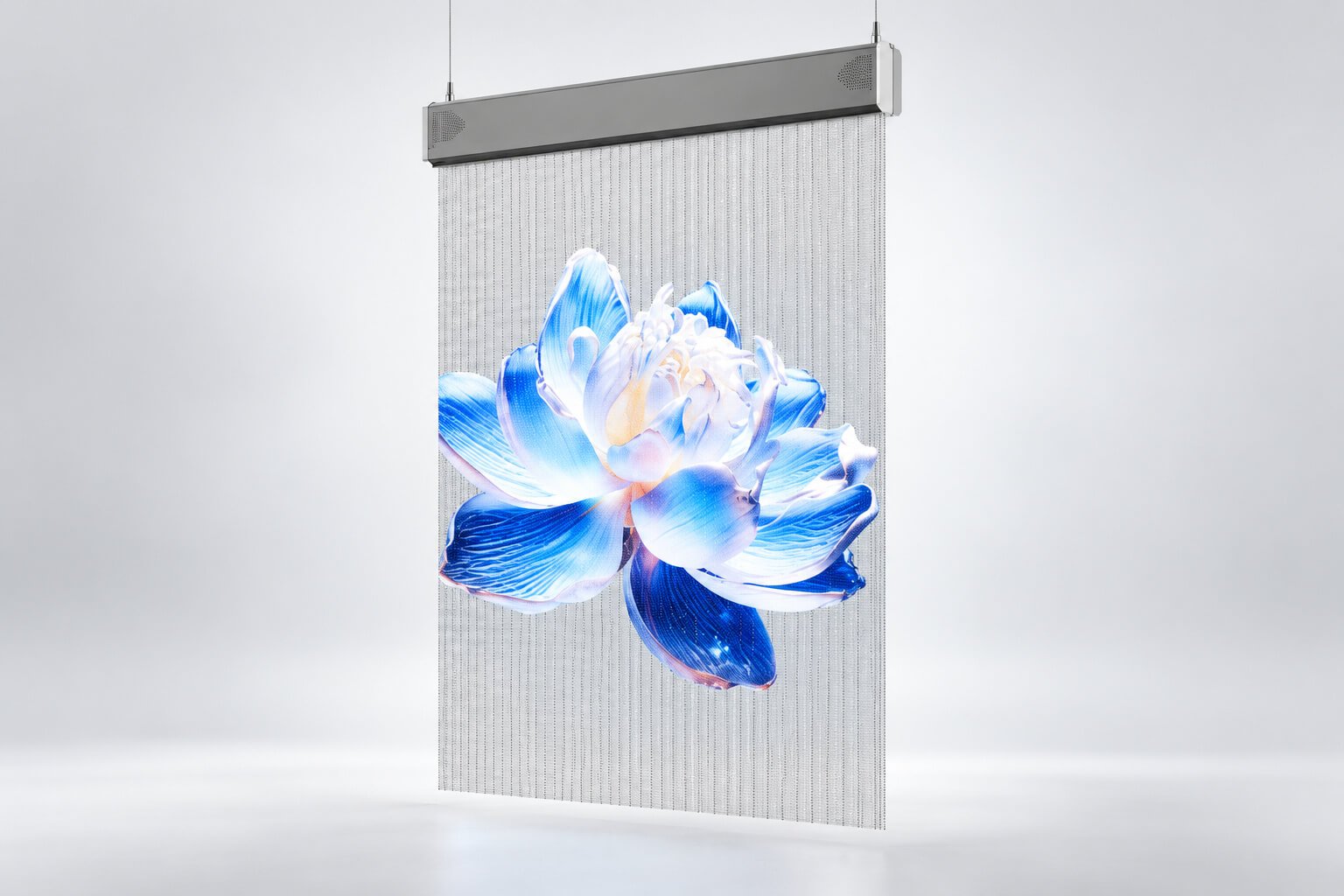
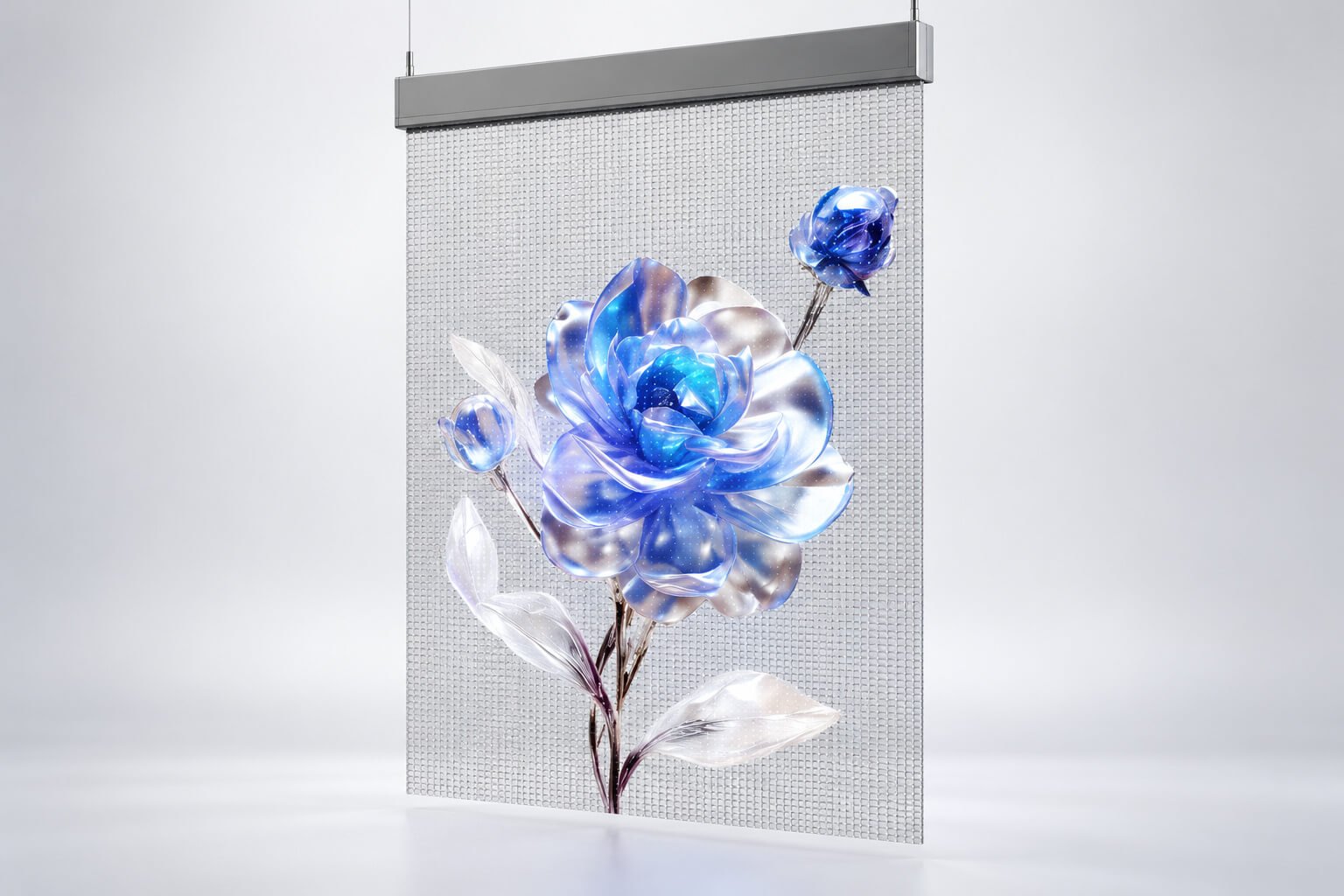
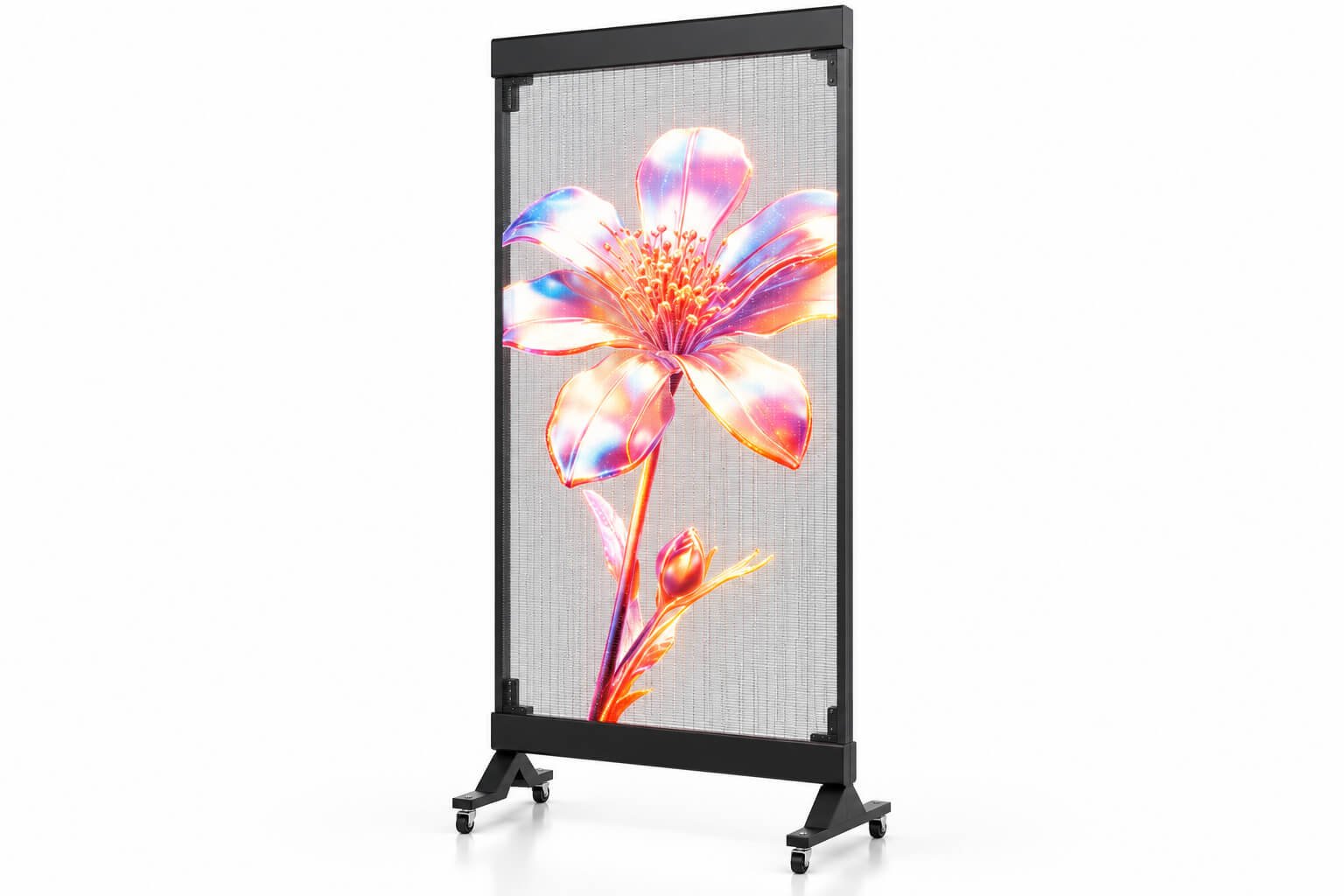
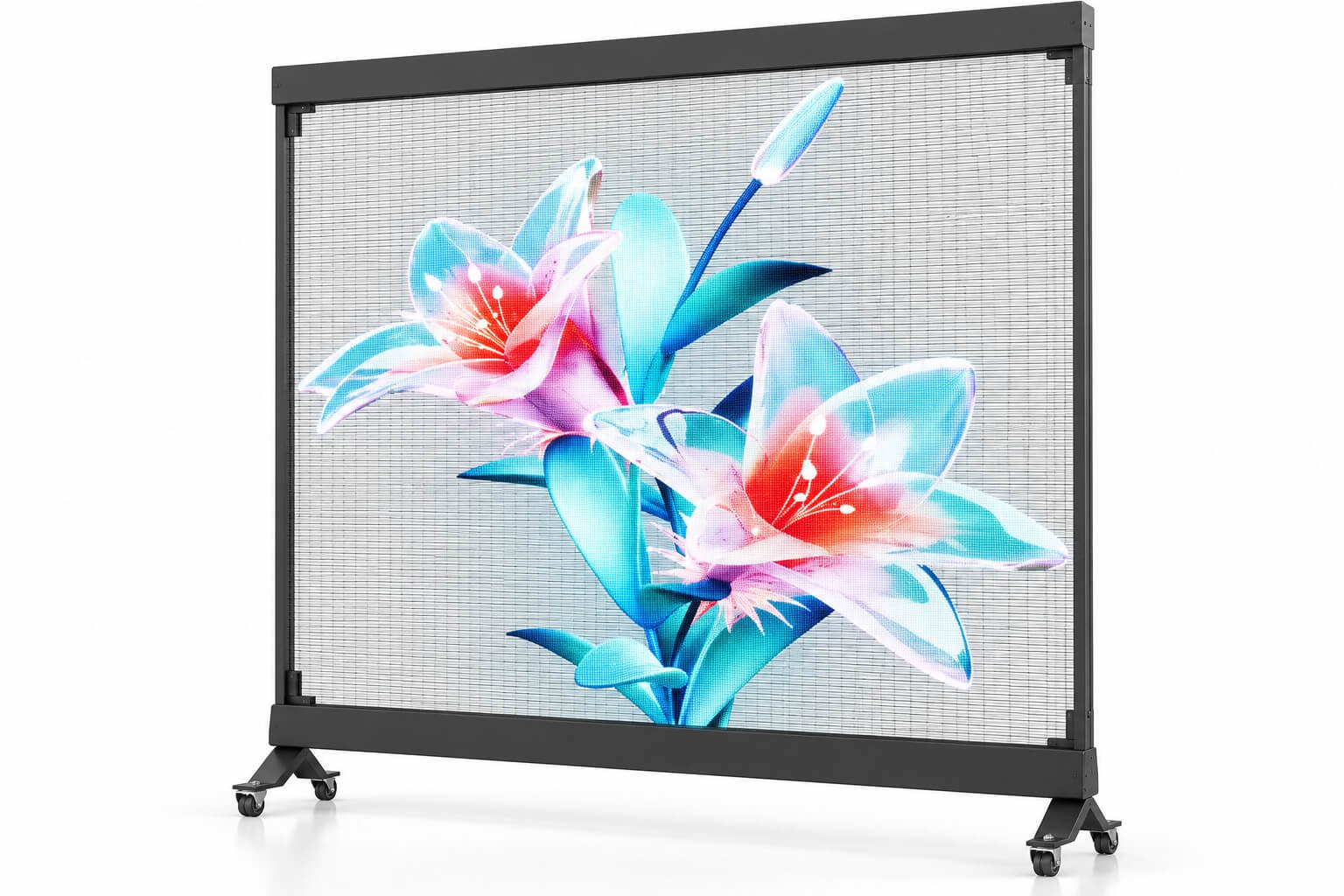
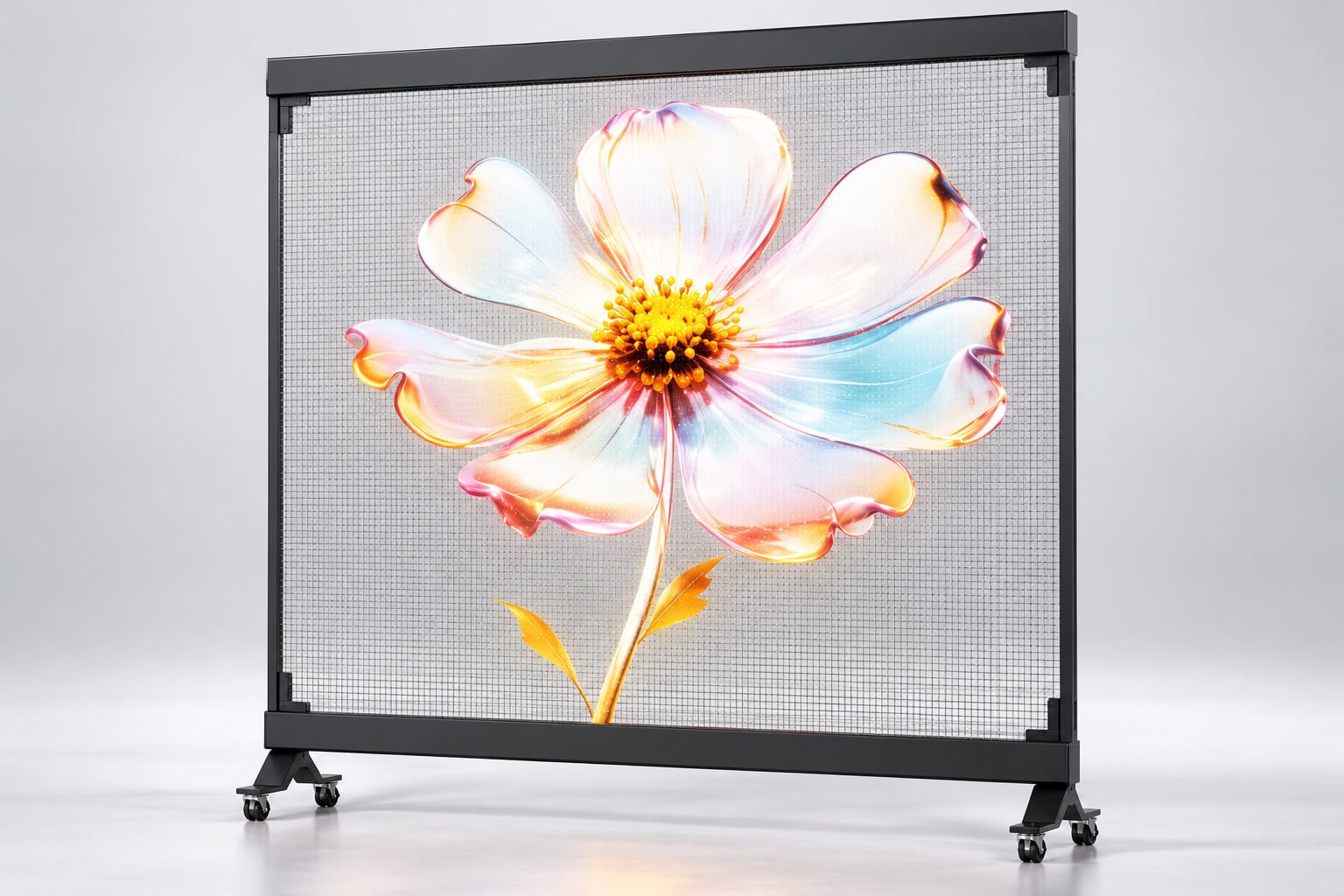
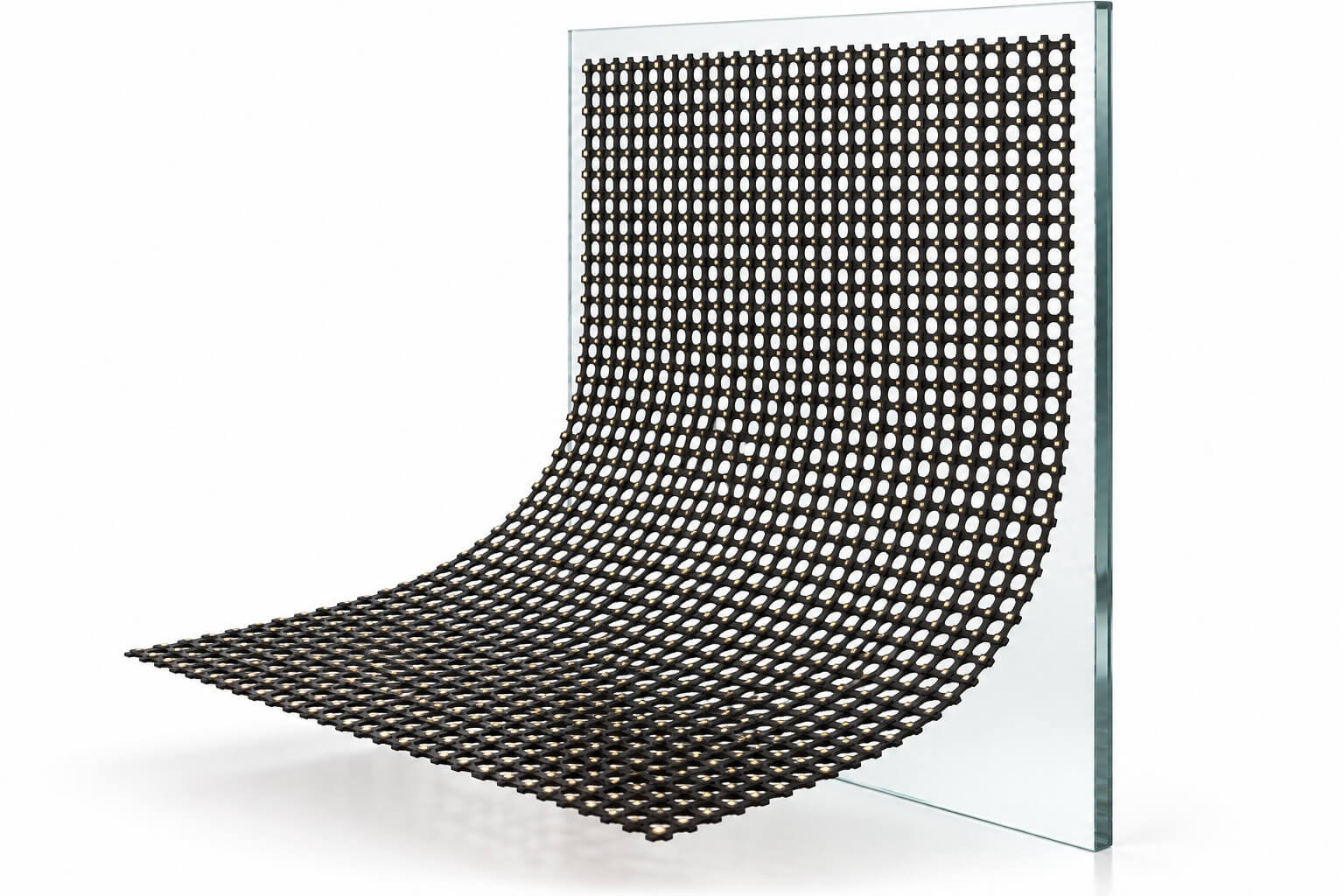
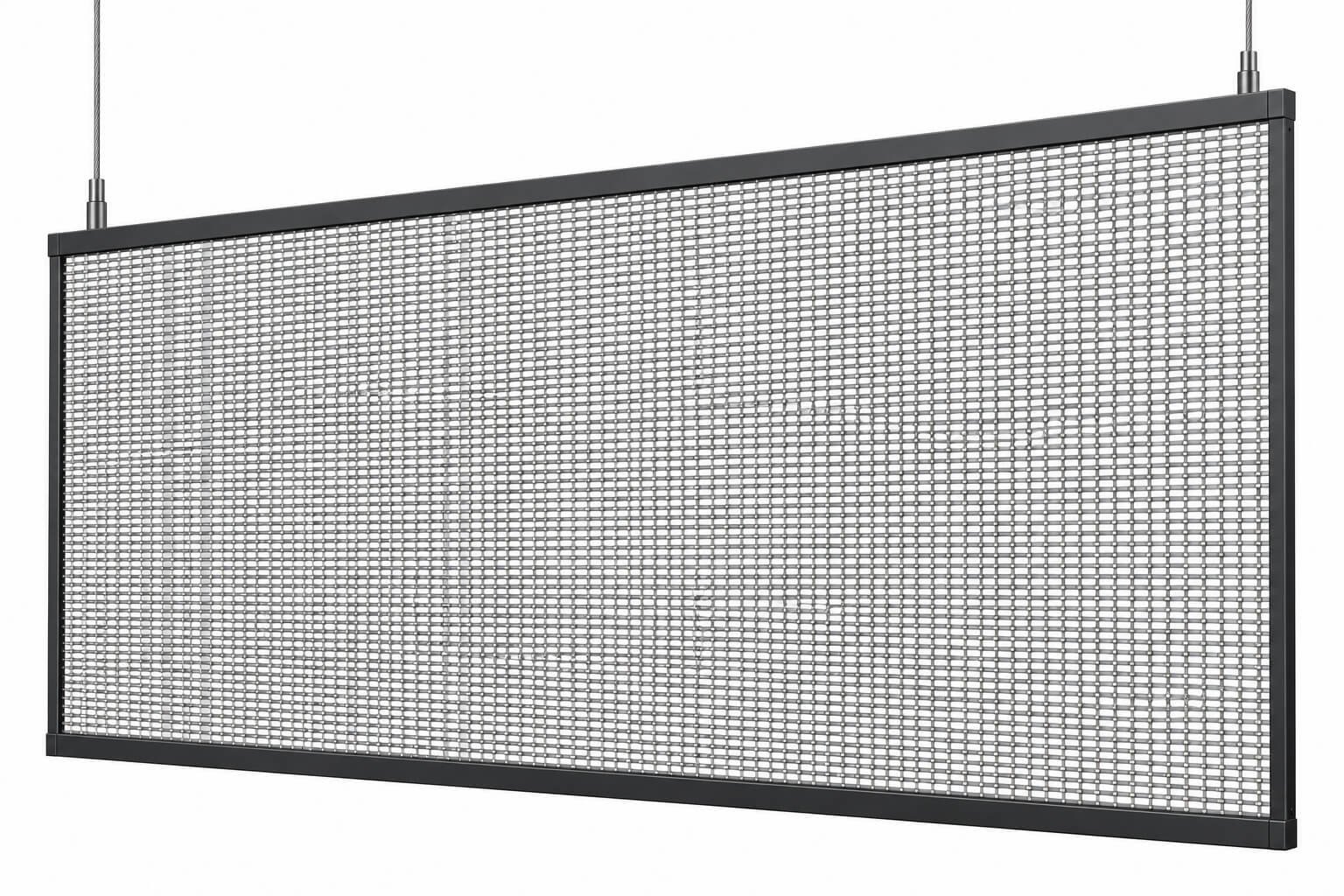
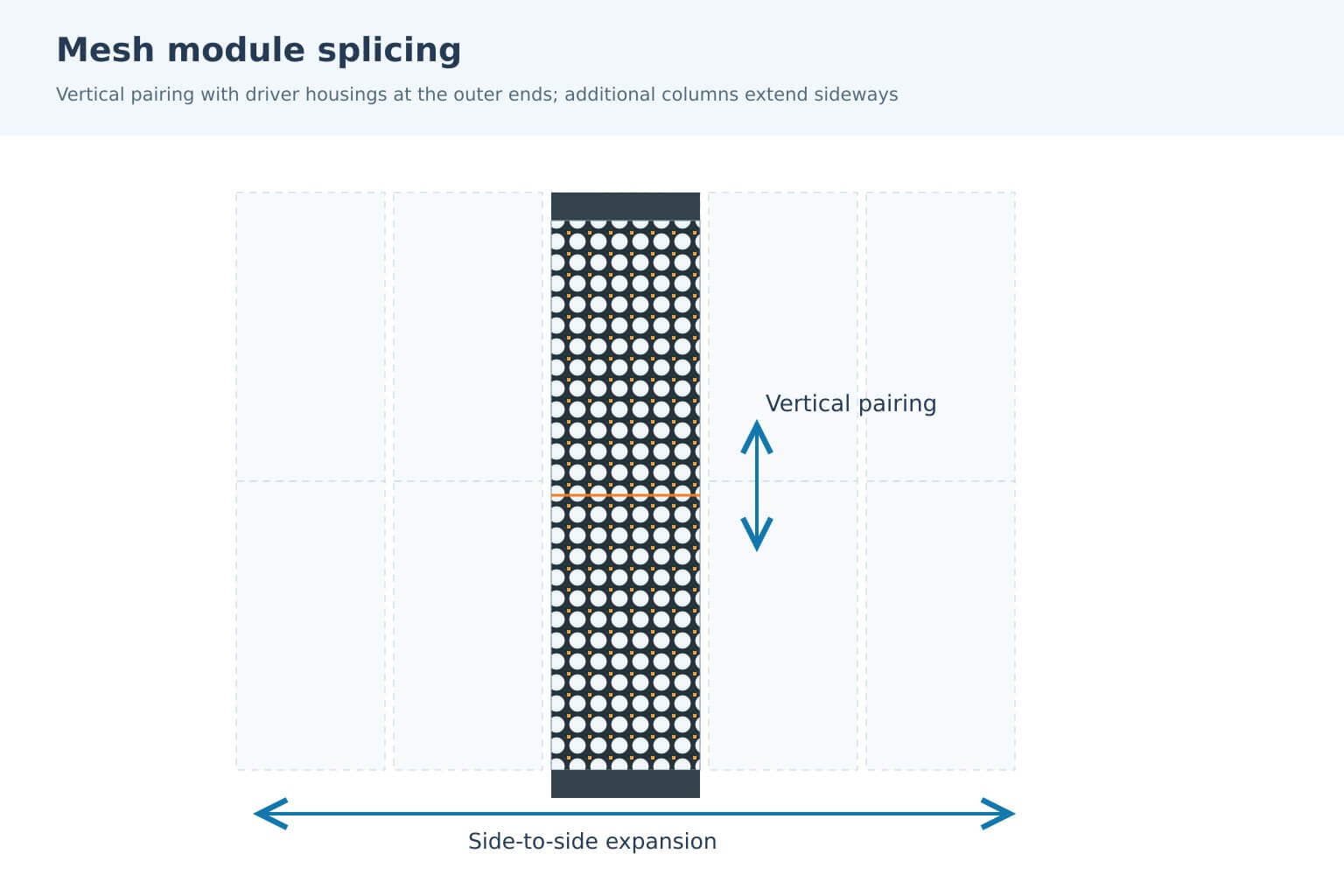
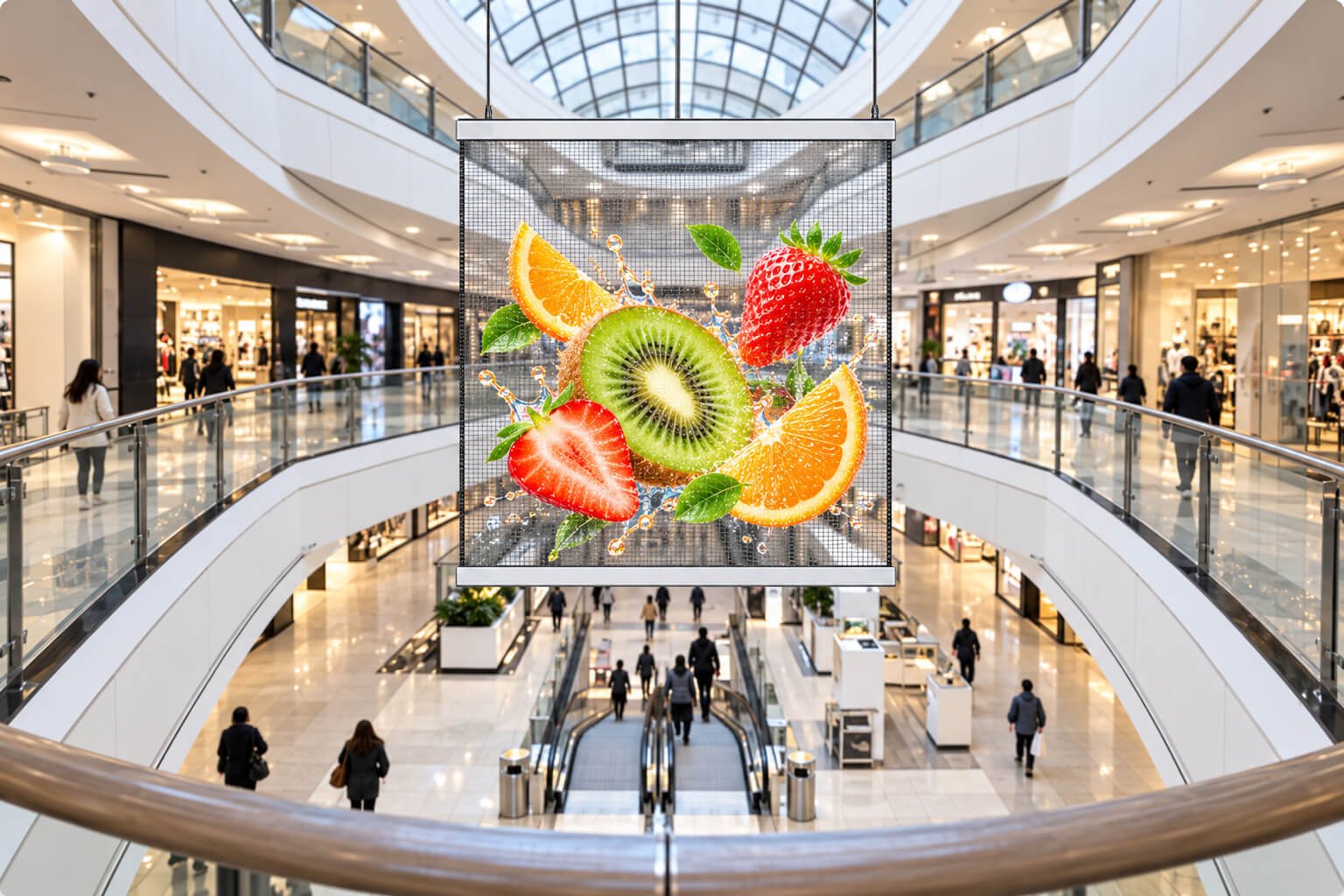
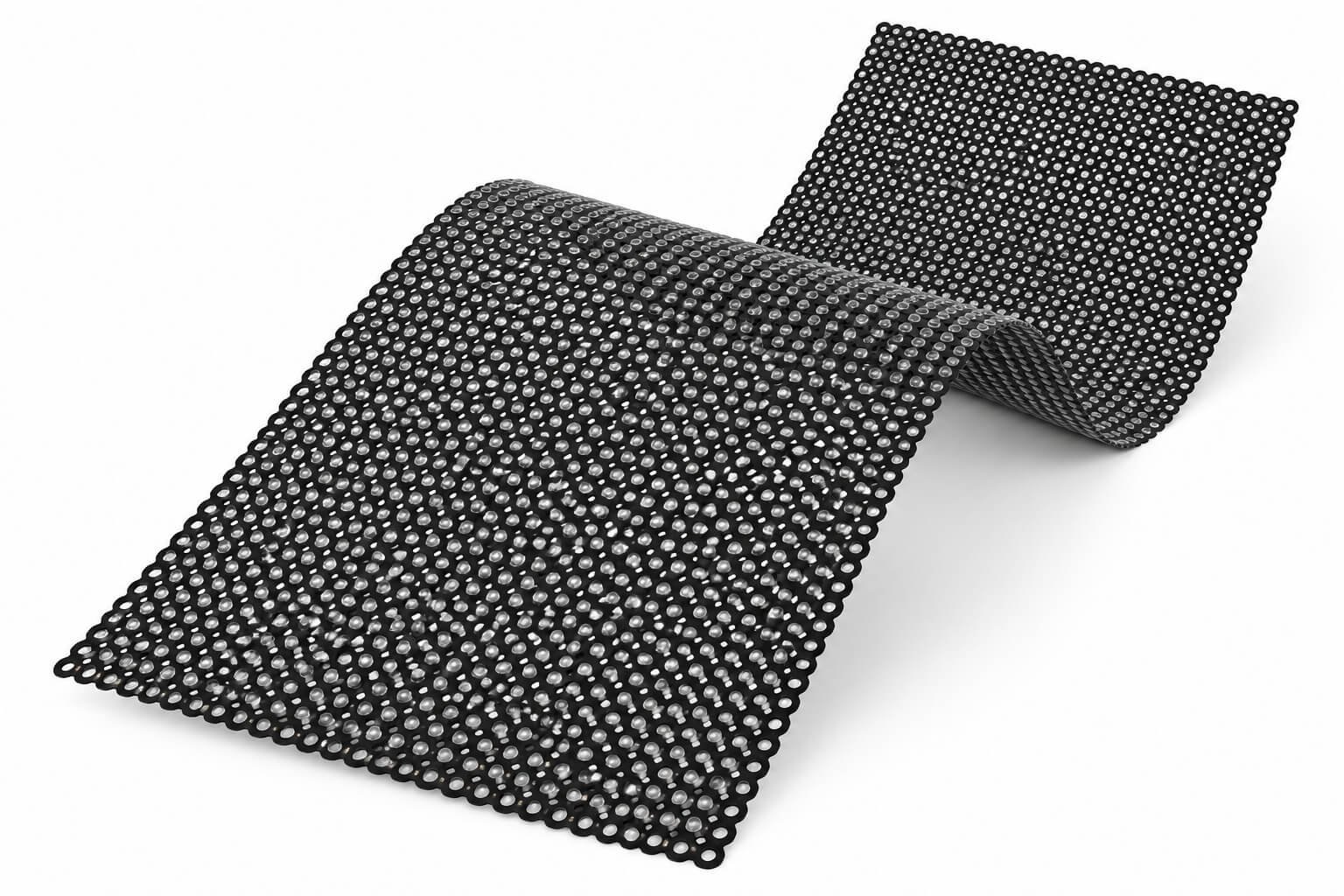
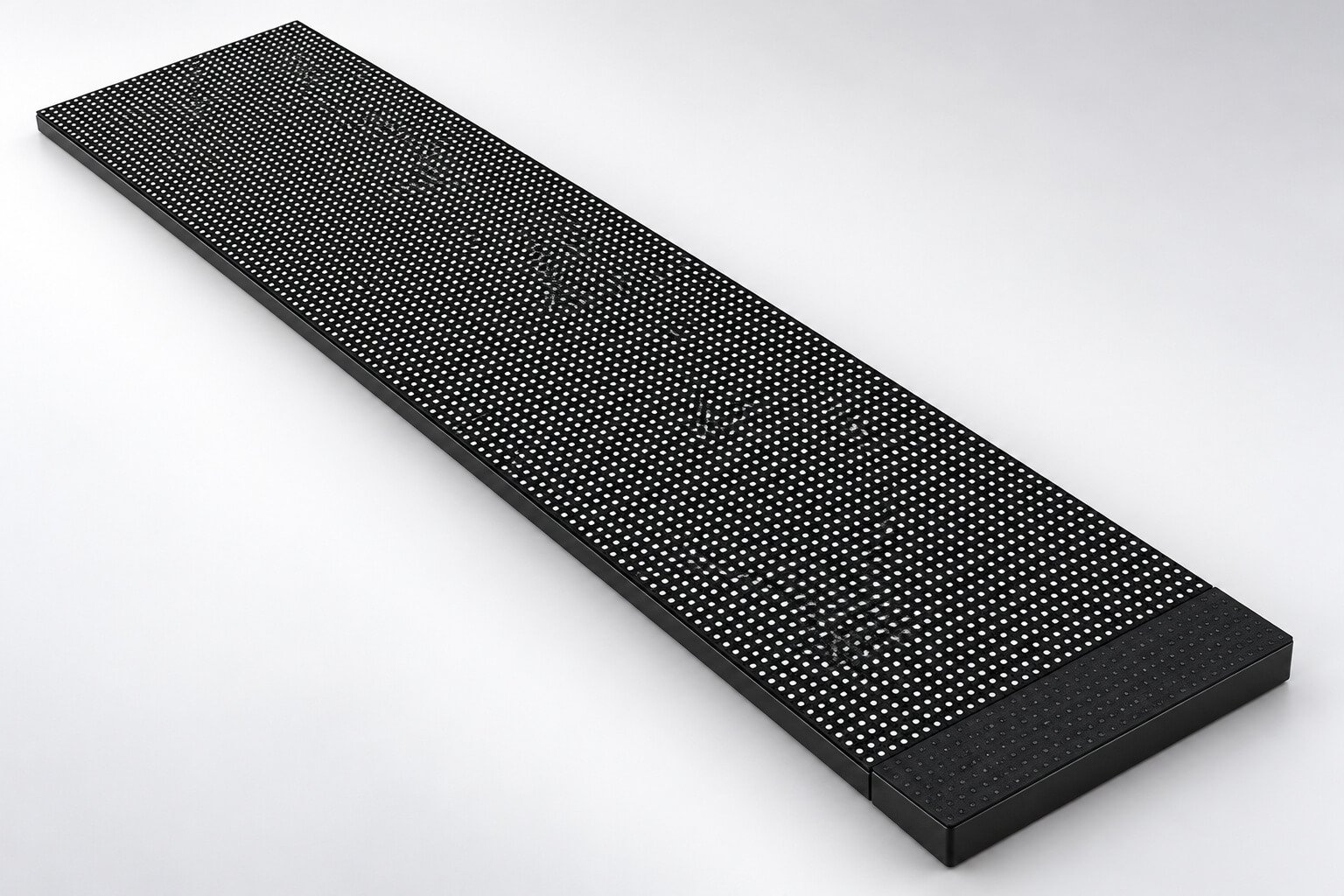
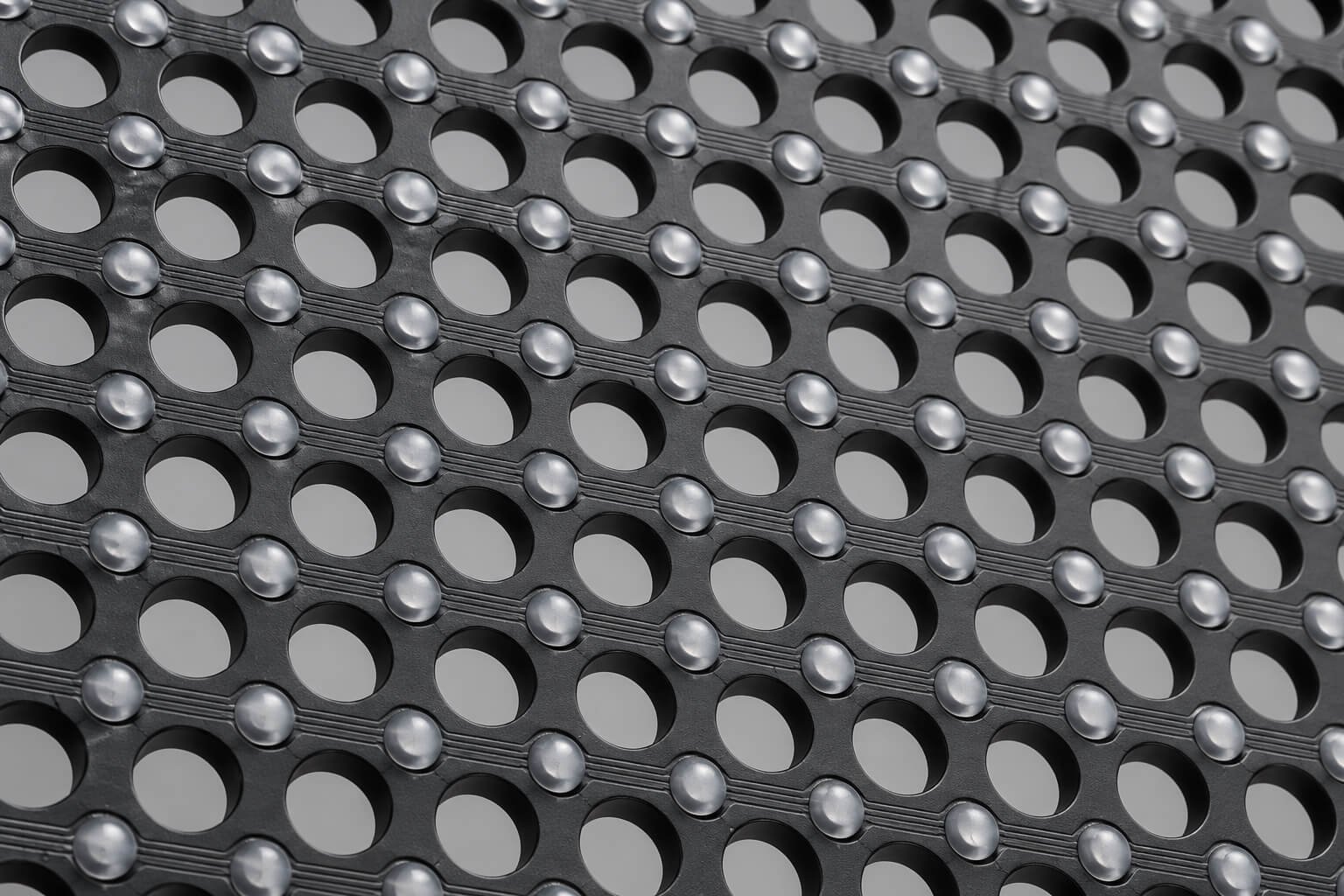
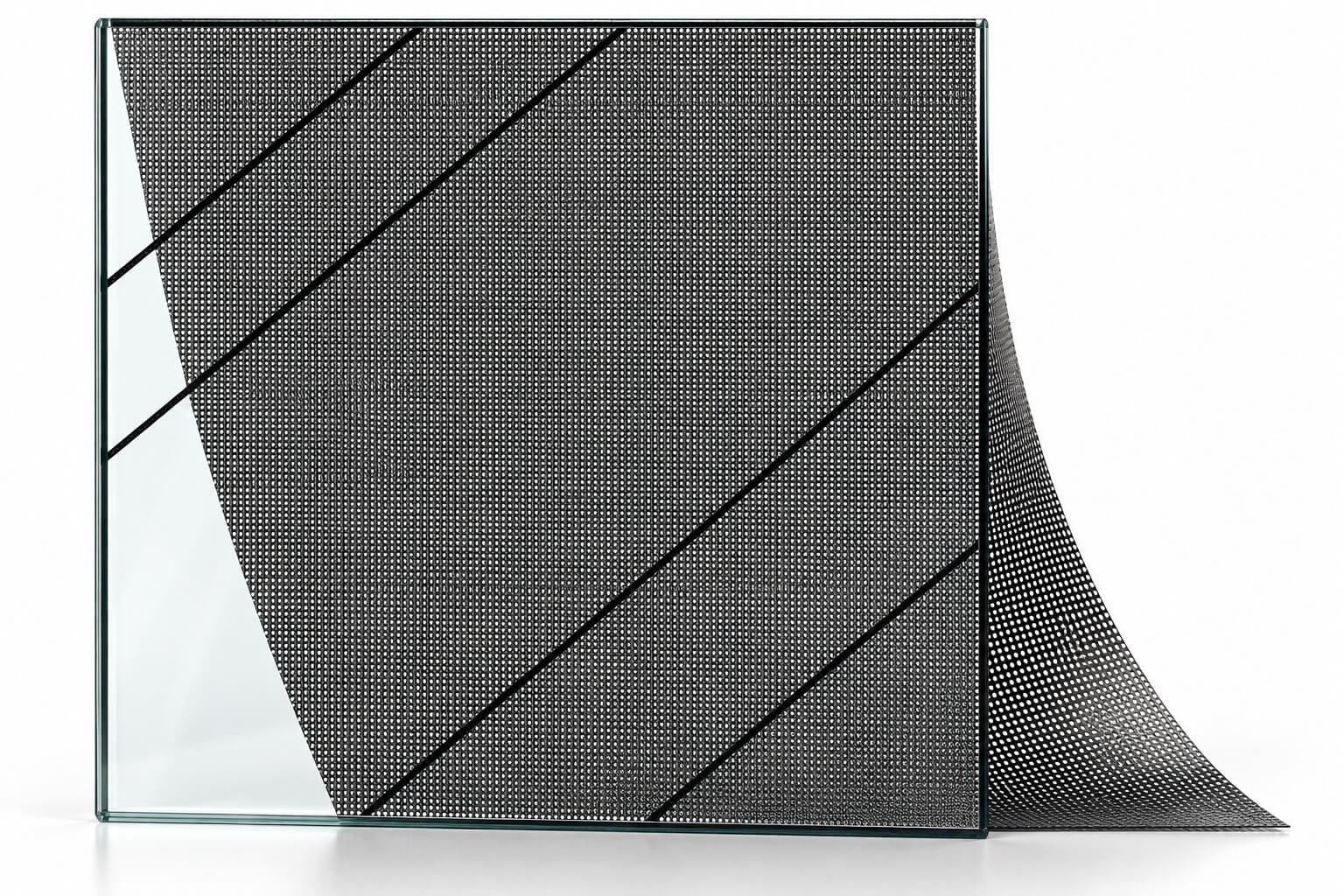
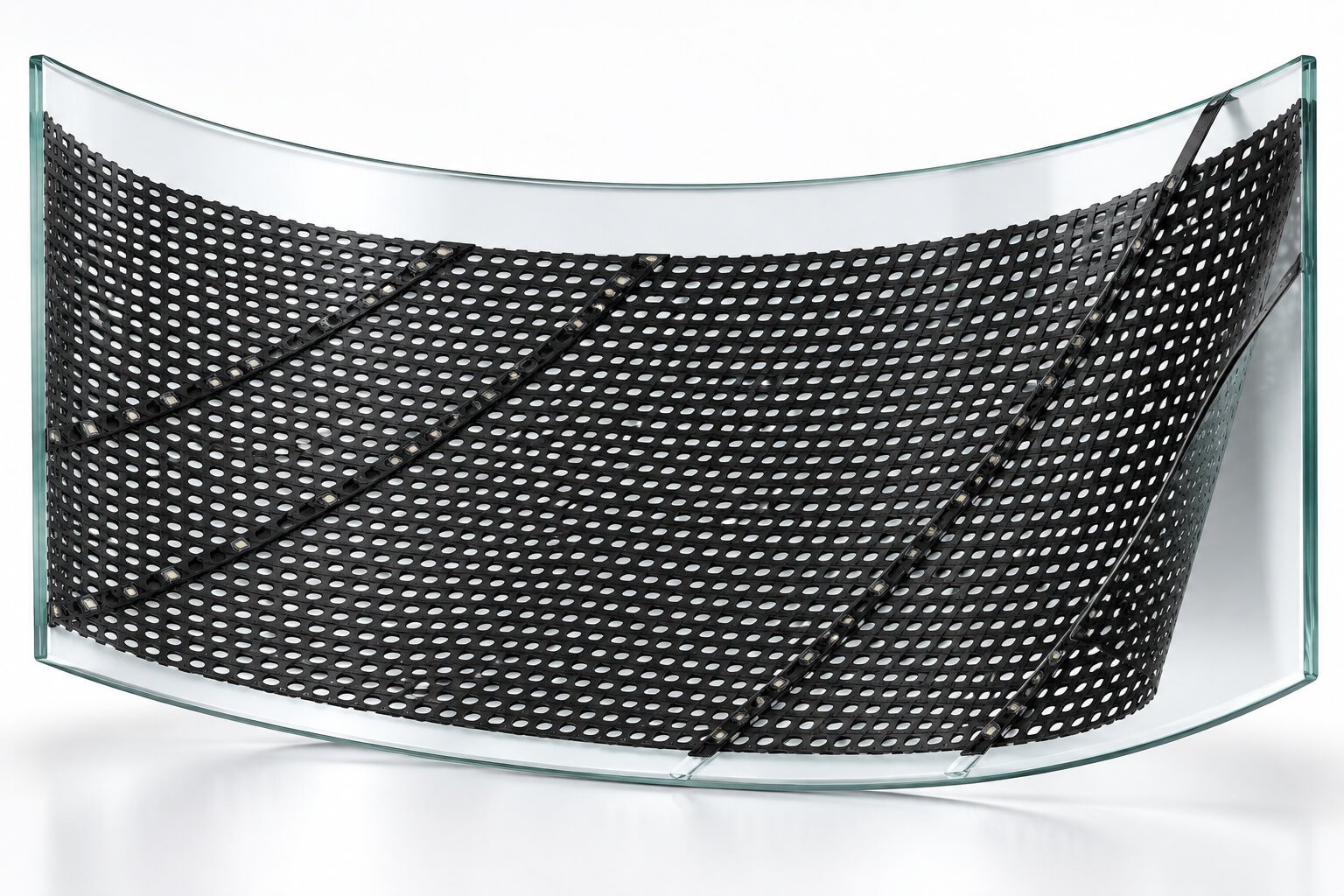
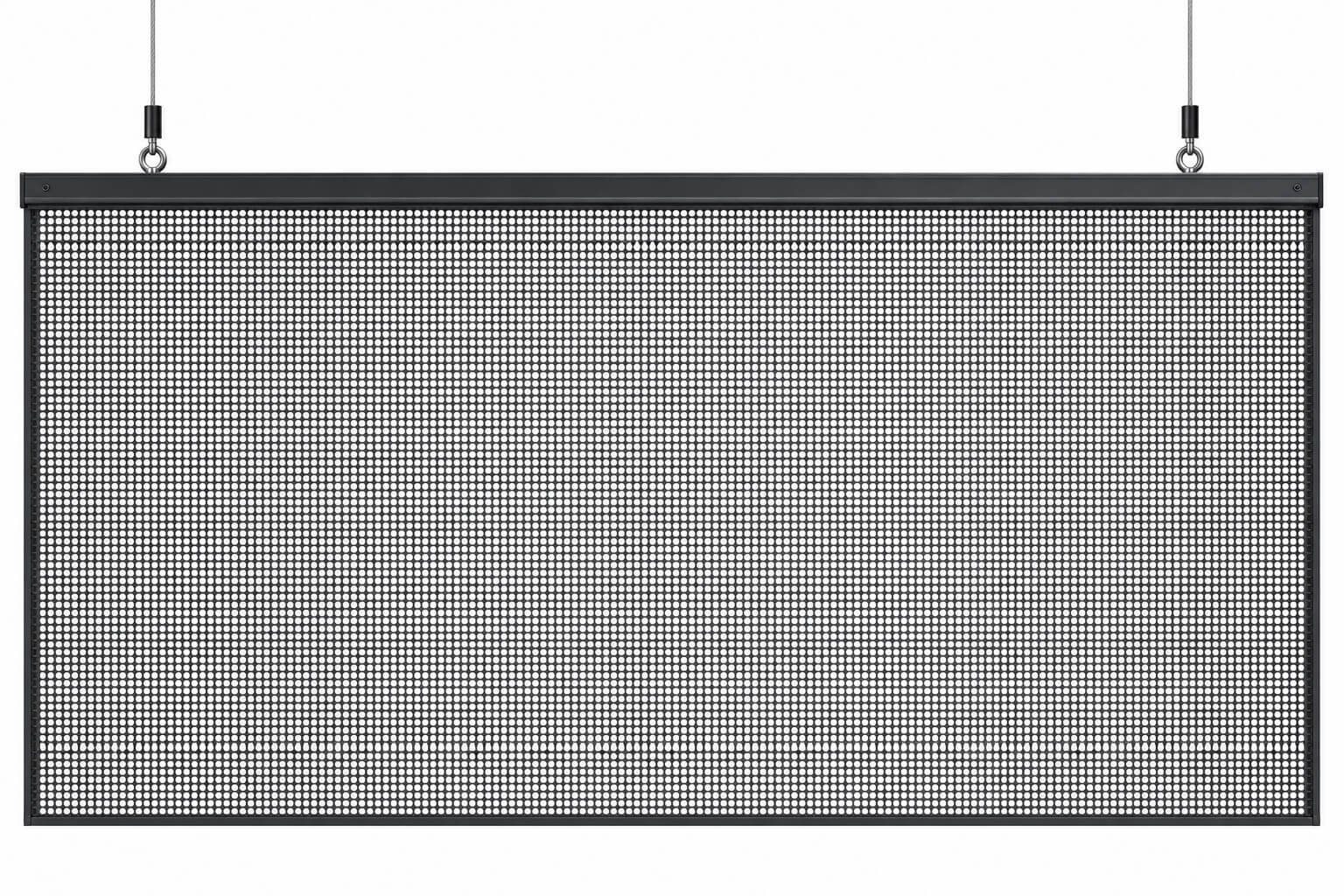
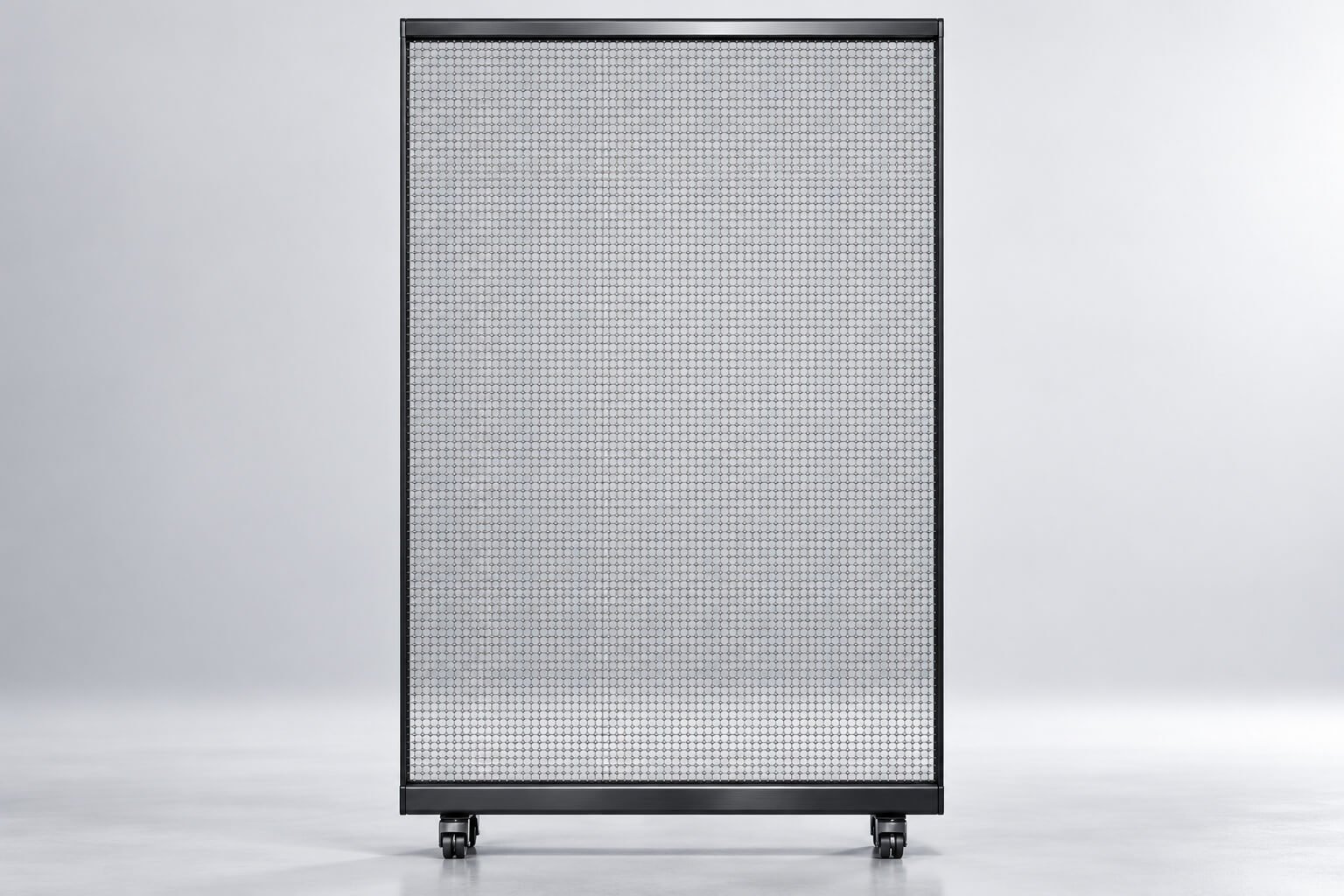
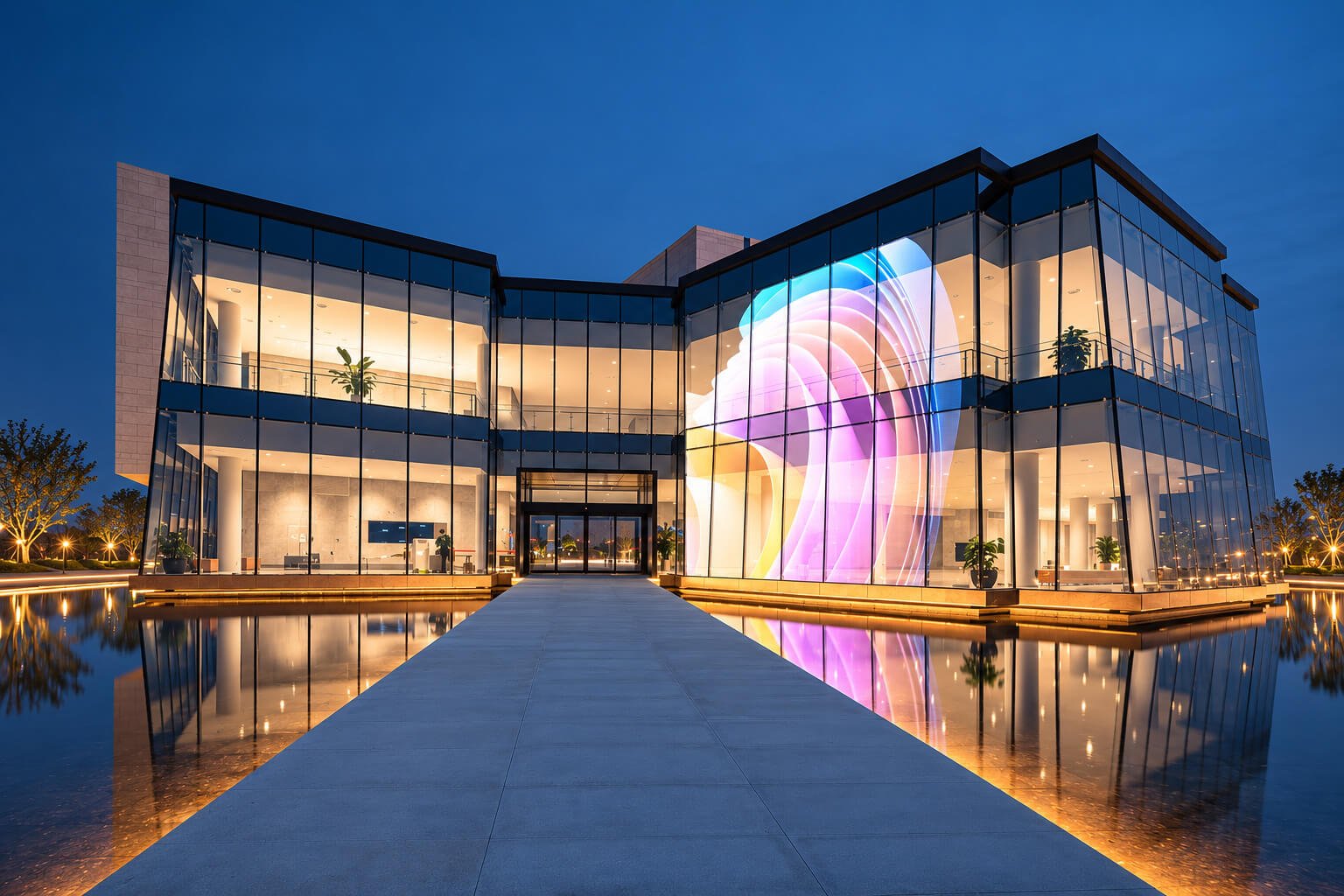
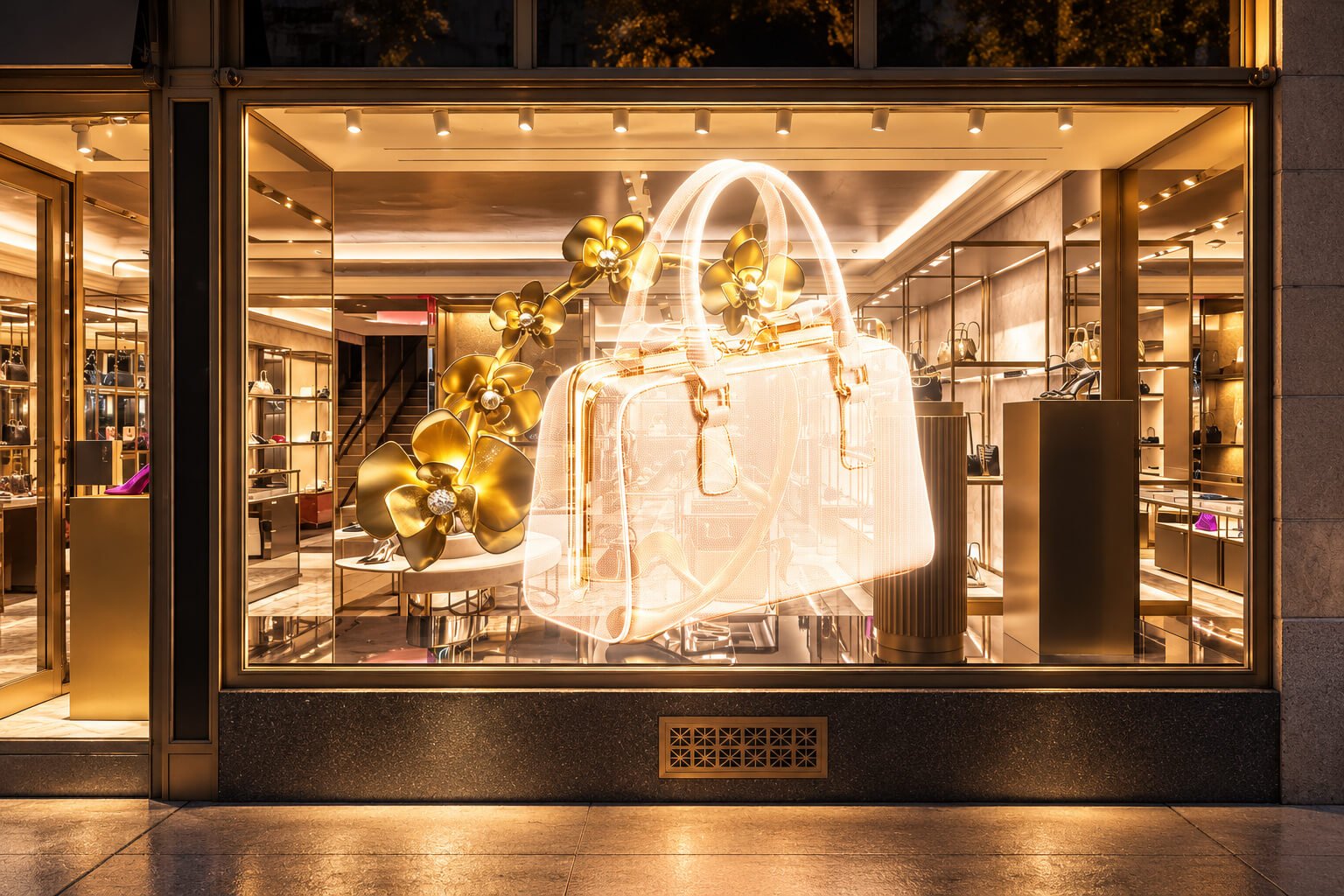
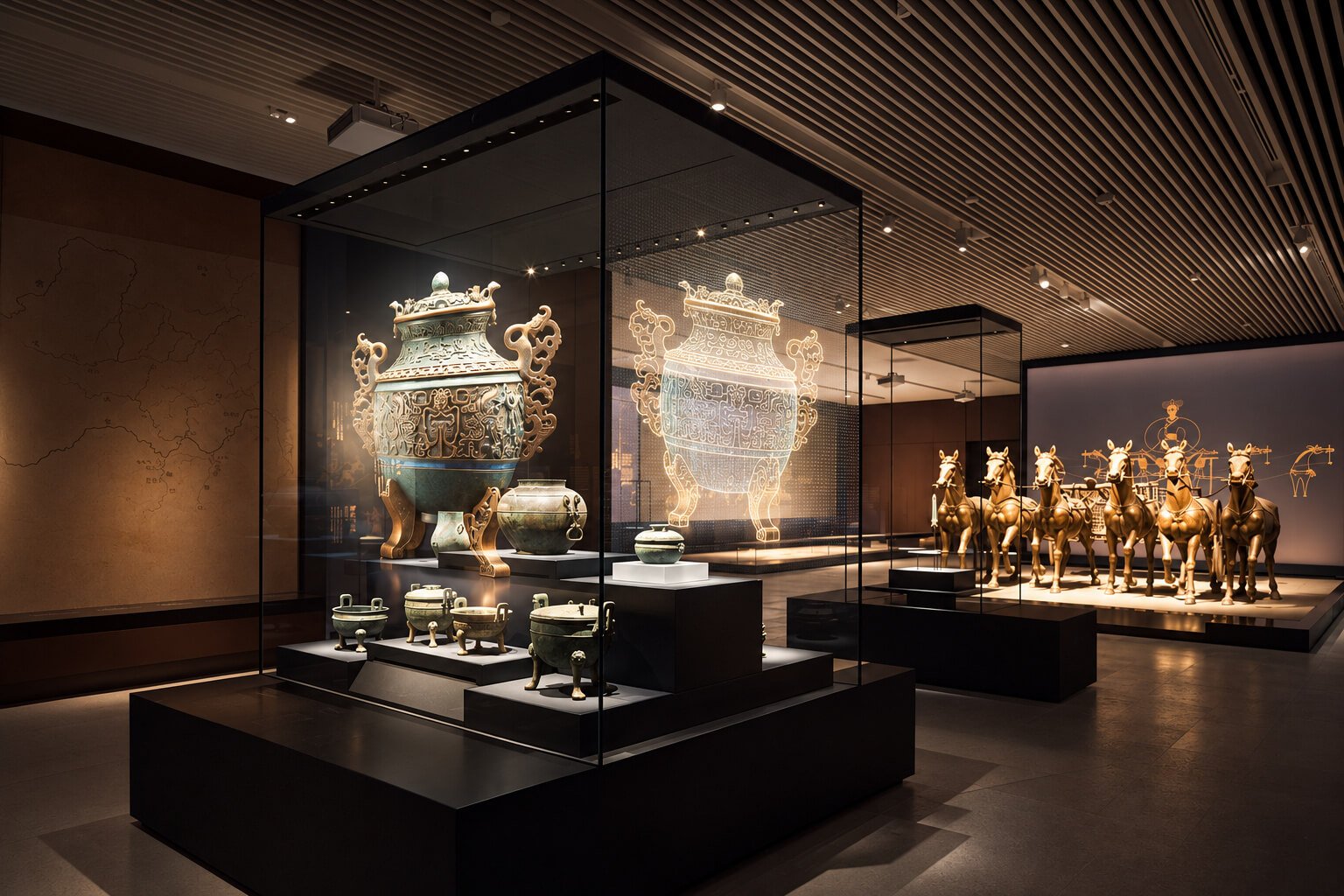
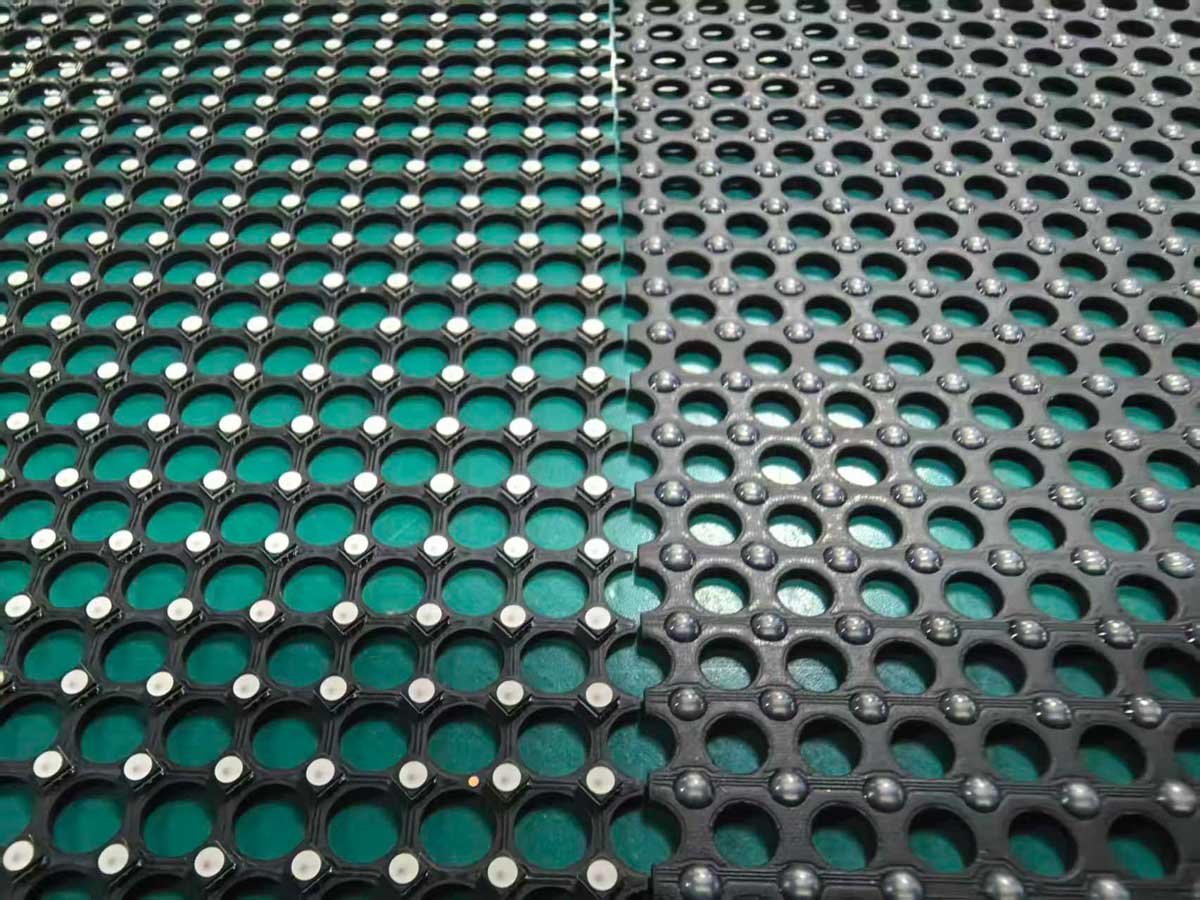
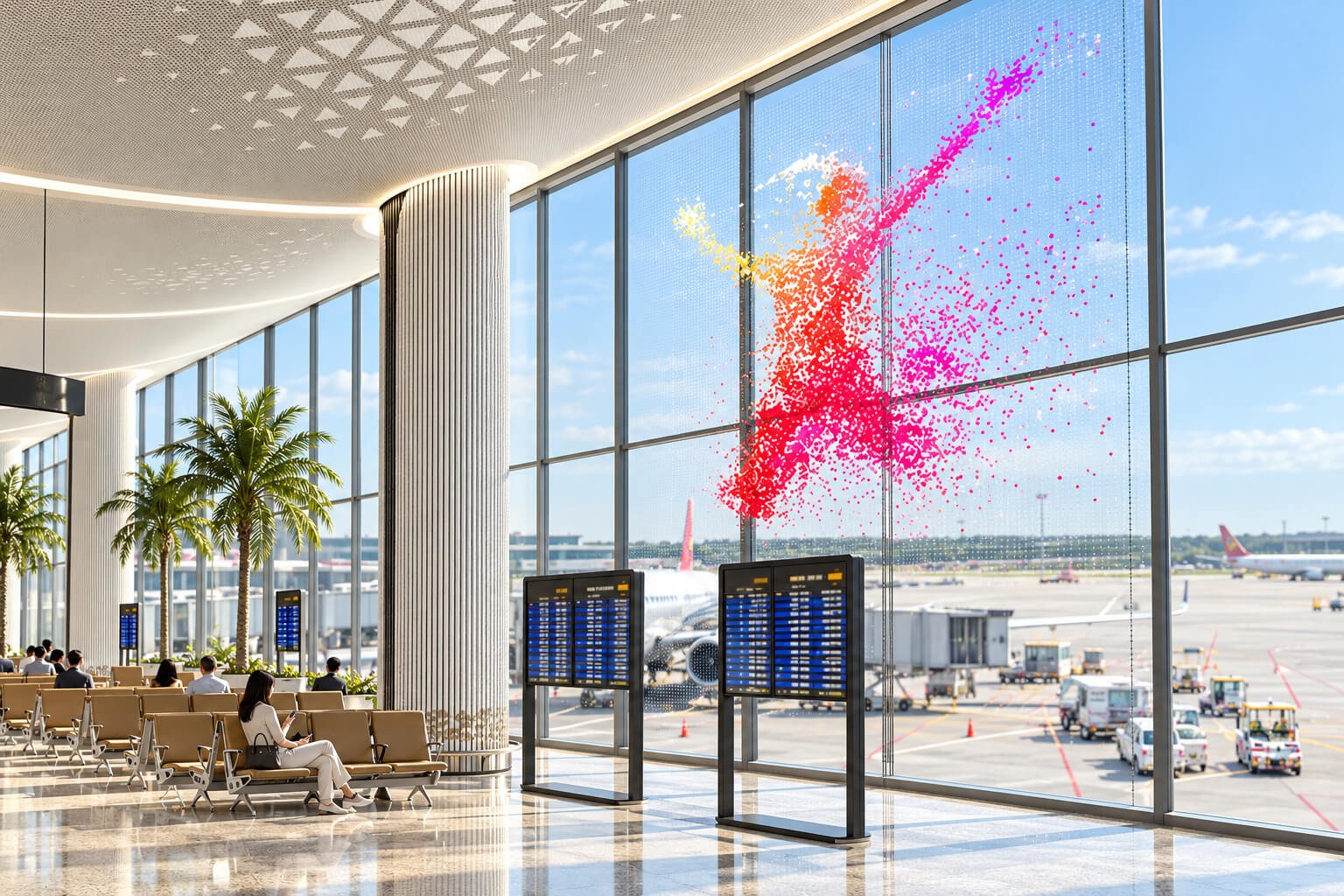
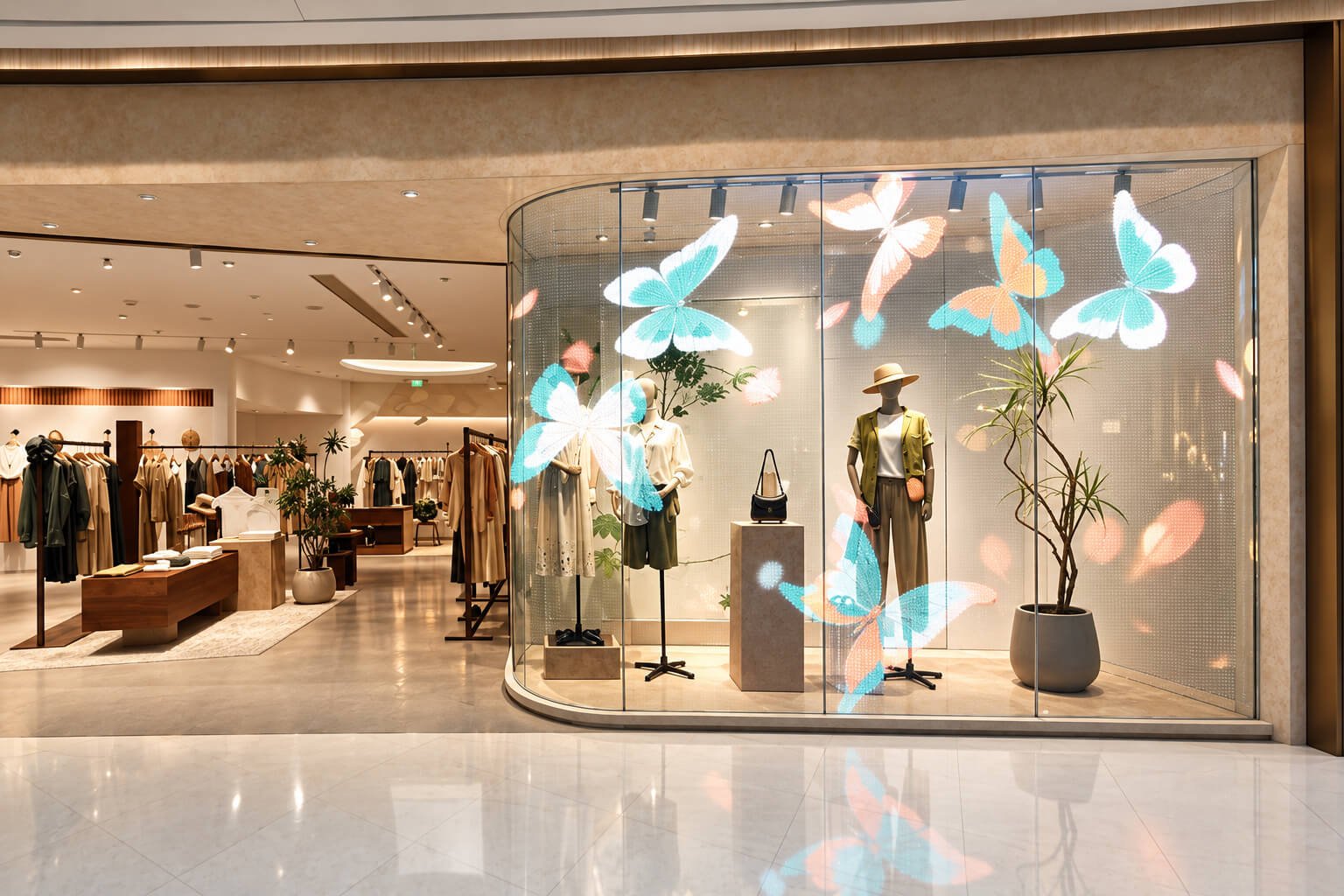
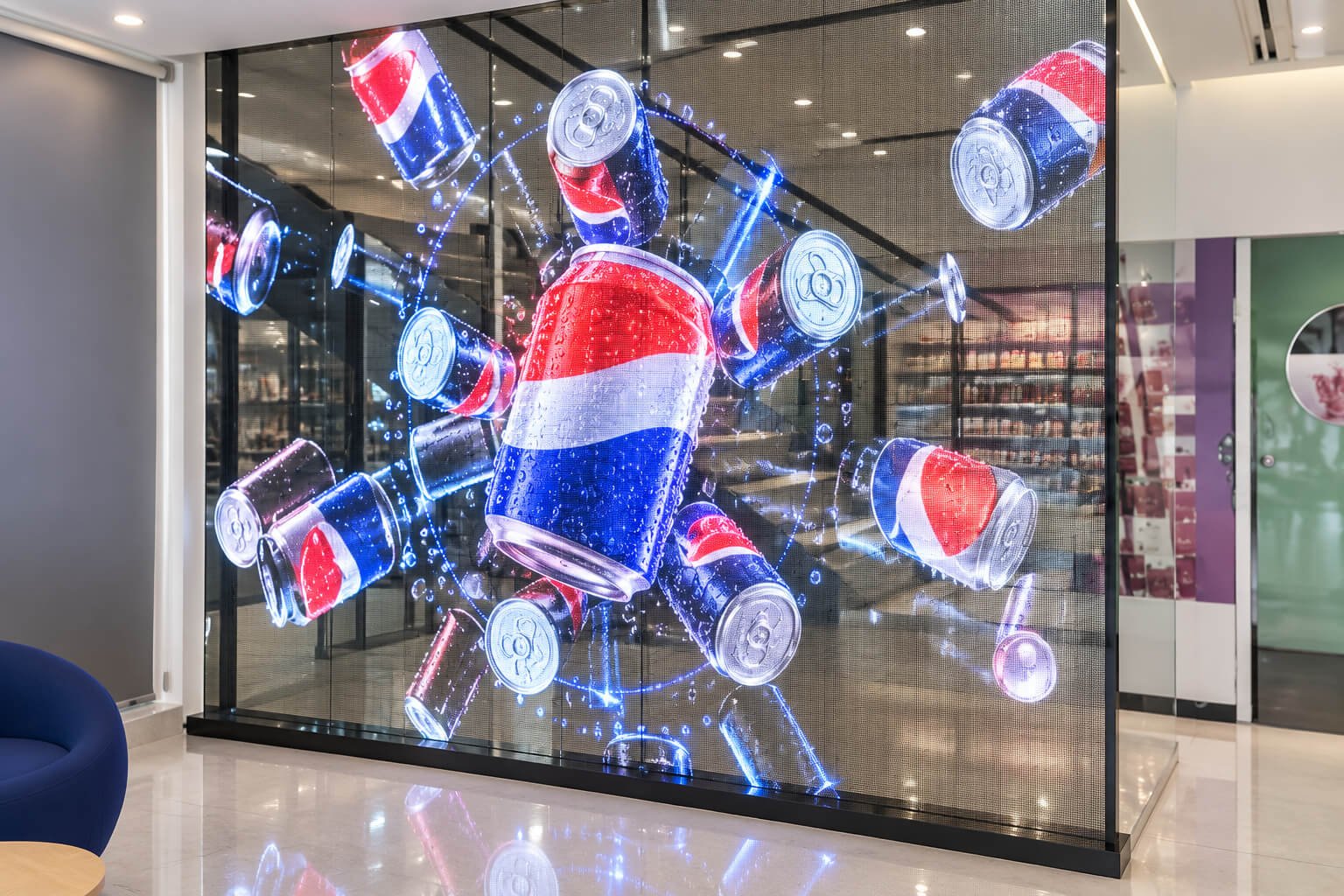
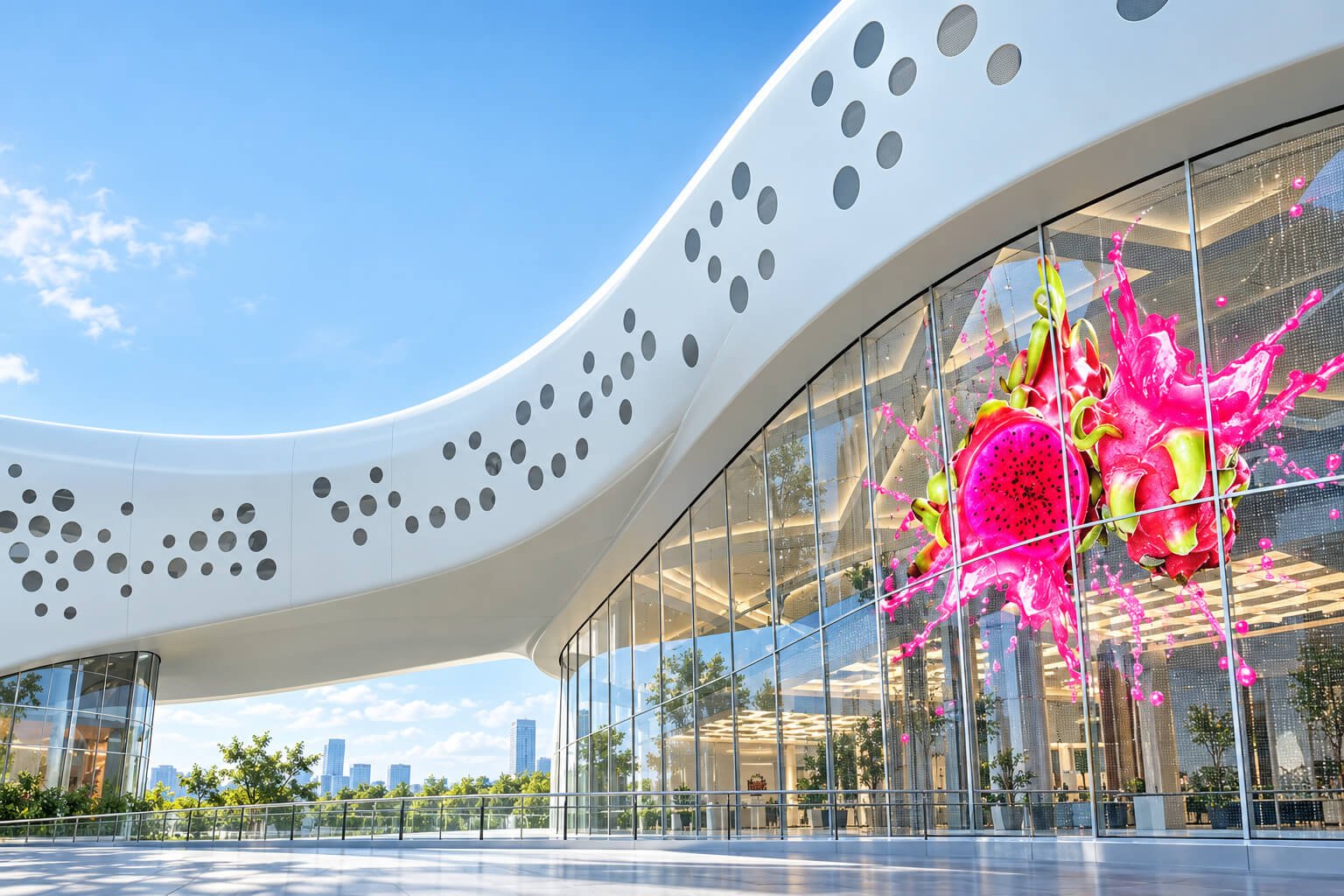
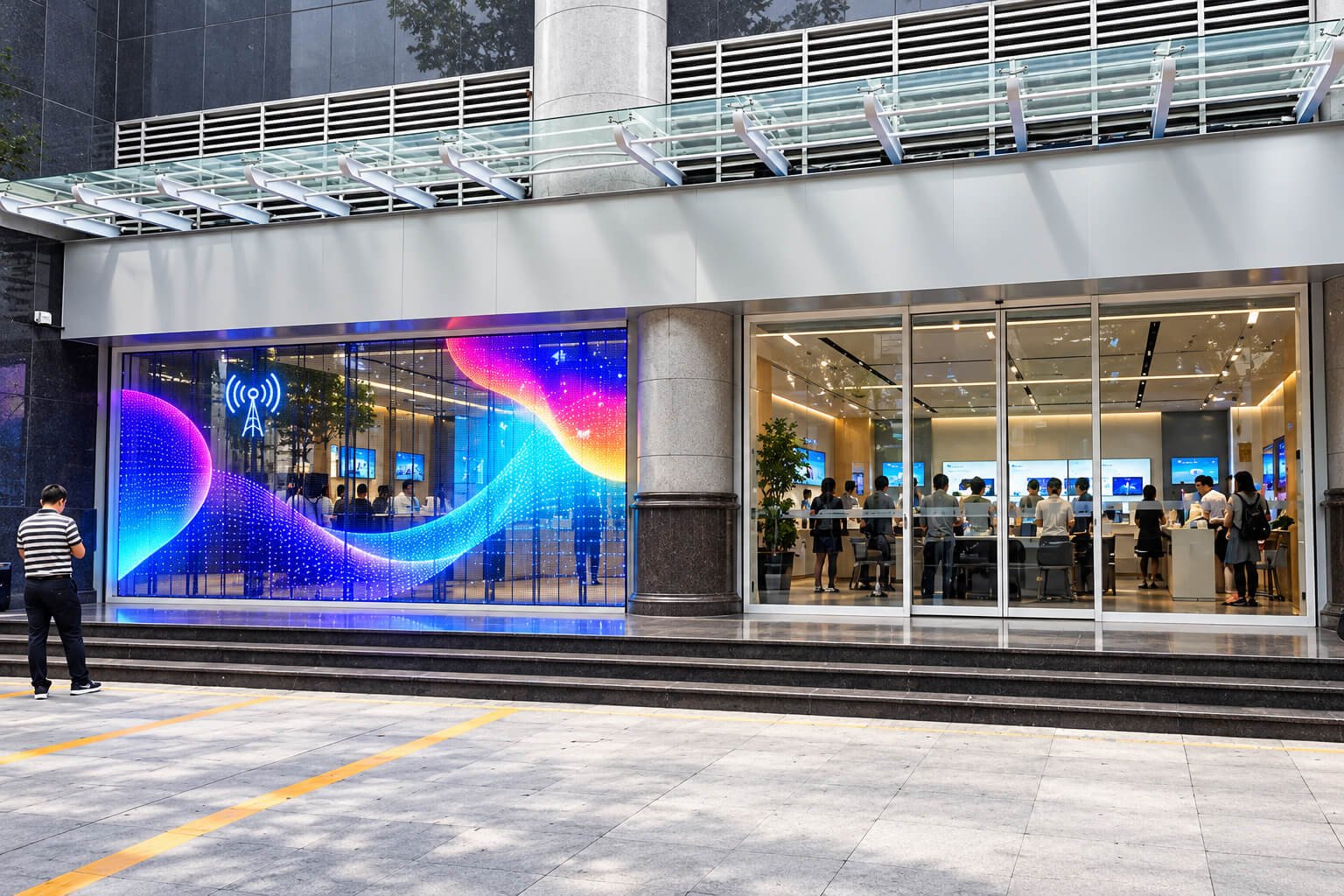
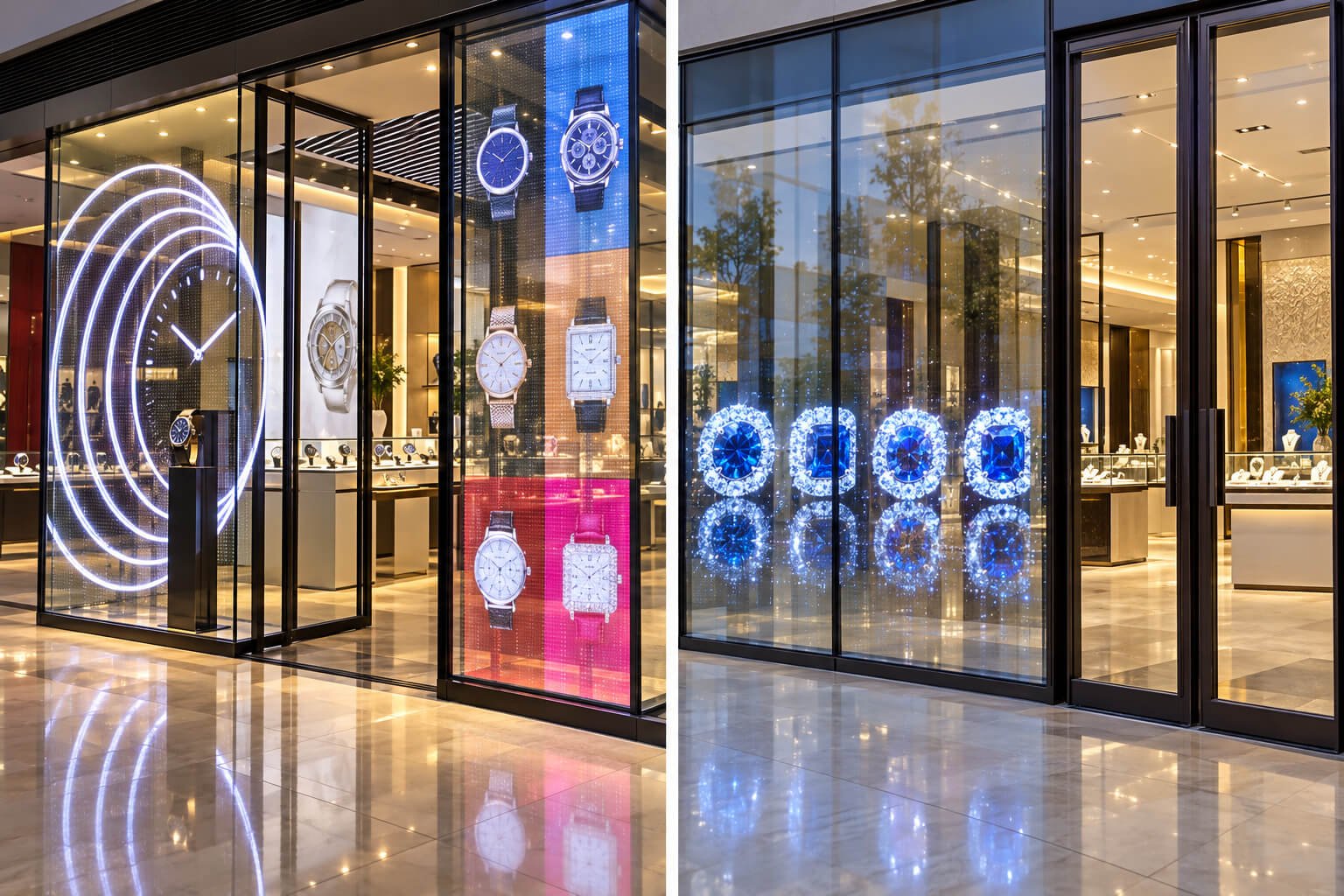
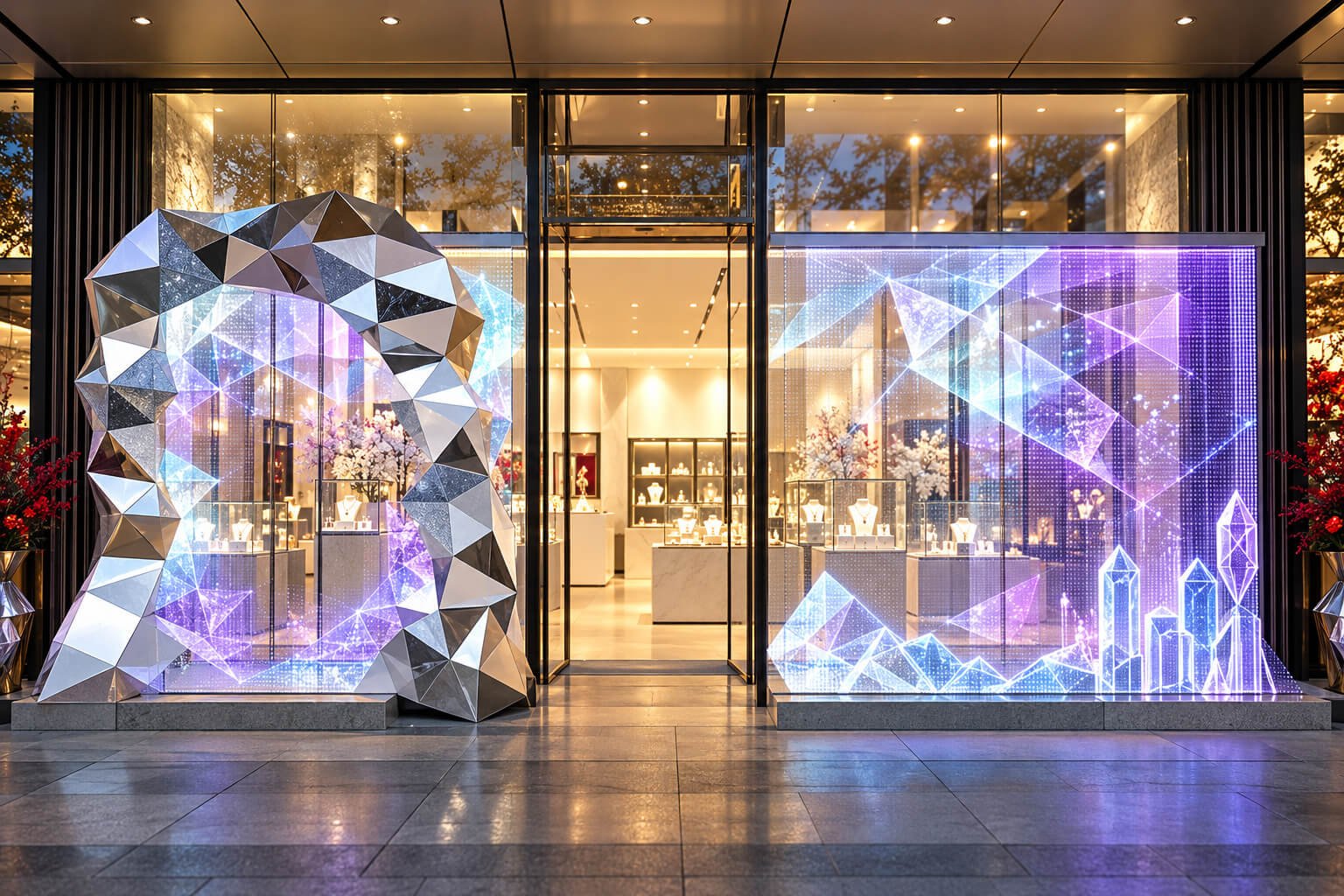
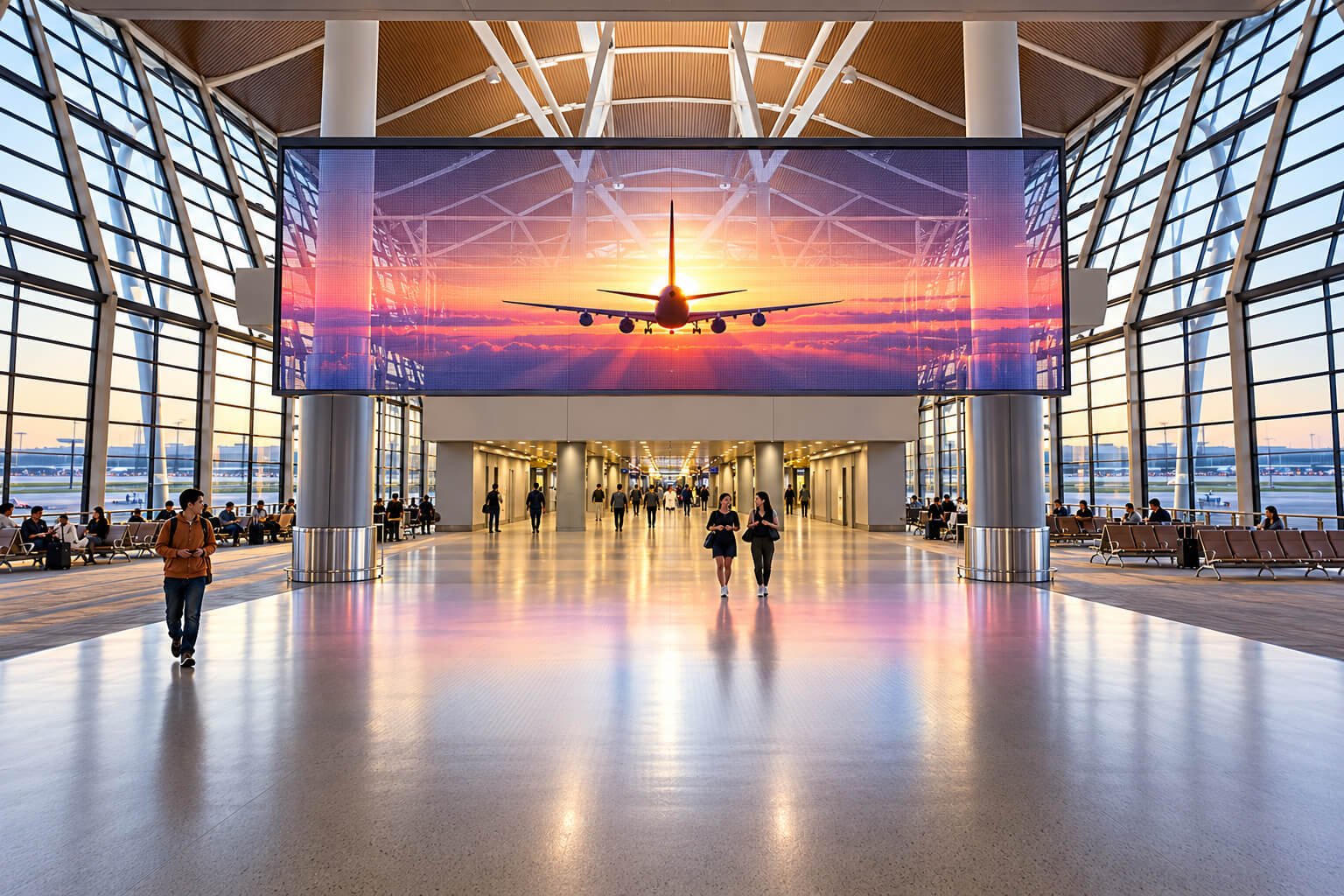
It is a transparent LED display using a perforated PCB structure to create floating-style visuals while preserving views through its open areas. This family includes conventional LED and COB packaging versions, as well as hanging, mobile and custom installed systems.
Is it a real hologram?
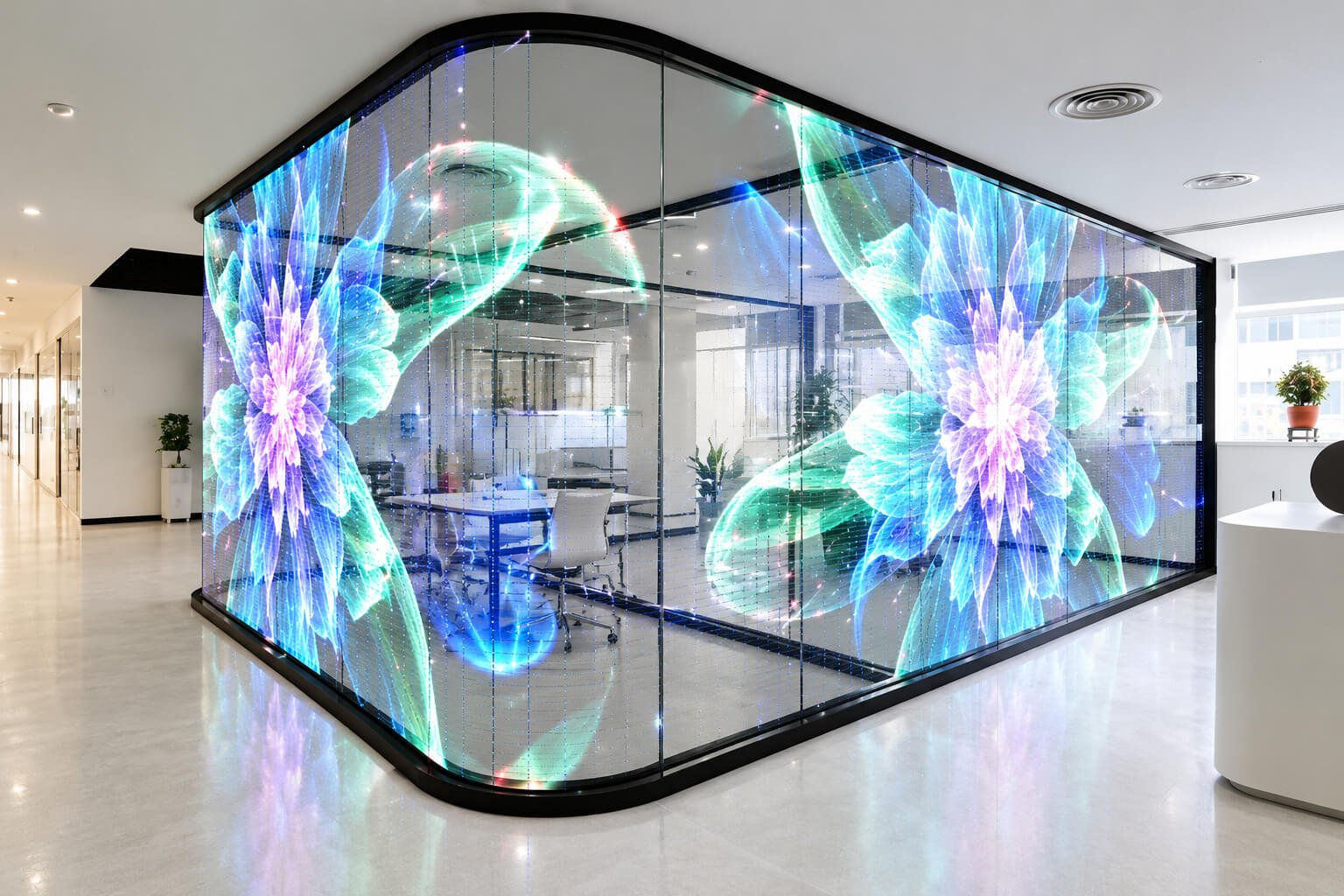
No. It is not a laser hologram, volumetric display or free-space projection system. The holographic impression comes from transparent LED pixels, minimal structure, suitable content and the viewing environment.
What is the finest pitch in the current published specification table?
The documented finished-system range includes a P2.5 compact hanging display. The retained seven-model module platform starts at 3.508 mm. The new COB module series starts at P3.91 and also includes P6.25 and P10.4. Each platform has its own dimensions and operating specifications.
Why is fine pitch important?
Finer pixel pitch generally provides better image detail at closer viewing distances, but it also affects transparency, power, cost and module configuration.
How transparent is the screen?
The documented P2.5 hanging system lists 70%, the P3.91 finished systems list 80%, and the new COB P3.91 / P6.25 / P10.4 modules list 80% / 85% / 90% visual transparency. The retained seven-model module platform lists 75%. Perception also depends on content, background, lighting and viewing angle.
How bright is the screen?
The P2.5 hanging system lists at least 1,800 cd/m² and the P3.91 finished systems at least 3,000 cd/m². The new COB P3.91 and P6.25 modules list at least 3,300 cd/m²; COB P10.4 lists at least 3,000 cd/m². The retained seven-model platform lists 4,500–5,000 cd/m². Confirm the quoted model and operating brightness.
How light is it?
Weight depends on whether you are reviewing a bare module, framed system or complete installed display. The retained seven-model table lists its own system-weight references; do not transfer those figures to the new COB modules or mobile systems. Confirm total installed load for support and suspension design.
Can it be installed without glass?
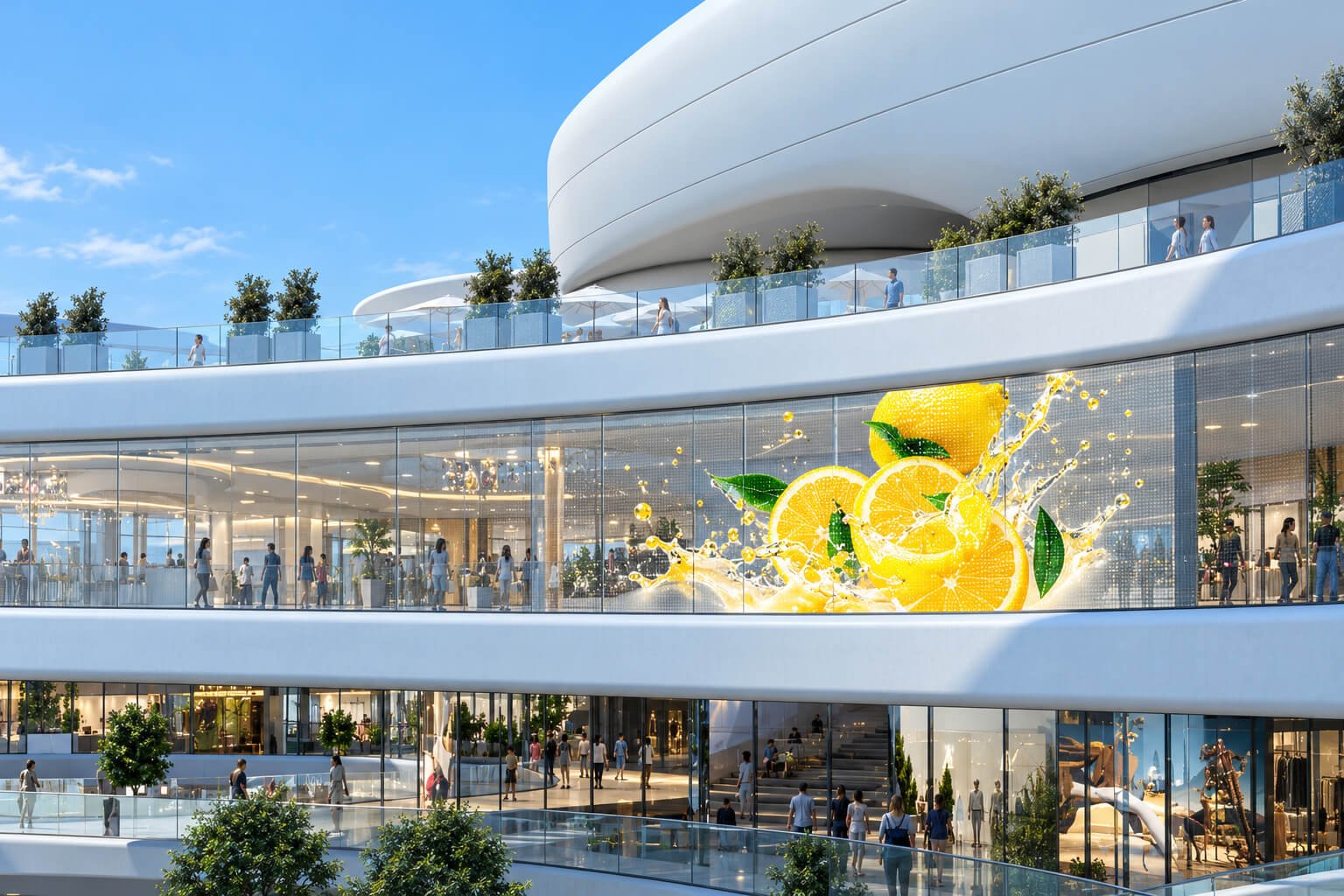
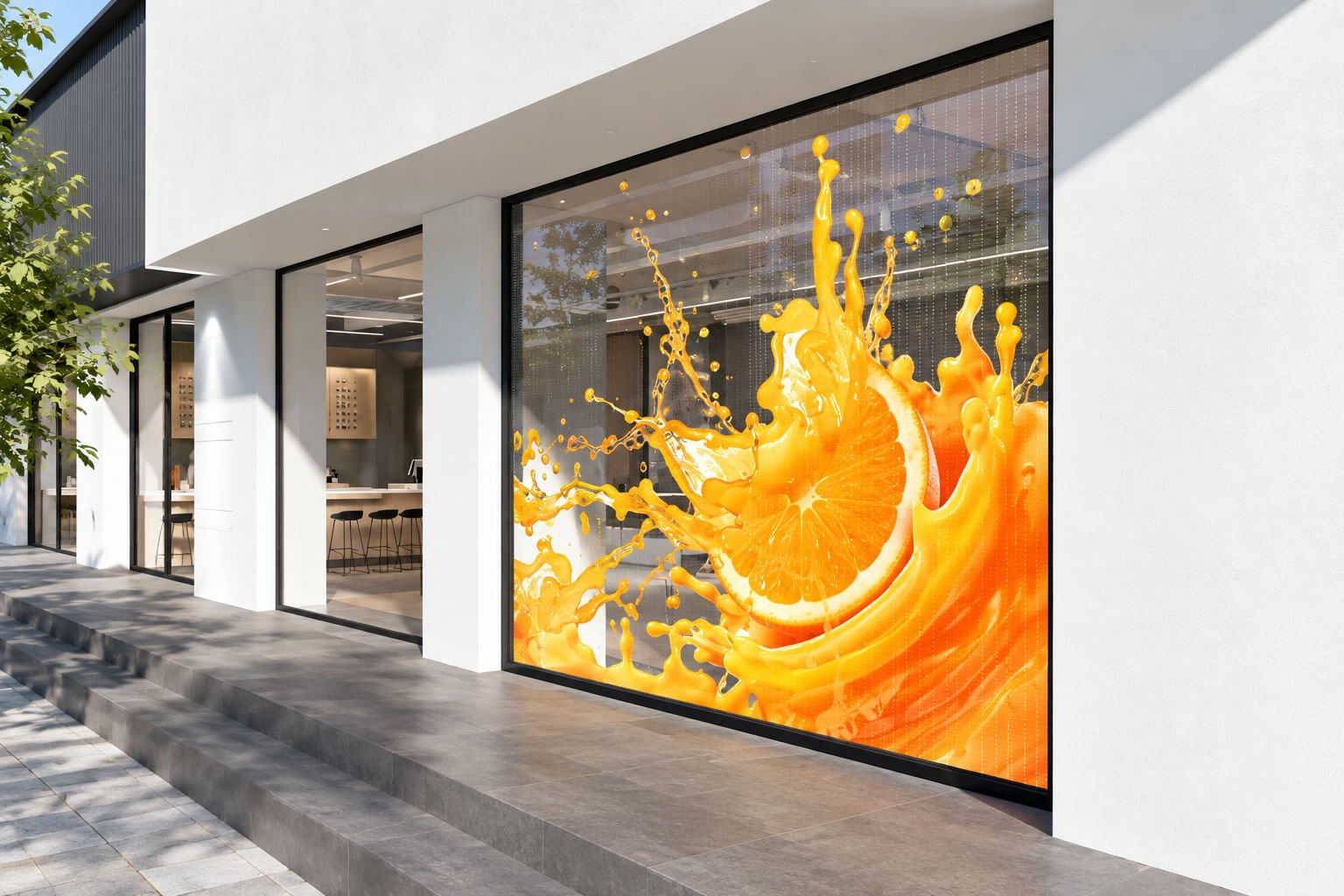
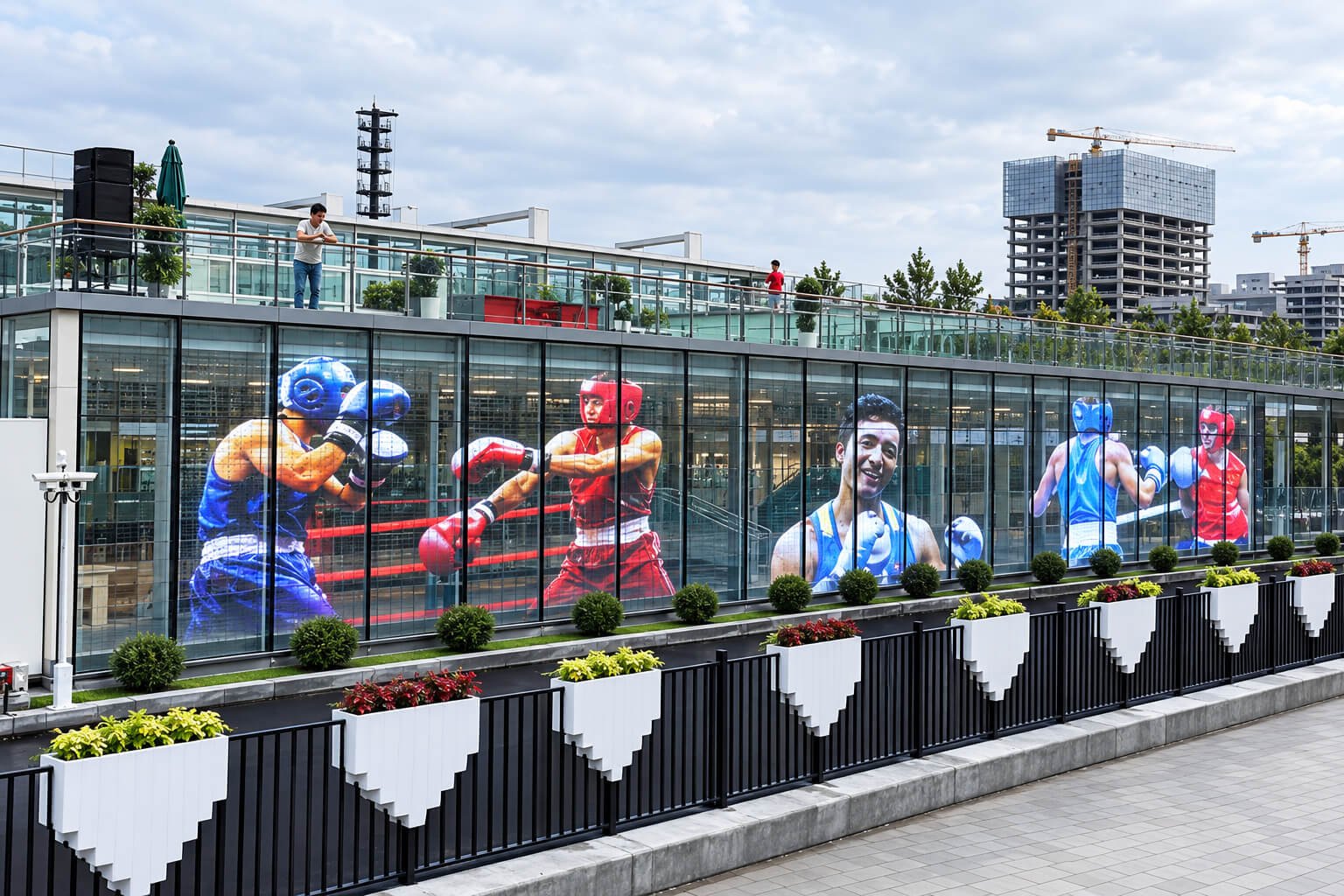
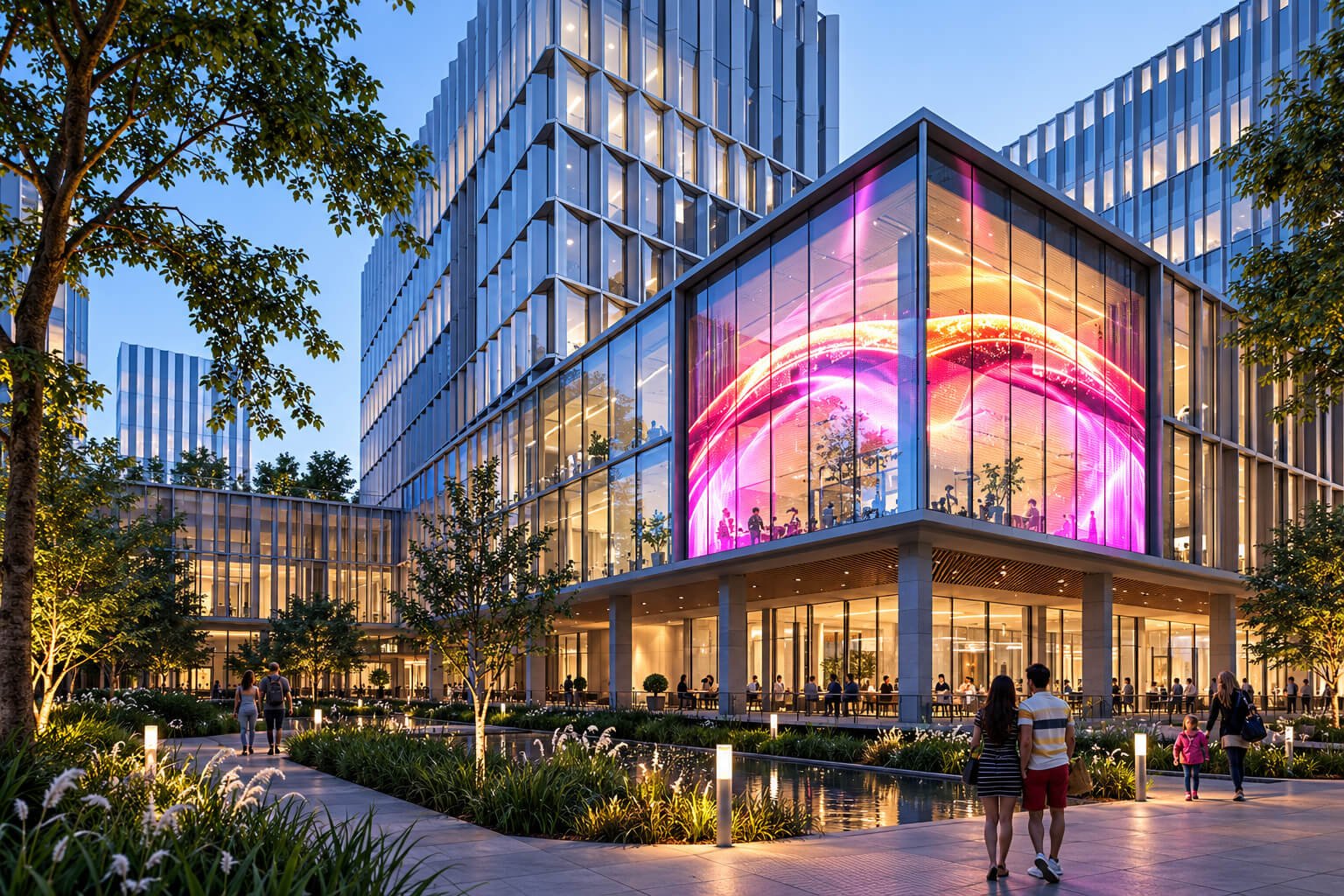
Yes. Depending on the project, it can be reviewed for glass-mounted, hanging, stacking or fixed installation. Glass is an option, not a universal requirement.
Can it be installed on glass?
Yes. Glass installation can be reviewed according to the glass condition, display size, cable route, support method and maintenance access.
Can it be suspended?
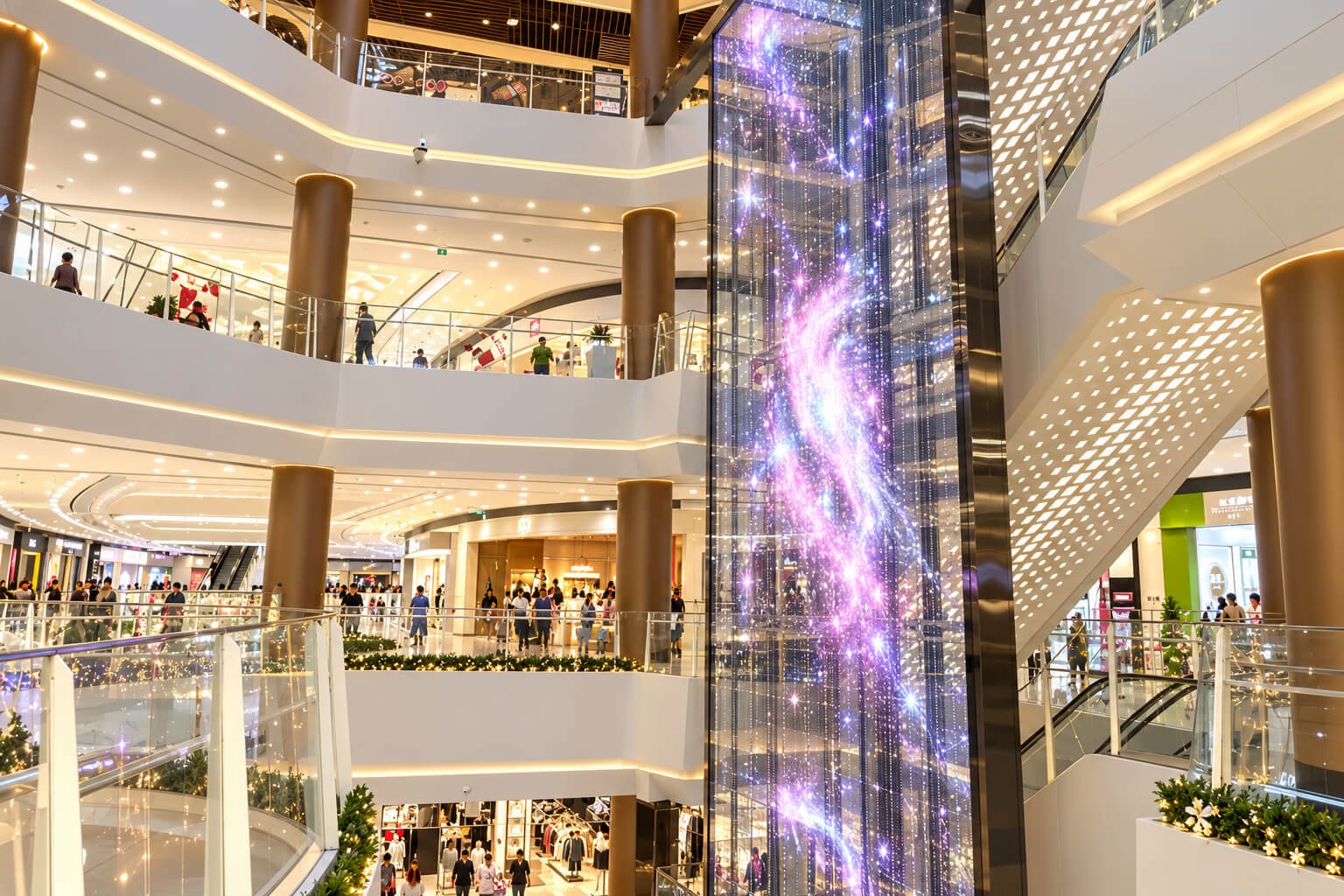
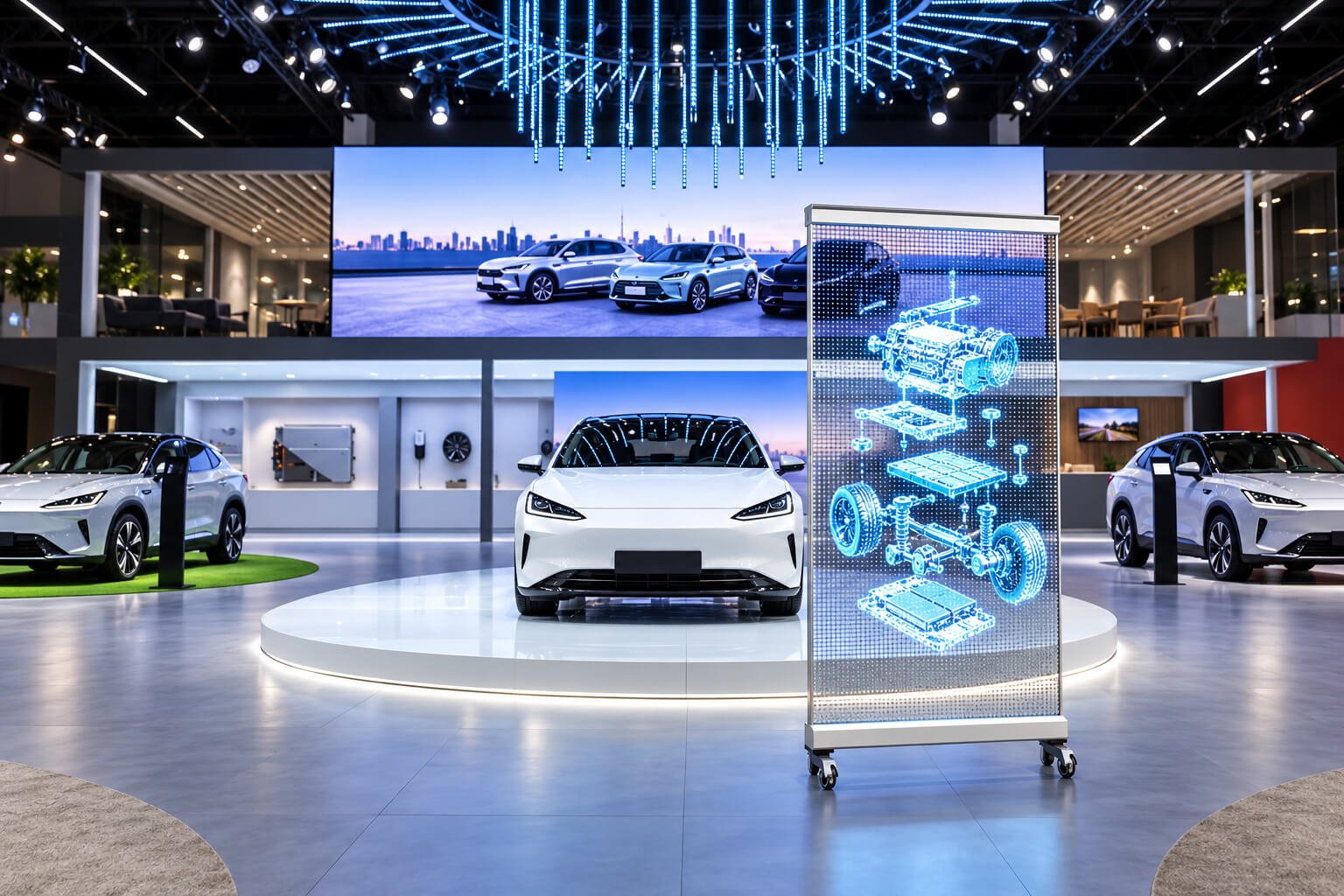
Yes. Project-specific suspension structures can be reviewed for indoor exhibitions, showrooms and creative spaces. Loads, attachment points, cable routing and maintenance access must be engineered for the site.
Is it suitable for close viewing?
The finer configurations provide stronger detail than larger-pitch transparent LED screens, but the best distance depends on pitch, content, screen size and lighting. Critical close-viewing projects require a content and site test.
Can it be used outdoors?
The finished hanging and mobile systems list IP20; the retained indoor module platform lists IP43; the new COB platform lists IP62. These are separate configurations. None of those references alone establishes suitability of the complete display for exposed rain. Review protected glazing projects separately and use a dedicated outdoor product for exposed installations.
What content works best?
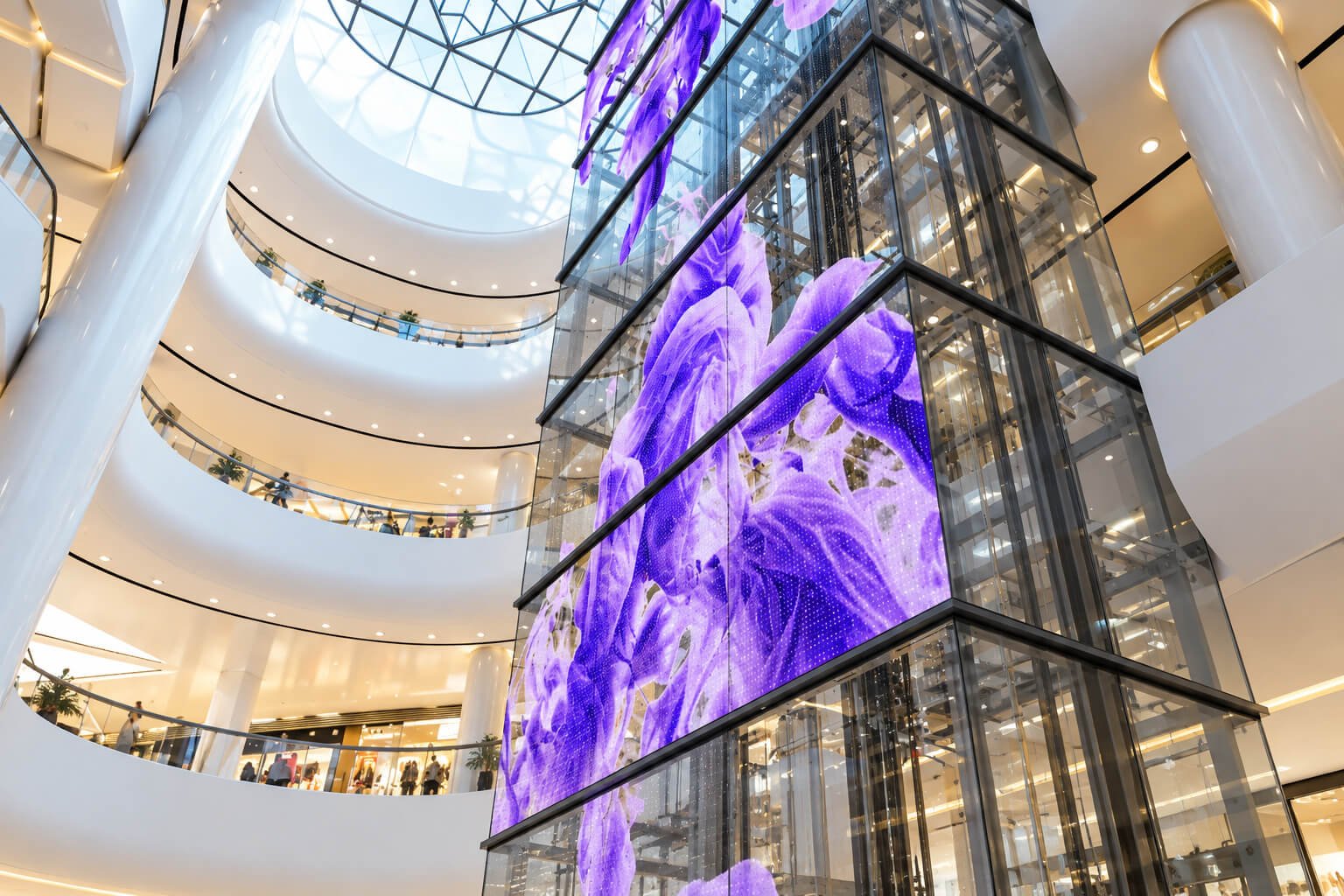
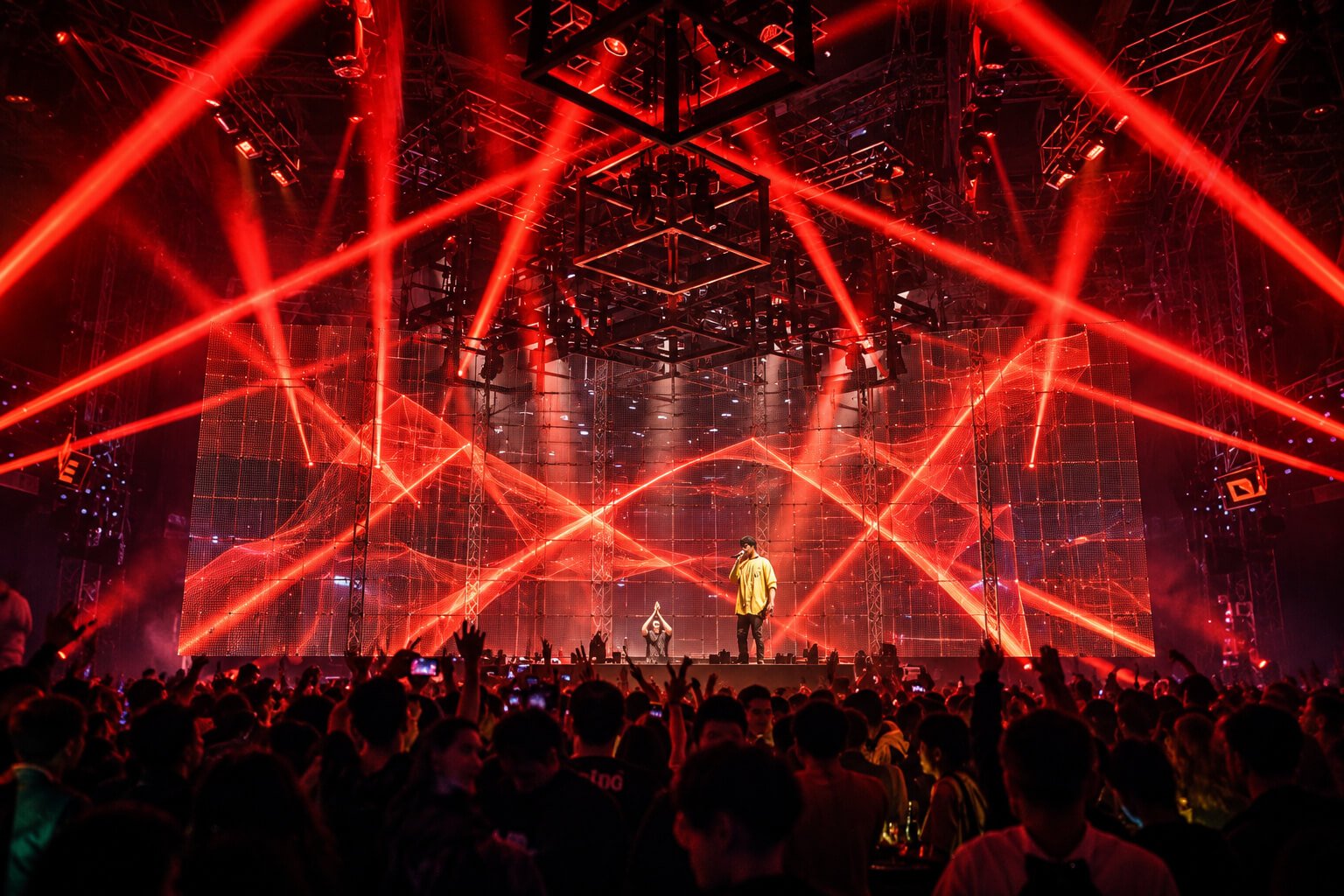
High-contrast animation, floating product visuals, large logos, digital art, simple messages and content designed around the visible background work best.
What content should be avoided?
Avoid dense documents, small text, complex charts, fine technical drawings, detailed menus and low-contrast video.
Which control and video inputs are supported?
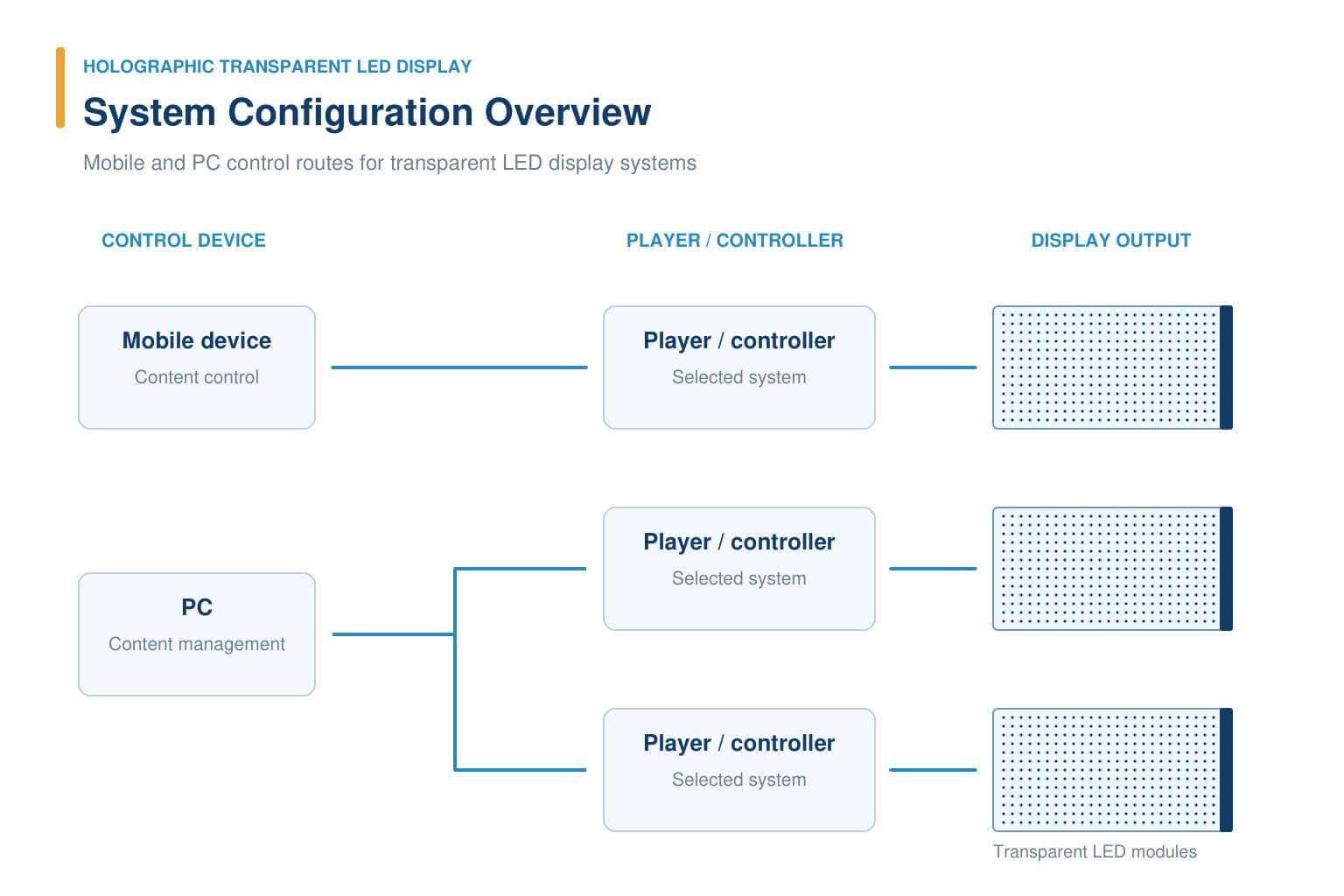
HDMI or DVI can be connected through a compatible video processor or controller. Synchronous or asynchronous playback and any additional interfaces are selected for the project.
What information is needed for a quotation?
Please provide screen dimensions, installation method, viewing distance, site photos or drawings, background and lighting conditions, content type, cable and power locations, quantity, budget, schedule and shipping destination.
What is different about the COB holographic version?
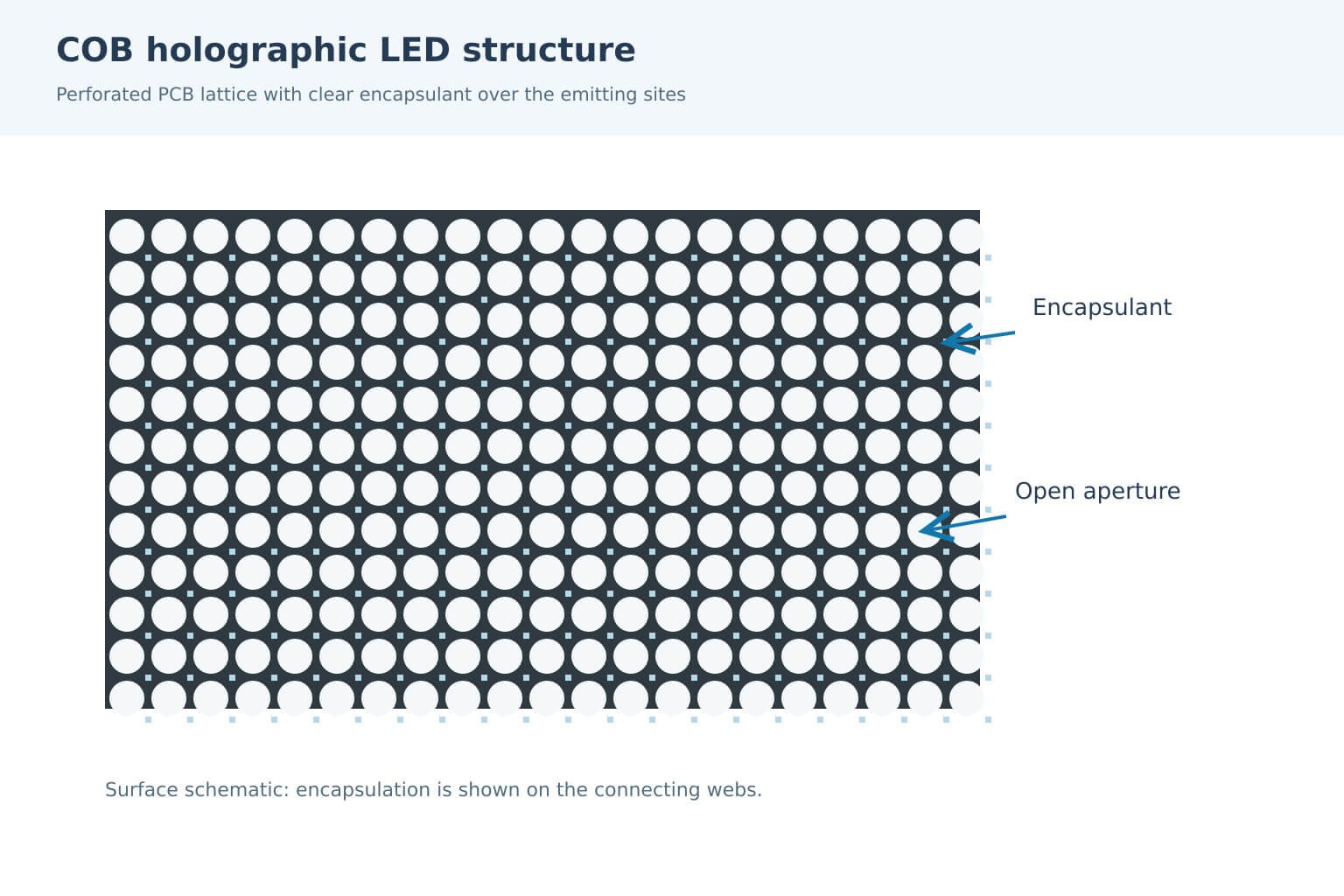
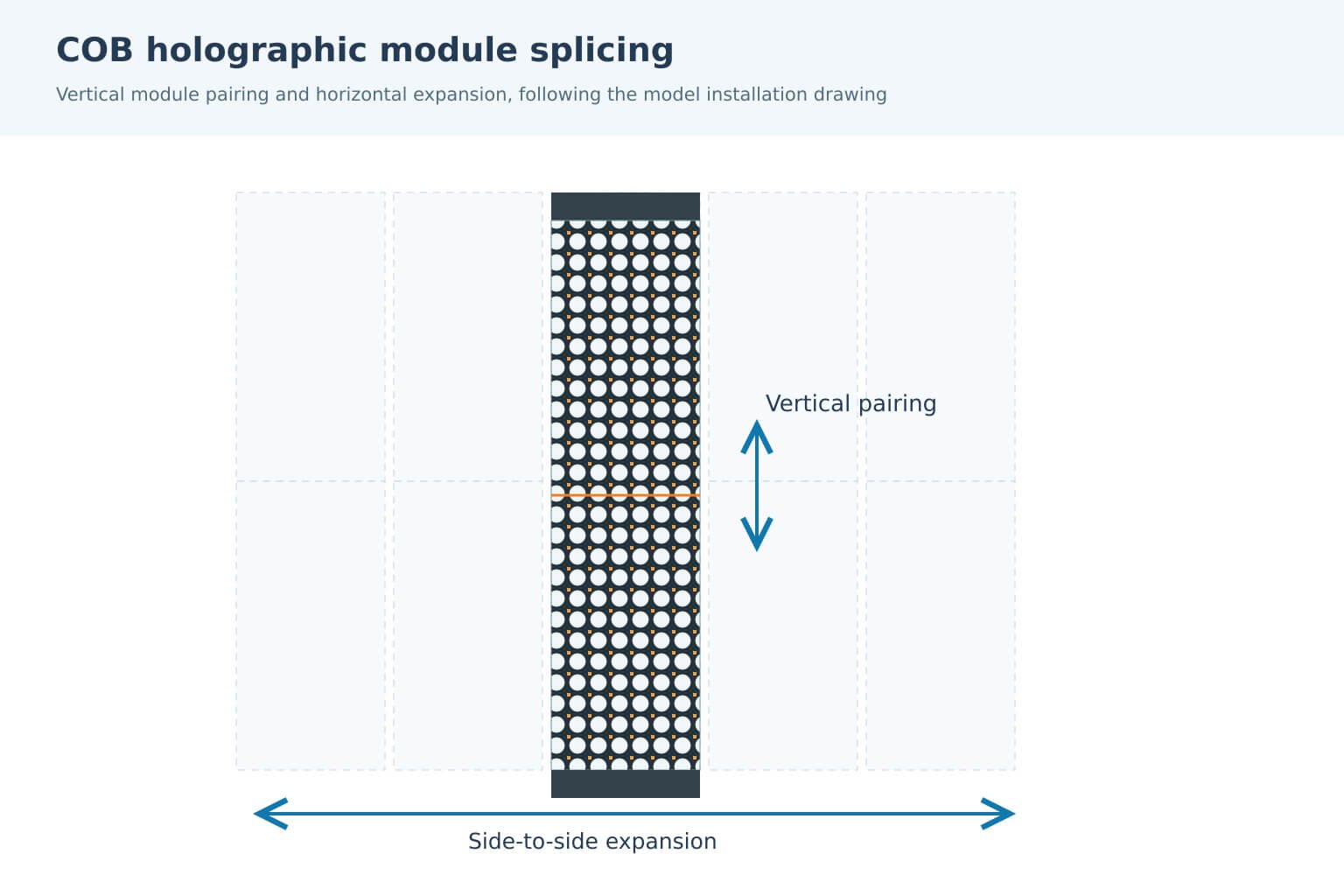
It uses flip-chip COB packaging on a flexible perforated PCB with clear encapsulation over the emitting sites. It remains in the Holographic Transparent LED Display family; its model specifications are separate from conventional packaged LED systems.
Is COB holographic LED the same as COB flexible LED film?
No. COB holographic modules use a perforated PCB, while the COB flexible film platform uses a transparent PET carrier. They belong to different existing product categories and have different dimensions, pitch ranges and installation requirements.
Are all P3.91 configurations interchangeable?
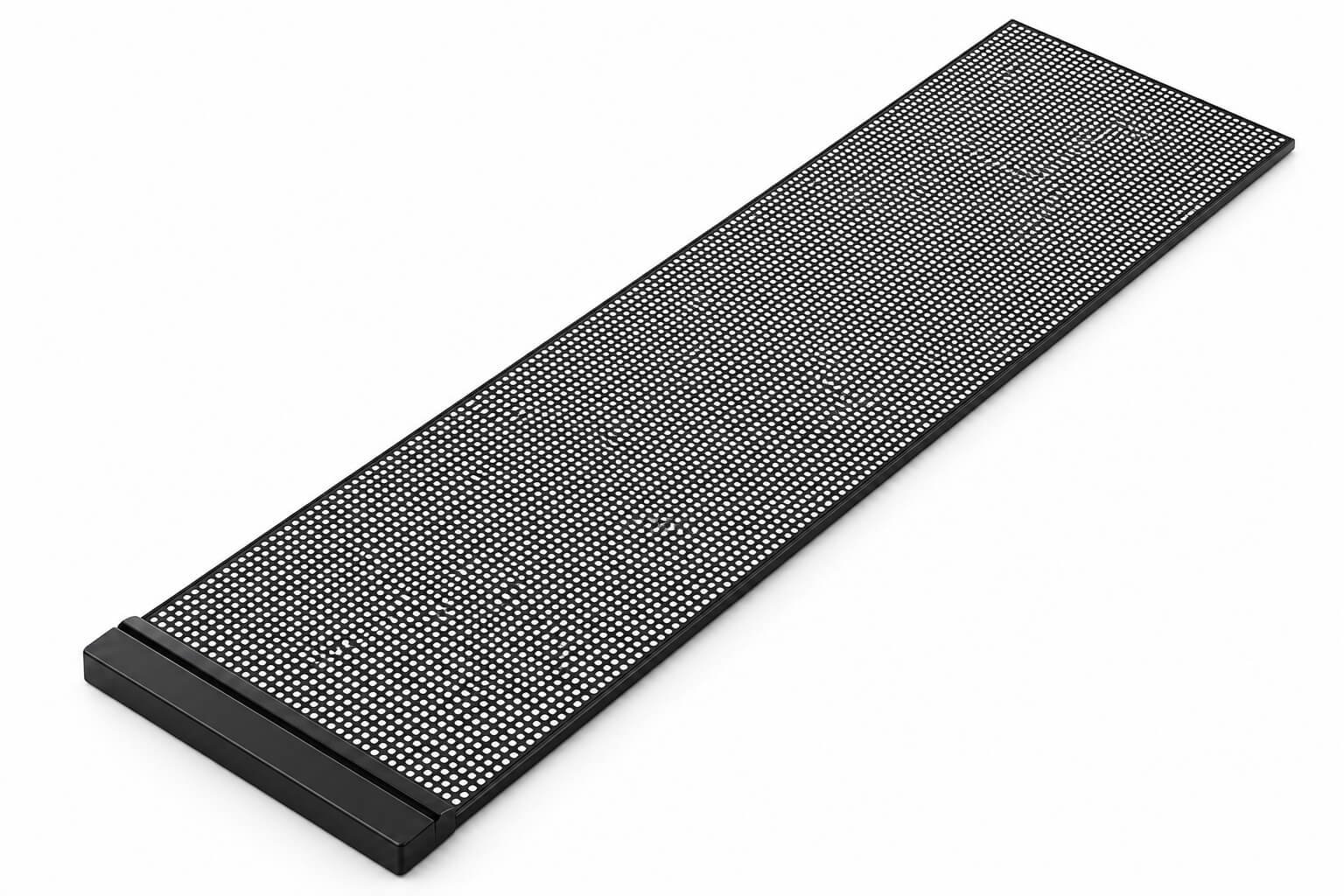
No. P3.91 identifies nominal pixel spacing, not one universal product. Finished systems, the retained 250 × 1000 mm COB configuration and the new 250 × 1500 mm COB module format have separate dimensions, power, brightness and protection references.
Does encapsulant transmission equal screen transparency?
No. The light transmission of a clear encapsulation material is a different measurement from the visual transparency of the complete display. Use the selected model’s whole-screen transparency reference when comparing configurations.
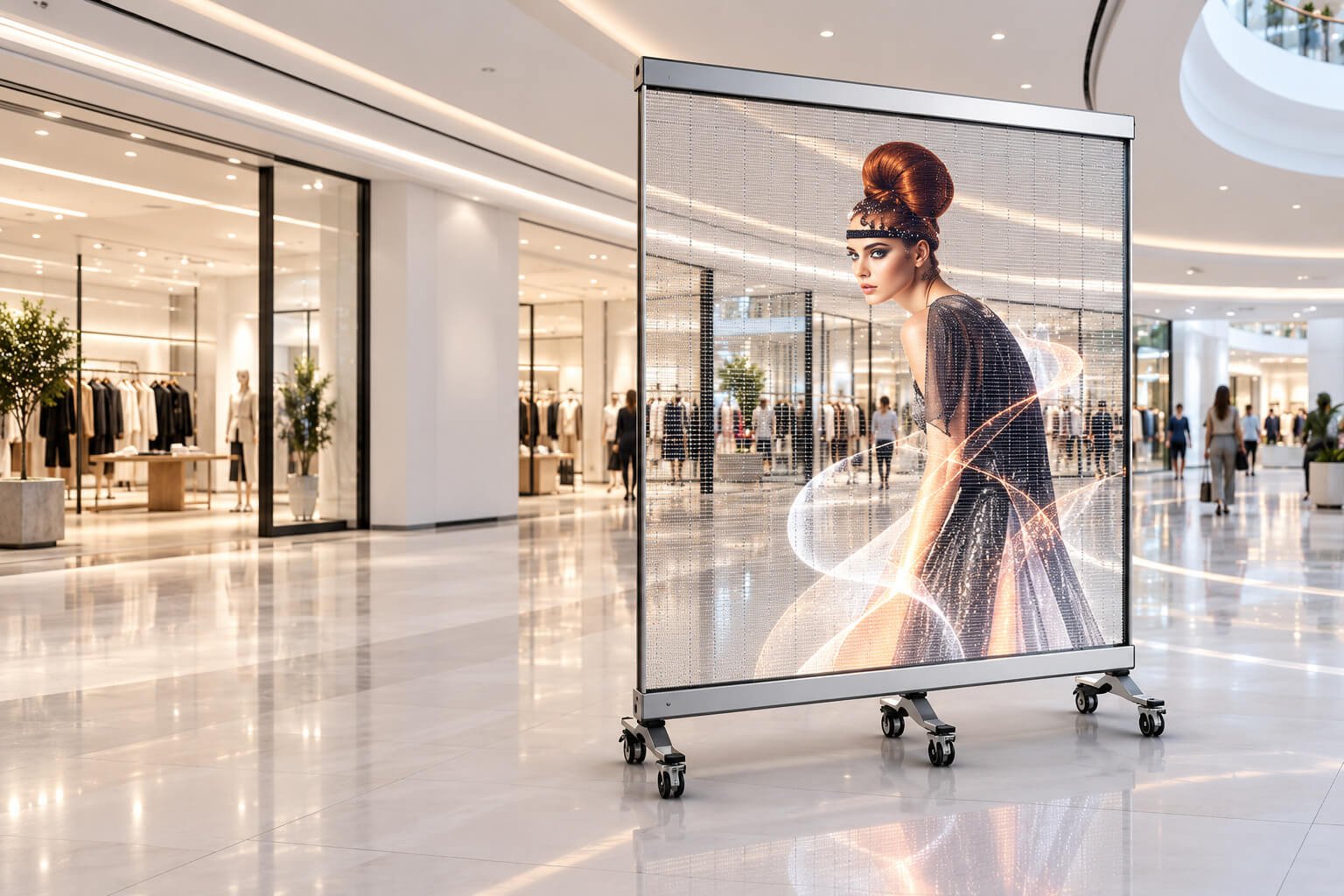
Can the display be moved while operating?
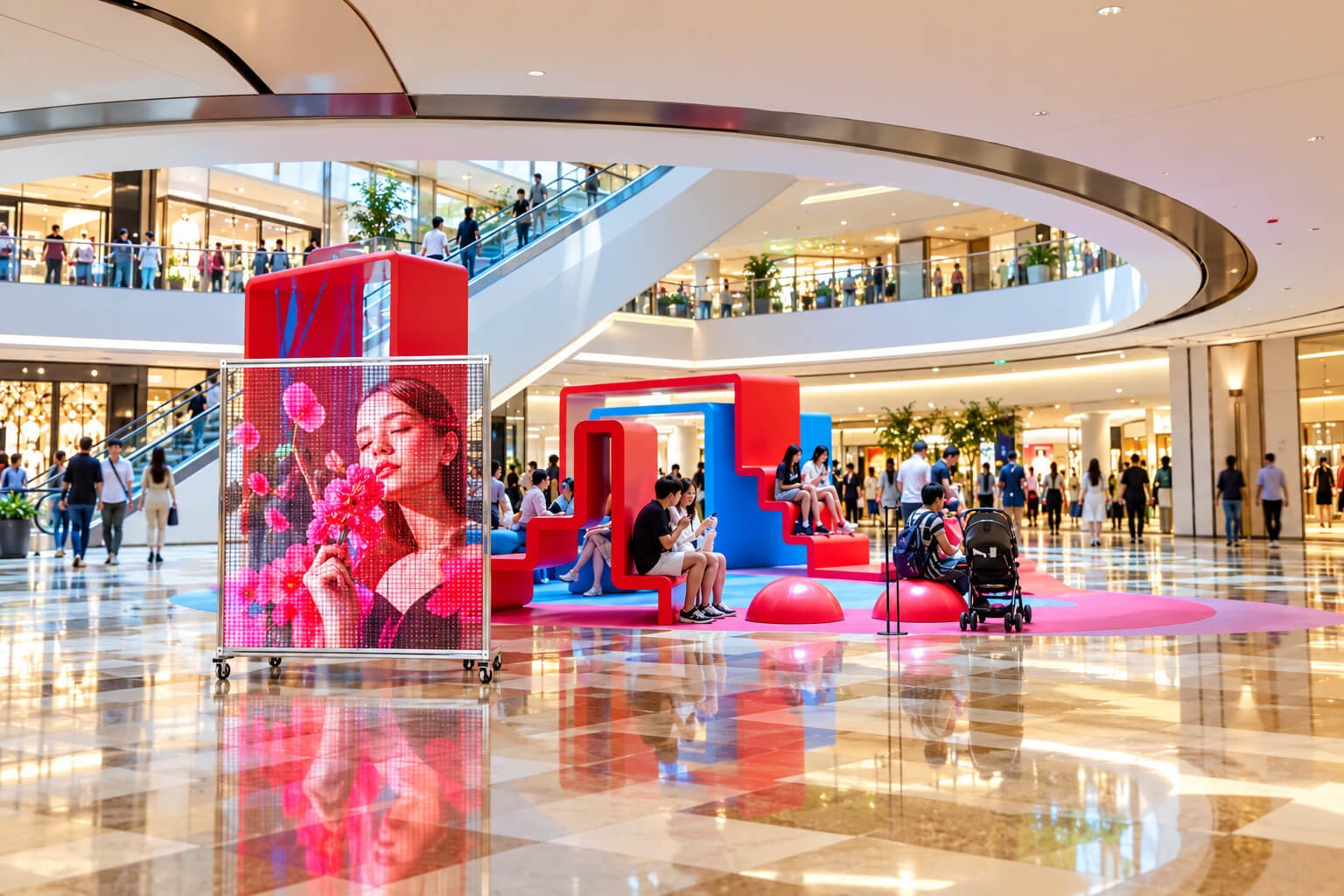
A mobile format requires a stable support, suitable casters and a safe power and signal arrangement. Confirm the operating procedure with the finished-system design; do not assume every freestanding installation is approved to move while energized.