Sourcing Monochrome LCD Dispaly Module Just in One Place

- The Ultimate Solutions

You need more than just a display, you need a veteran supplier who has been in the field for 20 years to build your brand and grow your profits. Let DISPLAYMAN help you achieve business success.

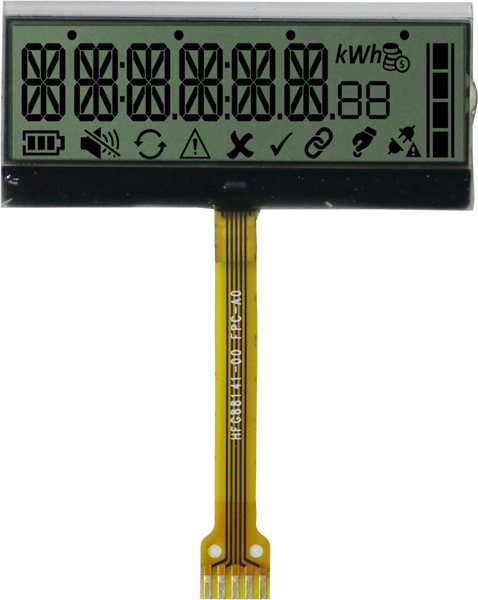
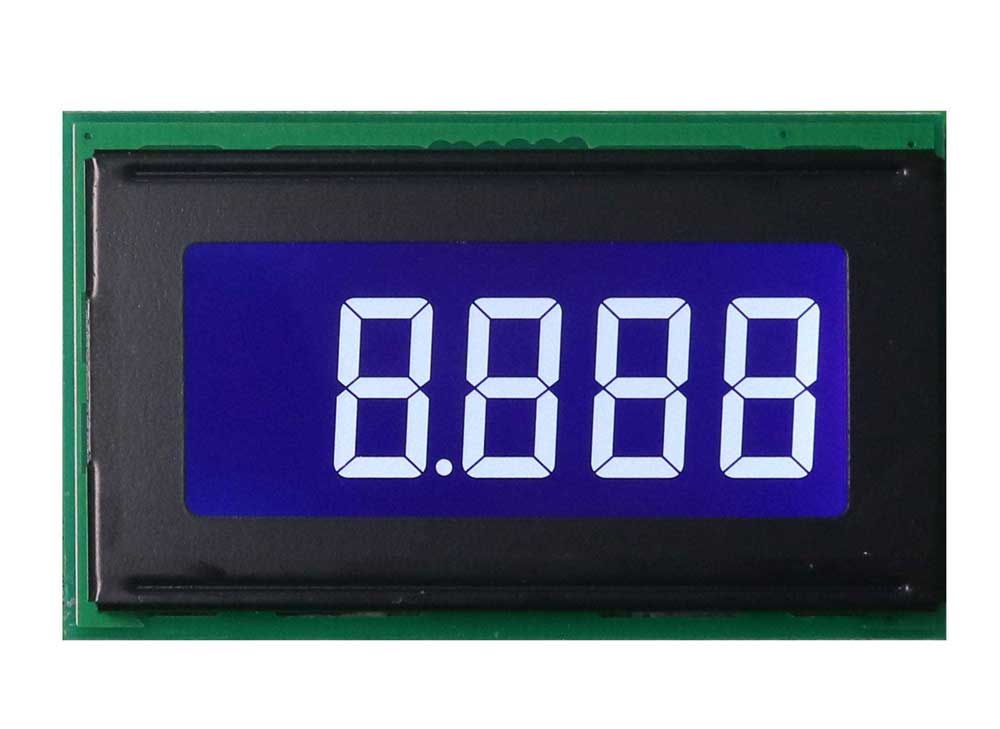
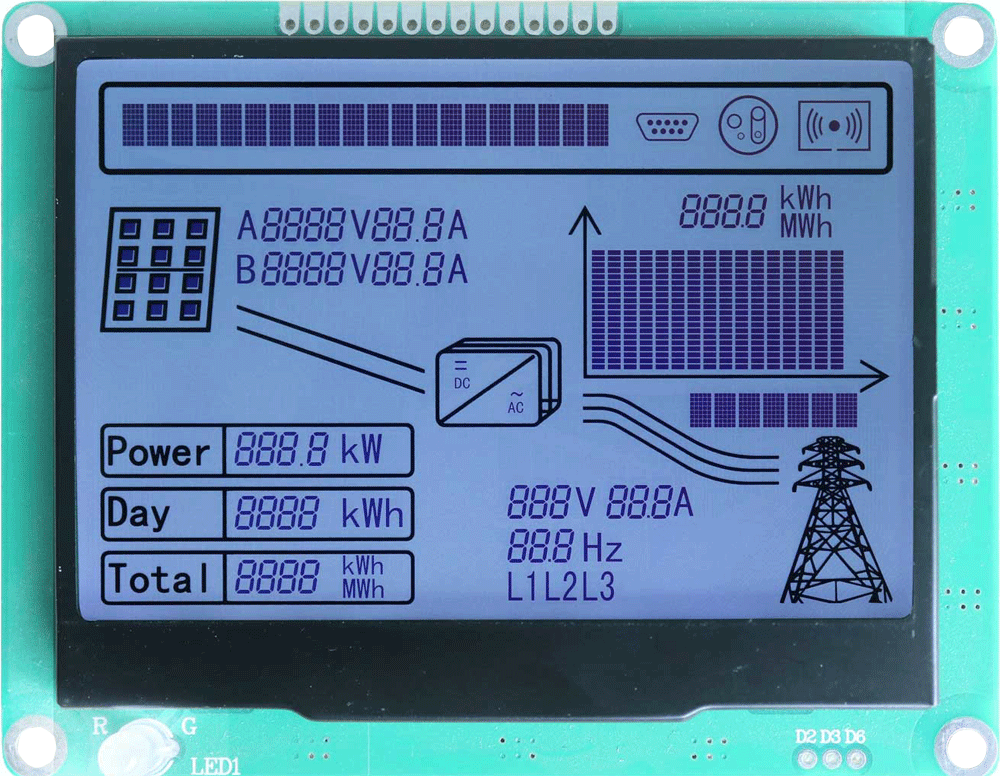
FSTN Dot Matrix and Segment Positive Display Grey Background and Blue Letters COB LCD Module for Electricity Meter.png

DISPLAYMAN is among the top monochrome LCD Display module manufacturers in China. We have been supplying both small and large companies with eco-friendly and ISO-certified monochrome LCD modules in different structures, including COB structure,  COG structure, and hybrid structure, standard dot-matrix LCD modules, including graphic LCD module and character LCD module, at wholesale for 2 decades. 

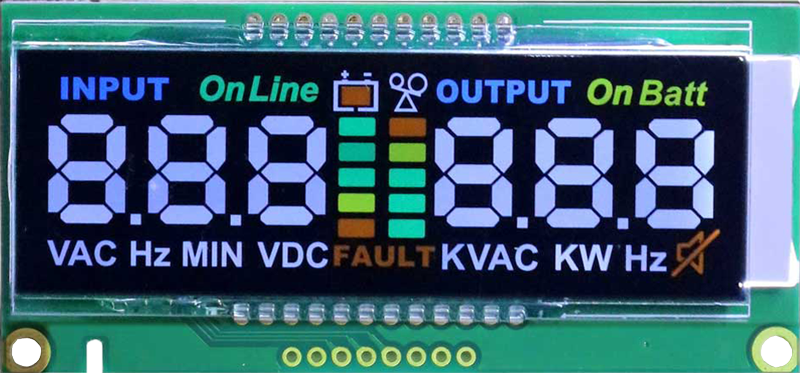
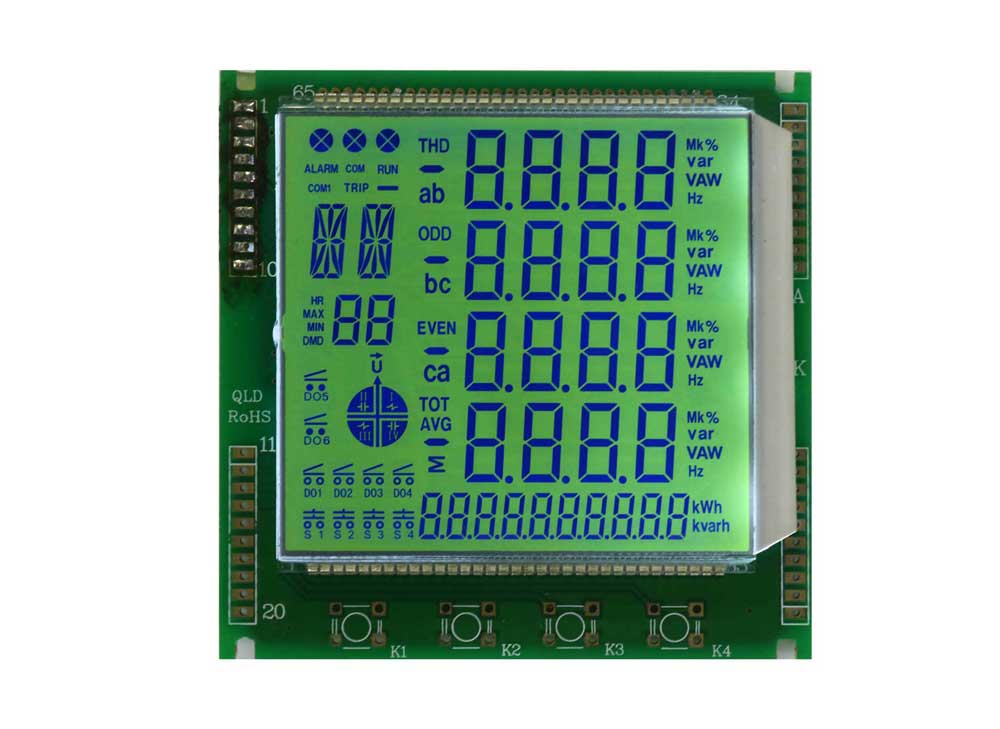
VA Segment Negative Display Multi color Silk printing Black Background and White Letters COB LCD Module for Hi fi Equipment.jpg

COB LCD Displays

One low cost, stable, usually used in LCD display module with sophisticated and complex functions. Simple monochrome COB LCD display module could be replaced by monochrome COG LCD displaymodule .

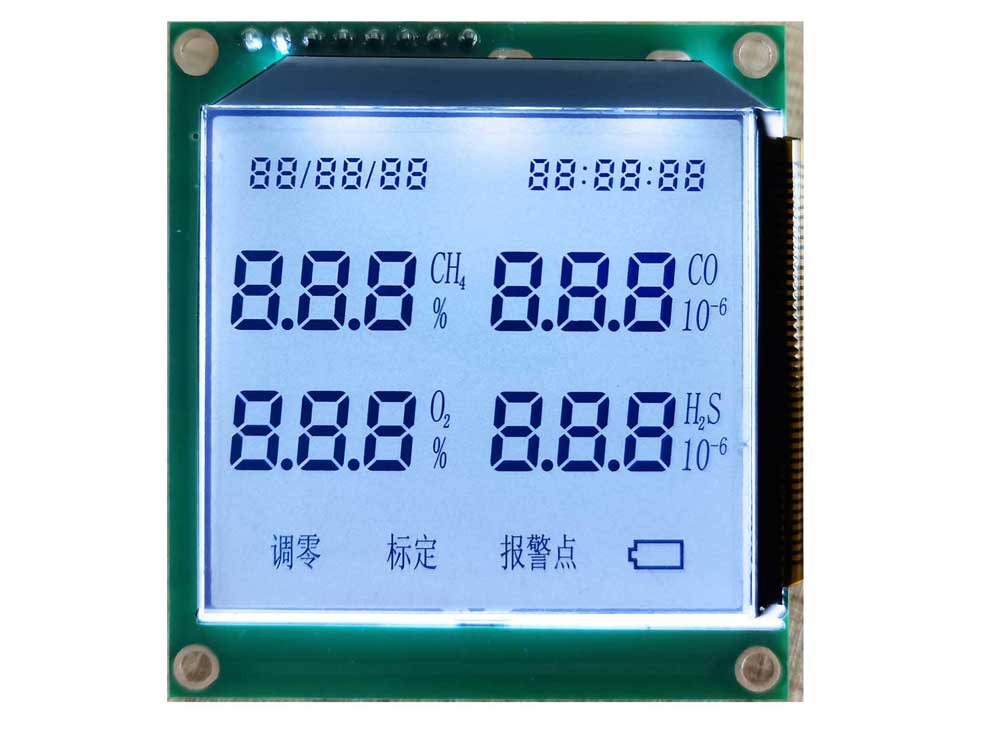
TN Segment Positive Display Grey Background and Black Letters COG LCD Module.jpg

COG LCD Displays

One low cost, steady and compact size monochrome COG LCD Display Module, simple structure and easy for mass production.

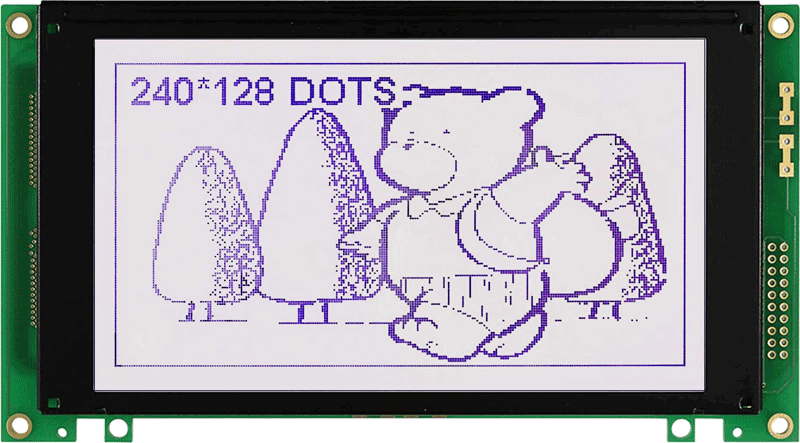
240 by 128 graphic LCD module.jpg

Graphic LCD Displays

One low cost, standard dot matrix LCD Display module, with no tooling fee, format of graphic resolution including 122x32, 128x64, 128x128, 144x32, 160x160, 192x64, 192x128, 240x128, 320x240 and etc

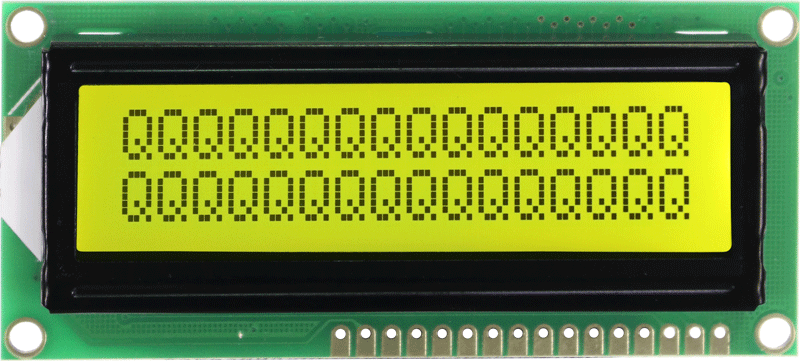
20 by 2 Character STN Positive Display Yellow Background Black Letters COB LCD Module.jpg

Character LCD Displays

One low cost, standard dot matrix LCD display module, with no tooling fee, available from 8x2, 12x2, 16x1, 16x2, 16x4, 20x2, 20x4, through to 40x4 formats with 5x8 dot matrix characters.

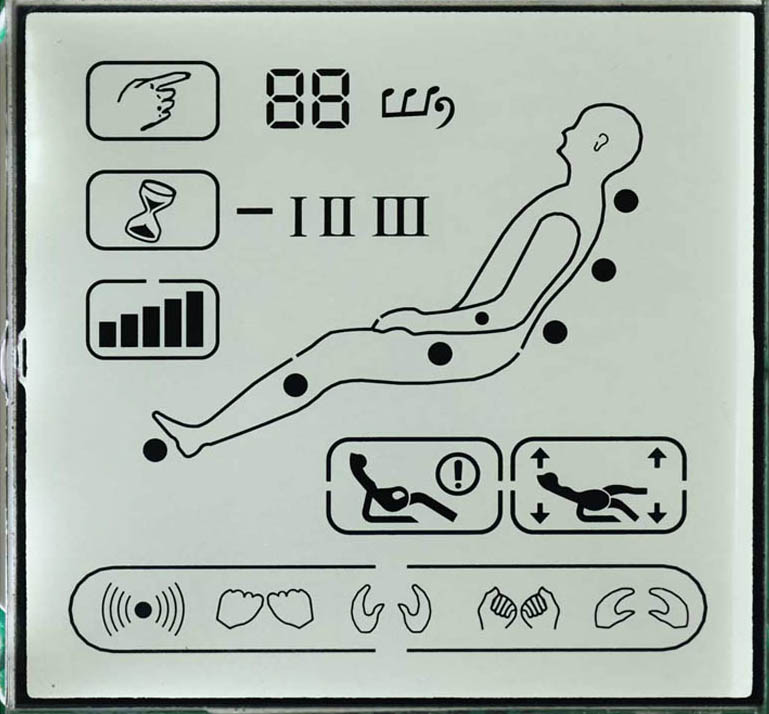
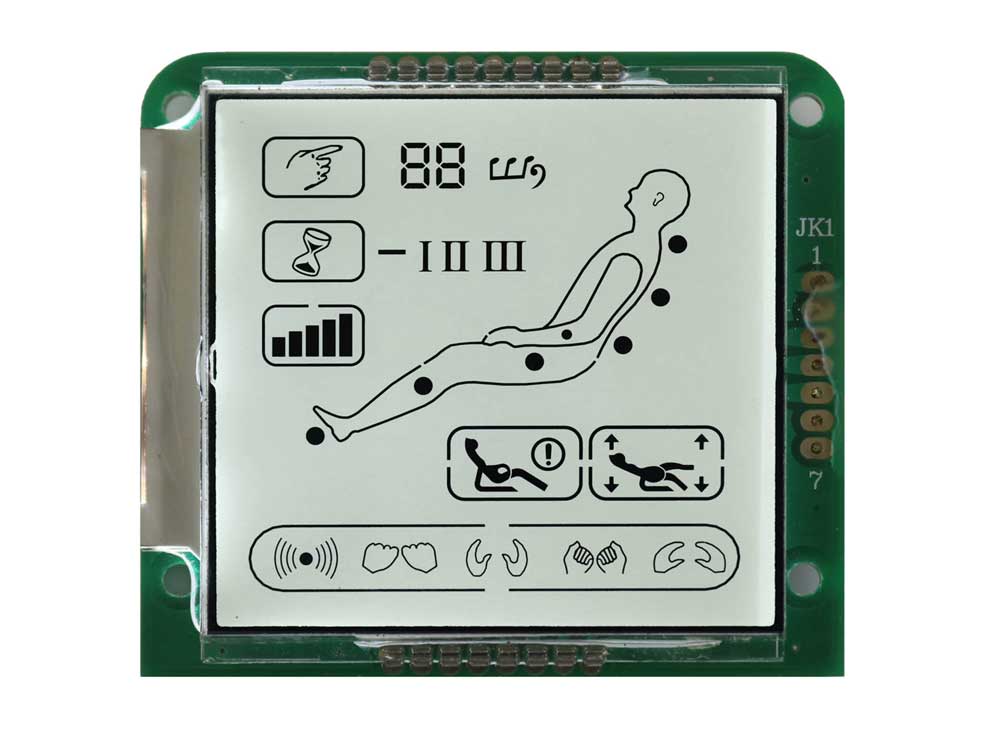
TN Segment Positive Display Grey Background and Black Letters LCD Panel for Massage Chair.jpg

Segment LCD displays

Only be used for simple display content of numbers and patterns at a specified position. Number “8” is composed of 7 segments

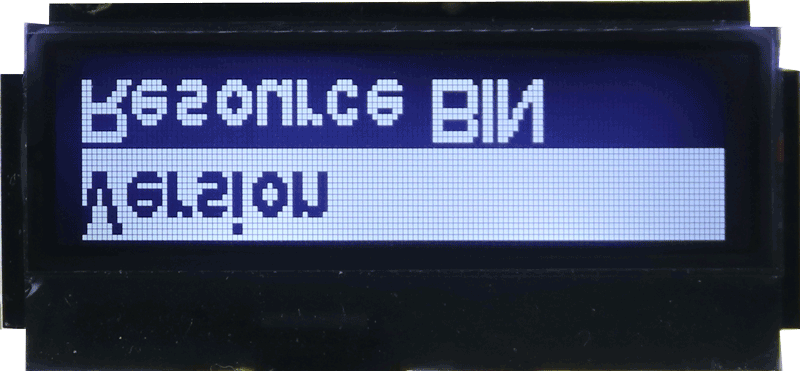
128 by 32 Dot Matrix FSTN Negative Display Blue Background and White Letters COG LCD Module 1.jpg

Dot Matrix LCD Displays

It consists of many arrays of dots. Each dot is independently controlled and it can display complex variable character or pattern.

Feature Products

There are more than 100 new prototypes being developed every month and only a few selected typical feature products are displayed. 

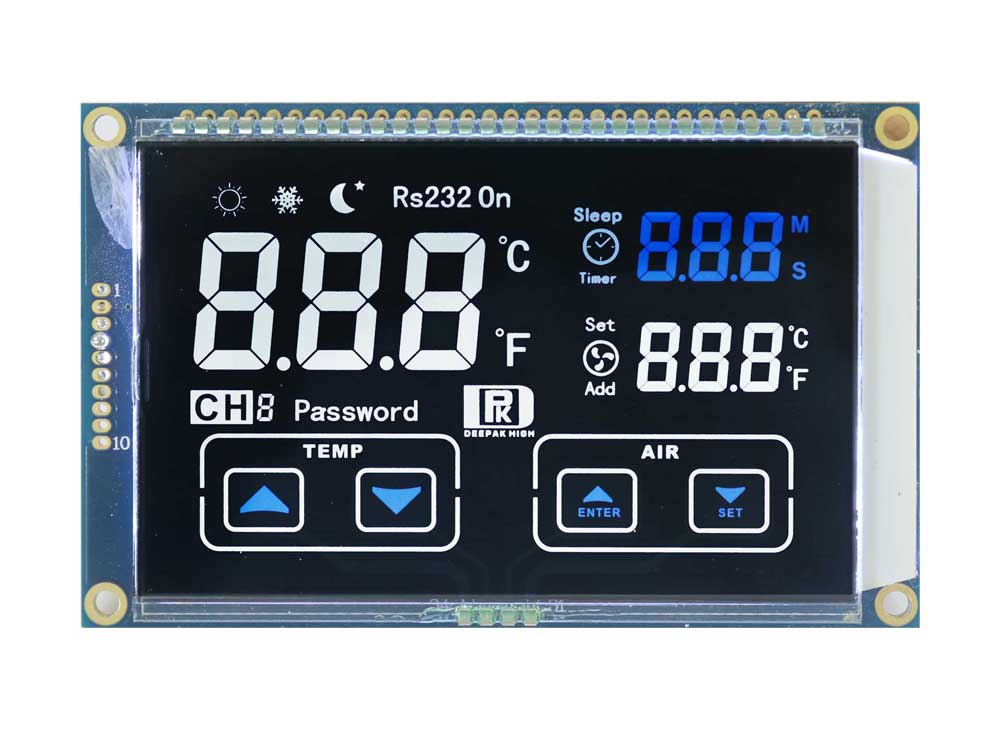
Display Type: VA / Segment

Display Size: Customized

Display Mode: Negative

Display effect: Black Background and White Letters with Blue Silk Printing

The Structure of LCD Module: COB LCD Module with Touch Button

Application: Air Conditioner

Display Type: FSTN / Segment

Display Size: Customized

Display Mode: Positive

Display effect: Grey Background and Blue Letters

The Structure of LCD Module: COB LCD Module with Touch Button

Application: Air Purifier

Display Type: STN / Segment

Display Size: Customized

Display Mode: Negative

Display effect: Blue Background and White Letters

The Structure of LCD Module: COB LCD Module with Touch Button

Application: Fueling Equipment

Display Type: STN / Segment

Display Size: Customized

Display Mode: Positive

Display effect: Yellow-green Background and Blue Letters

The Structure of LCD Module: COB LCD Module

Application: Electricity Meter

Display Type: TN / Segment

Display Size: Customized

Display Mode: Positive

Display effect: Blue Background and White Letters 

The Structure of LCD Module: COB LCD Module

Application: Massage Chair

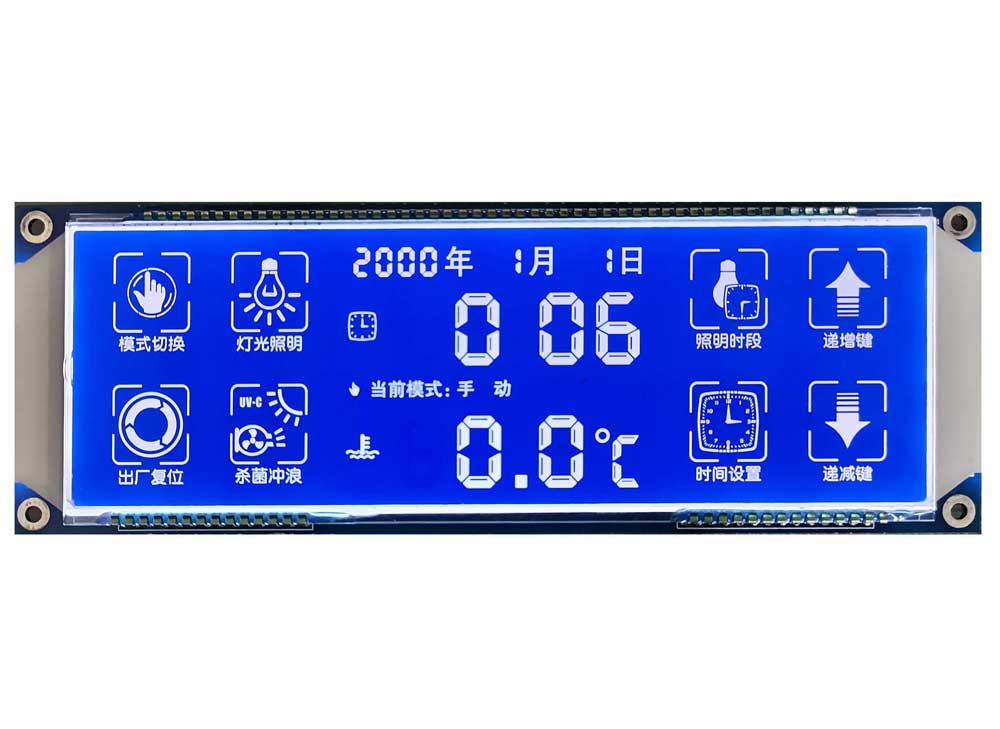
Display Type: HTN / Segment

Display Size:Customized

Display Mode: Negative

Display effect: Blue Background and White Letters 

The Structure of LCD Module: COB LCD Module

Application: Illumination Equipment

Custom and Standard Monochrome LCD Modules for OEM Devices and Industrial Products

DisplayMan supplies Monochrome LCD Displays for meters, instruments, controllers, medical devices, home appliances, industrial equipment, power devices and embedded electronic products.

Monochrome LCD is used when the product needs clear and cost-effective information such as digits, text, icons, symbols, menus, status messages or basic graphics rather than full-color images or video.

This page is the main product entry for Character, Graphic, Segment, Dot Matrix, COB and COG LCD directions.

A Monochrome LCD Project Can Include

  • Character, Graphic, Segment or Dot Matrix display content
  • COB or COG module structure
  • TN, HTN, STN, FSTN or VA technology
  • Positive or negative display effect
  • Reflective, transmissive or transflective mode
  • PIN, zebra, FPC or connector integration
  • Optional LED backlight and color printing
  • Touch buttons, PCB and mechanical support
Core Product Positioning

Choose Monochrome LCD Displays when the product needs simple, reliable and cost-effective display information without full-color TFT LCD complexity.

Monochrome LCD Product Categories

Monochrome LCD products use two overlapping classification systems. Character, Graphic, Segment and Dot Matrix describe the display content. COB and COG describe how the driver IC and module are constructed.

First: Select by Display Content

Fixed Character Rows

Character LCD Displays

For text, numbers, simple menus and status messages in formats such as 16×2, 20×4 and similar character-cell layouts.

Explore Character LCD Displays →
Pixel-Based Graphics

Graphic LCD Displays

For icons, menus, diagrams, curves and flexible monochrome UI controlled through a pixel matrix.

Explore Graphic LCD Displays →
Fixed Custom Content

Segment LCD Displays

For custom digits, icons, symbols, units and low-power fixed information built directly into the LCD glass.

Explore Segment LCD Displays →
Pixel Matrix Structure

Dot Matrix LCD Displays

For software-controlled monochrome text, icons, symbols and simple graphics arranged by rows and columns of pixels.

Explore Dot Matrix LCD Displays →

Second: Select by Module Structure

IC on PCB

COB LCD Displays

PCB-based modules with the driver IC bonded on the PCB, suitable for connector, backlight, touch-button and mechanical integration.

Explore COB LCD Displays →
IC on Glass

COG LCD Displays

Compact modules with the driver IC bonded directly on glass, suitable for thinner and space-limited products.

Explore COG LCD Displays →
These Categories Can Overlap

A Segment LCD can use COB structure. A Graphic or Dot Matrix LCD can use COG structure. Display content and module structure should be selected separately.

Content First, Structure Second

The most reliable selection process starts from what the screen must display, then determines the most suitable module construction.

Project RequirementRecommended DirectionWhy
Fixed rows of letters and numbersCharacter LCD DisplaysStandard character-cell layouts are enough
Icons, menus and simple graphicsGraphic LCD DisplaysPixel-based layout is required
Fixed digits, symbols and iconsSegment LCD DisplaysCustom fixed content and low power are priorities
Pixel-based text and simple graphicsDot Matrix LCD DisplaysSoftware-controlled pixels are required
PCB-based module with bonded ICCOB LCD DisplaysPCB-level integration and assembly flexibility matter
Compact module with IC on glassCOG LCD DisplaysLower thickness and reduced module footprint matter
Low-power meter or appliance displaySegment LCD or reflective monochrome LCDSimple fixed content and low power
Replacement for an old LCDCustom monochrome LCD reviewExact glass, pin, interface and structure matching is required
Custom display glass onlyLCD Glass PanelsNo complete module structure is required
Full-color UI, images or videoTFT LCD DisplaysMonochrome LCD is not the correct visual platform
1

Confirm Display Content

Text rows, fixed digits, custom icons, menus or pixel-based graphics.

2

Choose Content Type

Character, Graphic, Segment or Dot Matrix.

3

Choose Standard or Custom

Use a standard module where possible; customize when the display or structure cannot be matched.

4

Choose COB or COG

PCB integration and rigidity versus compact size and lower thickness.

5

Review Optical and Electrical Design

LCD technology, display mode, backlight, interface, driver and connection.

6

Validate Mechanics and Production

Outline, viewing direction, temperature, tooling, MOQ, sample and schedule.

Reference Monochrome LCD Product Examples

These examples show common product directions. Final specifications must be confirmed according to display content, LCD technology, module structure, backlight, connection, dimensions and quantity.

Reference TypeDisplay ContentLCD / StructureTypical Display EffectTypical Use
VA Segment LCDFixed icons and symbolsCOB LCD module with touch buttonsBlack background with white contentAir conditioners, appliances and premium panels
FSTN Segment LCDFixed icons and status contentCOB LCD module with touch buttonsGrey background with dark or blue contentAir purifiers, controllers and appliances
STN Segment LCDDigits and symbolsCOB LCD moduleBlue or yellow-green effectFueling equipment and electricity meters
TN Segment LCDSimple fixed contentCOB or COG modulePositive display effectMassage chairs, meters and simple controllers
Character LCDFixed text rowsCOB LCD module16×2, 20×4 and related formatsInstruments, controllers and embedded devices
Graphic LCDPixel-based graphicsCOB or COG module128×64, 240×128 and related resolutionsIndustrial panels, meters and medical devices
Dot Matrix LCDPixel matrix contentCOG or COB moduleText, icons and simple graphicsHandheld devices, control panels and instruments

What Are Monochrome LCD Displays?

Simple Information Display

Numbers, text, icons, symbols, menus, status messages and basic graphics.

Multiple Content Structures

Fixed character cells, fixed custom segments or software-controlled pixel matrices.

Multiple Module Structures

Bare LCD glass, COB module, COG module, backlight, FPC, connector and PCB integration.

Typical Monochrome LCD Content

  • Numbers
  • Text
  • Icons
  • Symbols
  • Menus
  • Status messages
  • Simple graphics
  • Fixed display content
  • Low-power device interfaces
Core Line

Monochrome LCD Displays are practical when the product needs clear, simple and stable information without the complexity of a full-color display system.

Monochrome LCD Technologies and Display Modes

LCD TechnologyTypical DirectionPractical Use
TN LCDSimple and cost-effective monochrome displayBasic Segment LCD and lower-complexity products
HTN LCDImproved contrast and viewing over standard TNSelected Segment LCD, controllers and appliances
STN LCDHigher multiplex capability and common monochrome module technologySegment, Character and Graphic LCD modules
FSTN LCDImproved contrast and readabilityGraphic and Dot Matrix LCD displays
VA LCDHigh-contrast negative display effectPremium panels, appliances and automotive-style interfaces
Display ModeDisplay EffectTypical Use
PositiveDark content on a lighter backgroundTraditional instruments, meters and controllers
NegativeLight content on a darker backgroundModern panels and backlit product interfaces
ReflectiveUses ambient lightLow-power and battery products without continuous backlight
TransmissiveRelies on backlightIndoor and negative display applications
TransflectiveUses ambient light and optional backlightProducts used under mixed lighting
Backlight Is Part of the Optical System

White, blue, green, yellow-green, orange or another project-based backlight can be reviewed. LCD technology, polarizer mode and backlight color should be selected together.

Monochrome LCD Customization Options

  • TN, HTN, STN, FSTN or VA
  • Character, Graphic, Segment or Dot Matrix content
  • COB or COG module structure
  • Positive or negative display
  • Reflective, transmissive or transflective mode
  • LCD glass size
  • Viewing area or active area
  • Segment layout or pixel resolution
  • Backlight color and structure
  • ITO glass thickness
  • 12, 3, 6 or 9 o'clock viewing direction
  • Static or multiplex driving
  • PIN, zebra, FPC or connector
  • PCB outline and mounting holes
  • Touch-button integration
  • Color silk printing
  • Cover lens or front-panel integration
  • I2C, SPI or project-based interface
  • Operating temperature
  • Existing LCD replacement
Customization Boundary

Standard Character and Graphic LCD modules may not need tooling. Custom Segment LCD glass, special outlines, special icons and custom COB or COG structures normally require tooling, MOQ, drawings and engineering validation.

Monochrome LCD Product Comparisons

Content Classification vs Structure Classification

ClassificationOptionsWhat It Defines
Display ContentCharacter, Graphic, Segment and Dot Matrix LCDWhat the display shows and how content is controlled
Module StructureCOB and COG LCDWhere the driver IC is bonded and how the module is assembled
LCD TechnologyTN, HTN, STN, FSTN and VAContrast, viewing angle, multiplex capability and display effect
Optical ModePositive, negative, reflective, transmissive and transflectiveBackground effect, illumination and ambient-light behavior

Monochrome LCD vs TFT LCD

RequirementMonochrome LCD DisplaysTFT LCD Displays
Display ContentText, digits, icons, symbols and simple graphicsFull-color graphics, images, animation and video
ColorMonochromeFull color
Cost DirectionPractical for simple information displayHigher but more flexible for modern UI
PowerCan be very low depending on designUsually higher due to backlight and processing
Custom Fixed IconsVery practical with Segment LCDNormally software-based
UI FlexibilityLimited or moderateHigh
Best ForMeters, instruments, appliances and controllersSmart terminals, HMI, touch screens and image display

Monochrome LCD vs OLED Displays

RequirementMonochrome LCD DisplaysOLED Displays
Display PrincipleUses ambient light or backlightSelf-emissive pixels
Low-Power Static DisplayVery practical, especially reflective LCDRequires lifetime and burn-in review
Fixed Icons and DigitsSegment LCD is very suitablePMOLED may be used but is not always better
Sunlight ReadabilityReflective LCD can be strongRequires careful review
Cost DirectionOften more practical for simple productsUsually higher for OLED visual effect
Best ForMeters, appliances, instruments and low-power devicesCompact products needing self-emissive OLED appearance

Typical Monochrome LCD Applications

Meters and Measurement

Energy, water and gas meters, digital meters and test instruments.

Medical Devices

Blood-pressure meters, glucose meters, analyzers and healthcare equipment.

Industrial Controllers

Machine controls, power equipment, automation and embedded interfaces.

Home Appliances

Air conditioners, air purifiers, thermostats, timers and control panels.

Power and Charging Equipment

Battery chargers, power supplies, inverters and electrical equipment.

Audio and Consumer Equipment

Audio systems, massage chairs, remote controls and embedded electronics.

Fueling and Commercial Equipment

Fueling equipment, vending equipment and commercial control products.

Laboratory and HVAC Equipment

Laboratory instruments, HVAC controllers and environmental-control devices.

Existing LCD Replacement

Projects requiring exact glass, pin, interface, backlight and structure matching.

When Monochrome LCD Is the Right Choice

Suitable For

  • Text, numbers, icons and symbols
  • Fixed content or simple monochrome UI
  • Meters, instruments and controllers
  • Low-power reflective displays
  • Character, Graphic, Segment or Dot Matrix content
  • COB or COG module integration
  • Custom glass and front-panel matching
  • Optional LED backlight
  • Cost-conscious OEM products
  • Existing LCD replacement

May Require Another Product Route

  • Full-color graphics are required
  • Images, animation or video are required
  • A modern touch-screen UI is required
  • A complete monitor or terminal is required
  • Transparent display is required
  • OLED visual effect is essential
  • The product needs a large commercial display
  • No display content or mechanical design is defined
  • The quantity cannot support custom tooling
  • A finished Android or Windows system is required
Choose the Correct Product Level

Monochrome LCD Module vs Other Display Products

This page focuses on monochrome LCD glass and modules. Use another product family when the requirement moves to full-color modules, finished displays or complete terminals.

RequirementMore Suitable Direction
Full-color TFT moduleTFT LCD Displays
Bare custom monochrome LCD glassLCD Glass Panels
Custom backlight or light guideLED Backlights
Display controller or signal conversionLCD Controller Boards
Custom cover glass or front lensCustom Touch Glass Solution
Complete interactive terminalTouchscreen All-in-One Terminals

What Information Should You Provide?

Display Content

  • Text, digits, icons, symbols or graphics
  • Character format, segment layout or resolution
  • LCD glass size
  • Viewing area or active area
  • Required LCD category if known

Optical and Electrical Requirement

  • TN, HTN, STN, FSTN or VA
  • Positive or negative mode
  • Reflective, transmissive or transflective
  • Backlight color and structure
  • Interface, driver and operating voltage

Module and Commercial Information

  • COB or COG preference
  • PIN, zebra, FPC or connector
  • Viewing direction and temperature
  • Quantity and project schedule
  • Drawing, datasheet, photos or sample
For New Segment LCD Projects

Provide a display layout showing the viewing area, digits, icons, symbols and approximate positions. For replacement projects, provide clear front, back, connector and PCB photos whenever possible.

FAQ

What is a Monochrome LCD Display?

A Monochrome LCD Display is an LCD module that shows information in one main display color or contrast mode. It is used for text, numbers, icons, symbols, menus, status messages and simple graphics.

What types of Monochrome LCD Displays do you support?

DisplayMan supports Character LCD, Graphic LCD, Segment LCD, Dot Matrix LCD, COB LCD and COG LCD display modules.

How should I start selecting a Monochrome LCD?

Start from display content. First decide whether the product needs fixed text rows, fixed custom segments or pixel-based monochrome content. Then choose the module structure, LCD technology, display mode, backlight, connection and mechanics.

What is the difference between Character LCD and Graphic LCD?

Character LCD uses fixed character cells such as 16×2 or 20×4. Graphic LCD uses a pixel matrix and can display icons, menus, diagrams and flexible monochrome layouts.

What is the difference between Segment LCD and Dot Matrix LCD?

Segment LCD uses fixed custom digits and icons built into the LCD glass. Dot Matrix LCD uses software-controlled pixels, so its text, icons and simple graphics can change.

What is the difference between COB LCD and COG LCD?

COB LCD has the driver IC bonded on the PCB. COG LCD has the driver IC bonded directly on the LCD glass. COB normally provides more PCB-level integration flexibility, while COG is usually thinner and more compact.

Can Character, Graphic or Segment LCD also be COB or COG?

Yes. Character, Graphic, Segment and Dot Matrix describe display content, while COB and COG describe module structure. These classifications can overlap.

What LCD technologies are available?

Monochrome LCD projects can use TN, HTN, STN, FSTN or VA technology depending on contrast, viewing angle, multiplex ratio, display effect, operating temperature and cost.

What display modes are available?

Positive or negative display modes and reflective, transmissive or transflective optical modes can be reviewed.

Can Monochrome LCD use LED backlight?

Yes. White, blue, green, yellow-green, orange or another project-based backlight color can be reviewed according to the LCD mode and product design.

Can Monochrome LCD include touch buttons?

Yes. Capacitive touch-button integration can be reviewed for selected COB or custom monochrome LCD module projects.

What connection structures are available?

PIN, zebra, FPC, PCB connector and project-based cable structures can be reviewed according to the LCD glass, module structure and customer PCB.

Can Monochrome LCD be used in low-power products?

Yes. Reflective Segment LCD and selected monochrome LCD designs are widely used in meters, portable devices and battery-powered products.

Does custom Monochrome LCD require tooling?

Standard Character and Graphic LCD modules may not require tooling. Custom Segment LCD glass, special outlines, special icons or custom COB and COG structures normally require tooling, MOQ and engineering review.

Can you replace an existing Monochrome LCD?

Yes. Please provide the old LCD model, photos, drawing, glass size, pin definition, connector, interface, backlight, driver information and sample if available.

When should I choose TFT LCD instead?

Choose TFT LCD when the product needs full-color graphics, images, video, animation, modern graphical UI or a touch-screen interface.

When should I choose OLED instead?

Choose OLED when self-emissive contrast, thin structure or OLED visual effect is essential. For low-power fixed content, reflective readability or cost-sensitive products, Monochrome LCD may be more practical.

What information is required for quotation?

Please provide display content, LCD category if known, glass size, viewing area, segment layout or resolution, display mode, LCD technology, backlight, module structure, connection, interface, viewing direction, temperature, quantity, schedule and available drawings or samples.

Start Your Monochrome LCD Display Project

Send us the display content, LCD size, viewing area, display mode, backlight, module structure, connection, interface, temperature, quantity and schedule.

DisplayMan will review whether a standard Character, Graphic or Dot Matrix module is suitable, or whether a custom Segment, COB, COG or LCD glass solution is required.

Select display content first, then choose module structure. Appearance alone is not enough—driving, connection, backlight and mechanical integration must be reviewed together.

Send Your Display Requirement

Please share your application, display size, quantity and project background. We will review the most practical display direction.