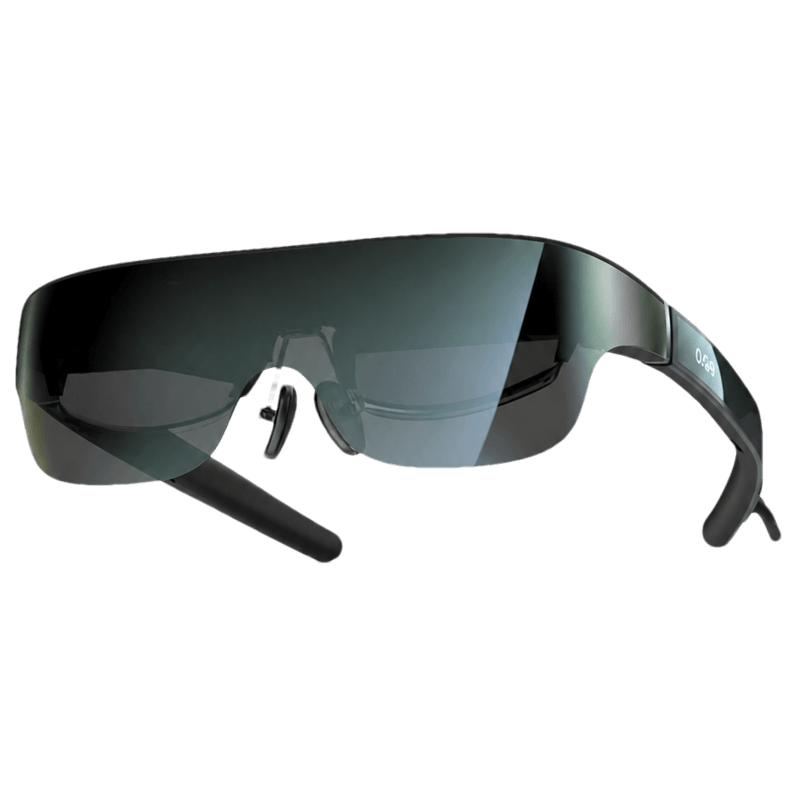
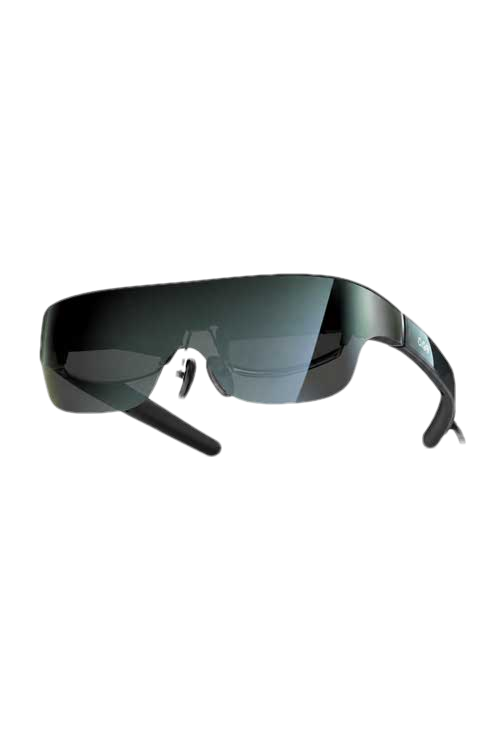
PGlass-1C 0.49″ Near-Eye Display Glasses
An integrated wearable viewing direction built around a compact 0.49-inch Full HD Micro OLED image source.
Best fit: Wearable display prototypes, portable viewing and integrated near-eye product evaluation.
Integrated and project-specific Micro OLED viewing directions for wearable displays, compact projection glasses and specialized near-eye instruments.

This category covers available Micro OLED near-eye products that do not fit the standard Birdbath Optical Engine, Pancake Optical Engine or enclosed EVF Optical Module formats.
The current directions include integrated PGlass near-eye glasses, split-type projection glasses and a compact 0.32-inch freeform-prism optical module. Each combines the image source, optical architecture, electronics or mechanical arrangement in a different way.
These are real manufacturer product directions. Resolution, brightness, input interface, control box, driver electronics, cable configuration and availability should still be confirmed against the required project.
Start from the closest available architecture, then confirm the display, signal input and mechanical configuration.

An integrated wearable viewing direction built around a compact 0.49-inch Full HD Micro OLED image source.
Best fit: Wearable display prototypes, portable viewing and integrated near-eye product evaluation.

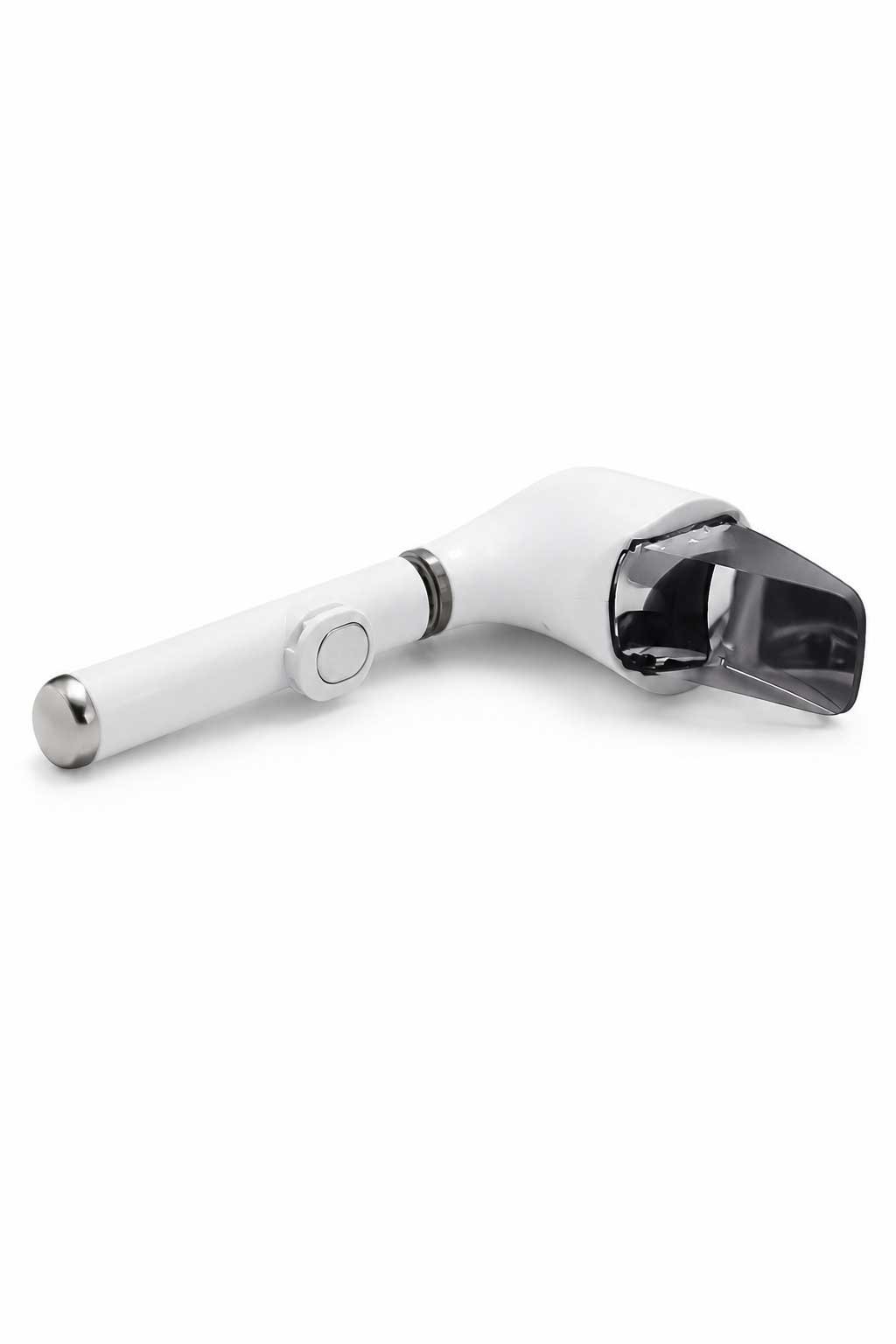
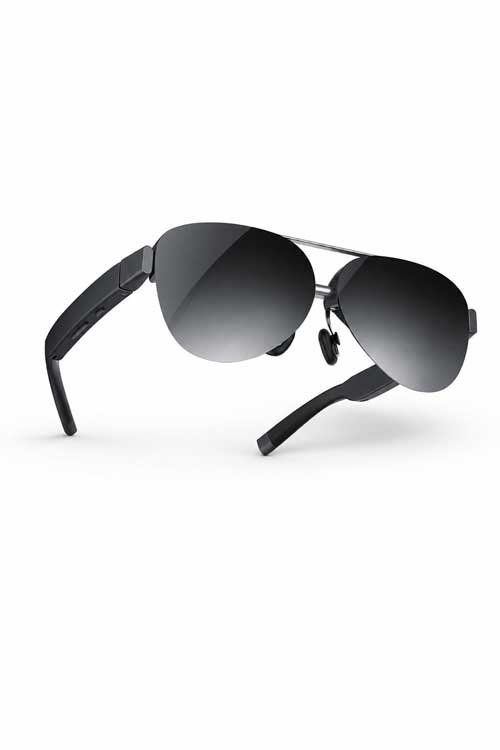
A split-type wearable projection direction using a 0.6-inch Micro OLED platform and external host connection.
Best fit: Portable video viewing, wearable demonstrations and host-connected AR display concepts.

A compact monocular direction combining a 0.32-inch Micro OLED image source with freeform-prism optics and a lightweight mechanical structure.
Best fit: Lightweight viewers, compact optical instruments and specialized monocular integration.
Exact optics, control electronics, supported host devices and supply configuration must be confirmed before quotation. Do not select only by nominal display size.
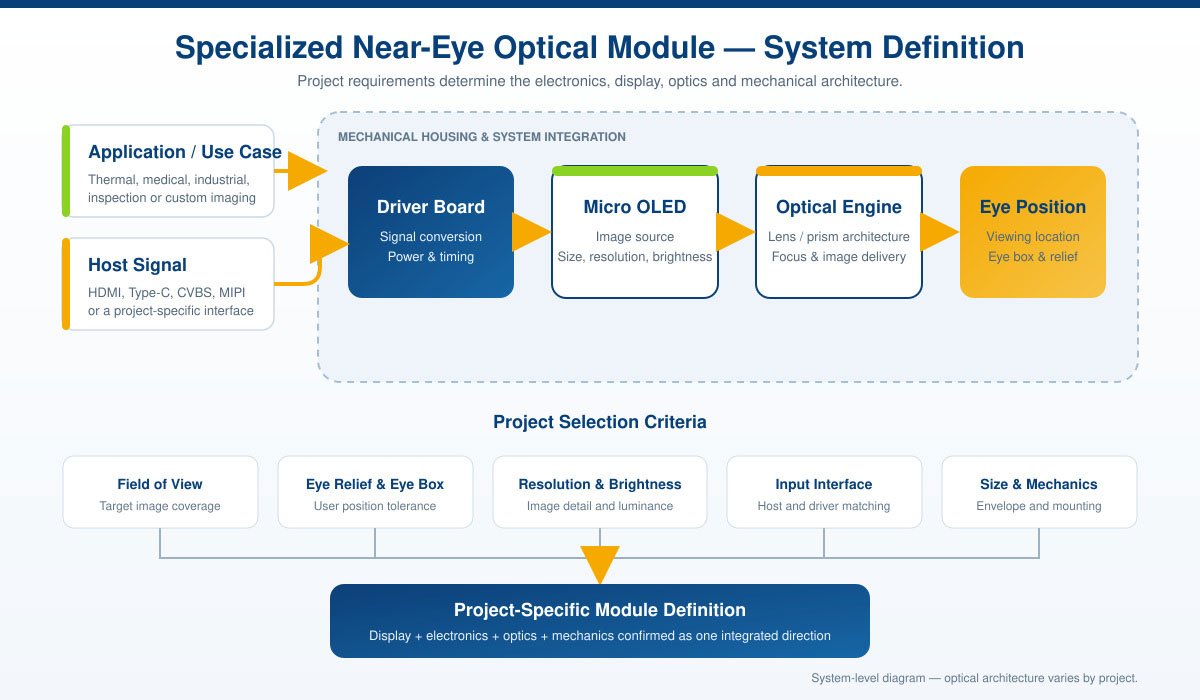
Other near-eye modules do not share one fixed optical path. The practical engineering task is to match the application, host signal, driver electronics, Micro OLED, optical engine, eye position and mechanical envelope.

System-level relationship for project selection. The final optical architecture varies by product and application.
Wearable glasses, handheld viewers and enclosed instruments require different weight, mounting and viewing arrangements.
Resolution, brightness, aspect ratio, refresh, color and image orientation must match the host content and optical magnification.
Field of view, eye relief, eye box and focus range determine whether the complete virtual image is usable.
Type-C, DP, HDMI, CVBS, MIPI or a project-specific host affects the driver electronics and mechanical package.
An integrated glasses product and a split-type host-connected product have different power, cable and control requirements.
Confirm the base platform first. Cable, connector, image setting and mechanical adaptations are usually more practical than developing new optics from zero.
| Direction | Key Characteristic | Typical Starting Point | Confirm Before Selection |
|---|---|---|---|
| PGlass-1C 0.49″ | Integrated wearable near-eye glasses | 0.49″ FHD, 41° reference FOV | Control box, interface, host compatibility and wearing arrangement |
| PGlass2 0.6″ | Split-type projection AR glasses | 0.6″ Micro OLED, Type-C direction | Supported host, power, brightness and optical configuration |
| Specialized 0.32″ | Compact freeform-prism monocular module | Small optical and mechanical envelope | Resolution, brightness, eye position, mounting and interface |
These are application examples for the available platforms—not separate optical-engine product families.
A completely new optical system may require optical simulation, lens or prism tooling, coating design, mechanical tooling and extensive validation. Such work is not automatically included in a standard module quotation.
For regulated products, final-device certification, clinical validation and safety approval remain project-specific responsibilities.
Select the closest of the three real product directions, then provide the required host signal, viewing target, mechanical space, quantity and prototype schedule.
Yes. PGlass-1C 0.49-inch glasses, PGlass2 0.6-inch split-type projection glasses and the specialized 0.32-inch Micro OLED optical module are real product directions. Final configurations and availability must still be confirmed.
They do not fit the standard standalone Birdbath, Pancake or enclosed EVF module formats. They represent integrated glasses, split-type projection glasses and specialized compact optical architectures.
Yes, the available product direction combines a compact 0.32-inch Micro OLED image source with freeform-prism optics. Exact display and interface details should be confirmed for the required configuration.
It depends on the selected product and quotation. The display, optical assembly, control box and driver board may be supplied as different configurations.
New optical development is possible only after separate feasibility and scope review. The practical OEM route is normally to start from an available architecture and customize electronics, cables, mechanics and image settings.
Provide the final application, host device and signal, resolution, FOV, eye relief, focus requirement, mechanical space, preferred product direction, quantity and prototype schedule.
Send the intended application, host signal, viewing requirements, preferred product direction, mechanical limits, quantity and prototype schedule.
Provide the application, host signal, preferred product direction, FOV, eye relief, focus, mechanical limits, quantity and project stage.
Please share your application, display size, quantity and project background. We will review the most practical display direction.