6.67-Inch Flexible AMOLED

6.67-Inch Flexible AMOLED Display

Flexible AMOLED for Humanoid Robot Faces, Wearable Concepts and Curved Interfaces

A slim, full-color AMOLED panel for humanoid robot faces, wristband-style concepts and curved device interfaces. Explore panel-level integration or a supported display assembly with matched driving electronics.

6.67-Inch AMOLED1080 × 2400Flexible PanelMIPI Interface
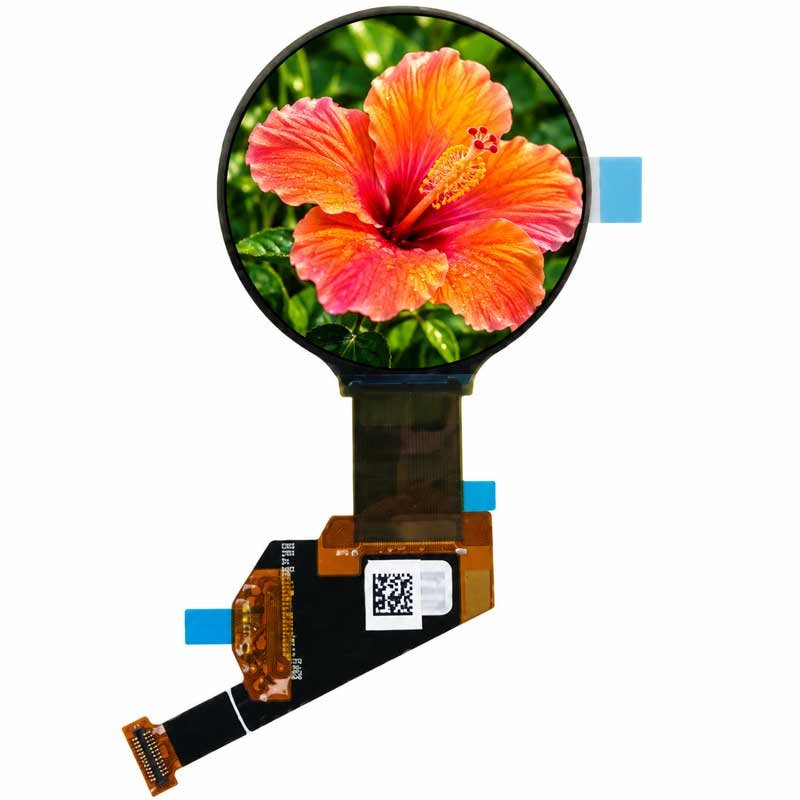
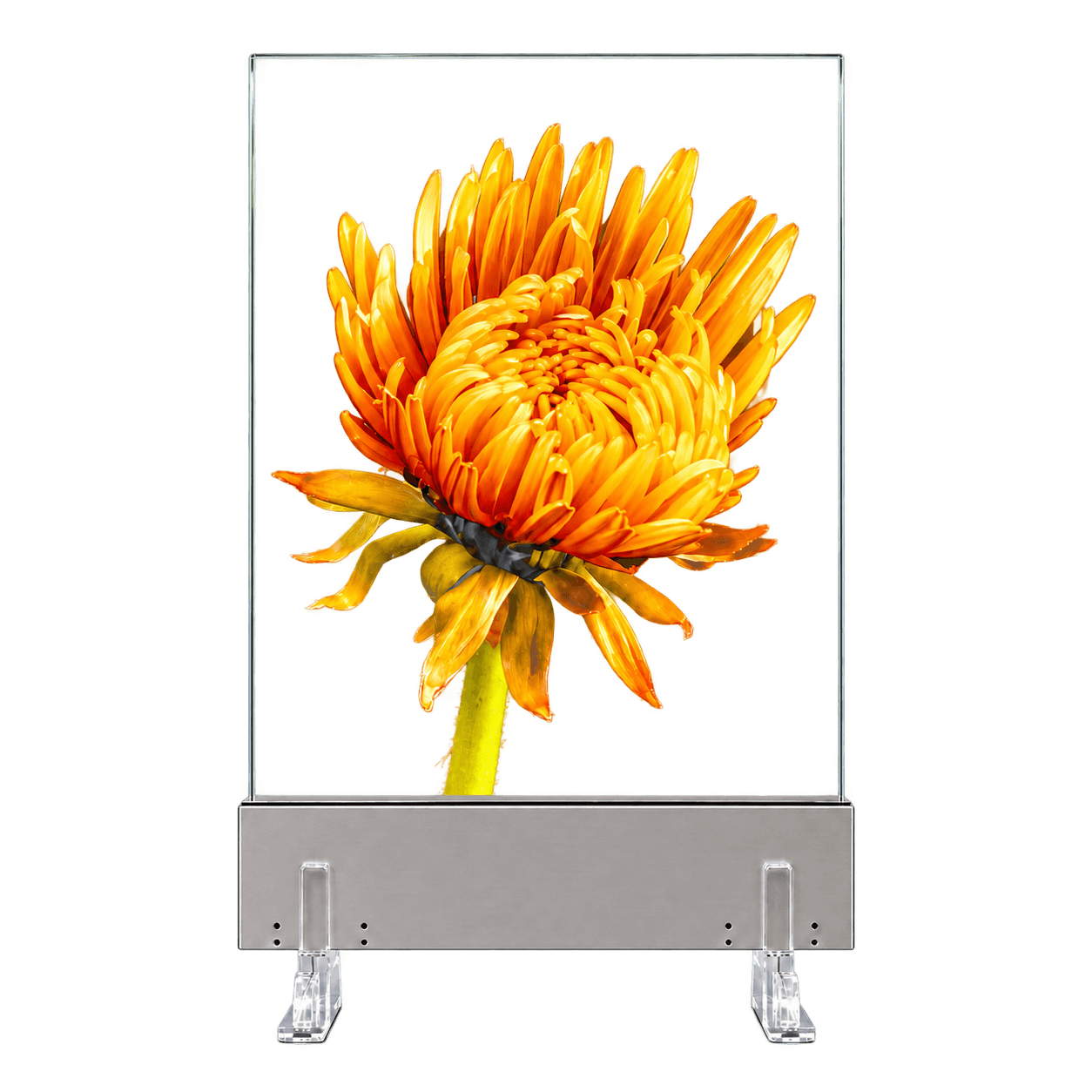
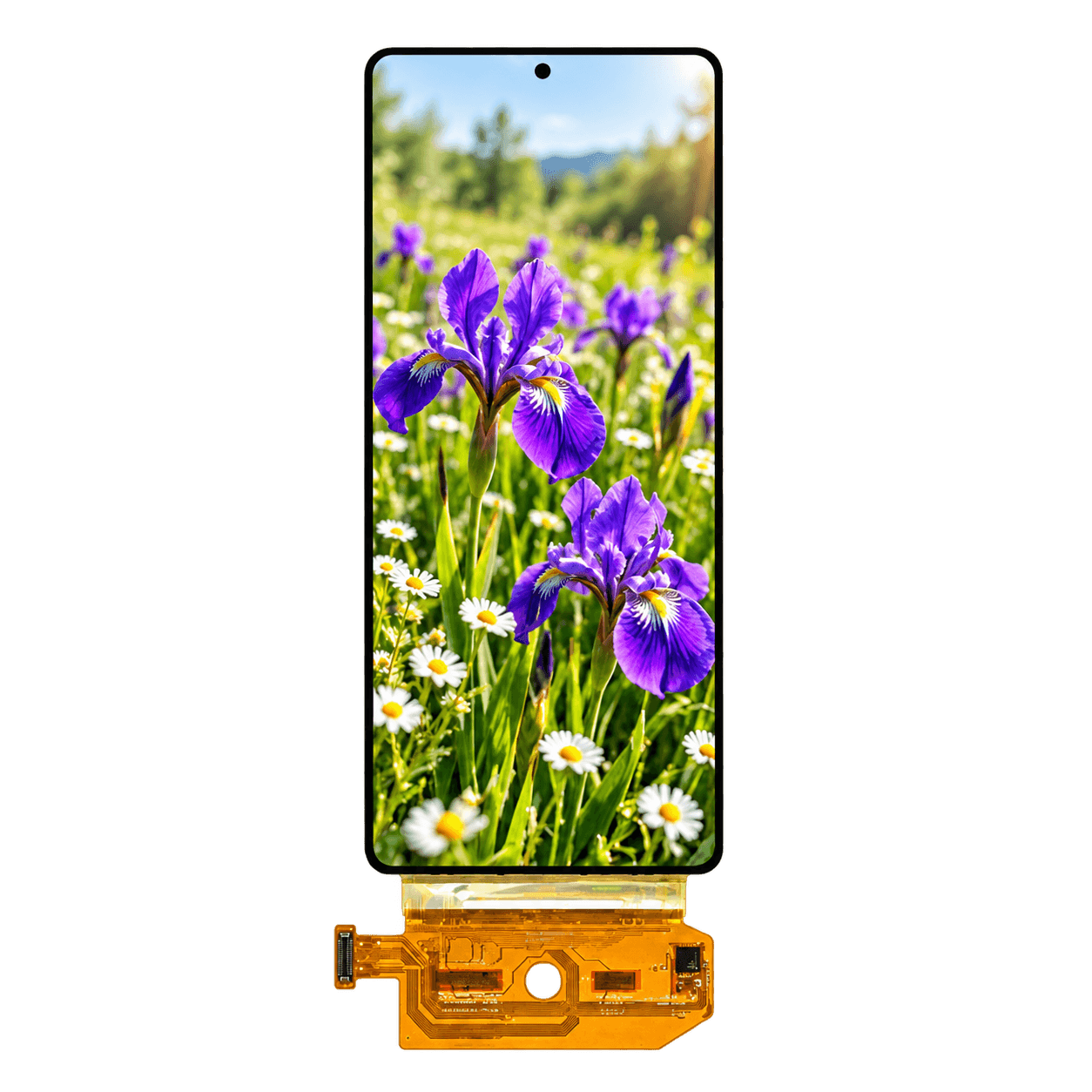
6.67-inch flexible AMOLED panel with flower imagery and exposed FPC
Robot Faces · Wearable Concepts · Curved Interfaces

One Flexible Panel, Several Integration Directions

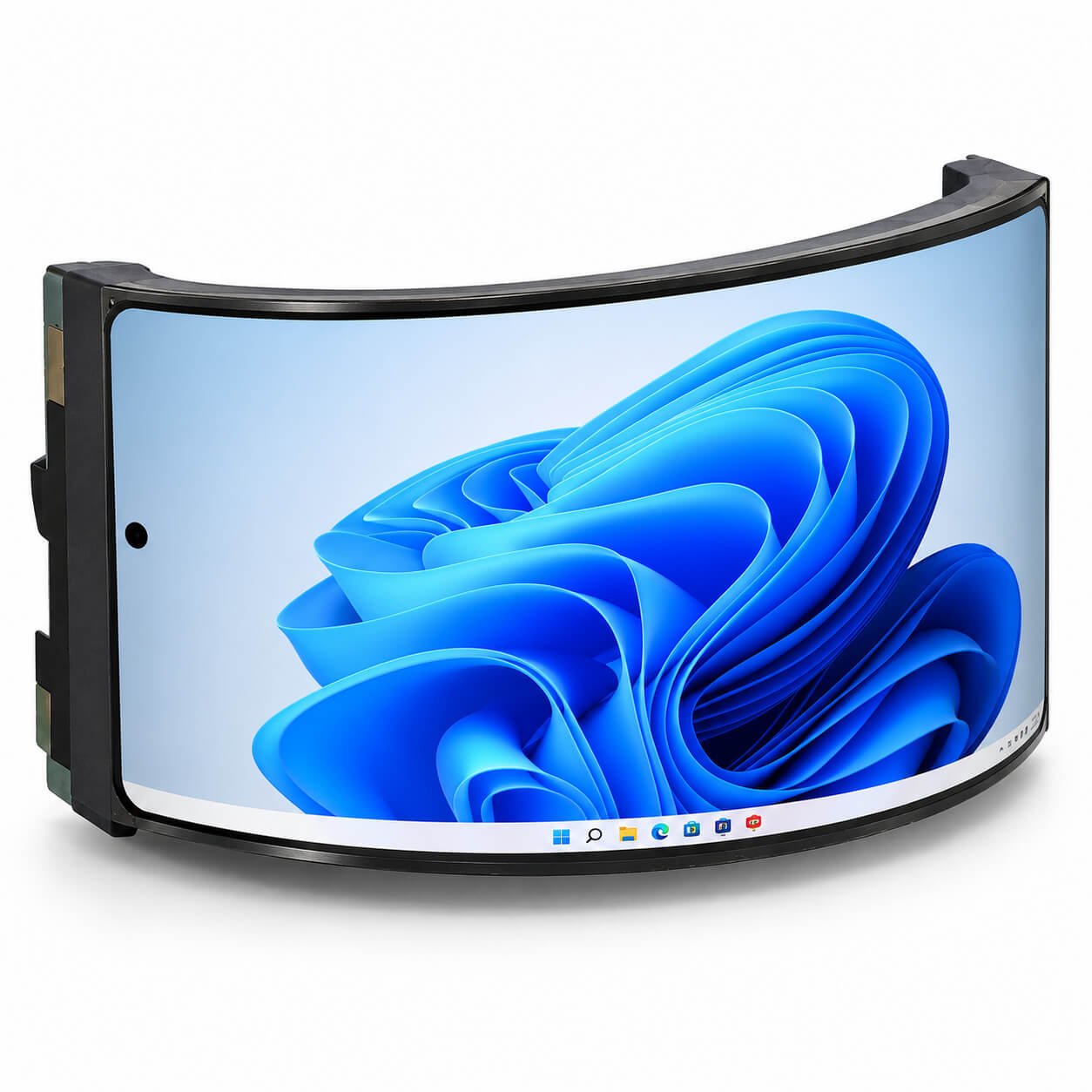
6.67-inch curved AMOLED module for robot face integration

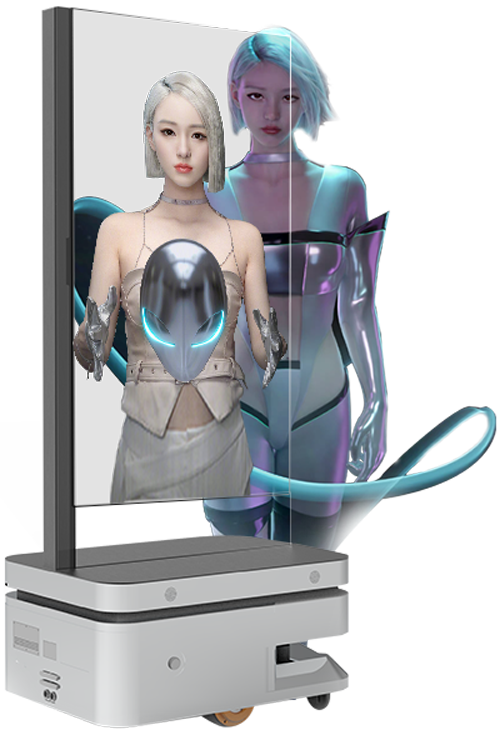
Humanoid Robot Faces

Create animated eyes, expressions and interaction states within a curved face opening. A dark visual background can help the active expression blend with a dark surrounding face panel.

Both 6.67-inch and 8.01-inch displays are relevant when head space permits. Select by expression layout, active area and mechanical fit.

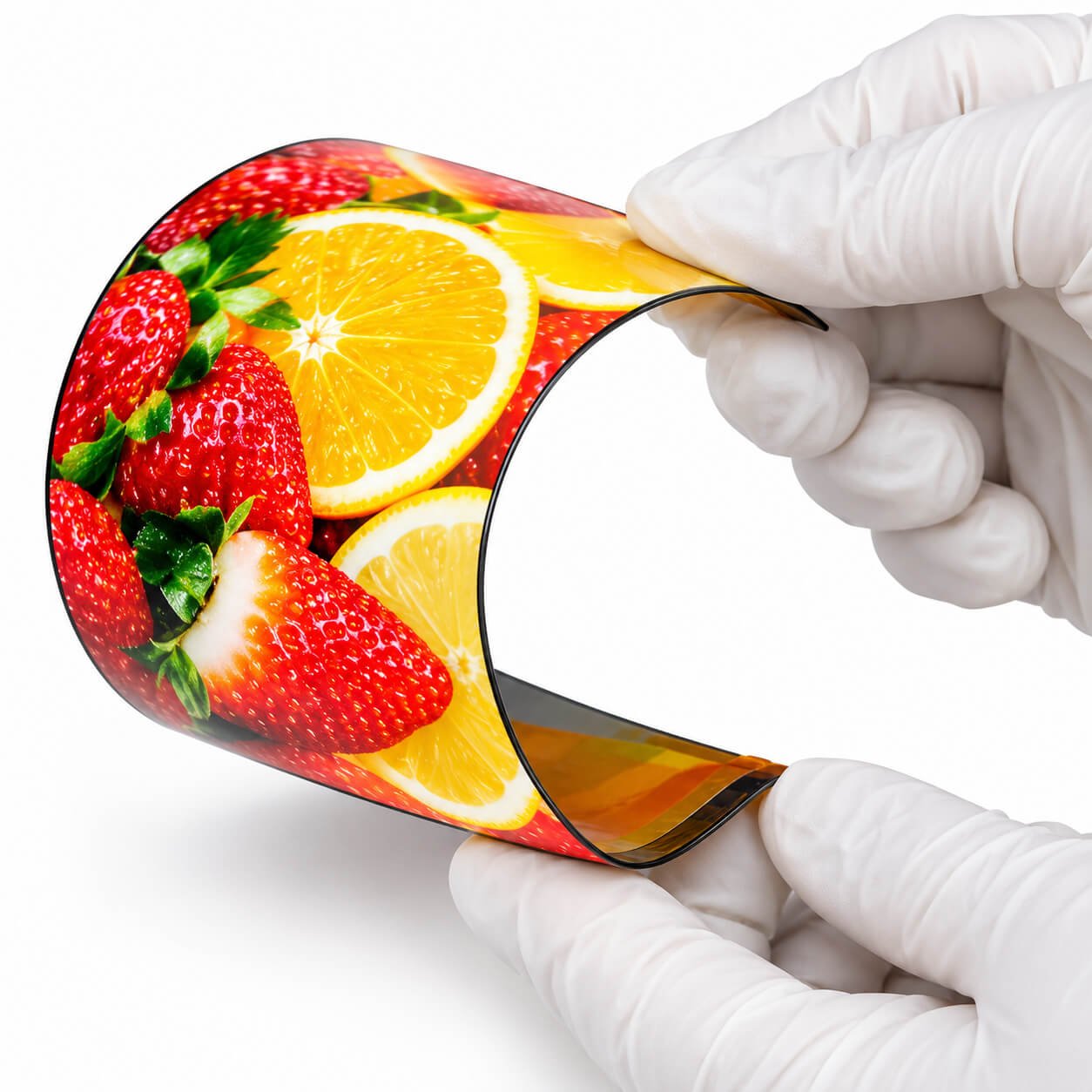
6.67-inch flexible AMOLED panel in a rolled configuration

Wristband-Style Concepts

Explore a screen that follows a wristband-style support rather than a flat front surface. The panel, backing, protective layer and electronics need to be designed as a complete assembly.

Prototype the curvature and viewing direction before committing to an enclosure.

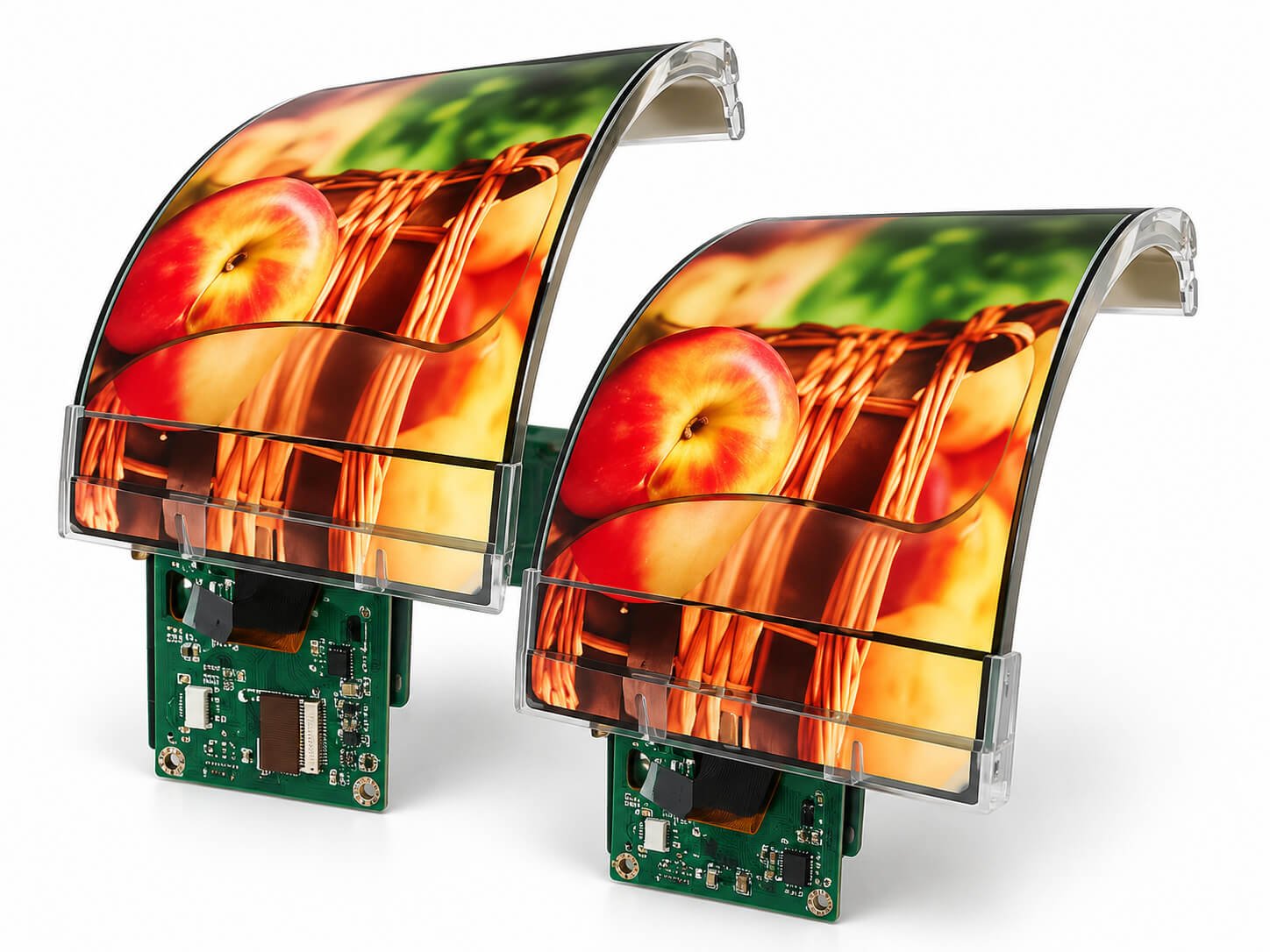
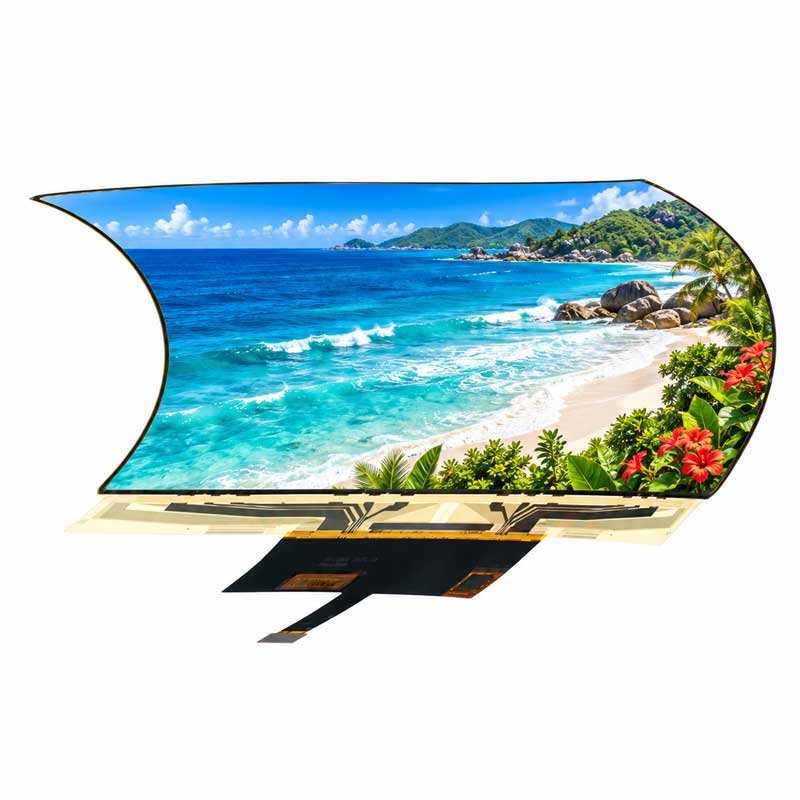
6.67-inch arched AMOLED displays with driver boards

Curved Device Interfaces

Use a supported curve for compact equipment, interactive product demonstrations and custom control surfaces. Full-color graphics can present operating states, visual prompts and branded interfaces.

Coordinate the screen orientation and cable exit with the available internal space.

6.67-Inch Flexible AMOLED Specifications

Display size6.67 inches
Display technologyFlexible AMOLED, self-emissive full-color display
Resolution1080 × 2400 pixels in portrait orientation
Active area69.552 × 154.56 mm, expressed in portrait orientation
Native panel interfaceMIPI; host timing and initialization must match the selected module
Reference brightness500 cd/m² typical in the 667009-A80 reference specification; confirm the quoted variant
TouchConfiguration-dependent; reference documentation includes I²C touch
Mechanical outlineVersion-dependent. Confirm the panel, FPC, cover and assembled dimensions against the approved drawing.
CurvatureConfirm bend direction, radius, support and static or moving use for the selected assembly
Driving optionsPanel-level integration or compatible controller solution, subject to configuration confirmation

Reference information covers 6.67-inch module documentation. Driver ICs, outlines, cover layers and connection details vary between versions; the confirmed quotation and approved drawing define the supplied assembly.

Explore Flat, Curved and Rolled Configurations

Inspect the panel, shaped supports and driving electronics from multiple angles.

Slim panel, full-color detail

A flat panel view shows the narrow border, central punch hole and exposed connection area.

Two-panel presentation

Side-by-side panels illustrate the portrait format and full-color image presentation.

Curved display assembly

A supported curved module presents a continuous image across its front surface.

Multiple curved modules

A group view illustrates supported curved assemblies from different viewing angles.

Handheld C-shaped demonstration

The flexible panel is presented in a rolled form, with its thin edge and rear surface visible.

Thin panel and rear backing

A close-up highlights the curved display surface, gold-colored backing and connection tail.

S-shaped display concept

A shaped demonstration explores a flowing display profile; production curvature requires engineering review.

Panels with driver boards

Arched panels and exposed electronics show the display and controller as separate integration elements.

Ring-style demonstration fixture

A clear support fixture holds the display in a curved position for interface demonstrations.

Curved interface presentation

A second ring-style demonstration shows how interface content follows a supported display curve.

Rear enclosure view

The rear housing illustrates the mechanical space needed behind a curved display assembly.

Rear structure and connection area

A rear view shows the supporting ring, panel backing and connection region.

Curved module group

Multiple assemblies illustrate a range of front, rear and electronics views.

Powered display group

Several curved assemblies present colorful content alongside visible driver electronics.

6.67-Inch Flat and Curved Display Lineup

These 6.67-inch AMOLED demonstrations show flat panels and supported ring-style configurations of the same display size.

Images are illustrative product reconstructions. Screen content, support fixtures and electronics are shown for configuration discussion; final hardware follows the approved specification.

Plan the Display, Structure and Electronics Together

Mechanical Integration

Start with the visible opening and intended curve. Keep the panel supported without point loading, allow space for the FPC and connector, and separate the display bend from the outer face-cover shape. Confirm how the assembly will be mounted and serviced.

A robot face cover can have a more complex exterior form than the screen beneath it. Do not assume the panel can stretch into a spherical surface.

Controller and Content

The bare panel uses MIPI and needs compatible driving electronics. For an HDMI source, review a matched controller solution rather than connecting HDMI directly to the panel.

Confirm portrait or landscape output, power input, touch requirements and the location of cameras or other sensors. Design expressions and interface graphics around the actual visible screen area.

From a Display Sample to a Product Assembly

1. Define the Application

Share the product concept, available space, visible opening, quantity and host interface. For robot faces, include the expression area and sensor layout.

2. Review the Configuration

Confirm the panel version, supported bend, driver solution, cover requirements and mounting approach before approving the sample arrangement.

3. Evaluate the Prototype

Check graphics, viewing angles, touch if required, mechanical fit and cable clearance in your own assembly before production planning.

Explore the Product Family

Find Your Flexible OLED Display

Frequently Asked Questions

Can this display be used in a humanoid robot face?

Yes. The 6.67-inch flexible AMOLED can be considered for a robot face that needs an animated expression or status interface. Review the face opening, supported curvature, protective cover, sensor locations and cable routing together. Both 6.67-inch and 8.01-inch options can be considered where the head has sufficient space.

Can it form a wristband or ring-shaped display?

The demonstrations show curved and rolled configurations suitable for exploring wristband-style and ring-style designs. A finished wearable also needs a support structure, protective layers, electronics and a confirmed bend specification.

Is the native interface HDMI?

The panel interface is MIPI. An HDMI source needs a compatible controller board. Confirm the board, power input, image orientation and touch connection before ordering a complete kit.

Does flexible mean it can be repeatedly folded?

No repeated-folding life is specified here. Static curved installation and repeated movement are different requirements. Share the intended radius and motion so the panel version and construction can be reviewed.

Can the screen follow a spherical face cover?

A curved display can sit behind a shaped face cover, but a single panel should not be assumed to stretch into a compound-curved surface. Review the display bend direction and the outer cover separately.

How do I choose between 6.67 and 8.01 inches?

Both sizes can be considered for humanoid robot faces when space permits. Choose by active display area, aspect ratio, expression layout, mechanical fit and project budget. The larger diagonal alone does not determine the best fit.

Are touch and cover glass available?

Touch configuration, cover material and bonding should be confirmed for the selected module and curvature. The reference module documentation includes a touch interface, but the final assembly must match the required touch function and mechanical design.

What should I send for a quotation?

Send the application, preferred size, quantity, face opening or enclosure drawing, target bend profile, host interface and touch requirement. Include the prototype schedule and expected production quantity if available.

Build Your Product Around a 6.67-Inch Flexible AMOLED Display

Tell us how the display will fit your robot face, wearable concept or custom device. Send the available dimensions, bend profile, interface, touch requirement and quantity for configuration review.

Start with the display area and the shape of your product. Share your robot face opening or enclosure drawing, target curvature, interface and quantity. DisplayMan can review the 6.67-inch panel, driving electronics and mechanical integration together.

↑ Top

Discuss Your 6.67-Inch Flexible AMOLED Project

Share your application, quantity, drawing and interface requirements.

Open form in a new tab

Send Your Display Requirement

Please share your application, display size, quantity and project background. We will review the most practical display direction.