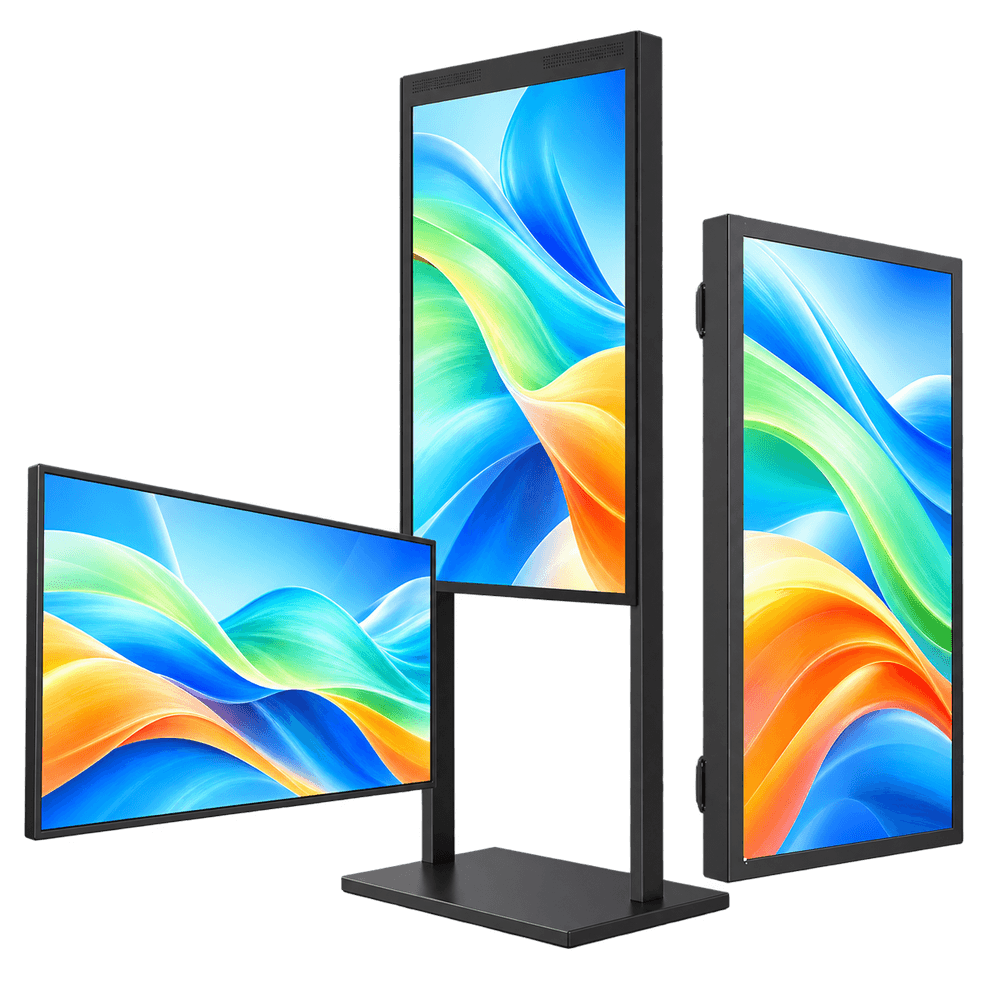

Plan Display Visibility, Protection and Integration for Your Site
DisplayMan helps you explore high-brightness LCDs, window-facing display systems, outdoor signage and rugged interactive terminals for demanding commercial environments. Review sunlight visibility, glass reflections, weather exposure, thermal design and maintenance access together with optical bonding, touch panels, protective glass and control hardware to define a practical display integration direction.
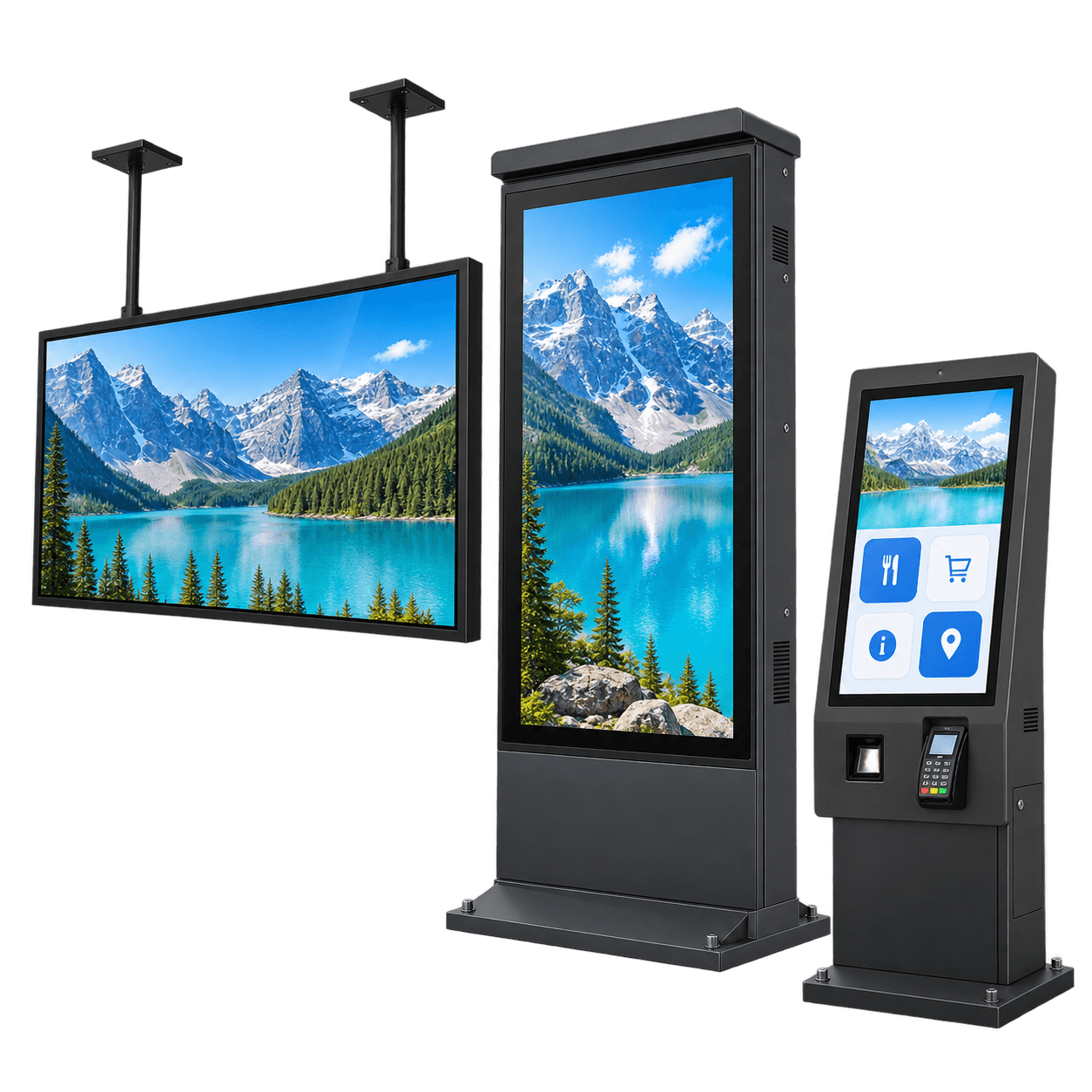
5 CORE SOLUTION DIRECTIONS
A normal display may look good in an office, showroom or test room.
But the same display may perform poorly after installation if the real environment includes sunlight, storefront glass, heat, dust, humidity, rain, public use or long operating hours.
In strong-light, semi-outdoor and outdoor environments, display selection must start from the real installation condition, not only screen size and resolution.
Outdoor and high brightness display systems cover several different project directions.
Some projects only need a brighter display product. Some need a window-facing system. Some need weather protection and thermal design. Some need touch, cover glass, optical bonding, controller board or OEM structure integration.
Outdoor and high brightness display projects are system-level projects. The right solution may involve brightness, glass, bonding, touch, enclosure, thermal design and installation structure.
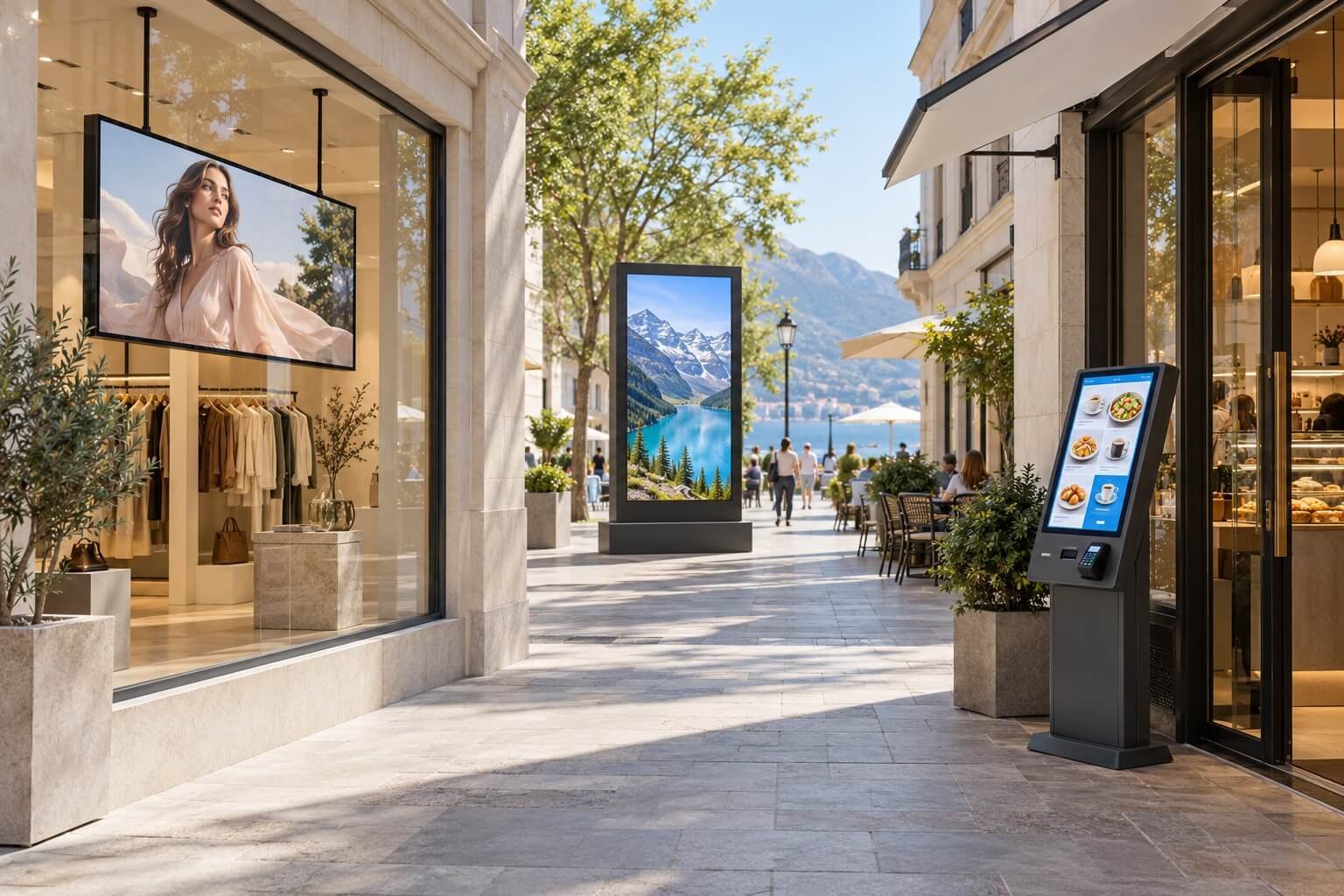
These are the main solution directions under Outdoor & High Brightness Display Solutions. Each solution page focuses on a different project scenario.
01 · OUTDOOR & HIGH BRIGHTNESS SOLUTIONS
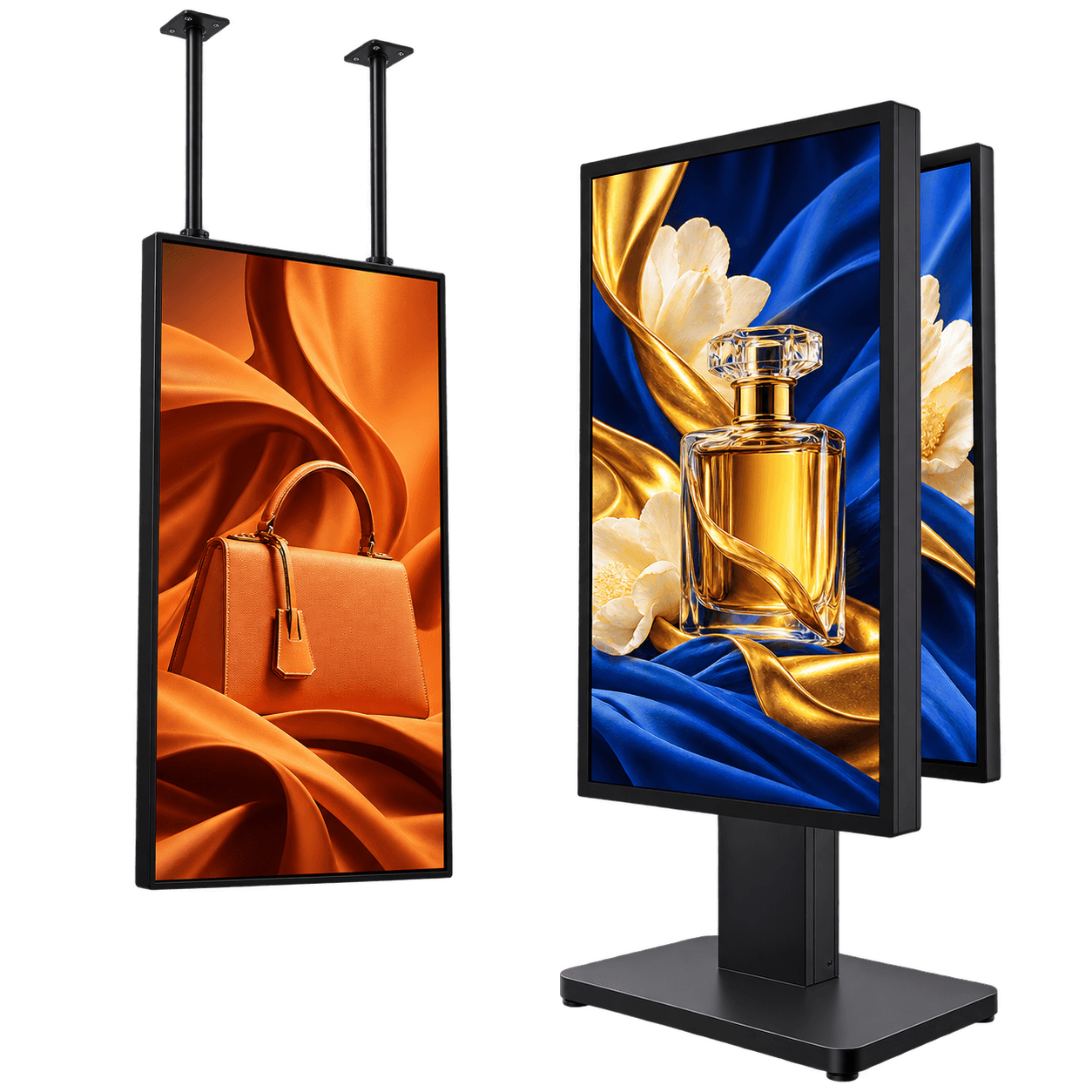
Used when the project is mainly about storefront display, brand communication, product promotion or commercial window presentation.
It can involve high brightness LCD, window-facing display, transparent display or custom display structure depending on the store environment.
02 · OUTDOOR & HIGH BRIGHTNESS SOLUTIONS
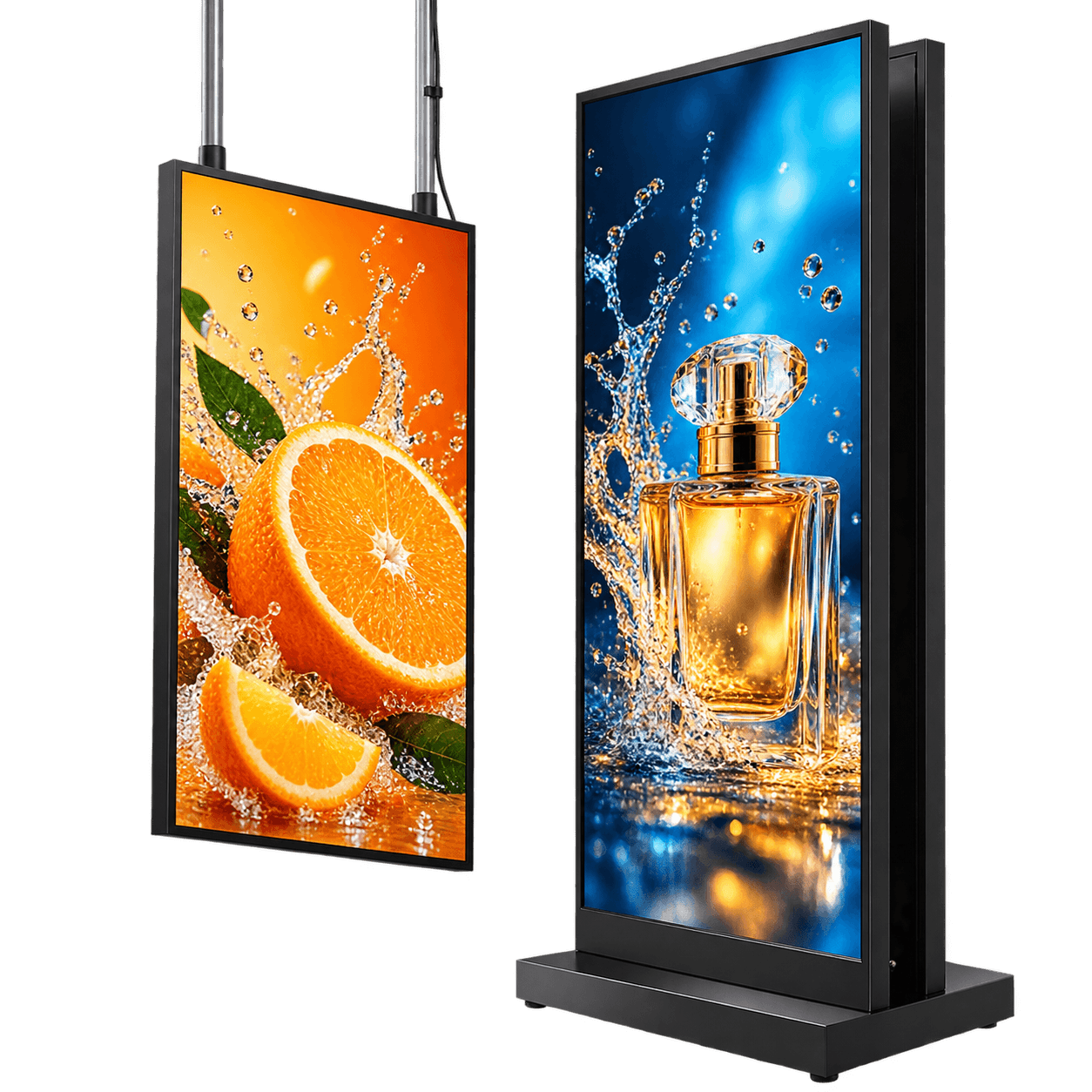
Used when the screen is installed indoors or semi-indoors but faces glass, street traffic, mall walkways or public-facing directions.
The main challenge is not weatherproofing, but readability behind glass, reflection control, brightness, heat buildup and installation direction.
03 · OUTDOOR & HIGH BRIGHTNESS SOLUTIONS
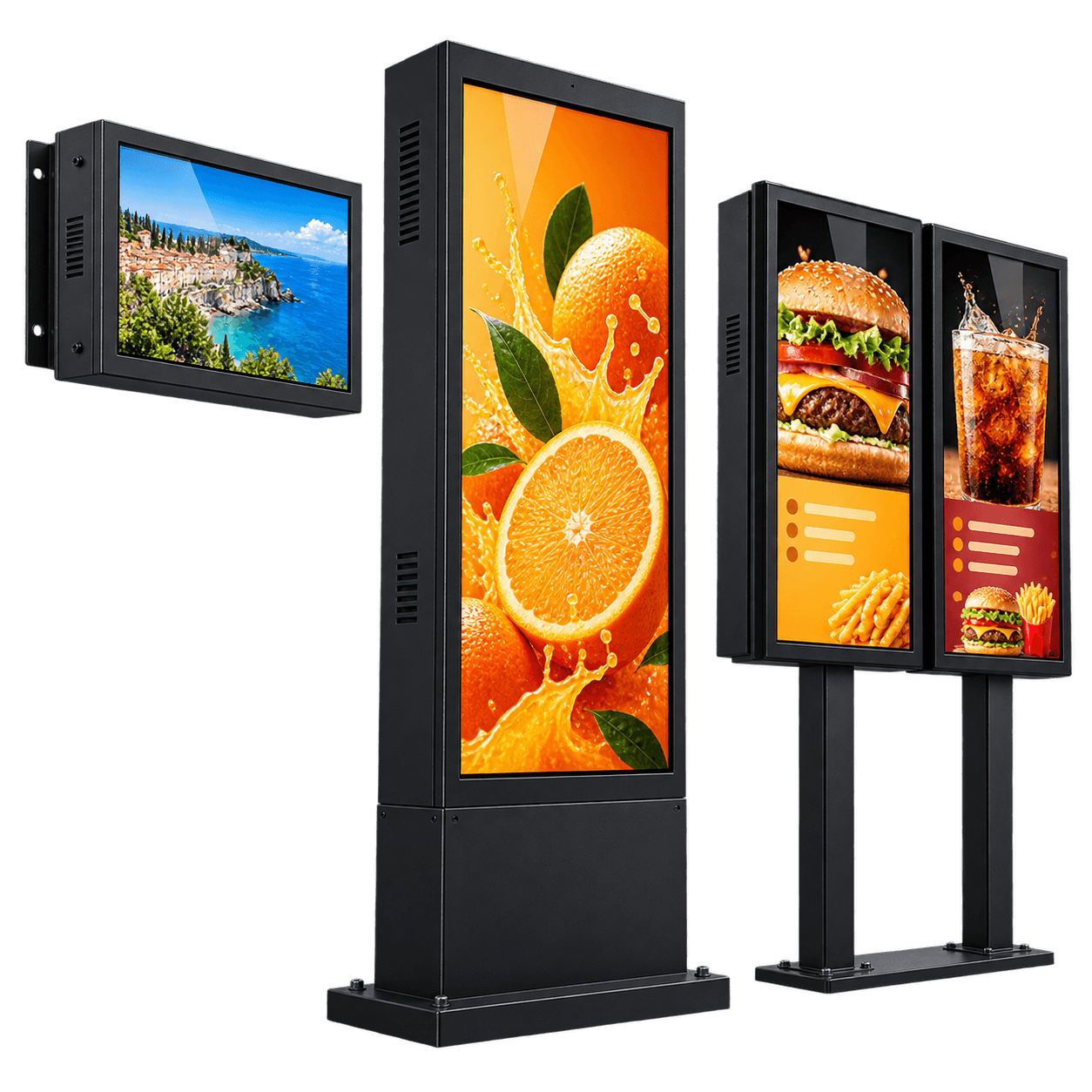
Used when the display is installed outdoors or in demanding semi-outdoor environments.
The focus is visibility, weather protection, thermal management, front protection, operating stability and service access.
04 · OUTDOOR & HIGH BRIGHTNESS SOLUTIONS
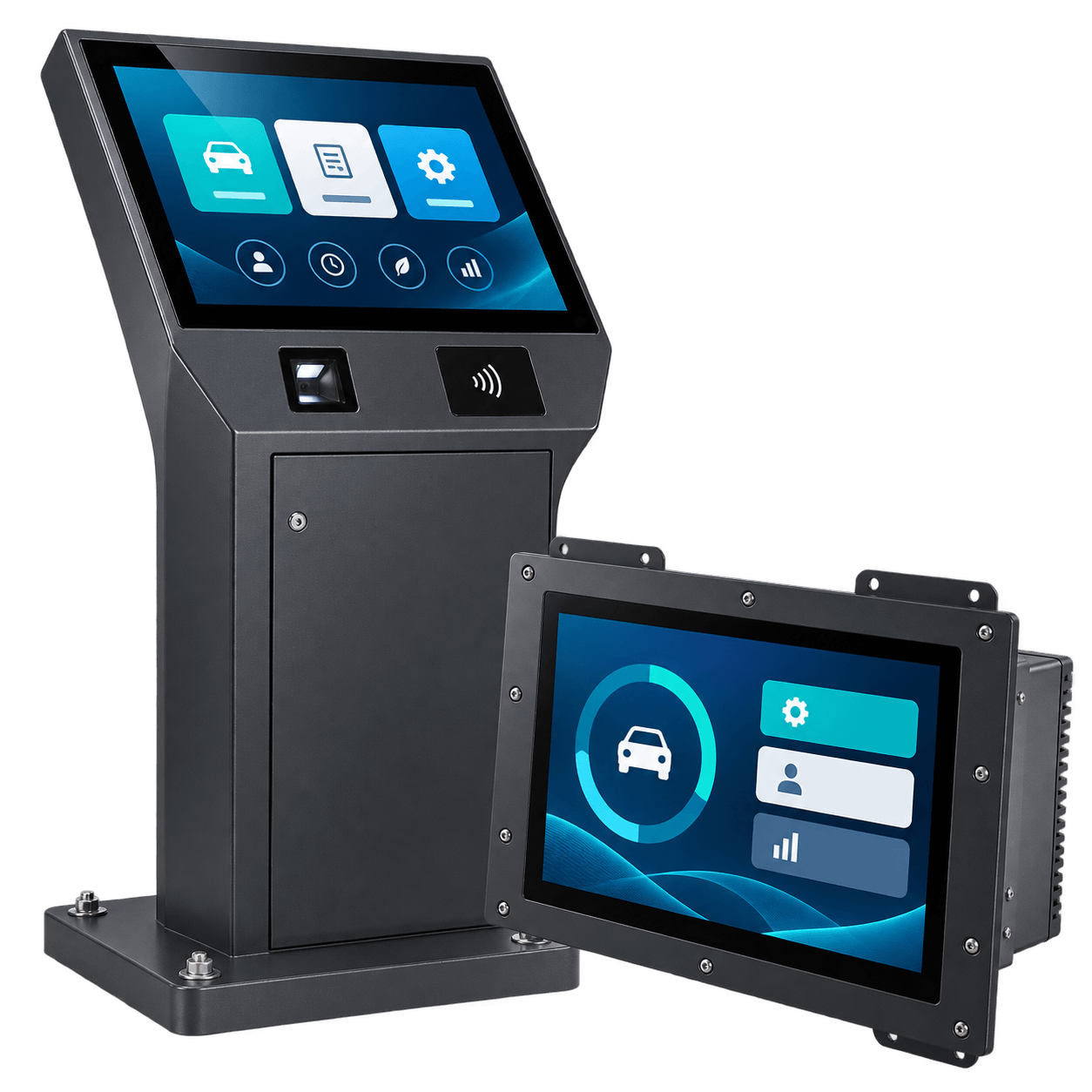
Used when the display is part of an outdoor interactive device.
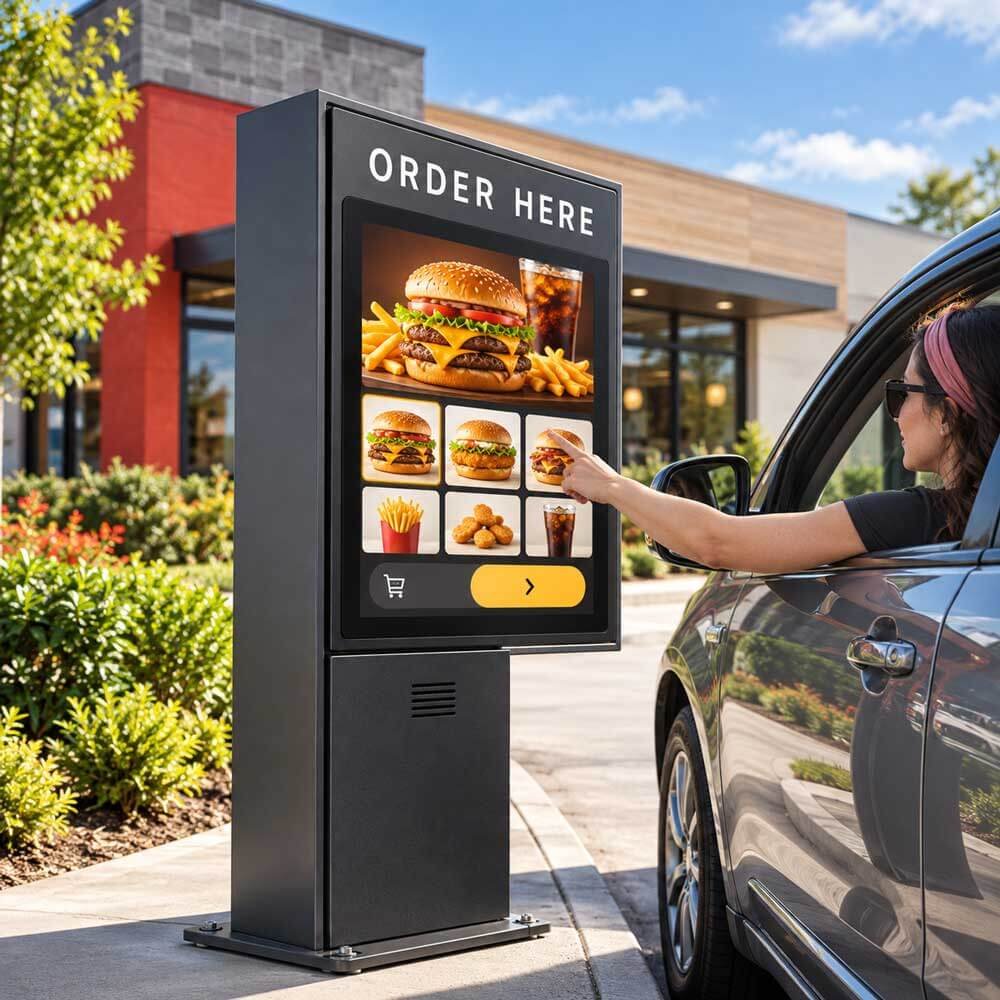
The project may require high brightness, touch panel, thick cover glass, optical bonding, controller board, enclosure review and user operation reliability.
05 · OUTDOOR & HIGH BRIGHTNESS SOLUTIONS
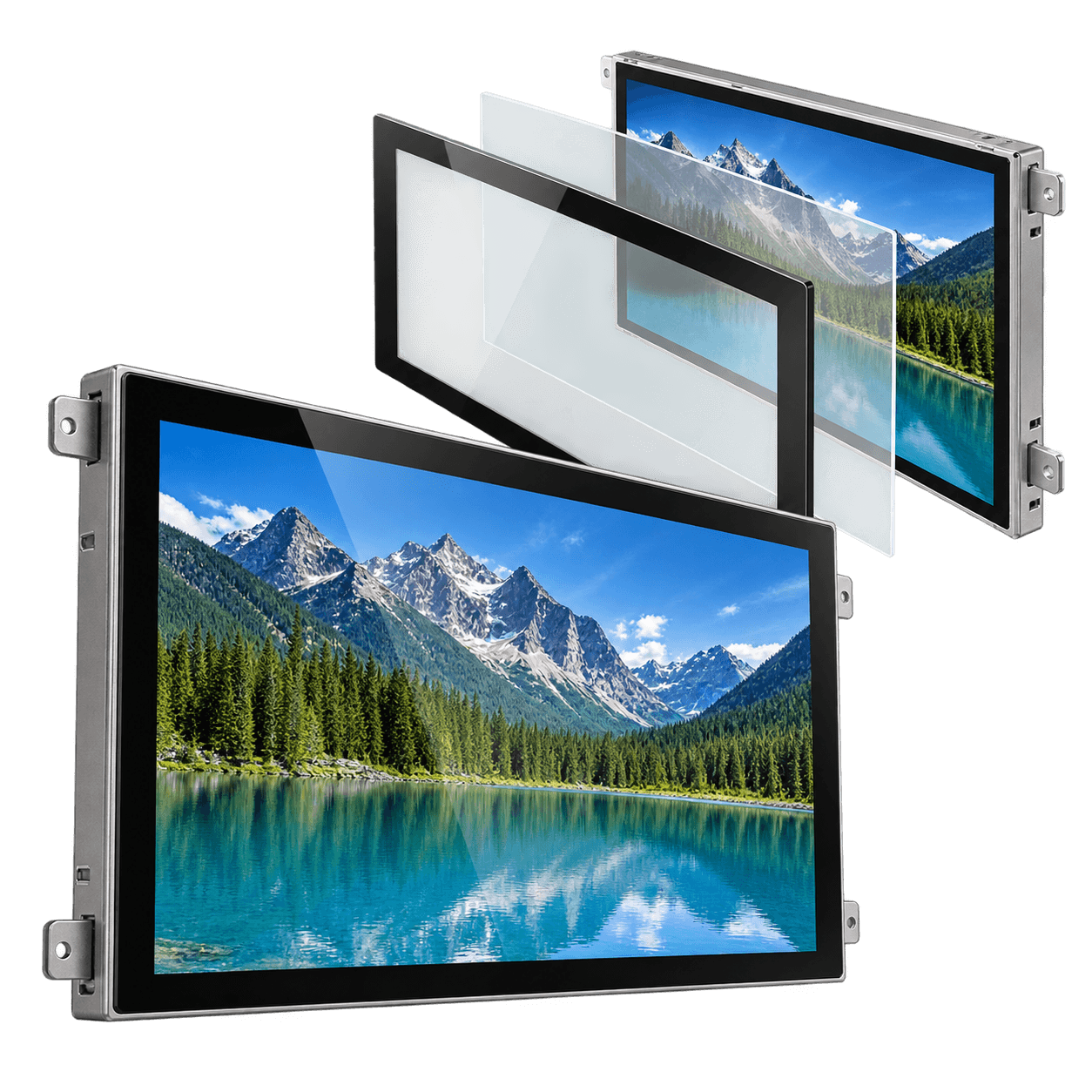
Used when the display needs better readability, reduced internal reflection, stronger front structure or improved touch feeling.
It is often used together with high brightness LCD, touch panel, cover glass, AG / AR glass or outdoor terminal integration.
These solution pages are not the same product with different names. Each one solves a different outdoor, semi-outdoor or high-brightness display challenge.
Some customers are not ready to choose a solution immediately. They first need to understand whether their project is indoor, semi-outdoor or outdoor, and whether normal brightness is enough.
Use these guides to compare brightness and environmental requirements before choosing hardware or a complete system.
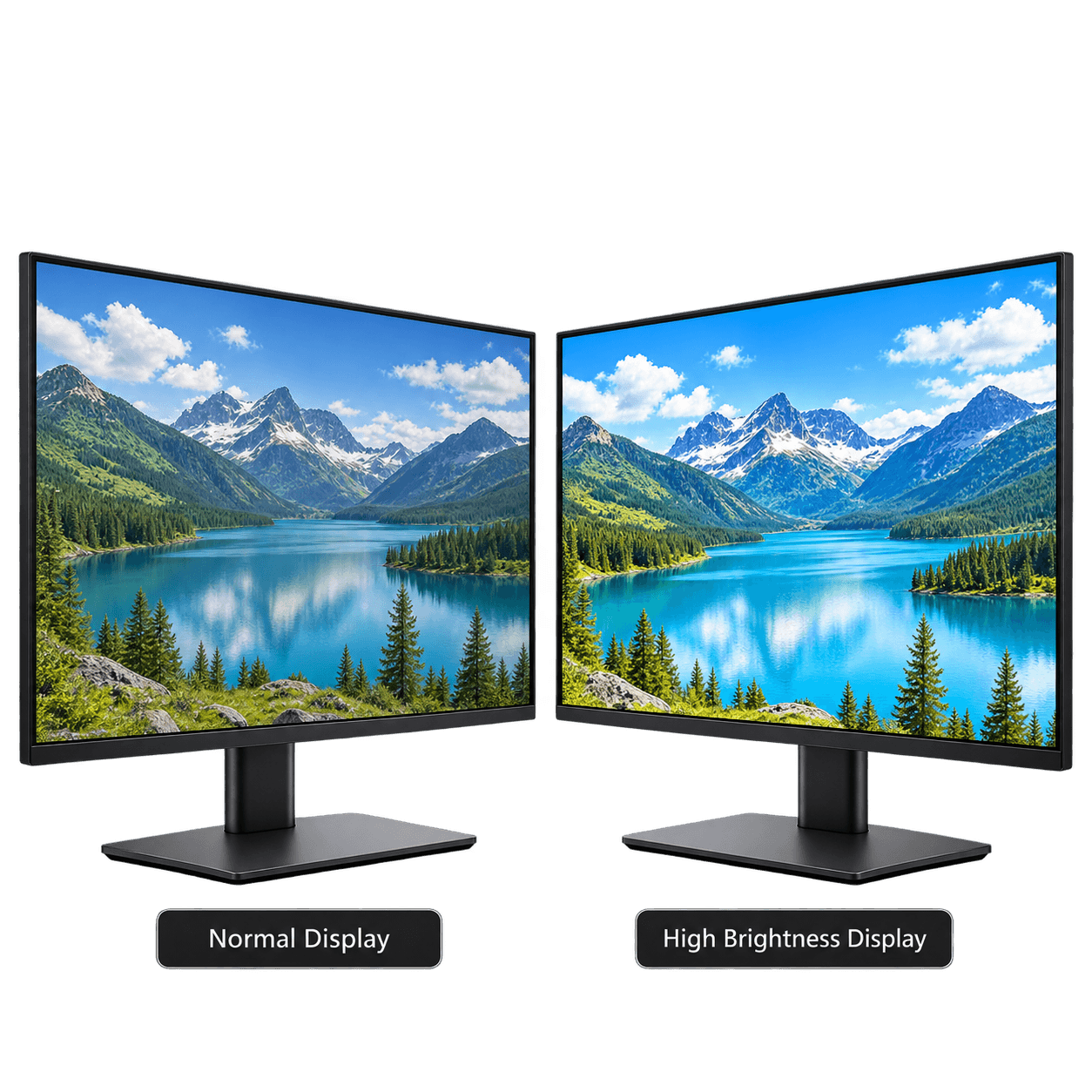
This guide helps customers compare normal brightness displays and high brightness displays.
It is useful when the customer is not sure whether a normal indoor display is enough for the project.
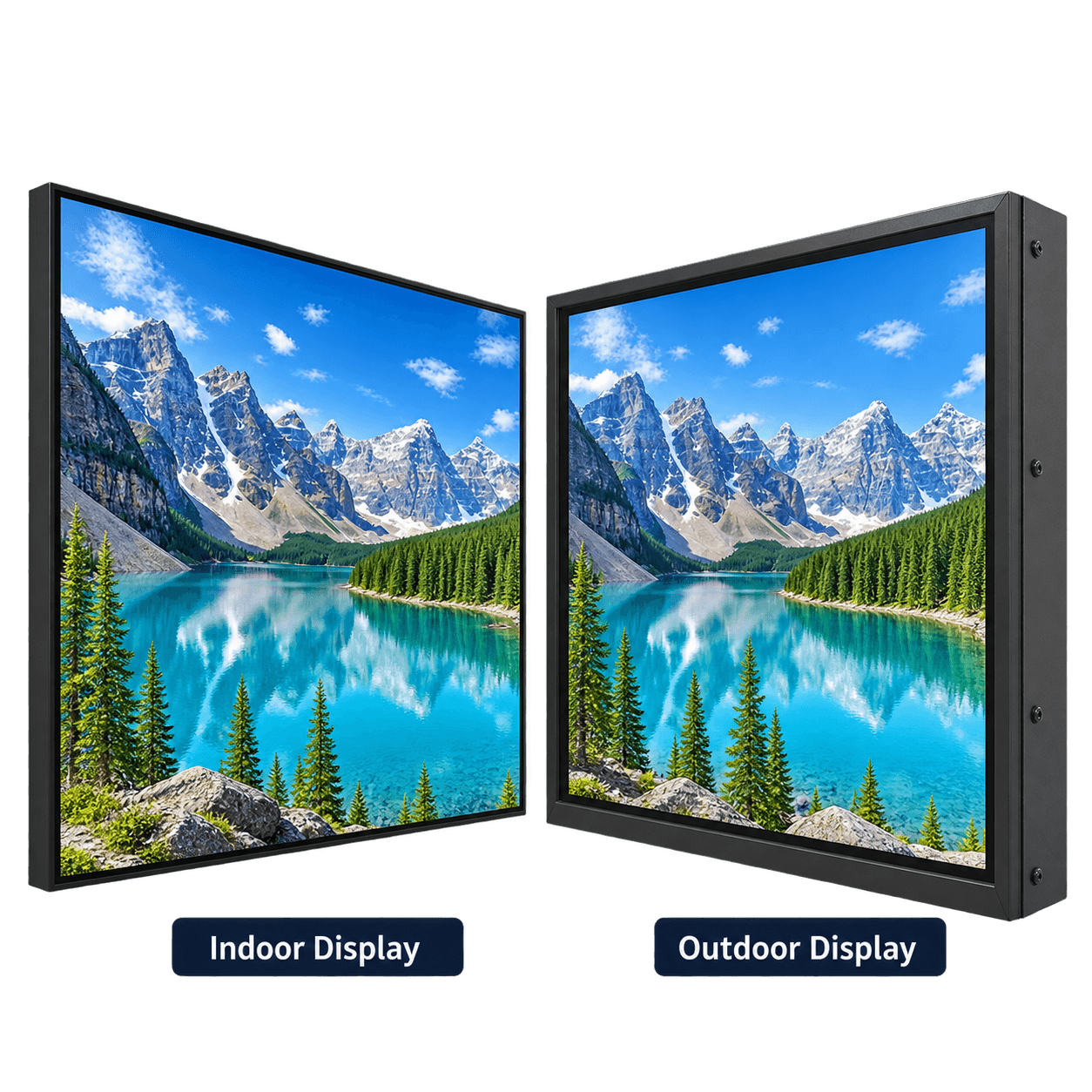
This guide helps customers compare indoor, semi-outdoor and outdoor display requirements.
It is useful when the customer is not sure whether the project should be treated as indoor, semi-outdoor or outdoor.
Selection guides help customers make the first decision before moving into a specific solution or product page.
Some projects do not need a full solution page immediately. The customer may already know the required direction and only needs product-level or component-level support.
Start with the environment first. For bright indoor or window-facing use, review High Brightness Displays, Window Facing Display Systems and Optical Bonding Display Solution. For outdoor installation, review Outdoor High Brightness Displays, All-Weather Outdoor Signage Solution and Rugged Outdoor Terminal Solution. For OEM integration, review open-frame monitors, touch glass, controller boards and cable assemblies together.
| Product / Capability | When It Helps |
|---|---|
| High Brightness Displays | For projects that need stronger visibility under bright indoor, window-facing or semi-outdoor environments |
| Outdoor High Brightness Displays | For outdoor-facing or outdoor display projects where brightness, thermal review and protection must be considered together |
| High Brightness TFT LCD Displays | For OEM equipment, industrial devices and custom modules that need sunlight-readable TFT LCD hardware |
| Open Frame High Brightness Monitors | For embedded kiosks, industrial enclosures, custom machines and outdoor-facing display structures |
| Window Facing Display Systems | For displays installed indoors but facing storefront glass, daylight, reflections or street traffic |
| Outdoor Waterproof Touch Screen Displays | For public operation, outdoor terminals, EV chargers, kiosks and touch-based service devices |
| Custom Touch Panels & Cover Glass | For custom touch, printed cover glass, holes, thickness, AG / AR / AF treatment and public-use front structures |
| Custom Touch Panel Glass | For projects requiring custom glass size, shape, logo printing, black border printing or special mechanical matching |
| AG Cover Glass / AR Cover Glass / AF Cover Glass | For glare reduction, reflection control, fingerprint resistance and better outdoor or window-facing user experience |
| Optical Bonding Display Solution | For better readability, reduced internal reflection, stronger front structure and improved touch feeling |
| Infrared Touch Frames | For large-format touch integration where projected capacitive touch is not the best mechanical or cost route |
| LCD Controller Boards | For HDMI, LVDS, eDP, Android, Windows, media player or OEM display signal matching |
| LED Backlights | For brightness design, custom backlight review, sunlight-readable LCD module support and thermal considerations |
| FPC & Cable Assembly | For connector position, cable length, pinout, internal routing and custom enclosure integration |
| Digital Signage Displays | For standard video playback, advertising or information display projects where a custom outdoor system is not required |
Solution pages explain the project direction. Product pages and component capabilities support the actual hardware configuration.
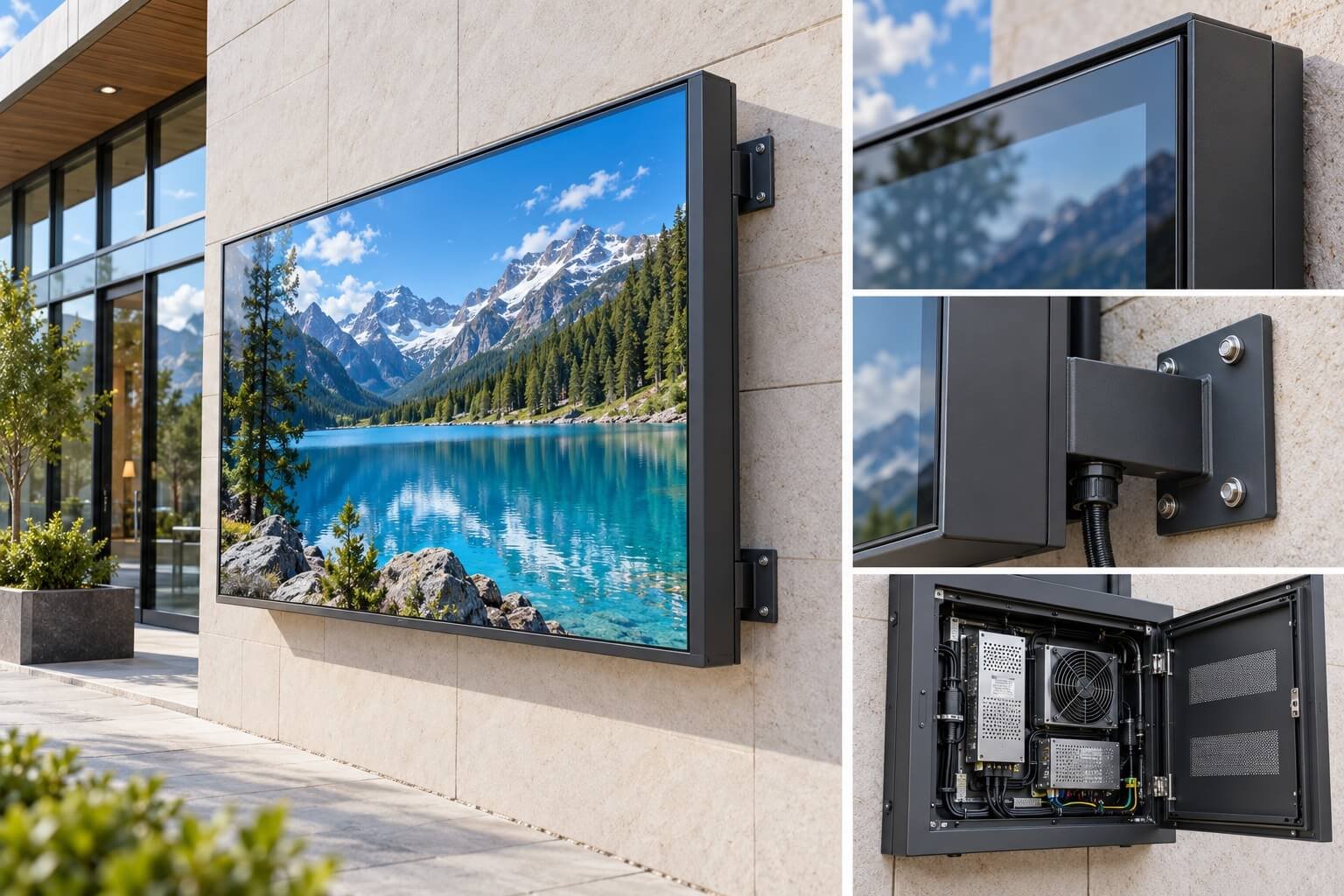
Outdoor and high brightness display projects require more than a screen with higher brightness. A reliable display system should be reviewed from visibility, protection, heat, structure, touch, power, installation and service access.
The display must remain readable under the real lighting condition.
Brightness is important, but real readability depends on the full optical and installation environment.
High brightness should match the project environment. A display that is too dim may fail in real use, while a display that is too bright may create unnecessary heat, cost and power consumption.
In DisplayMan’s project experience, around 1,000 nits is sufficient for many daylight-viewing installations. Around 3,000 nits may be useful for more demanding sun-facing windows, stronger advertising prominence or a fixed procurement requirement. Select by actual conditions, and include suitable dimming for darker operating periods.
Read High Brightness vs Normal Display for the detailed selection discussion.
The right brightness is not the highest number. It is the brightness level that works reliably in the actual installation environment.
High brightness backlights generate more heat. Outdoor and semi-outdoor environments may also receive heat from sunlight, glass windows, sealed structures or limited airflow.
A high brightness display without thermal review can become unstable after installation.
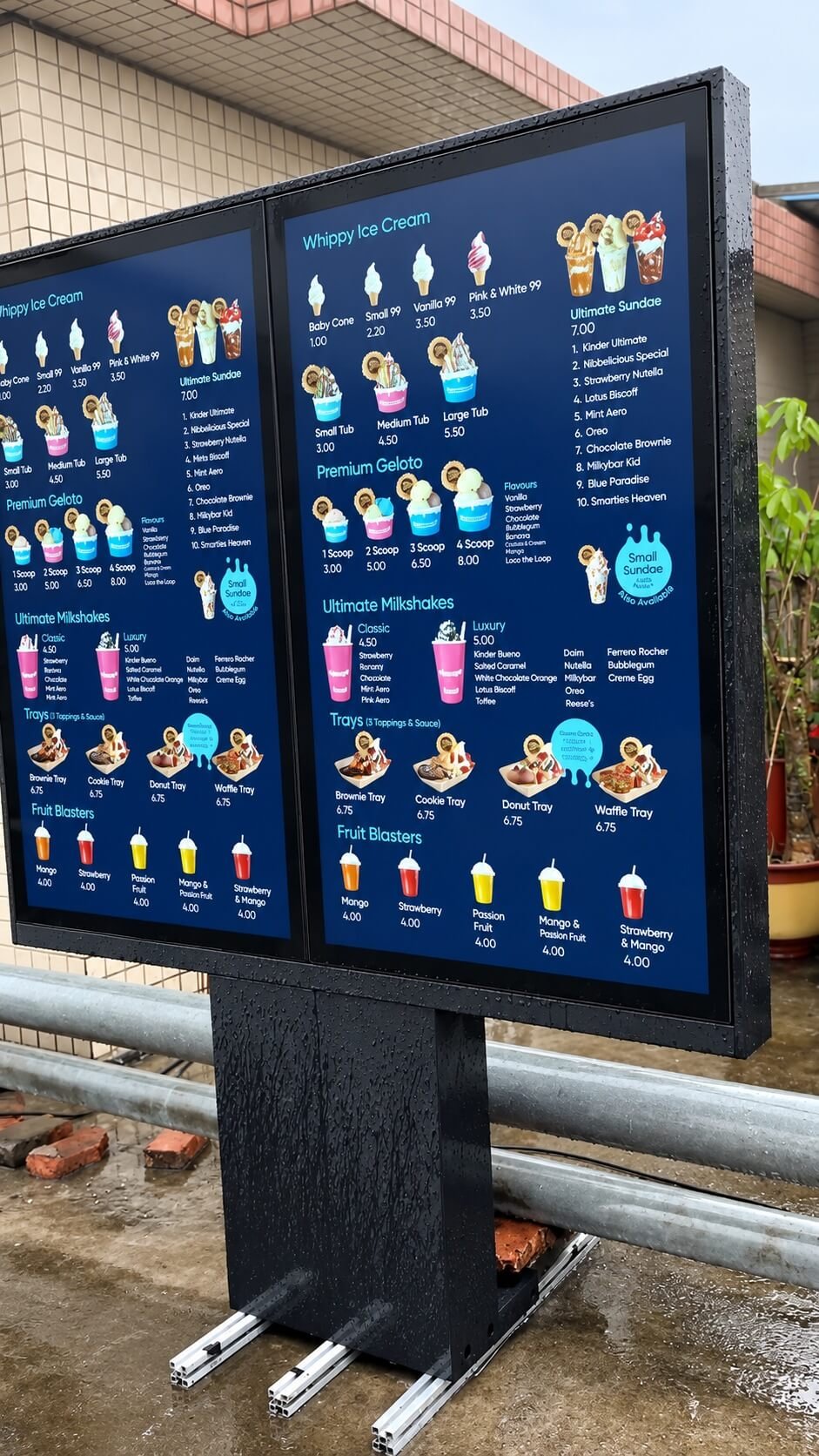
For outdoor applications, the display system must be reviewed for rain, dust, humidity and environmental exposure.
Outdoor display design is not only about visibility. The system must also survive the environment.
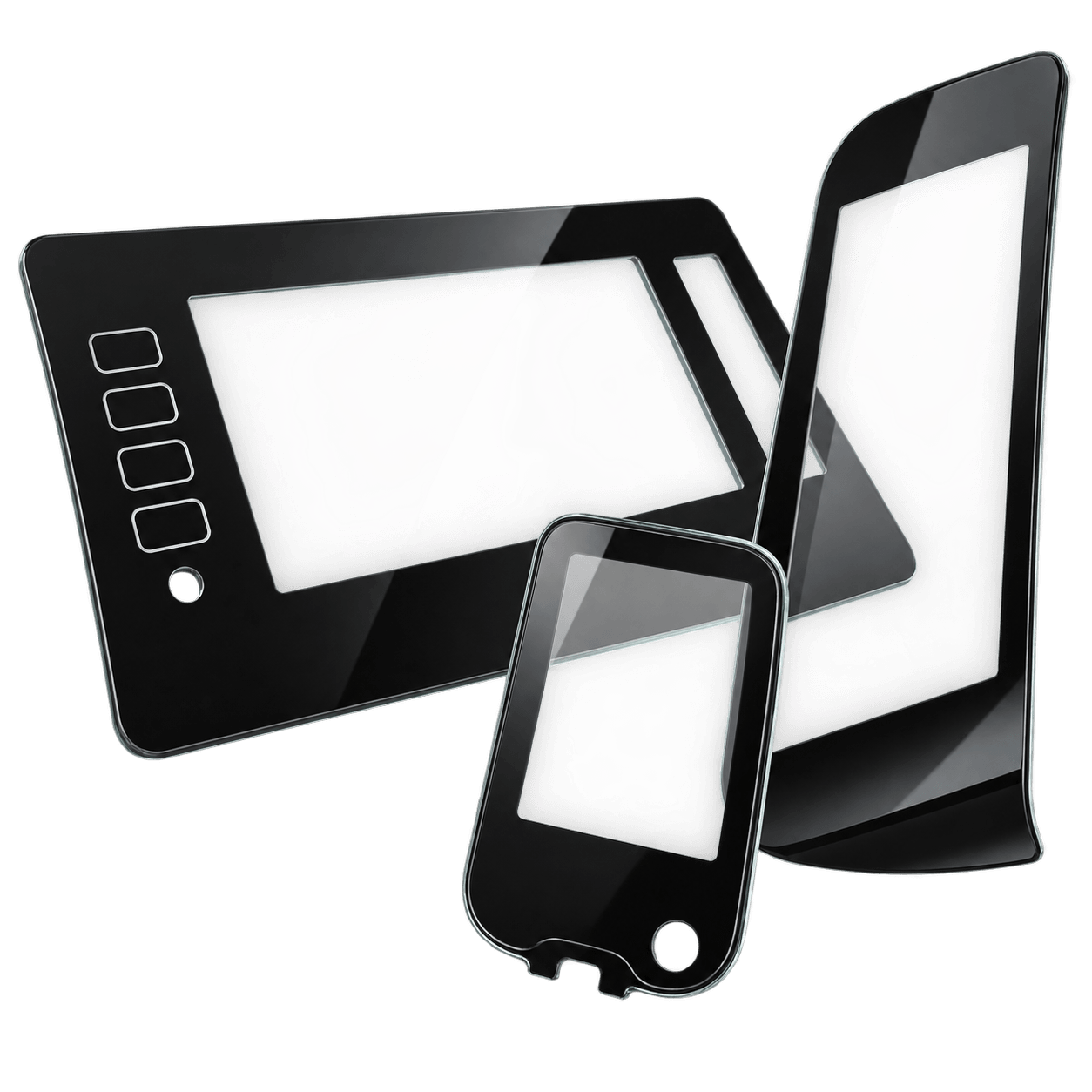
Front glass affects readability, touch performance, safety and long-term durability.
For outdoor, window-facing and public-use displays, the front glass is part of the display system, not only a protective cover.
Outdoor and public-use touch displays need special review.
Touch performance depends on the LCD, touch sensor, touch controller, cover glass, bonding structure, operating system and enclosure design.
Outdoor touch is a system-level design, not only a touch panel selection.
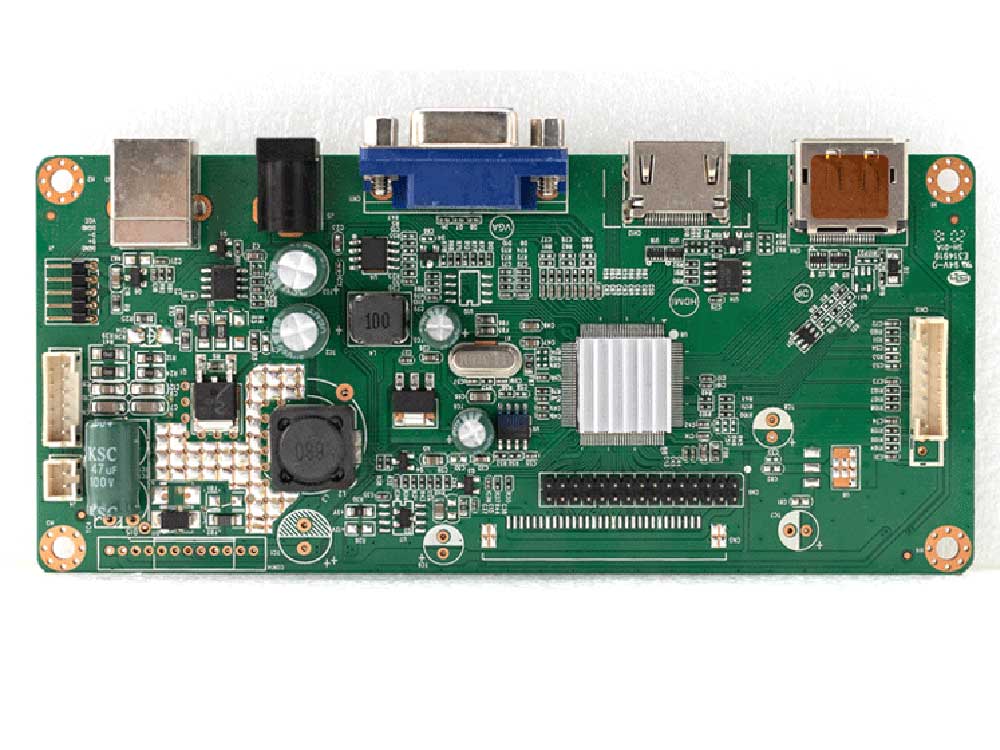
Outdoor and high brightness displays may require different control and signal options depending on the application.
Display hardware, controller board and system integration should be reviewed together before production.
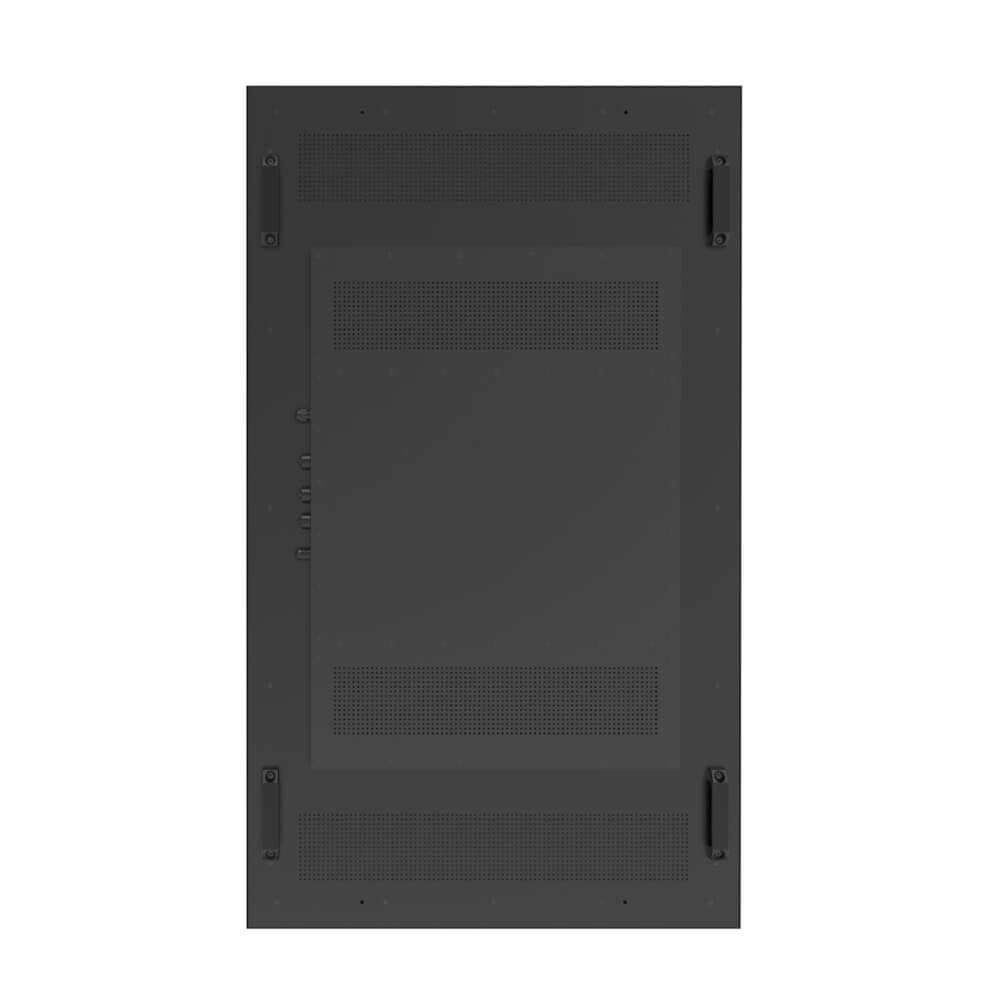
Outdoor and high brightness displays should be designed for installation and service.
A display system is not complete if it cannot be installed, accessed and maintained properly.
Outdoor and high brightness display systems are used across many commercial and industrial environments. The following scenarios help customers understand which solution direction may be more suitable.
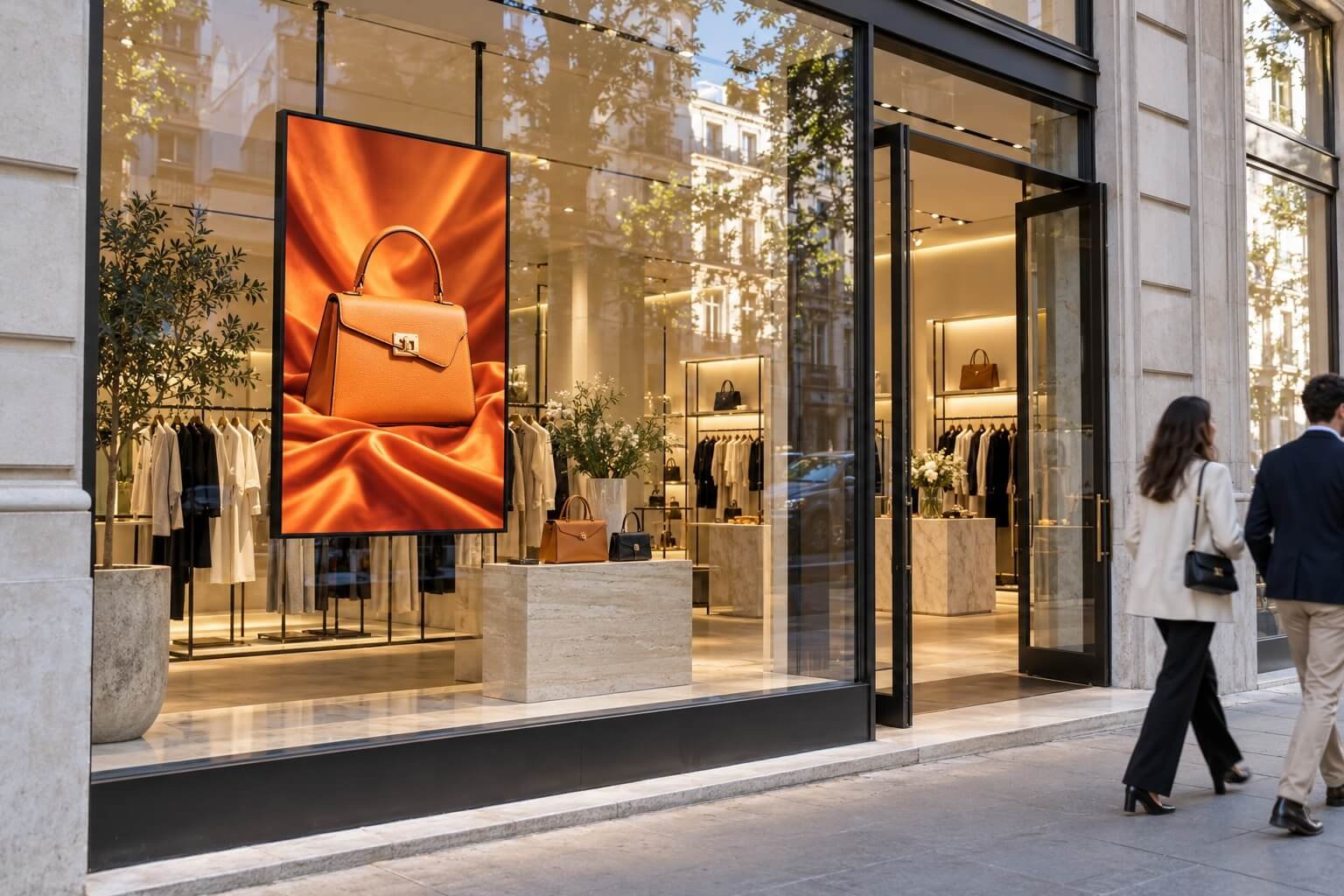
Retail storefronts often need strong visibility behind glass, better reflection control and display structures suitable for window installation.
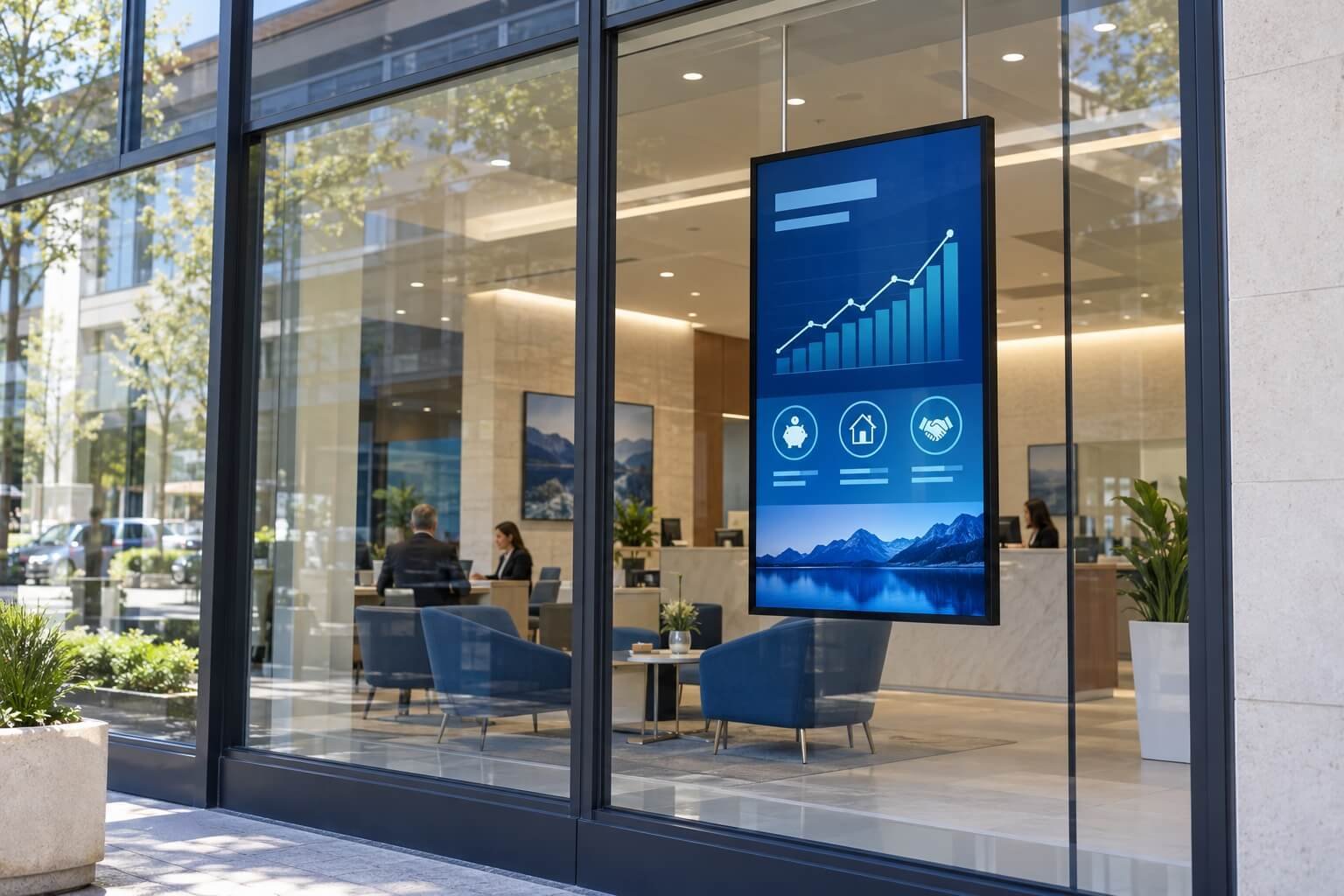
Commercial window displays are used by banks, real estate offices, restaurants, service centers, shopping malls and brand stores.
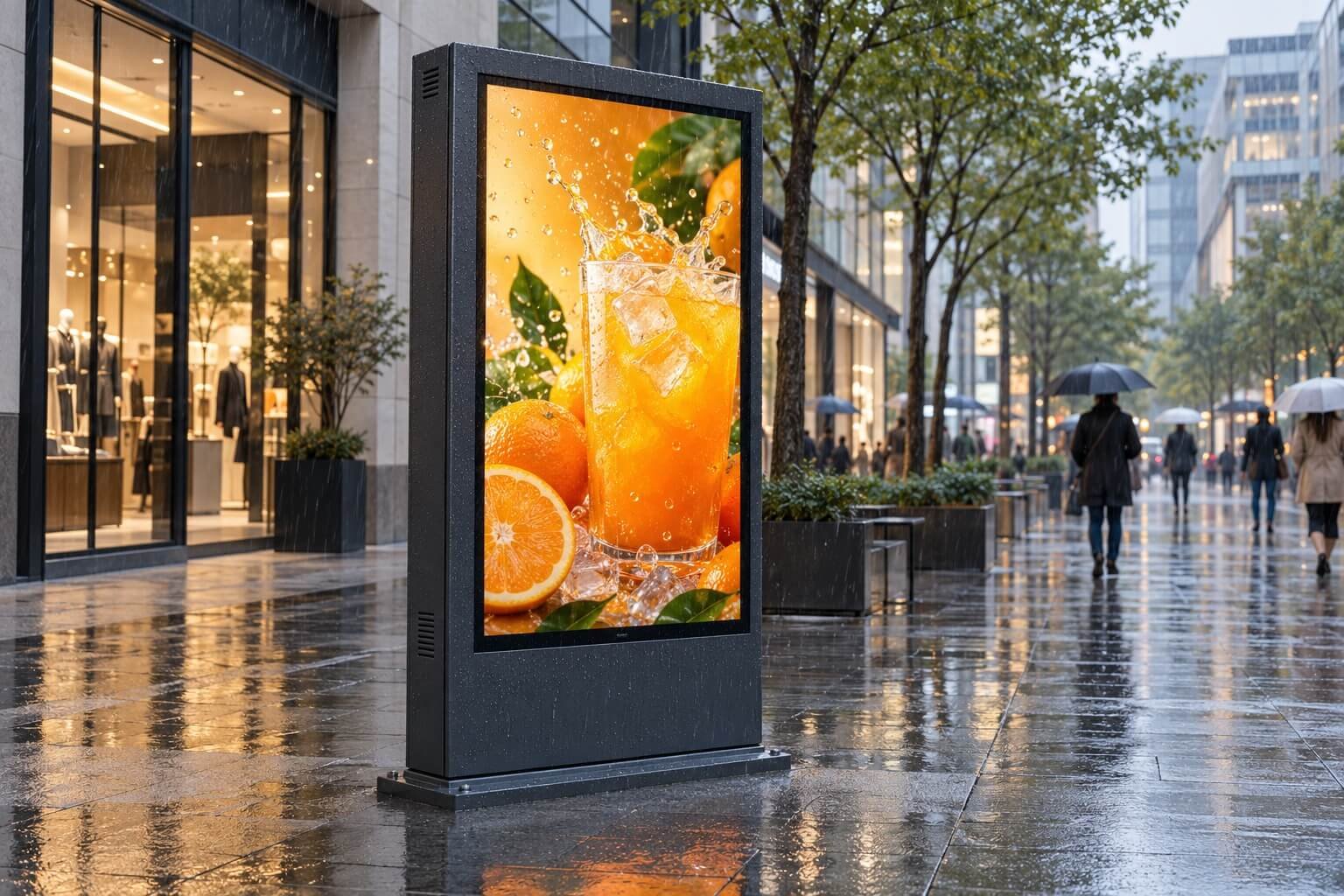
Outdoor signage requires visibility, weather protection, thermal design and service access.
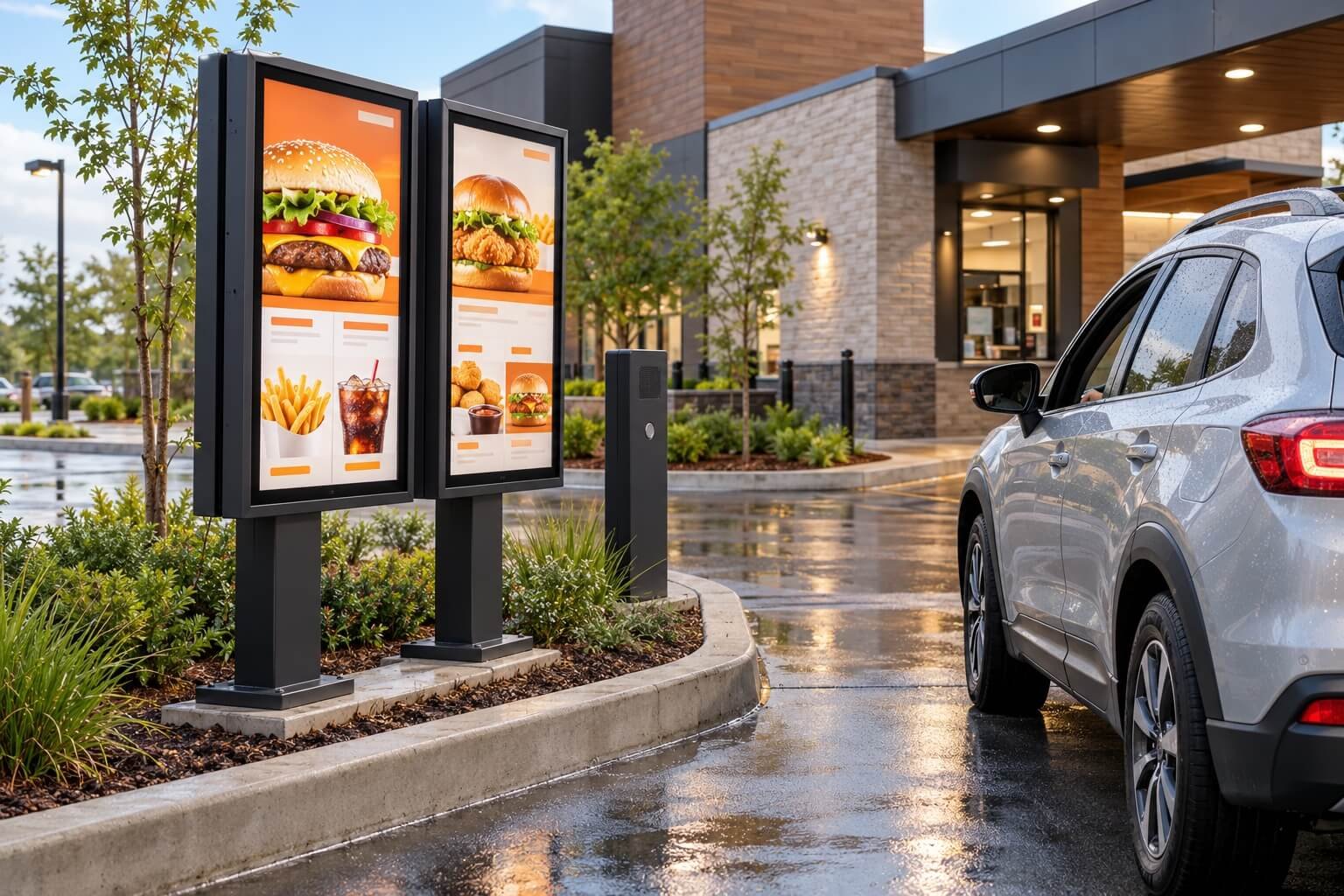
QSR and drive-thru display projects need readable menu content for vehicle-facing or outdoor viewing environments.
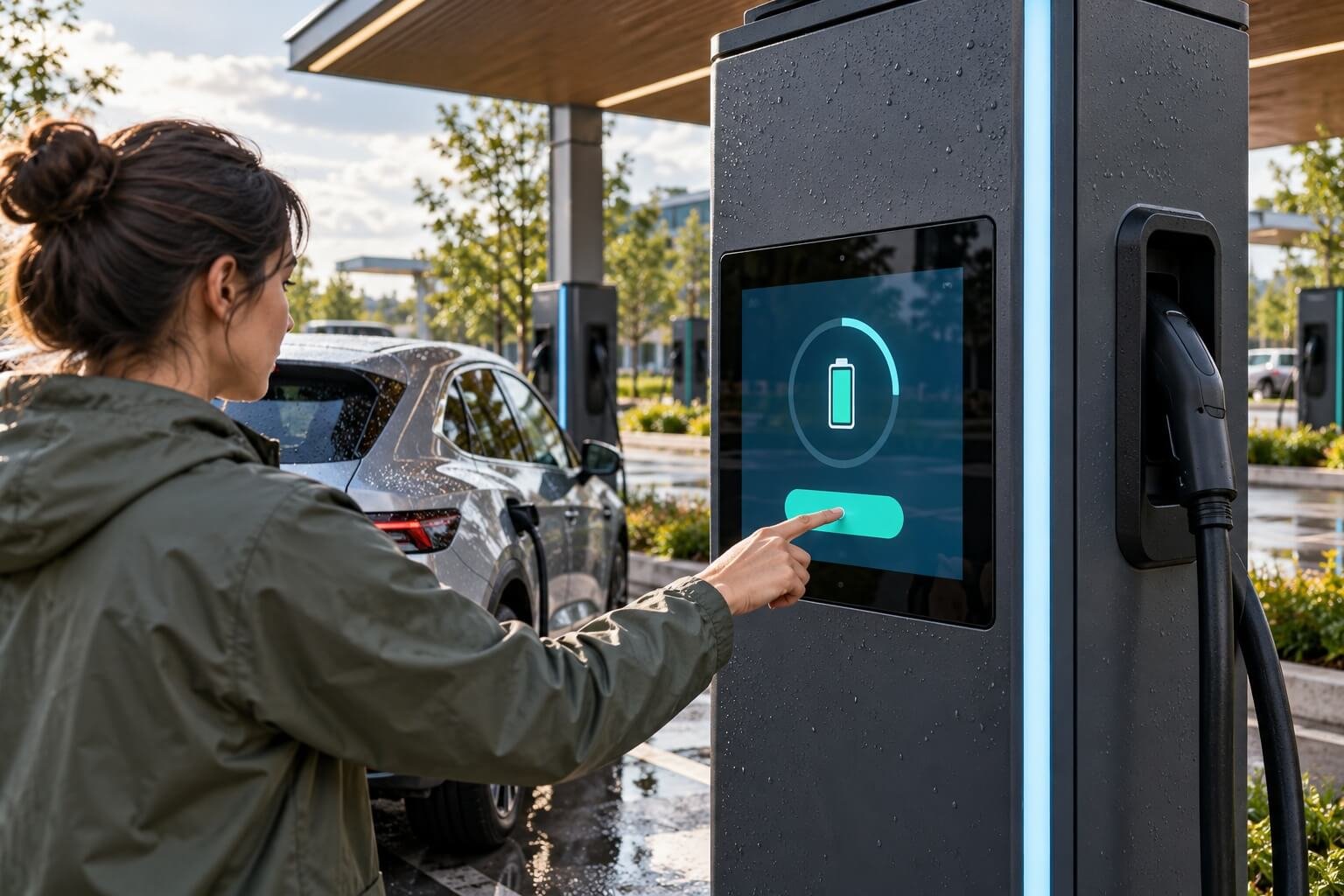
EV charging and outdoor self-service terminals require both visibility and user interaction.
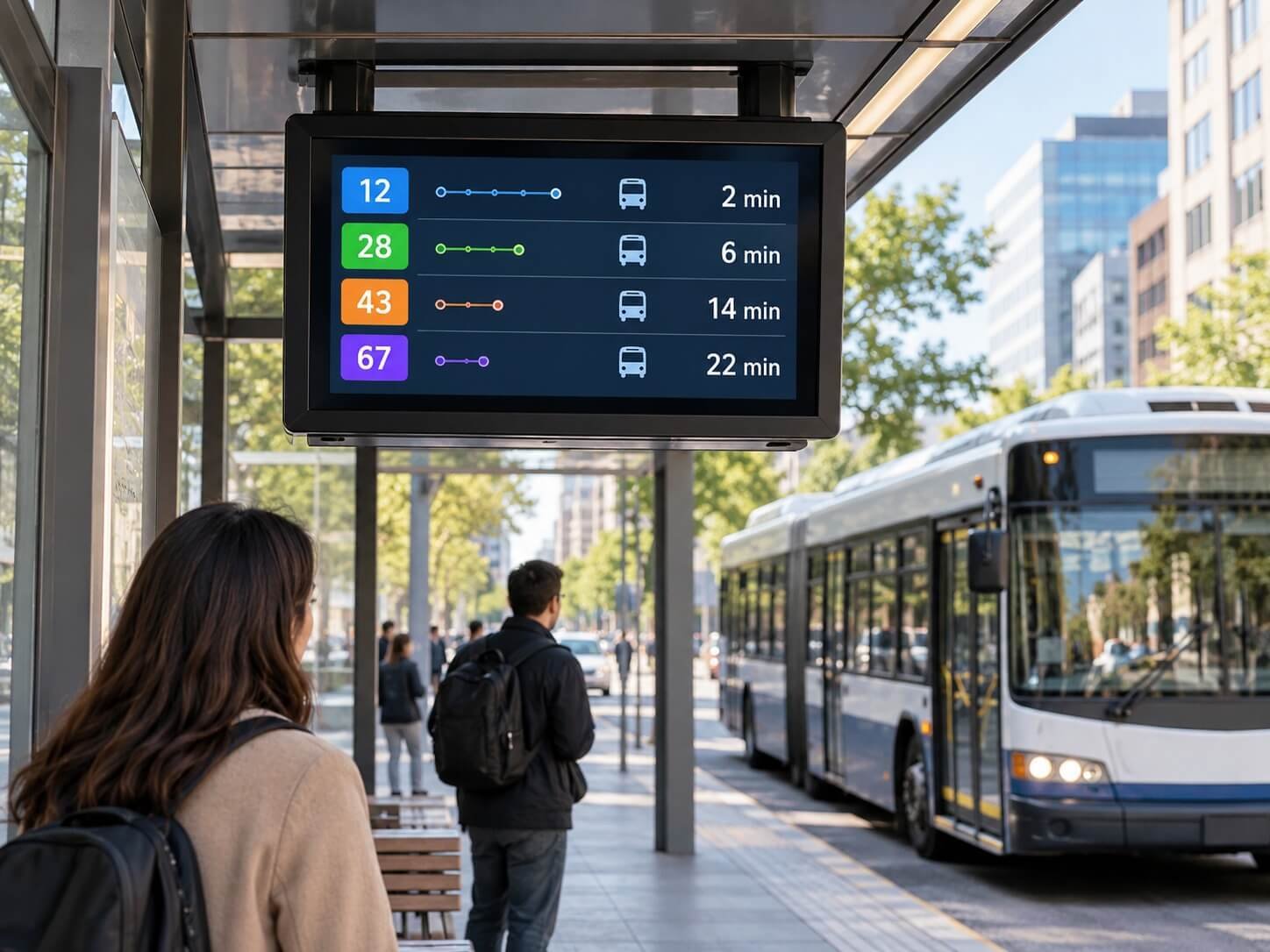
Transportation displays need stable visibility and long operating reliability in public environments.
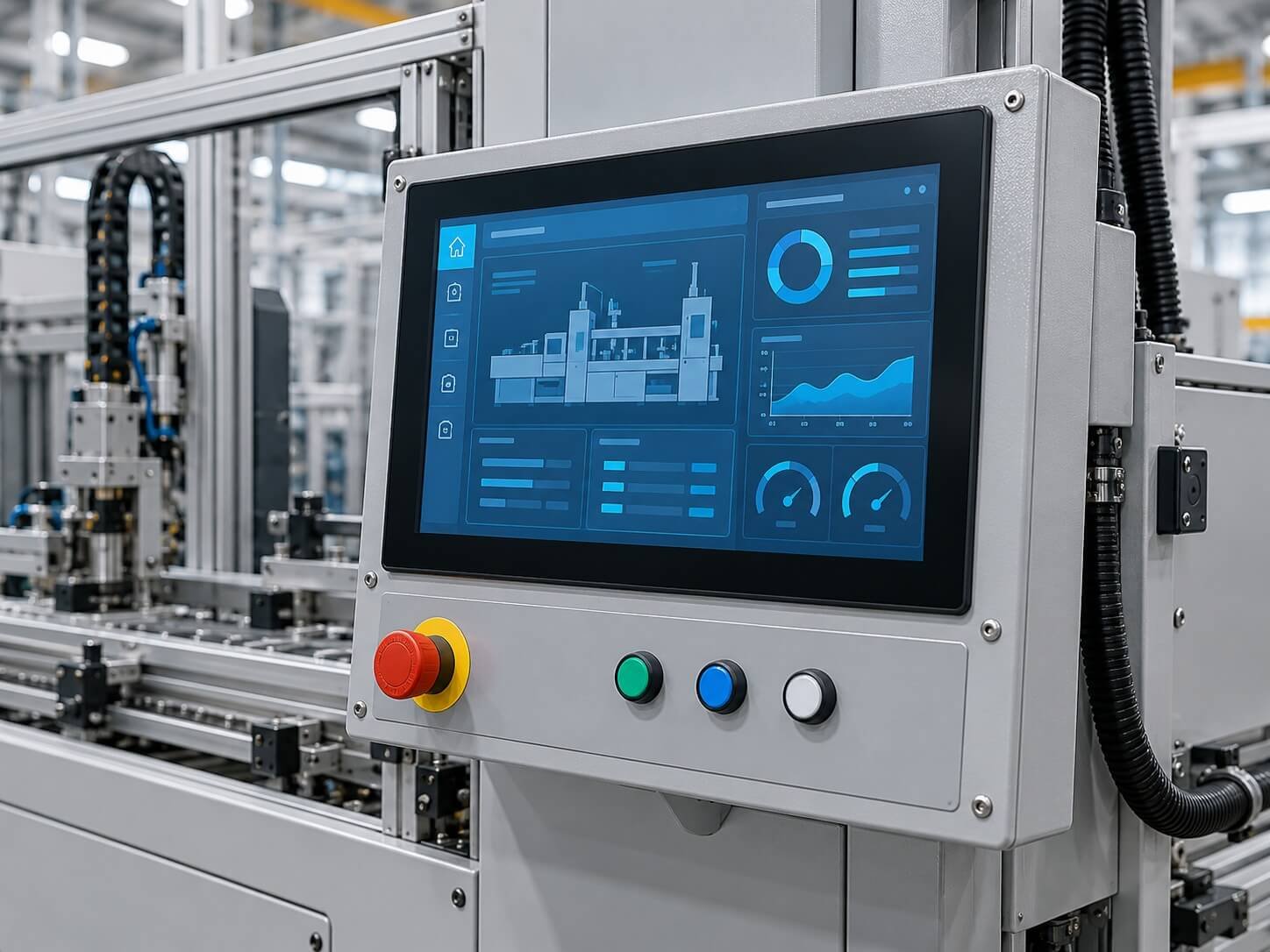
Industrial outdoor HMI displays require reliable operation in demanding work environments.
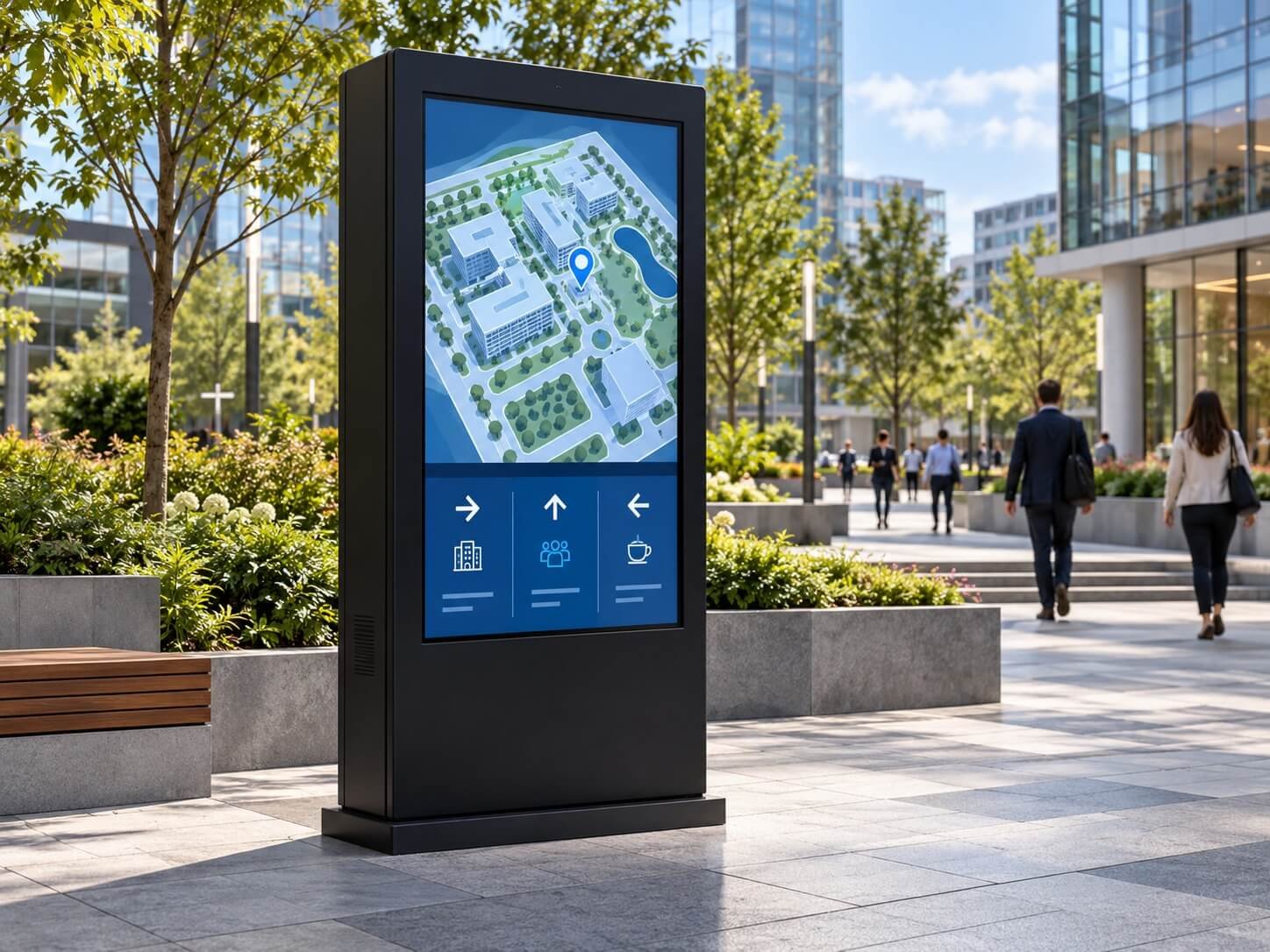
Smart city and public service displays may include information boards, interactive terminals, wayfinding systems and public communication screens.
Different customers may enter this category from different project questions. The following guide can help choose the next page.
| Customer Question | Recommended Direction |
|---|---|
| I am not sure whether normal brightness is enough. | High Brightness vs Normal Display |
| I am not sure whether this is indoor, semi-outdoor or outdoor. | Outdoor vs Indoor Display |
| My display will face a storefront window or street traffic. | Window Facing Display Systems |
| My project is a retail storefront or brand window. | Retail Window Display Solution |
| My display will be installed outdoors as signage. | All-Weather Outdoor Signage Solution |
| My project is an outdoor touch terminal or self-service device. | Rugged Outdoor Terminal Solution |
| I need better readability and stronger front display structure. | Optical Bonding Display Solution |
| I already know the hardware type and need product options. | Related Product Pages and Component Capabilities |
The best solution direction depends on the environment, not only the display size.
Indoor displays, semi-outdoor displays and outdoor displays are designed for different environments.
If your screen will face sunlight, storefront glass, rain, dust, heat, public traffic or long operating hours, a normal indoor display may not be suitable.
Before choosing the display, it is important to review the real installation environment, not only the screen size or brightness.
To recommend the right outdoor or high brightness display direction, DisplayMan usually reviews the following information.
The more complete the project information, the more accurate the display recommendation.
Outdoor and high brightness display systems are suitable for B2B projects where environment, visibility and reliability matter.
This solution category is designed for professional display projects, OEM integration and commercial environments where display performance matters after installation.
HIGH BRIGHTNESS FAMILY
No. In DisplayMan’s project experience, around 1,000 nits is sufficient for many daylight-viewing installations. Higher brightness may be useful for demanding sun-facing windows, greater advertising prominence or mandatory project specifications. Review actual reflections, content, viewing distance, weather exposure and thermal design before selecting the configuration.
It is a display solution designed for strong ambient light, semi-outdoor or outdoor environments. Depending on the project, it may include high brightness LCD, touch panel, cover glass, optical bonding, control board, enclosure review, thermal design and mounting support.
No. High brightness improves visibility, but outdoor use also requires weather protection, thermal management, front protection, enclosure design and maintenance access.
For professional outdoor use, it is usually not recommended. Normal indoor displays are not designed for sunlight readability, rain, dust, humidity, heat or long outdoor operation.
A semi-outdoor project is not fully exposed to rain, but it still faces outdoor-like challenges such as strong daylight, glass reflection, heat buildup, long viewing distance or public use. Displays behind storefront glass are a common example.
Often yes. A display behind glass may look fine indoors but become difficult to read during the day. Brightness, reflection, heat and installation direction should be reviewed together.
Not always. Optical bonding is useful when the project needs reduced internal reflection, better readability, stronger front structure or improved touch feeling.
Yes. Outdoor touch displays require review of the LCD, touch sensor, controller, cover glass, bonding structure, enclosure and software tuning.
It depends on the installation environment, sunlight direction, viewing distance, glass reflection, content type, thermal design and operating hours. DisplayMan can review the project and recommend a practical brightness direction.
Yes. Depending on the project, DisplayMan can support display selection, touch customization, cover glass, optical bonding, controller board, cable, FPC and OEM integration review.
Please send the application, display size, installation environment, sunlight condition, viewing distance, touch requirement, operating hours, quantity, drawing or installation photos if available.
If your display will face sunlight, storefront glass, strong ambient light, outdoor exposure, public use or long operating hours, the project should be reviewed as more than a standard screen purchase.
DisplayMan can help review whether your project is better suited for a high brightness display product, window-facing display system, all-weather outdoor signage solution, rugged outdoor terminal solution, optical bonding assembly or custom OEM display integration.
Outdoor and high brightness display projects are system-level projects. Brightness, heat, glass, structure, touch and maintenance must be reviewed together.