Sourcing TN LCD Screen Just in One Place

- The Ultimate Solutions

You need more than just a display, you need a veteran supplier who has been in the field for 20 years to build your brand and grow your profits. Let DISPLAYMAN help you achieve business success.

tn segment positive reflective display grey background and black letters lcd panel hero.jpg

Feature Products

There are more than 100 new prototypes being developed every month and only a few selected typical feature products are displayed. 

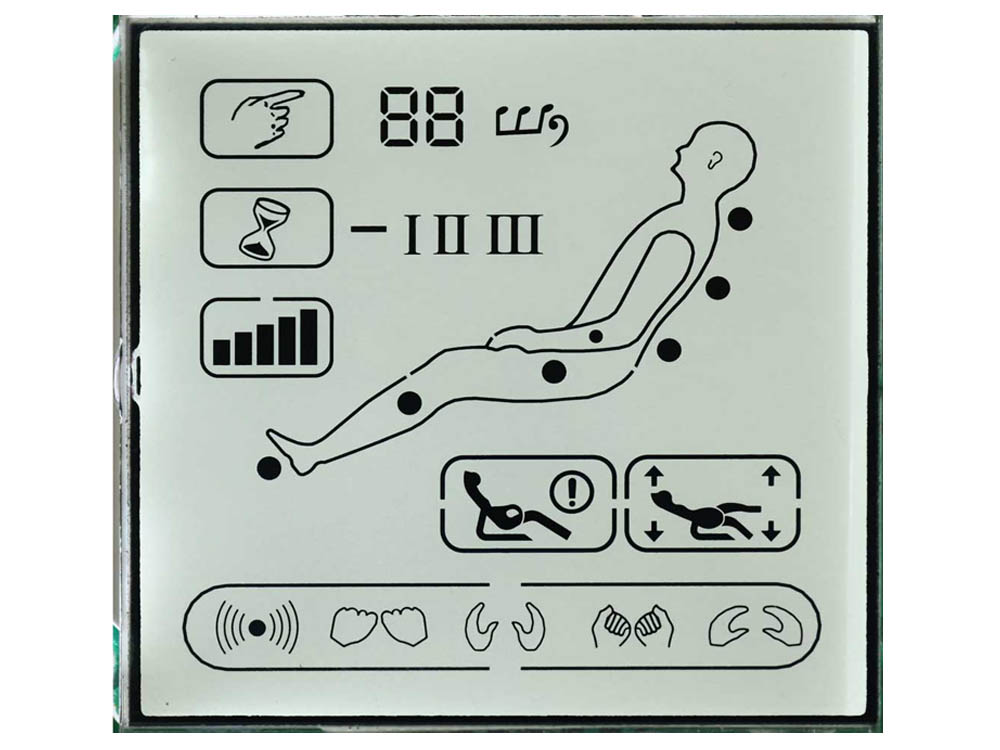
Display Type: TN / Segment

Display Size: Customized

Display Mode: Positive/Transmissive

Display effect: Grey Background and Black Letters

Application:  Massage Chair

Backlight: White

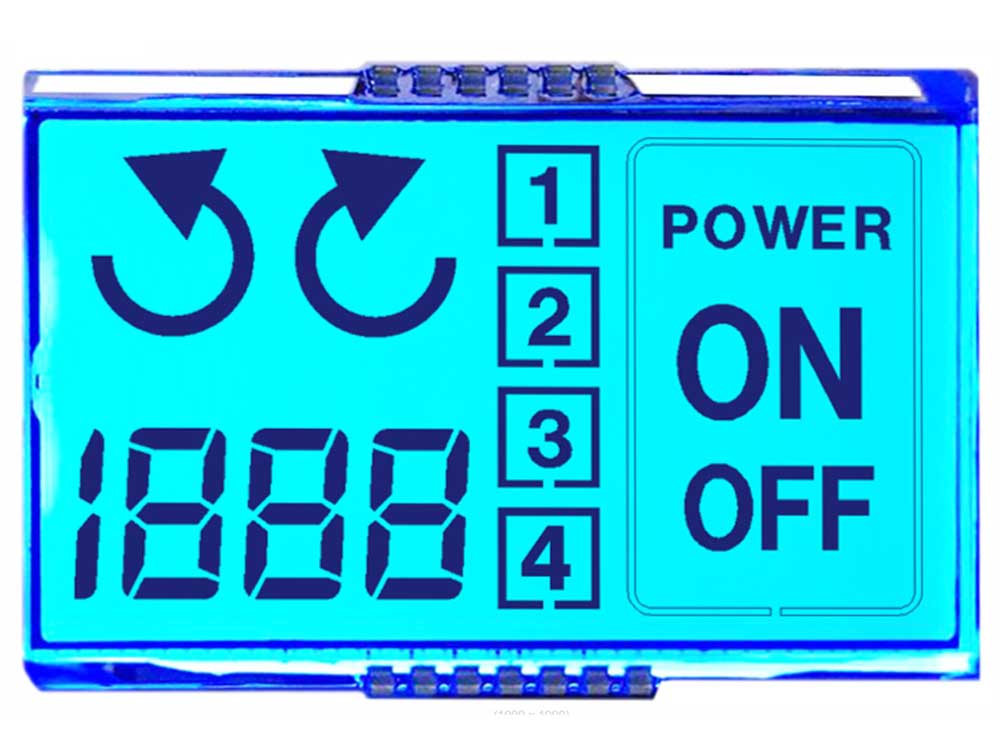
Display Type: TN / Segment

Display Size: Customized

Display Mode: Positive/ Transmissive

Display effect: Grey Background and Black Letters 

Application: Touch Button

Backlight: Sky Blue

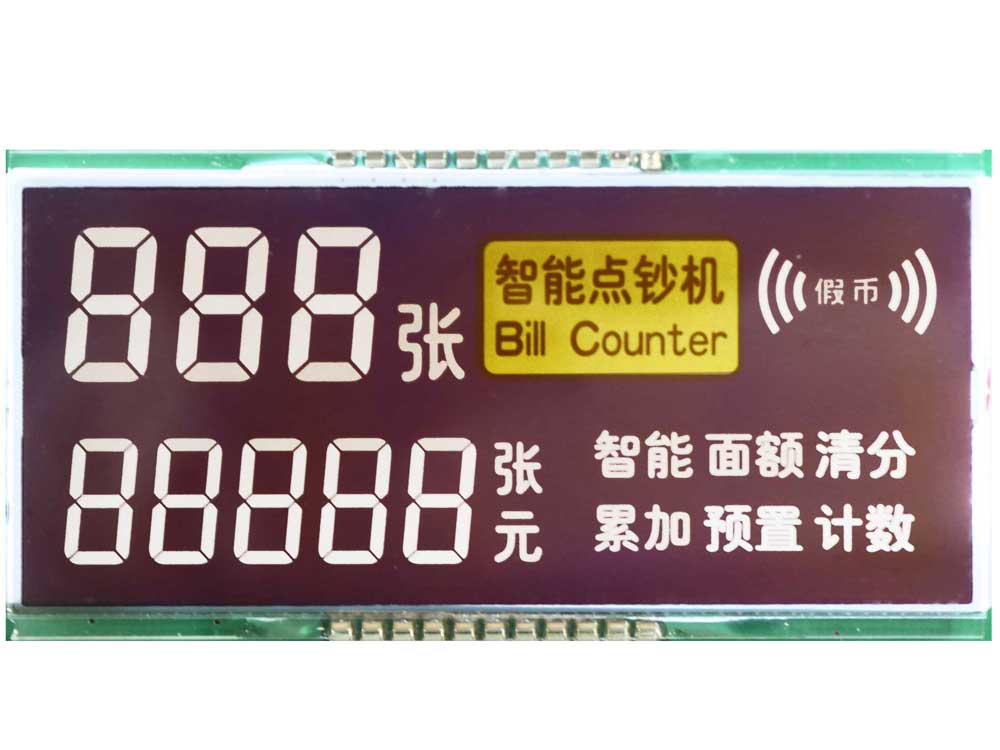
Display Type: TN / Segment

Display Size: Customized

Display Mode: Negative/Transmissive

Display effect:  Dark Violet Background and White Letters

Application:  Cash Counting Machine

Backlight: White

Display Type Display Mode Polarizer Background Letters Backlight
TN
Positive
Reflective
Grey
Black
No
TN
Positive
Transmissive
Grey
Black
Yes
TN
Positive
Transflective
Grey
Black
Yes or No
TN
Negative
Transmissive
Dark Violent
White
Yes
TN
Negative

Transflective(rarely used)

Dark Violent
White
Yes

Custom TN LCD Glass Panels for Segment Displays, Meters and Simple Control Interfaces

DisplayMan supplies custom TN LCD Glass Panels for products that need simple fixed digits, icons, symbols, units and status information.

TN LCD glass is widely used in meters, timers, appliances, remote controls, controllers, battery devices, chargers, simple medical equipment and cost-sensitive electronic products.

TN is normally selected when simple segment content, mature production and practical cost are more important than premium contrast, wide viewing angle or complex pixel graphics.

A TN LCD Glass Project Can Include

  • Custom glass outline and viewing area
  • Digits, icons, symbols and units
  • Positive or negative display mode
  • Reflective, transmissive or transflective structure
  • Static or multiplex driving
  • PIN, zebra or FPC connection
  • Optional LED backlight and color printing
  • Front-panel and product-housing matching
Core Product Positioning

Choose TN LCD Glass Panels when the product needs simple, fixed and cost-effective segment display content.

TN LCD Glass Panel Directions

TN LCD glass is mainly used for simple custom segment display projects. The correct direction depends on background effect, ambient light, backlight, power and product appearance.

TN LCD DirectionDisplay EffectBacklight OptionTypical Use
Positive Reflective TN LCDGrey or light background with dark contentNo backlightMeters, timers and low-power devices
Positive Transmissive TN LCDLight background with dark contentRequiredIndoor appliances and control panels
Positive Transflective TN LCDLight background with ambient-light and backlight supportOptionalMixed-lighting environments
Negative Transmissive TN LCDDark background with illuminated contentRequiredSelected control panels and product interfaces
Negative Transflective TN LCDDark background with mixed-light supportUsually requiredSpecial display-effect projects
TN Segment LCD GlassCustom fixed digits, icons and symbolsOptionalMeters, controllers and simple electronic products
TN Is Mainly for Simple Segment Content

If the project needs higher contrast, wider viewing angle, complex dot-matrix graphics or a premium black-background effect, HTN, STN, FSTN or VA LCD glass may be more suitable.

What Is a TN LCD Glass Panel?

Twisted Nematic

Basic Monochrome LCD Technology

TN is a mature LCD technology widely used for simple segment displays and cost-sensitive products.

Fixed Glass Pattern

Digits, Icons and Symbols

The required segments are built directly into the LCD glass pattern and remain fixed after tooling.

Glass-Level Product

Not a Complete Module

Polarizer, backlight, driver circuit, PCB, connector and housing may still be required.

A Complete Display May Also Require

  • Polarizer
  • LED backlight
  • PIN, zebra or FPC
  • Driver circuit
  • PCB or product mainboard
  • Front lens or housing
  • Mechanical support
  • Light guide
  • Connector structure

Why Use TN LCD Glass Panels?

Cost-Effective

TN is one of the most practical technologies for simple fixed segment content.

Mature Production

TN LCD is widely used and normally offers stable basic manufacturing performance.

Suitable for Fixed Layouts

Numbers, units, warnings, battery icons and product-specific indicators can be customized.

Low-Power Potential

Reflective and simple driving directions can suit meters and battery devices.

Multiple Optical Modes

Reflective, transmissive and transflective structures can be reviewed.

Flexible Connection

PIN, zebra and FPC options can match different product assembly structures.

TN LCD Display Modes and Optical Structure

Selection FactorDisplay EffectSelection Logic
Positive ModeDark segments on a lighter backgroundChoose for traditional, clear and practical display appearance
Negative ModeLight content on a darker backgroundChoose for selected modern effects; suitable backlight is normally required
ReflectiveUses ambient lightChoose for low-power products and operation without continuous backlight
TransmissiveRelies on backlightChoose for indoor or low-light products
TransflectiveUses ambient light and optional backlightChoose for mixed-light environments
BacklightWhite, blue, green, yellow-green, orange or project-basedSelect together with display mode, polarizer and product appearance
Optical Mode and Backlight Must Be Selected Together

A reflective positive TN LCD may operate without backlight, while a negative transmissive TN LCD depends on backlight for visibility.

TN LCD Driving and Connection Options

FactorAvailable DirectionPractical Use
Static DrivingDirect segment controlSimple design, stronger contrast and higher pin count
Multiplex DrivingShared COM and SEG electrodesReduces pin count and supports more segments
Duty and BiasProject-based electrical reviewAffects contrast, voltage, ghosting and driver selection
PIN ConnectionMetal pins from the glassDirect PCB or through-hole assembly
Zebra ConnectionElastomer between glass and PCBCompact pressure-mounted assemblies
FPC ConnectionFlexible printed circuitSpace-limited layouts and flexible cable direction
Module IntegrationGlass combined with PCB, driver or backlightUse COB, COG or custom module review when glass alone is not enough
Electrical Information Matters

Segment count, COM count, duty, bias, voltage, driver IC and pin definition must be reviewed before tooling and sample production.

TN LCD Glass Customization Options

  • LCD glass size
  • Viewing area
  • Segment layout
  • Digits, icons and symbols
  • Positive or negative mode
  • Reflective, transmissive or transflective mode
  • 0.3, 0.4, 0.55, 0.7 or 1.1 mm ITO glass
  • Static or multiplex driving
  • Driving voltage, duty and bias
  • 12, 3, 6 or 9 o'clock viewing direction
  • PIN, zebra or FPC connection
  • Backlight requirement
  • Color silk printing
  • Front lens matching
  • Product-housing integration
  • Operating temperature
  • Existing TN LCD replacement
  • Sample and mass-production validation
Customization Boundary

TN LCD glass is mainly suitable for simple segment content. It is not the best direction for complex dot-matrix UI, high-contrast graphics, very wide viewing angle or premium black-background effects.

TN LCD Glass Technology Comparisons

TN LCD Glass vs HTN LCD Glass

FactorTN LCD GlassHTN LCD Glass
ContrastBasicHigher than TN
CostLowerHigher than TN
Viewing AngleNarrowerBetter than TN
Display ContentSimple segment contentSegment content requiring improved contrast
Best ForCost-sensitive simple displaysProducts needing better readability than TN
Selection LogicChoose for simple and lower-cost segment displayChoose when TN contrast or viewing angle is not enough

TN LCD Glass vs STN / FSTN LCD Glass

FactorTN LCD GlassSTN / FSTN LCD Glass
Main UseSimple segment displaySegment, character, graphic and dot-matrix display
ContrastBasicBetter, especially FSTN
Viewing AngleNarrowerWider than TN
Display ComplexityLowerHigher
CostLowerHigher
Selection LogicChoose for simple fixed digits and iconsChoose when graphics, dot matrix or better readability are needed

TN LCD Glass vs VA LCD Glass

FactorTN LCD GlassVA LCD Glass
Display EffectGrey background with dark content or basic negative effectHigh-contrast black background
ContrastBasicHigher
AppearanceSimple and practicalMore premium
CostLowerHigher
BacklightOptional depending on modeUsually required
Selection LogicChoose TN for simple, cost-effective displayChoose VA for strong black-background effect

Typical TN LCD Glass Applications

Timers and Thermometers

Time, temperature, units and fixed status indicators.

Remote Controls

Mode, temperature, timer and battery symbols.

Simple Meters

Values, units, warning icons and status marks.

Battery Chargers and Power Banks

Charging state, level, voltage and fixed indicators.

Home and Kitchen Appliances

Mode, time, temperature and program status.

Controllers and Status Panels

Simple product settings, alarms and operating states.

Toys and Consumer Electronics

Cost-sensitive fixed display content.

Simple Medical and Massage Equipment

Measurements, timer, intensity and status symbols.

Existing TN LCD Replacement

Exact glass, segment, pin, voltage and structure matching.

How to Select the Right TN LCD Glass Panel

1

Confirm the Display Is Simple and Fixed

Digits, units, icons, symbols and status indicators without flexible graphics.

2

Prepare Glass and Segment Layout

Glass size, viewing area, digit height, symbols, icon positions and key dimensions.

3

Choose Positive or Negative Mode

Traditional grey-background appearance versus a dark backlit effect.

4

Choose Optical and Driving Structure

Reflective, transmissive or transflective; static or multiplex; duty, bias and voltage.

5

Confirm Connection and Mechanics

PIN, zebra or FPC, viewing direction, glass thickness, backlight and housing.

6

Validate Tooling and Production

Tooling, sample, temperature, quantity forecast, acceptance criteria and schedule.

When TN LCD Glass Is the Right Choice

Suitable For

  • Simple fixed segment content
  • Digits, icons, units and status marks
  • Cost-sensitive OEM products
  • Meters, timers and controllers
  • Reflective low-power displays
  • Positive or basic negative effects
  • PIN, zebra or FPC connection
  • Optional LED backlight
  • Stable high-volume products
  • Existing TN LCD replacement

May Require Another Technology

  • Higher contrast than TN can provide
  • Wider viewing angle is required
  • Complex character or graphic content is required
  • Dot-matrix UI is required
  • Premium black-background effect is required
  • Full-color images or video are required
  • A modern touch-screen UI is required
  • No segment layout has been defined
  • The quantity cannot support custom tooling
  • A complete display module or terminal is required
Adjacent LCD Glass Technologies

Choose Another LCD Glass Direction When TN Is Not Enough

TN is the practical direction for simple segment content and cost-sensitive products. Use another technology when contrast, viewing angle, content complexity or premium appearance matters more.

Product PageChoose This When
LCD Glass PanelsYou need the main LCD glass technology-selection page
HTN LCD Glass PanelsYou need higher contrast than TN for segment applications
STN LCD Glass PanelsYou need improved viewing and more flexible monochrome content
FSTN LCD Glass PanelsYou need stronger readability for graphic or dot-matrix applications
VA LCD Glass PanelsYou need a premium high-contrast black-background effect
Segment LCD DisplaysYou need the complete custom segment LCD product direction

What Information Should You Provide?

Glass and Segment Layout

  • LCD glass size
  • Viewing area
  • Segment layout drawing
  • Digits, icons and symbols
  • Digit height and key dimensions

Optical and Electrical Requirement

  • Positive or negative mode
  • Reflective, transmissive or transflective
  • Backlight requirement
  • Static or multiplex driving
  • Voltage, duty and bias

Connection and Commercial Information

  • PIN, zebra or FPC
  • Viewing direction and temperature
  • ITO glass thickness if known
  • Quantity and project schedule
  • Drawing, photos, datasheet or sample
A Clear Display Layout Is Essential

Even a simple sketch showing glass size, viewing area, digits, icons and approximate positions can start the feasibility review.

FAQ

What is a TN LCD Glass Panel?

A TN LCD Glass Panel is a custom monochrome LCD glass using Twisted Nematic technology. It is commonly used for simple segment content such as digits, icons, symbols and status indicators.

Is TN LCD glass the same as a complete LCD module?

No. TN LCD glass is the glass display element. A complete module may also include polarizers, backlight, driver circuit, PCB, connector, frame and front-panel structure.

What is TN LCD glass best used for?

TN LCD glass is best for simple, fixed segment displays where cost, mature production and basic readability are more important than premium contrast or wide viewing angle.

When should I choose HTN instead of TN?

Choose HTN when the project still uses segment content but requires better contrast or viewing performance than standard TN.

When should I choose STN or FSTN instead?

Choose STN or FSTN when the product needs higher multiplex capability, wider viewing, better contrast or more complex character, graphic or dot-matrix content.

When should I choose VA LCD instead?

Choose VA when the product requires a stronger black-background, high-contrast and more premium display effect.

Can TN LCD glass use positive display mode?

Yes. Positive TN LCD normally shows dark segments on a lighter grey or project-based background.

Can TN LCD glass use negative display mode?

Yes. Negative TN LCD shows light content on a darker background and normally requires a suitable backlight.

What is reflective TN LCD?

Reflective TN LCD uses ambient light and normally works without a backlight, making it suitable for low-power meters, timers and battery devices.

What is transmissive TN LCD?

Transmissive TN LCD relies on backlight for visibility and is used in indoor or low-light products.

What is transflective TN LCD?

Transflective TN LCD can use ambient light and optional backlight, making it suitable for mixed-lighting conditions.

Can TN LCD glass use LED backlight?

Yes. Backlight color, brightness, current, light guide and mechanical structure can be reviewed according to the optical mode and product design.

What connection methods are available?

TN LCD glass can use PIN, zebra, FPC or a project-based module structure depending on the glass size, product PCB and assembly method.

What is static or multiplex driving?

Static driving controls each segment directly. Multiplex driving shares COM and SEG electrodes to reduce pin count. Duty, bias, voltage and contrast must be reviewed together.

Can the ITO glass thickness be customized?

Yes. Typical directions such as 0.3 mm, 0.4 mm, 0.55 mm, 0.7 mm and 1.1 mm can be reviewed according to the project.

Can you replace an existing TN LCD glass?

Yes. Please provide the old LCD sample, glass outline, viewing area, segment layout, pin details, driving information, backlight, photos and product information.

What is the main limitation of TN LCD glass?

TN LCD normally provides lower contrast and narrower viewing than HTN, STN, FSTN or VA, and is not the best choice for complex dot-matrix graphics or premium black-background effects.

What information is required for quotation?

Please provide glass size, viewing area, segment layout, display mode, optical mode, backlight, driving method, voltage, connection type, viewing direction, temperature, ITO thickness if known, quantity, schedule and available drawings or samples.

Start Your TN LCD Glass Panel Project

Send us the glass size, viewing area, segment layout, display mode, optical mode, backlight, driving method, connection, viewing direction, temperature, quantity and schedule.

DisplayMan will review whether TN LCD glass is suitable or whether HTN, STN, FSTN or VA LCD glass better matches the display effect and application.

TN LCD glass is intended for simple and cost-sensitive segment content. A clear layout drawing and realistic production quantity are required before tooling and quotation.

Send Your Display Requirement

Please share your application, display size, quantity and project background. We will review the most practical display direction.