TFT LCD Modules & Touch Integration

Touch Screen TFT LCD Displays

Capacitive or Resistive Touch for Your OEM Device

Explore TFT LCD modules with touch options for HMI panels, instruments, handheld devices and embedded terminals. DisplayMan supports touch selection, custom cover glass, optical bonding and interface matching around your product requirements.

Capacitive & Resistive TouchCustom Cover GlassOptical BondingController Matching
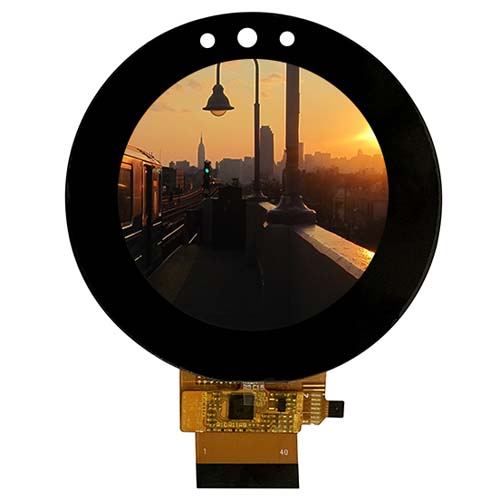
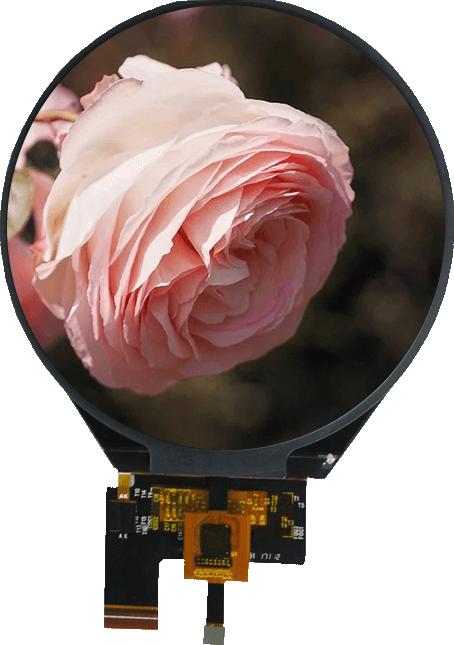
3.4-inch 800 by 800 circular TFT LCD touch display with ILI9881C driver

TFT LCD Modules with Capacitive or Resistive Touch Panel Integration

DisplayMan supplies Touch Screen TFT LCD Displays for OEM products, industrial equipment, commercial terminals, handheld devices, medical instruments, smart controllers and embedded systems that require both visual output and touch input.

A touch LCD module combines a TFT LCD with a capacitive or resistive touch panel according to the product structure, user behavior and operating environment.

This page focuses on module-level touch integration—not complete touch monitors, Android terminals, Windows Panel PCs or finished kiosks.

A Touch Screen TFT LCD Project Can Include

  • TFT LCD module selection
  • Capacitive or resistive touch panel
  • Touch IC and controller review
  • I2C, USB or analog touch interface
  • Custom cover glass and printed borders
  • AG, AR or AF surface treatment
  • Optical bonding or air bonding
  • LCD controller-board and mechanical integration
Core Product Positioning

Choose Touch Screen TFT LCD Displays when touch input is a core requirement of the product at the display-module level.

Touch Screen TFT LCD Product Showcase

Explore 12 selected touch display modules from 2.1 to 13.3 inches, covering round and rectangular formats, capacitive and resistive touch, and multiple interface options. Compare the supplied reference specifications below to identify a starting point for your project.

2.1-inch 480 × 480 Round Capacitive Touch LCD

2.1-inch 480 × 480 Round Capacitive Touch LCD

Size (Diagonal)2.1 inch
Dot Matrix / Resolution480 × RGB × 480 (TFT) dots
Module Dimension75.0(H) ×74.49 (W) × 5.19 mm
Active Area53.28*53.28 mm
LCD Driver ICST7701S
CTP Driver ICATMXT308U
LCD InterfaceRGB18-bit+SPI
CTP InterfaceIIC
Operating Temperature-20~+70 °C
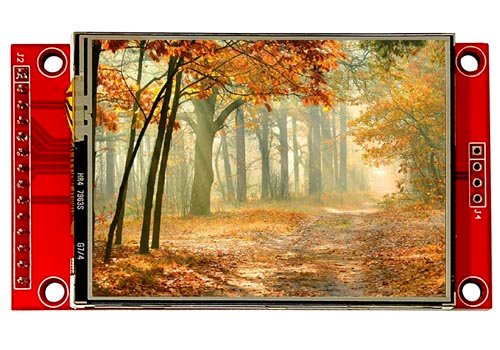
2.4-inch 320 × 240 SPI Resistive Touch LCD

2.4-inch 320 × 240 SPI Resistive Touch LCD

Size (Diagonal)2.4 inch
Dot Matrix / Resolution320 × RGB × 240 (TFT) dots
Module Dimension42.72*77.18 mm
Active Area36.72*48.96 mm
Module Interface4-wire SPI interface
LCD Driver ICILI9341
TouchAnalog 4-Wire Resistive Touch Screen
Operating Temperature-20~+70 °C
Storage Temperature-30~+80 °C
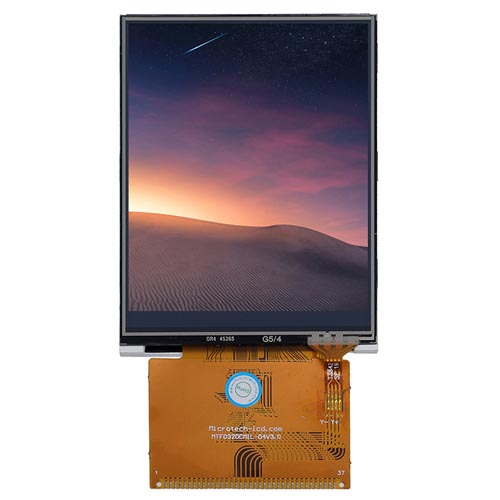
3.2-inch 240 × 320 MCU Resistive Touch LCD

3.2-inch 240 × 320 MCU Resistive Touch LCD

Size (Diagonal)3.2 inch
Dot Matrix / Resolution240 × RGB × 320 (TFT) dots
Module Dimension55.0*77.2*3.9 mm
Active Area48.60X64.80 mm
LCD Driver ICILI9341
Module Interface8/16 bits parallel/MCU
TouchAnalog 4-Wire Resistive Touch Screen
Operating Temperature-20~+70 °C
Storage Temperature-30~+80 °C
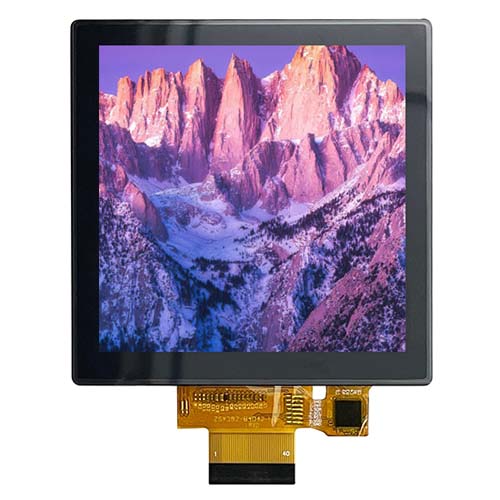
3.92-inch 320 × 320 Capacitive Touch LCD

3.92-inch 320 × 320 Capacitive Touch LCD

Size (Diagonal)3.92 inch
Dot Matrix / Resolution320 × RGB × 320 (TFT) dots
Module Dimension76.72X74.86X3.33 mm
Active Area71.13X69.82 mm
Module InterfaceSPI/RGB /MCU
Driver ICILI9488
Touchcapacitive touch screen
Operating Temperature-20~+70 °C
Storage Temperature-30~+80 °C
5.0-inch 1080 × 1920 High-Brightness Touch LCD

5.0-inch 1080 × 1920 High-Brightness Touch LCD

Size (Diagonal)5.0 inch
Dot Matrix / Resolution1080 × RGB × 1920 (TFT) dots
Module Dimension63.72×117.25×1.58 mm
Active Area61.88×110.02 mm
Brightness1000 cd/m²
Module InterfaceMIPI
LCD Driver ICHX8399-C
Operating Temperature-20~+70 °C
Storage Temperature-30~+80 °C
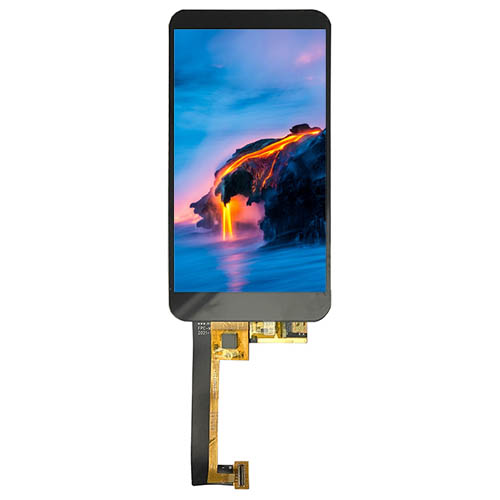
5.94-inch 720 × 1280 MIPI Capacitive Touch LCD

5.94-inch 720 × 1280 MIPI Capacitive Touch LCD

Size (Diagonal)5.94 inch
Dot Matrix / Resolution720 × RGB × 1280 (TFT) dots
Module Dimension76.75×140.28×1.66 mm
Active Area73.98×131.52 mm
Module InterfaceMIPI 4-channel
Driver ICST7703
Touchcapacitive touch screen
Operating Temperature-20~+70 °C
Storage Temperature-30~+80 °C
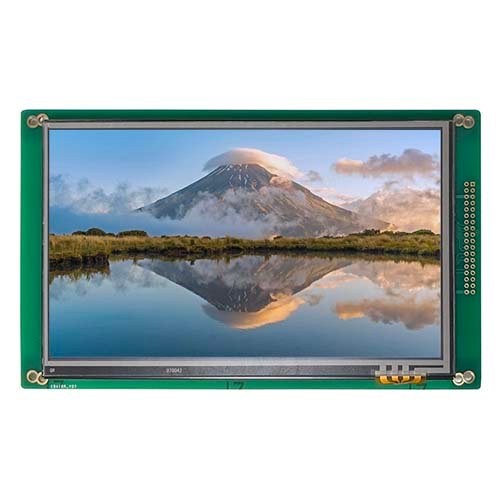
7.0-inch 1024 × 600 RS232/TTL Resistive Touch LCD

7.0-inch 1024 × 600 RS232/TTL Resistive Touch LCD

Size (Diagonal)7.0 inch
Dot Matrix / Resolution1024 × RGB × 600 (TFT) dots
Module Dimension170.3(W) × 103.8 (H) × 20.15 mm
Active Area154.2144 × 85.92 mm
Brightness450 cd/m²
Module InterfaceRS232/TTL
TouchAnalog 4-Wire Resistive Touch Screen
Operating Temperature-20~+70 °C
Storage Temperature-30~+80 °C
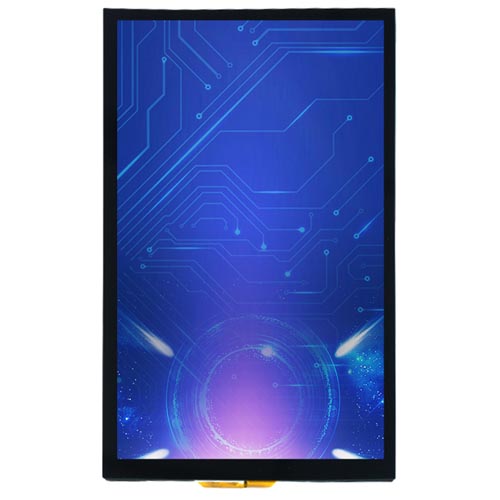
7.0-inch 800 × 1280 MIPI Capacitive Touch LCD

7.0-inch 800 × 1280 MIPI Capacitive Touch LCD

Size (Diagonal)7.0 inch
Dot Matrix / Resolution800 × RGB × 1280 (TFT) dots
Module Dimension97.35×162.03×2.3 mm
Active Area94.2×150.7 mm
Module InterfaceMIPI
Controller IC (as supplied)GT911
FPC40 PIN
Operating Temperature-20~+70 °C
Storage Temperature-30~+80 °C
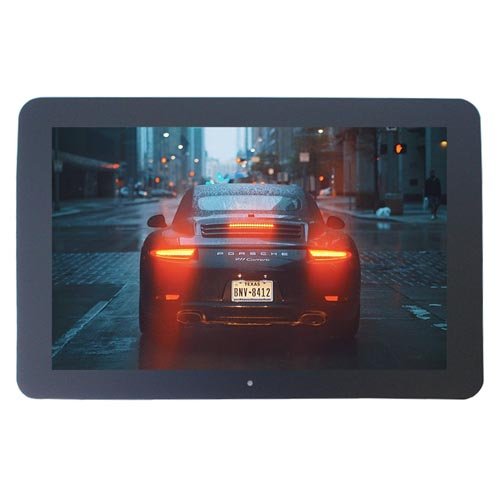
10.1-inch 1280 × 800 LVDS Touch LCD

10.1-inch 1280 × 800 LVDS Touch LCD

Size (Diagonal)10.1 inch
Dot Matrix / Resolution1280 × RGB × 800 (TFT) dots
Module Dimension229.2*149.8*2.50 mm
Active Area216.96*135.6 mm
Module InterfaceLVDS
FPC40 PIN
Brightness350/600/1000 Nits
Operating Temperature-20~+70 °C
Storage Temperature-30~+80 °C
10.1-inch 1920 × 1200 LVDS Capacitive Touch LCD

10.1-inch 1920 × 1200 LVDS Capacitive Touch LCD

Size (Diagonal)10.1 inch
Dot Matrix / Resolution1920 × RGB × 1200 (TFT) dots
Module Dimension229.45(H)*149.22(V)*4.7(typ) mm
Module InterfaceLVDS
Active Area216.8064(H)*135.504(V) mm
Dot / Pixel Pitch0.03764(H) x RGB x 0.11292(V) mm
Brightness600 cd/m²
Operating Temperature-20~+70 °C
CTP Driver ICHY4635
12.1-inch 1280 × 800 LVDS Touch LCD

12.1-inch 1280 × 800 LVDS Touch LCD

Size (Diagonal)12.1 inch
Dot Matrix / Resolution1280 × RGB × 800 (TFT) dots
Module Dimension277.7 (H) x 180.6(V) mm
Active Area261.12(H) x 163.20 (V) mm
Module InterfaceLVDS
Surface TreatmentAG25
Brightness500 cd/m²
Operating Temperature-20~+70 °C
Storage Temperature-30~+80 °C
13.3-inch 1920 × 1080 eDP/USB Capacitive Touch LCD

13.3-inch 1920 × 1080 eDP/USB Capacitive Touch LCD

Size (Diagonal)13.3 inch
Dot Matrix / Resolution1920 × RGB × 1080 (TFT) dots
Module Dimension335.00*203.20*4.88 mm
Active Area293.76*165.24 mm
Module InterfaceEDP/USB
Driver ICILI2511
FPC30 PIN
Operating Temperature-20~+70 °C
Storage Temperature-30~+80 °C

Reference Touch Screen TFT LCD Product Lineup

The following modules are reference examples. Final LCD model, availability, brightness, touch type, LCD interface, touch interface, cover glass and dimensions must be reconfirmed for each project.

Reference SizeResolutionTouch TypeLCD InterfaceTouch InterfaceTypical Use
2.4" TFT LCD Touch Screen320 × 2404-wire resistive touchSPIAnalog touch outputSmall handheld devices, instruments and embedded controls
3.2" TFT LCD Touch Screen240 × 3204-wire resistive touchMCU / parallelAnalog touch outputIndustrial controls, handheld terminals and simple HMI
3.5" TFT LCD Touch Screen480 × 320Touch panel optionSPIProject-basedCompact control panels, smart devices and test instruments
3.92" Square TFT LCD Touch Screen320 × 320Capacitive touchSPI / RGB / MCUI2C / project-basedSquare UI, compact controllers and embedded devices
5.0" TFT LCD Touch Screen800 × 480Capacitive touchRGBI2C / USB reviewCommercial terminals, control panels and smart equipment
5.0" High Resolution TFT Touch LCD1080 × 1920Touch reviewMIPIProject-basedPortrait terminals, handheld products and high-resolution UI
5.94" TFT LCD Touch Screen720 × 1280Capacitive touchMIPII2C / USB reviewSmart terminals, medical handheld devices and commercial products
7.0" TFT LCD Touch Screen1200 × 1920Capacitive touchMIPII2C / USB reviewHigh-resolution touch terminals and equipment interfaces
7.0" TFT LCD with Resistive Touch1024 × 6004-wire resistive touchRS232 / TTL board optionAnalog / controller reviewIndustrial HMI, equipment panels, glove or stylus input
10.1" TFT LCD Touch Screen1280 × 800Touch reviewLVDSI2C / USB reviewHMI panels, terminals, medical and commercial equipment
10.1" Full HD TFT LCD with Touch1920 × 1200Capacitive touchLVDSI2C / USB reviewHigh-resolution embedded display systems
12.1" TFT LCD Touch Display1280 × 800Touch / cover glass reviewLVDSProject-basedIndustrial panels, commercial terminals and control systems
13.3" TFT LCD Touch Screen1920 × 1080Capacitive touchLVDSUSB touch reviewLarger embedded systems, commercial equipment and custom terminals
Reference Data Is Not a Final Quotation Specification

LCD and touch must be confirmed together. Size, resolution and LCD interface are only part of the decision; touch IC, touch interface, glass, bonding, glove use, water exposure, grounding and mechanical structure also matter.

What Is a Touch Screen TFT LCD Display?

Display Output

TFT LCD Module

The TFT LCD displays images, text, menus, graphics, status information and video content.

User Input

Touch Panel and Controller

The touch layer detects finger, stylus or pressure input according to the selected touch technology.

Product Integration

One Front-Panel Assembly

LCD, touch, glass, bonding, cables and enclosure must work as one integrated interface.

Core Line

Touch Screen TFT LCD Displays are selected when the product needs both display output and touch input at the module level.

Capacitive Touch vs Resistive Touch

FactorCapacitive TouchResistive Touch
Touch MethodDetects changes in capacitanceDetects pressure on the touch surface
Input MethodBare finger and selected gloves with tuningFinger, glove, stylus or tool pressure
Multi-TouchUsually supportedUsually single-touch
Front SurfaceCommonly used with rigid cover glassUses a flexible pressure-sensitive top layer
Optical PerformanceUsually betterUsually lower than capacitive touch
Durability DirectionStrong front surface with suitable glassTop film may wear over time
Typical InterfaceI2C or USBAnalog 4-wire / 5-wire or controller output
Best ForModern UI, commercial terminals, smart devices and advanced HMIStylus, pressure input, gloves and simple industrial controls
Selection LogicChoose for modern interaction and better appearanceChoose for pressure operation and simple industrial use
Modern Interactive Products

Choose Capacitive Touch When

  • Direct finger input is expected
  • Multi-touch is useful
  • A rigid cover glass is required
  • Appearance and optical quality matter
  • USB or I2C touch integration is suitable
Pressure-Based Operation

Choose Resistive Touch When

  • Stylus or pressure input is required
  • Selected gloves must work without tuning
  • Single-touch operation is enough
  • The UI is simple
  • Cost-sensitive industrial input is acceptable

Key Touch Screen Engineering Factors

1

Touch Type

Finger, glove, stylus, pressure input, multi-touch, water exposure, UI complexity and cost determine capacitive or resistive selection.

2

Cover Glass

Glass thickness, printed border, holes, edge shape, surface treatment and mounting affect appearance and touch performance.

3

Optical Bonding

Bonding can reduce the air gap, improve contrast, reduce internal reflection and strengthen the front assembly.

4

Touch IC and Firmware

Sensitivity, noise resistance, thick-glass performance, glove mode and water handling depend on the touch controller and tuning.

5

LCD and Touch Interfaces

The LCD may use RGB, LVDS, MIPI or SPI while the touch uses I2C, USB or analog output. Both must match the system.

6

Mechanical and Electrical Validation

FPC direction, connector, grounding, cable, enclosure, mounting, ESD, EMC and real-use testing affect final reliability.

Custom Touch Screen TFT LCD Support

  • TFT LCD size and resolution
  • Brightness and viewing angle
  • Capacitive touch panel
  • Resistive touch panel
  • Touch IC selection
  • I2C, USB or analog touch interface
  • Custom cover glass
  • Printed border or custom mask
  • AG, AR or AF treatment
  • Optical bonding or air bonding
  • RGB, LVDS, MIPI, SPI or MCU
  • HDMI controller-board matching
  • FPC length and direction
  • Connector and cable design
  • Mechanical outline and mounting
  • Operating-temperature review
  • Existing touch-LCD replacement
  • Touch tuning and validation
Customization Boundary

Touch LCD customization is not simply attaching a touch panel to any screen. The LCD, touch sensor, touch IC, cover glass, bonding, FPC, controller, grounding, enclosure and user environment must match.

Choose the Correct Product Level

Touch Screen TFT LCD Module vs Complete Touch Terminal

This page covers LCD modules with touch integration. Complete touch products include enclosure, power, system board, operating system, I/O, mounting and system-level validation.

RequirementMore Suitable DirectionProduct Level
LCD module with touch for OEM integrationTouch Screen TFT LCD DisplaysDisplay component
LCD, touch, cover glass and bondingCustomized Touch TFT LCD AssemblyIntegrated display module
Complete wall-mounted interactive terminalWall-Mounted Touch TerminalsFinished terminal
Complete Android or Windows touch deviceTouchscreen All-in-One TerminalsDisplay, system board, enclosure and OS
Industrial computer with touch and enclosureIndustrial Panel PCs & Rugged Waterproof TerminalsFinished industrial computer
Floor-standing interactive kioskFloor-Standing KiosksComplete kiosk system
Outdoor interactive displayOutdoor Touch DisplaysOutdoor touch product

Typical Applications

Industrial HMI Panels

Machine interfaces, control panels and operator input devices.

Smart Home Controllers

Lighting, HVAC, access and building-control interfaces.

Medical and Laboratory Devices

Interactive professional equipment and compact instrument interfaces.

Handheld Terminals

Portable devices, field tools, diagnostic equipment and mobile instruments.

Commercial Terminals

Customer-facing interfaces, POS, access control and service equipment.

Vending and Unattended Equipment

Product selection, payment, instructions and machine-operation interfaces.

Vehicle and Marine Systems

Touch controls and information displays integrated into protected equipment.

Smart Appliances and Fitness Equipment

Interactive consumer and light-commercial interfaces.

Custom OEM Electronics

Project-specific touch display assemblies with glass, bonding and interface integration.

Touch Screen TFT LCD Product Comparisons

Touch Screen TFT LCD vs Non-Touch TFT LCD

RequirementTouch Screen TFT LCDNon-Touch TFT LCD
User InputDirect touch inputButtons, keys, knobs or external input required
Front-Panel DesignCleaner and more interactiveSimpler and lower cost
UI StyleMenus, buttons, icons, sliders and dashboardsStatus display, fixed data and simple information
StructureRequires touch, controller, glass and bonding reviewSimpler module integration
Best ForInteractive terminals, HMI and smart devicesDisplay-only equipment and cost-sensitive products
Selection LogicChoose when users must interact with the displayChoose when display output alone is enough

Touch Screen TFT LCD vs Industrial TFT LCD

RequirementMore Suitable DirectionSelection Logic
Touch input is the main requirementTouch Screen TFT LCD DisplaysUser interaction is the priority
Wide temperature and equipment reliabilityIndustrial TFT LCD DisplaysEnvironment and lifecycle are the priority
Industrial HMI with touchIndustrial TFT LCD plus Touch Panel reviewBoth touch behavior and reliability matter
Glove, stylus or wet-hand operationProject-specific touch reviewTouch type, controller, glass and tuning must be validated

Touch Requirement vs Brightness, Viewing Angle and Display Shape

Main RequirementMore Suitable DirectionSelection Logic
Touch inputTouch Screen TFT LCD DisplaysInput method is the key requirement
Strong ambient lightHigh Brightness TFT LCD DisplaysVisibility is the key requirement
Wide viewing angleIPS TFT LCD DisplaysImage stability is the key requirement
Long and narrow displayBar Type TFT LCD DisplaysMechanical shape is the key requirement
Round displayCircular TFT LCD DisplaysRound shape is the key requirement
Square displaySquare TFT LCD Displays1:1 shape is the key requirement

How to Select the Right Touch Screen TFT LCD

1

Define How the User Will Touch

Bare finger, glove, stylus, pressure, wet hand, multi-touch or another interaction method.

2

Select LCD Size and Resolution

Active area, outline dimensions, content, viewing distance, orientation and processor capability.

3

Choose Touch Type and Controller

Capacitive or resistive touch, touch IC, interface, noise resistance and firmware tuning.

4

Define Cover Glass and Bonding

Glass thickness, printing, openings, AG/AR/AF treatment and optical or air bonding.

5

Match LCD and Touch Interfaces

LCD interface, touch interface, controller board, FPC, connector, cable and mainboard compatibility.

6

Validate the Real Product

Grounding, ESD, EMC, water, gloves, mechanics, visibility, assembly, quantity and schedule.

When This Product Is the Right Choice

Suitable For

  • TFT LCD modules with touch panels
  • Capacitive touch displays
  • Resistive touch displays
  • Small and medium touch LCD modules
  • HMI and interactive equipment
  • Handheld and embedded touch products
  • Custom cover glass
  • Optical bonding
  • USB or I2C touch interfaces
  • RGB, LVDS, MIPI, SPI or controller-board integration
  • Existing touch-LCD replacement
  • Custom OEM interactive interfaces

May Require Another Product Route

  • The product only needs display output
  • A non-touch TFT LCD is enough
  • A complete monitor with enclosure is required
  • An Android or Windows terminal is required
  • A finished kiosk is required
  • Industrial lifecycle is the only main requirement
  • High brightness is the only main requirement
  • A transparent display is required
  • OLED-specific visual performance is required
  • The mechanics cannot support touch and glass thickness
  • The project cannot support controller validation
  • No interaction method has been defined
Adjacent TFT LCD Product Pages

Choose Another TFT LCD Direction When Touch Is Not the Main Requirement

Touch Screen TFT LCD is the correct page when touch input is the main buying reason. If brightness, viewing angle, industrial reliability or display shape matters more, use the corresponding product page.

Product PageChoose This When
TFT LCD DisplaysYou need the main TFT LCD product category and general module selection
High Brightness TFT LCD DisplaysVisibility under strong ambient light is the main issue
Bar Type TFT LCD DisplaysYou need a long, narrow or stretched display shape
IPS TFT LCD DisplaysWide viewing angle and image stability are the main issues
Circular TFT LCD DisplaysYou need a true round active display area
Square TFT LCD DisplaysYou need a 1:1 square active display area
Industrial TFT LCD DisplaysWide temperature, lifecycle and reliability are the main issues

What Information Should You Provide?

LCD Requirement

  • Required LCD size and resolution
  • Brightness and viewing-angle requirement
  • LCD interface and signal source
  • Operating temperature
  • Existing LCD model if replacing

Touch and Optical Requirement

  • Capacitive or resistive touch
  • Touch interface
  • Finger, glove, stylus or wet-hand use
  • Cover-glass thickness and printing
  • AG, AR, AF and optical bonding

Mechanical and Commercial

  • Mechanical drawing and mounting space
  • FPC direction, connector and cable
  • Grounding and enclosure information
  • Sample and production quantity
  • Destination and project schedule
Explain How the Product Will Be Operated

Bare finger, glove, stylus, wet hand, outdoor-facing use, industrial noise and cover-glass thickness can change the correct touch technology and controller configuration.

TFT LCD Family

Related TFT LCD Products

FAQ

What is a Touch Screen TFT LCD Display?

A Touch Screen TFT LCD Display combines a TFT LCD module with a touch panel, allowing the product to display information and receive touch input.

Is it a complete touch monitor?

No. This page focuses on module-level TFT LCD touch products. A complete touch monitor also includes enclosure, power, controller board, mounting structure and finished-device integration.

What is the difference between capacitive touch and resistive touch?

Capacitive touch is commonly used for modern finger-touch interfaces and multi-touch operation. Resistive touch works by pressure and can suit stylus, glove or simple industrial applications.

When should I choose capacitive touch?

Choose capacitive touch when the product needs a modern user interface, better optical appearance, multi-touch, a rigid cover glass and direct finger operation.

When should I choose resistive touch?

Choose resistive touch when pressure input, stylus use, selected gloves, simple single-touch operation or lower-cost industrial input is more important.

Can you provide capacitive touch?

Yes. Capacitive touch can be reviewed for selected TFT LCD modules. The design depends on LCD size, touch IC, cover glass, FPC direction, interface and operating environment.

Can you provide resistive touch?

Yes. Four-wire or other suitable resistive touch structures can be reviewed for selected TFT LCD modules and applications.

Can you provide cover glass?

Yes. Cover glass with printed borders, custom shapes, openings, different thicknesses and AG, AR or AF treatment can be reviewed.

Can you provide optical bonding?

Yes. Optical bonding can be reviewed to reduce internal reflection, improve contrast and create a stronger integrated front-panel structure.

What LCD interfaces are available?

Reference LCD interfaces include RGB, LVDS, MIPI, SPI and MCU. HDMI may be supported through a suitable controller board.

What touch interfaces are available?

Capacitive touch commonly uses I2C or USB. Resistive touch commonly uses analog four-wire or five-wire output, sometimes through a separate touch controller.

Can it support glove touch?

Glove operation can be reviewed for selected capacitive touch projects with a suitable touch IC, firmware tuning and cover-glass design. Resistive touch is another option when pressure input is acceptable.

Can it support wet-hand or water-resistant touch?

Water handling depends on the touch IC, firmware, grounding, cover glass, enclosure and validation. It must be treated as a project requirement rather than assumed.

Can it be used outdoors?

The touch LCD module itself is not a complete outdoor waterproof product. Outdoor or outdoor-facing use requires brightness, cover glass, bonding, sealing, thermal design and water-handling review.

Can you replace an existing touch LCD?

Yes. Please provide the original LCD model, touch-panel information, datasheet, photos, FPC details, touch interface, mechanical drawing and sample if available.

What is the difference between a Touch Screen TFT LCD and an Industrial TFT LCD?

Touch Screen TFT LCD focuses on user input. Industrial TFT LCD focuses on operating environment, reliability and lifecycle. Some industrial products need both.

When should I choose a complete touch terminal instead?

Choose a complete touch terminal when the project needs enclosure, system board, operating system, power, I/O, mounting and finished-device integration.

What information is required for quotation?

Please provide LCD size, resolution, brightness, touch type, LCD interface, touch interface, cover glass, bonding, operating environment, mechanical drawing, quantity and schedule.

Start Your Touch Screen TFT LCD Project

Send us the LCD size, resolution, brightness, touch type, LCD interface, touch interface, cover glass, bonding, user operation, product drawing, quantity and schedule.
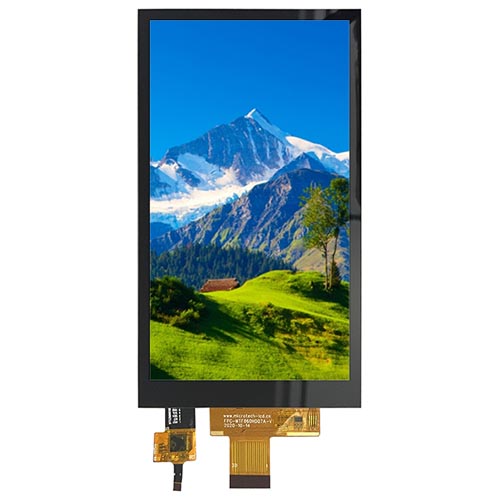
DisplayMan will review whether a standard touch TFT LCD module is suitable or whether customized touch-panel and front-glass integration is required.

Touch integration must match the LCD, touch IC, cover glass, bonding, FPC, controller, grounding, enclosure and real user environment.

Send Your Display Requirement

Please share your application, display size, quantity and project background. We will review the most practical display direction.