
Conductive Rubber Strip vs Metal PIN vs Zebra Connection

Conductive Rubber Strip vs Metal Pin vs Zebra Connection

Table of Contents

The Connection Type of LCD can be mainly divided into Conductive Rubber Strip Connection, Metal Pin Connection, and Zebra Connection.

1. Conductive Rubber Strip Connection
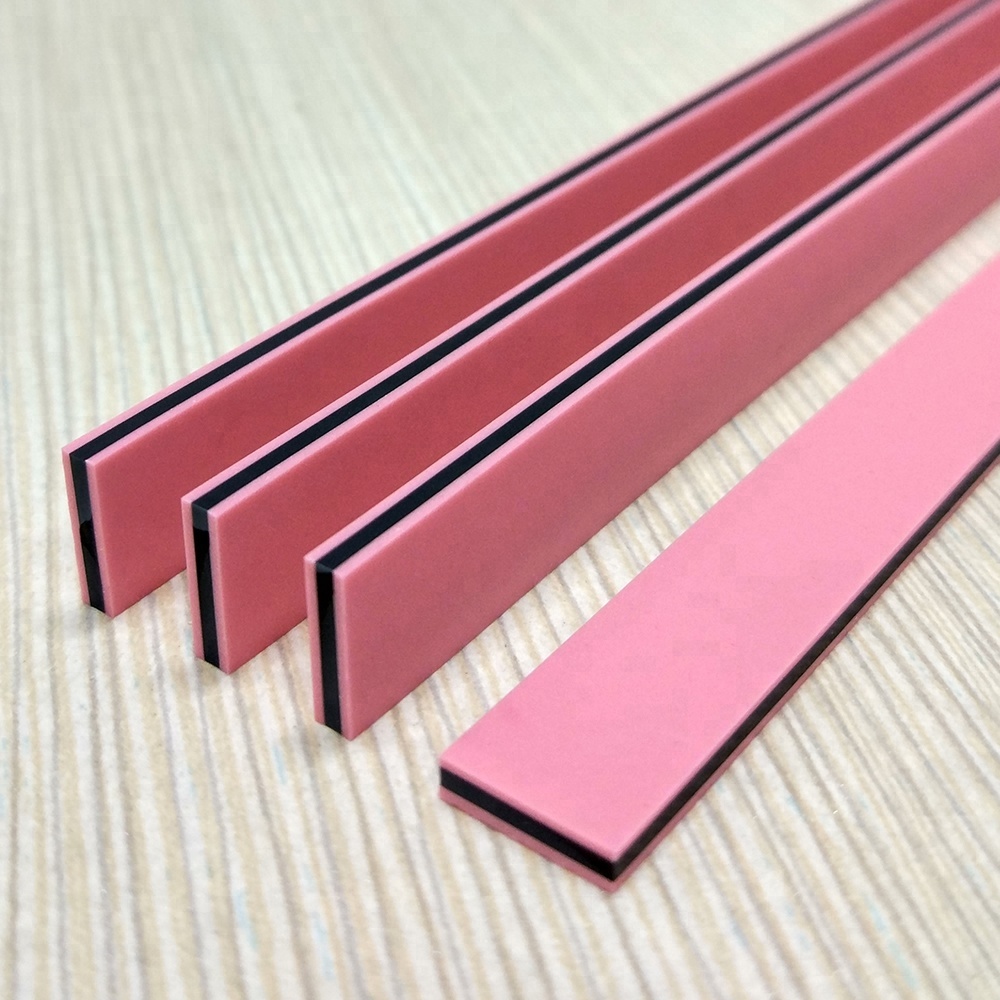
It is flexible, can be assembled and disassembled rapidly, and needs no welding. Besides, it has a better shock resistance.

2. Metal PIN Connection
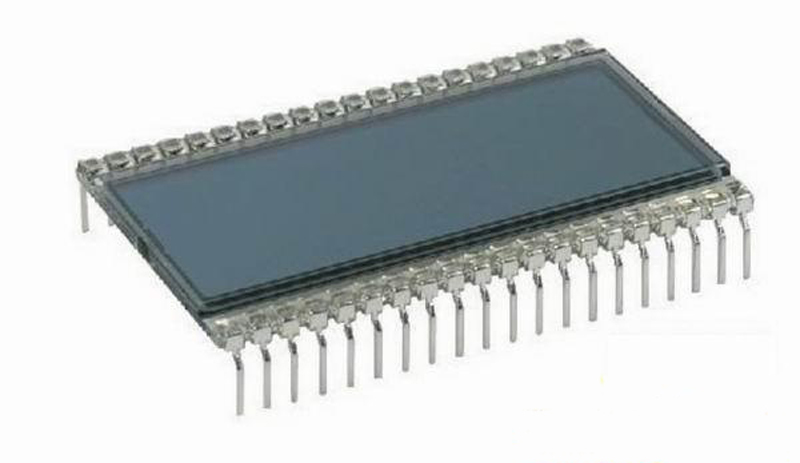
Metal PIN connection can be soldered directly on the printed circuit board.

PIN is the most commonly used connection for LCD. I am often asked to answer one question. Can we make the pitch between two PINs 1.0 mm? Of course, we can as long as you pay for the extra cost. There are 4 common used types of pitches: 1.27 mm, 1.5 mm, 2.0 mm and 2.54 mm. The widths of PIN are 0.635 mm, 0.75 m,1.0 mm and 1.27 mm. If you can order 50 thousand each buy, we can make the custom PIN (even bent PIN) and the custom pitch for you and there is no extra cost.

3. Zebra  Connection
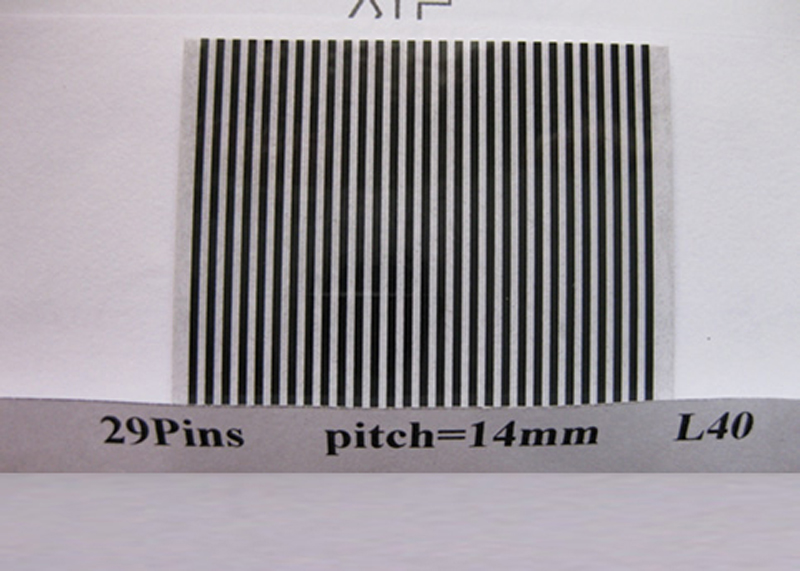
A printed circuit board and an LCD are connected by flexible zebra paper, which adopts heat sealing processing or soldering processing and can be used in all kinds of harsh environments.

4. The comparison of three connections


Connection type Connected with LCD  screen Connected with PCB Pitch gap
Conductive strip connection Conductive strip connected with isolated rubber Mechanical pressure Min 0.3 mm
Metal PIN connection Metal PINs are soldered in the LCD steps Soldering 1.27, 1.5, 2.0, 2.54 mm
Zebra connection Conductive thin film Heat seal, soldering or mechanical pressure Heat seal: min 0.4 soldering type: min 0.8
Picture of greg

greg

Hi, I'm Greg, sales manager of touchscreenman.com. I've been working in the display & touch industry for more than 10 years, and the purpose of this article is to share the knowledge from a Chinese supplier's perspective.
Facebook
LinkedIn

Leave a Reply

Your email address will not be published. Required fields are marked *

fifteen − 5 =

Blog Categories

Use the DisplayMan Blog to understand display technology, compare product directions and prepare better project requirements before quotation.

Display Technology

Display Tech & Engineering

Technical articles about display technologies, product structures and integration details.

Topics include Transparent LCD, Transparent OLED, Transparent LED, TFT LCD, OLED modules, touch panels, cover glass, backlights, controller boards and display interfaces.

View Articles →
Applications

Industry Applications

Application-focused articles for different industries and commercial scenarios.

Topics include transparent refrigerators, vending machines, retail windows, showrooms, industrial equipment, outdoor displays, kiosks, exhibitions and commercial display projects.

View Articles →
Buying Guides

Buying Guides & Project Review

Practical guides for buyers, engineers and project teams.

Topics include how to choose the right display technology, what information is needed for quotation, common project mistakes, MOQ, tooling, lead time and feasibility review.

View Articles →
DisplayMan Records

DisplayMan News & Project Records

Company updates, product updates and project-related records.

Topics include customer visits, sample testing, shipment records, packaging updates, product updates, factory process and selected DisplayMan project progress.

View Articles →

Need Help Choosing the Right Display Solution?

Display projects can be confusing because different technologies have different structures, costs, limitations and integration requirements.

Send us your application, display size, quantity and project background. DisplayMan can help review the most practical display direction before quotation.

Not sure which display technology is suitable?

Transparent LCD, Transparent OLED, Transparent LED, TFT LCD, monochrome LCD, high brightness LCD, OLED and LED displays all solve different problems. The right choice depends on application, environment, brightness, touch requirement, transparency, viewing distance, structure and budget.

Send Your Display Requirement View Product Categories

Send Your Display Requirement

Please share your application, display size, quantity and project background. We will review the most practical display direction.