
COB LCD Module vs COG LCD Module vs COF LCD Module
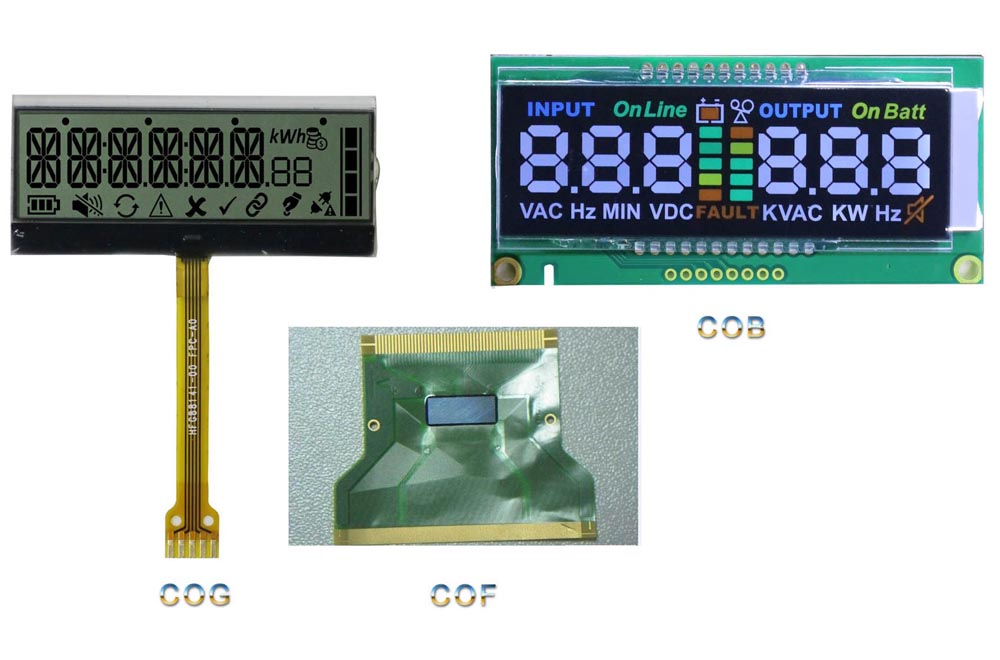
LCD Module(LCM) has 4 parts: LCD screen, LED backlight, IC and PCB (maybe a plastic shell). We can simply consider that it has two parts: LCD screen and LED backlight because we can see from the appearance that they are the main constituents. It can be divided into COB(chip on board), COG(chip on glass) and […]
The Comparison of TN, HTN, STN, FSTN LCD
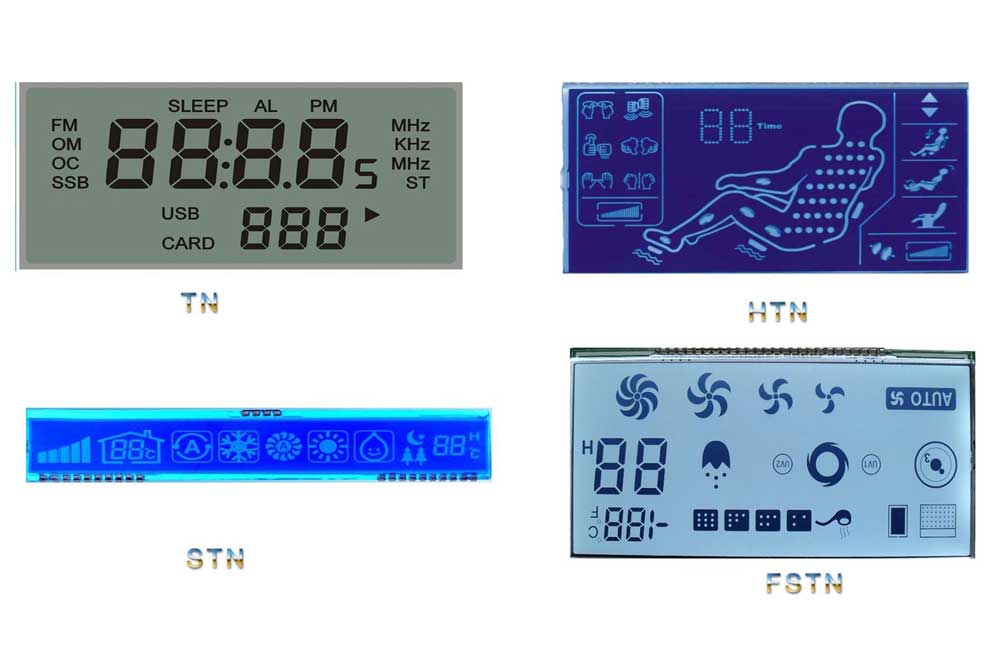
Display Type TN LCD HTN LCD STN LCD FSTN LCD Advantage cheapest cheaper a wide view angle have all the advantages of STN widely used a wider view angle than TN diversity of display mode a better background color easy to produce easy to produce It can realize multi-channel drive and large amount of display […]
Positive & Negative Display and Viewing Direction of LCD Display
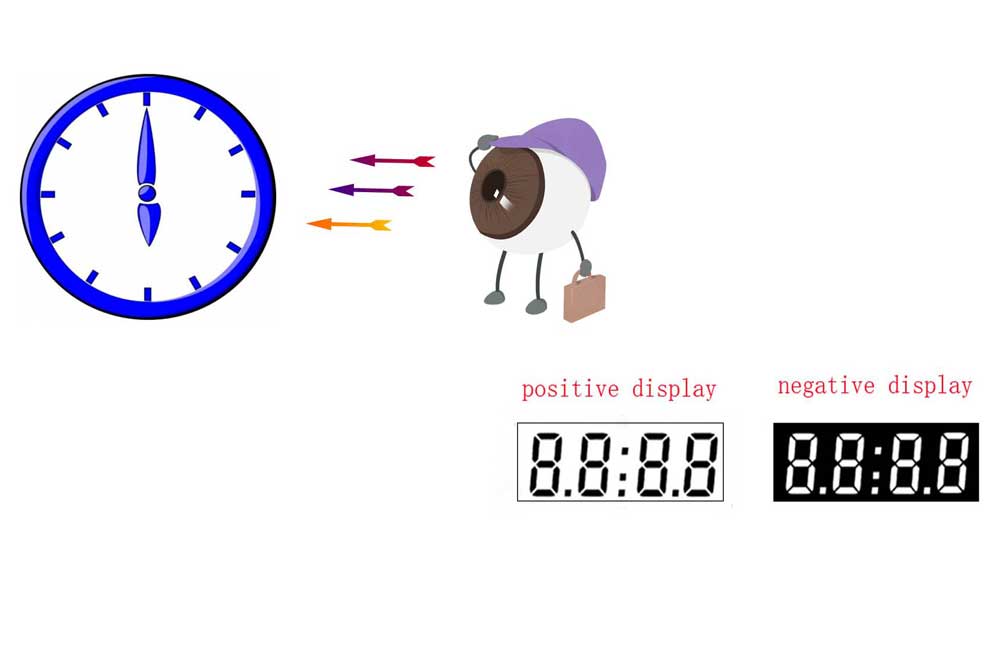
As we know, LCD screen is a negative display which can’t emit light on its own. It either relies on ambient light or uses LED backlight in the back as a light source. We divide LCD screen into transmissive LCD, reflective LCD, and transflective LCD according to the employing mode of light. Also, we divide […]
LED Backlight Color Production Theory
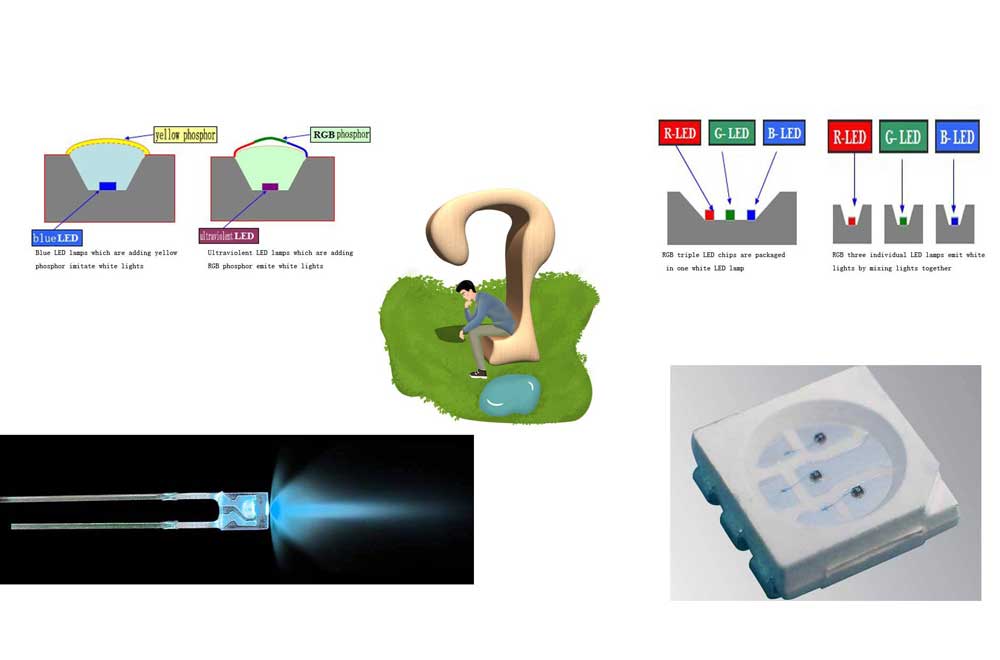
If we want to know about color production theory of LED backlight, we must learn about LED lamps first. The colors of LED backlight are composited by the colors of LED lamps we are going to use. First, how can we choose what kind of LED lamp we should use? Basically, there are 3 main […]
Conductive Rubber Strip vs Metal PIN vs Zebra Connection
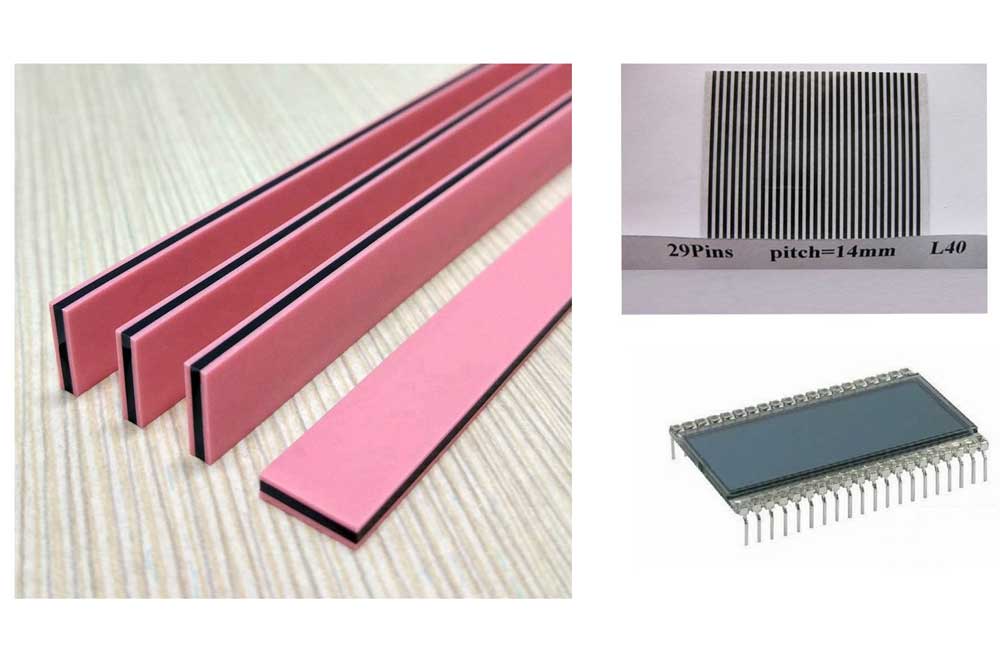
The Connection Type of LCD can be mainly divided into Conductive Rubber Strip Connection, Metal Pin Connection, and Zebra Connection. 1. Conductive Rubber Strip Connection It is flexible, can be assembled and disassembled rapidly, and needs no welding. Besides, it has a better shock resistance. 2. Metal PIN Connection Metal PIN connection can be soldered […]
Reflection Film for LED Backlight You May Not Know
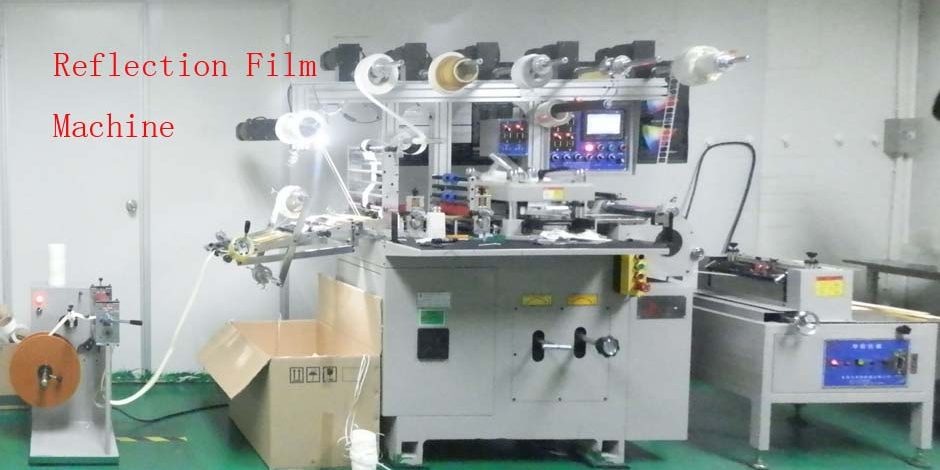
Reflection film can be divided into metal reflection film, full dielectric reflection film and metal-dielectric reflection film which can increase the reflectivity of the film surface. Generally, there is a large reflective ratio of metals. The amplitude of the light in the metal rapidly decays when the beam descends from the air to the metal […]
How to test LCD Screen at Low and High Temperature
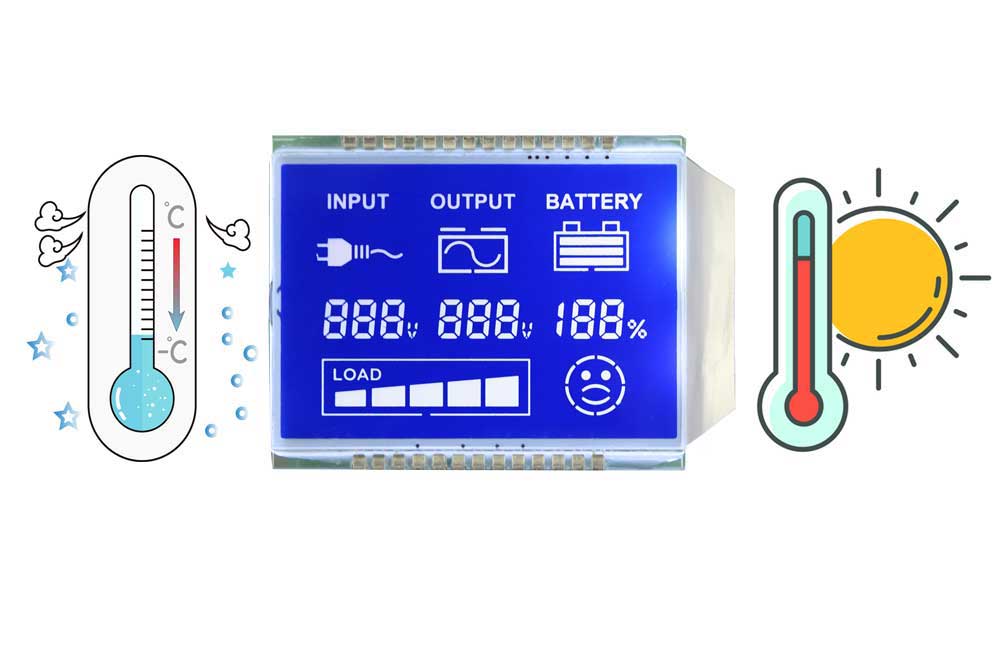
1. Photoelectric characteristics 1.1 Basic instructions Item Description 1 display mode BTN / negative / transmissive / 12:00 clock 2 driving condition DUTY: 1/4 BIAS: 1/3 Vop: 5.0V 1.2 Maximum ratings Item Rating Unit Condition 1 the voltage of alternative current 15 V Less than 1 hour 2 the voltage of direct current 10 V […]