
Explore compact Micro OLED display modules, compatible driver boards, optical engines and complete near-eye display directions from DisplayMan for AR, VR, EVF, FPV, HUD and medical optical products.
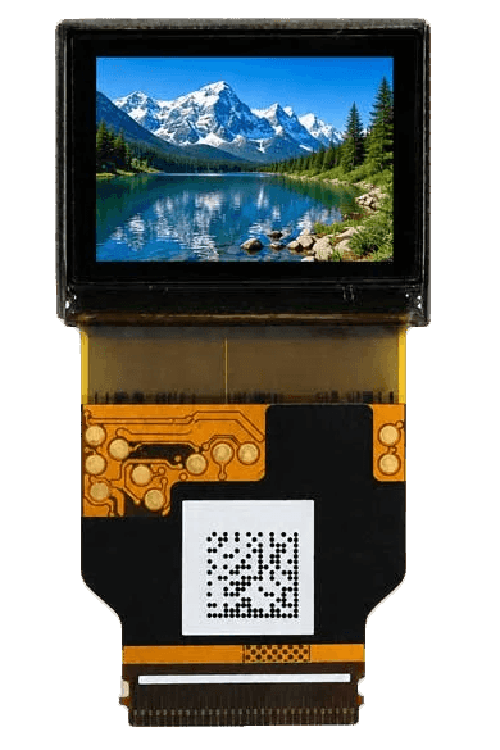
3 PRODUCT FAMILIES
Select a product family below to explore it on this page.
Micro OLED displays—also called OLED-on-Silicon, OLEDoS or OLED microdisplays—combine self-emissive OLED pixels with a silicon backplane. Their compact size, high pixel density, strong contrast and fast response make them suitable image sources for near-eye and professional optical products.
DisplayMan organizes the Micro OLED portfolio as a complete product cluster: select the display module, match the required driver electronics, integrate a compatible optical engine, or start from the complete near-eye display solution.
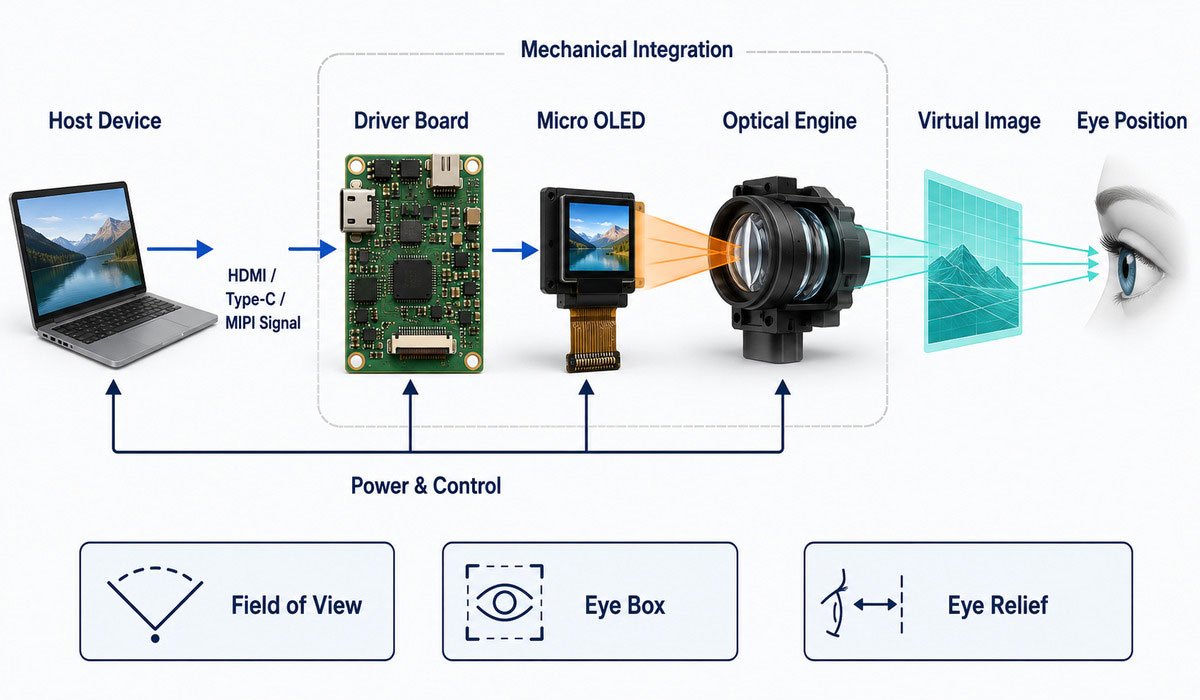
Final image quality depends on the complete path from host input and driver timing to the display, optical engine, mechanical alignment, eye box and viewing environment.
AR, VR, EVF, FPV, HUD and medical optics require different combinations of brightness, resolution, interface, field of view and mechanical structure.
Micro OLED technology is designed for applications where a very small display must remain clear after optical magnification. Its advantages come from combining self-emissive OLED pixels with an active-matrix silicon backplane.
Brightness, contrast, color, refresh rate, power consumption, operating lifetime and environmental limits are not universal Micro OLED values. Confirm the exact display model and operating condition before design-in.
Choose the component level that matches your project: the display module, driver electronics or optical engine.
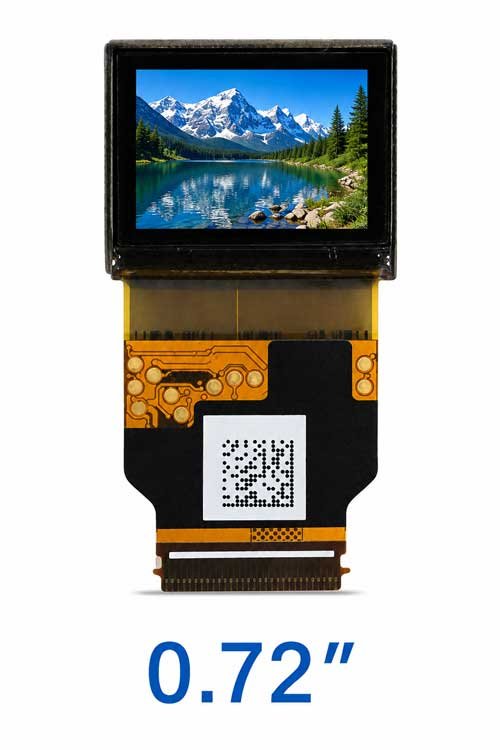
Nine independent OLED-on-Silicon platforms from 0.23″ through 1.30″, covering compact WQVGA and SVGA through Full HD, WUXGA, 2.5K and 3.5K.
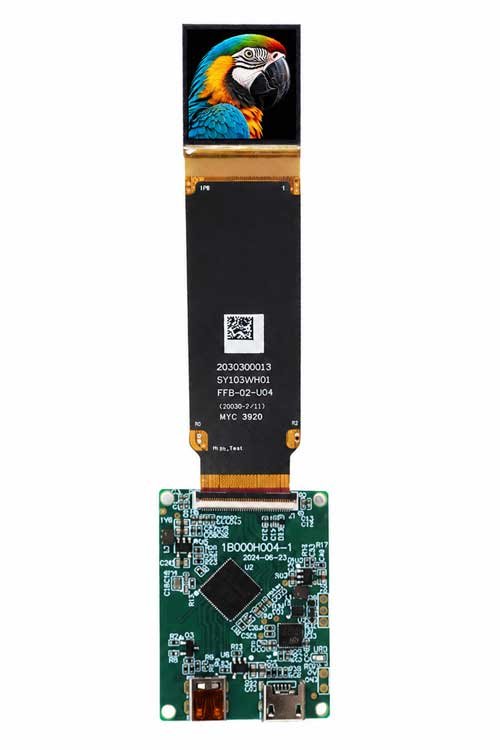
Model-specific electronics for signal conversion, display timing, control, power and prototype-friendly external video input.
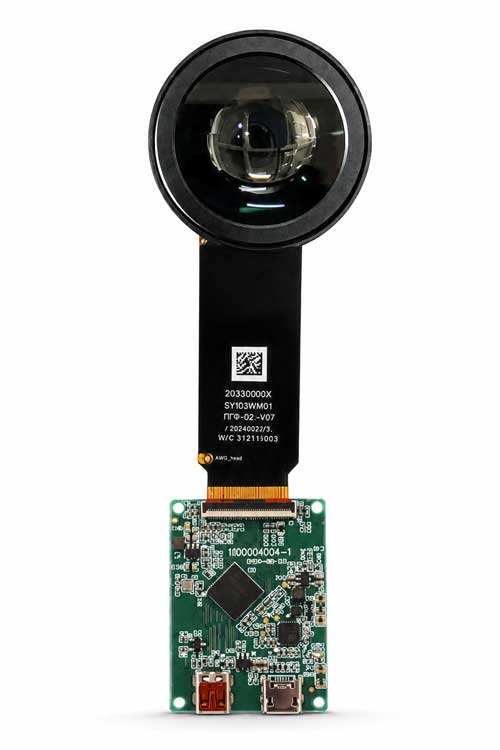
Micro OLED image sources combined with lenses, combiners, polarization elements and optical mechanics to create a viewable virtual image.
The public product range is organized by independent base display size. Different brightness versions, FPC directions and software-defined active areas are not counted as separate silicon platforms.
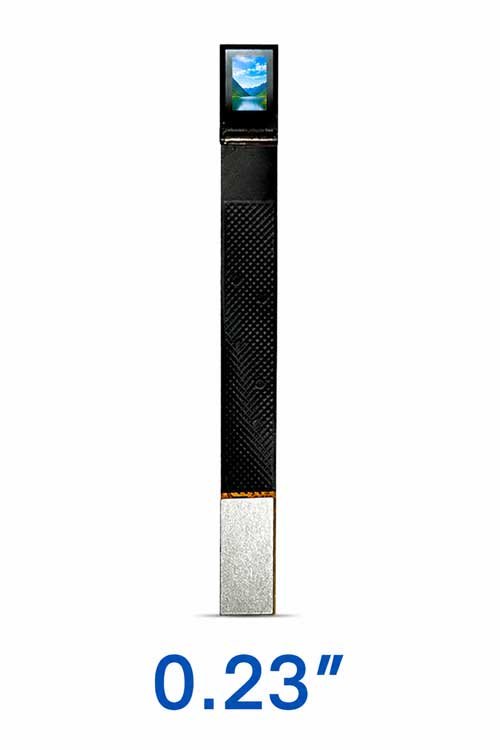
For miniature viewers, wearable instruments and compact near-eye systems.
View Product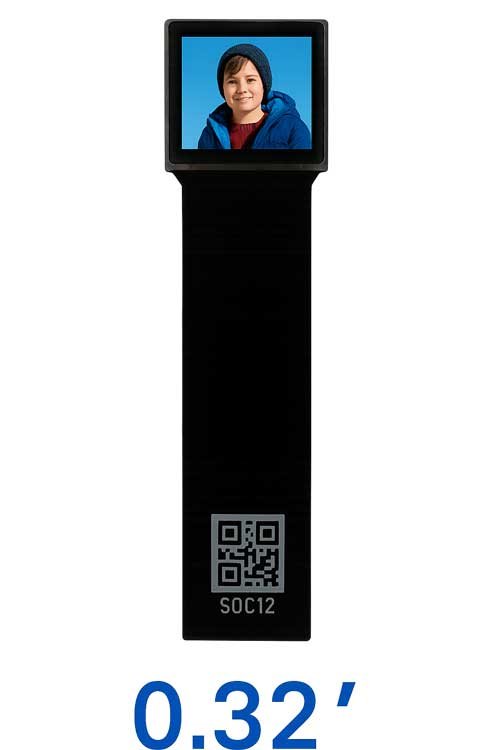
For FPV goggles, compact viewers and small optical instruments.
View Product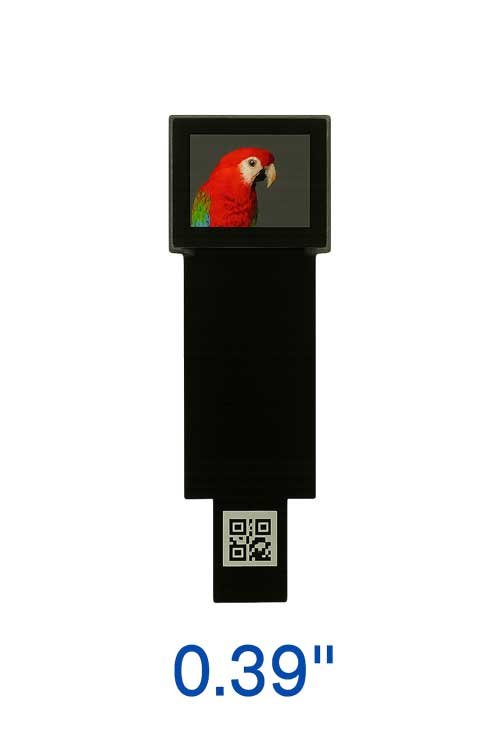
For EVF, microscopes and professional optical viewfinders.
View Product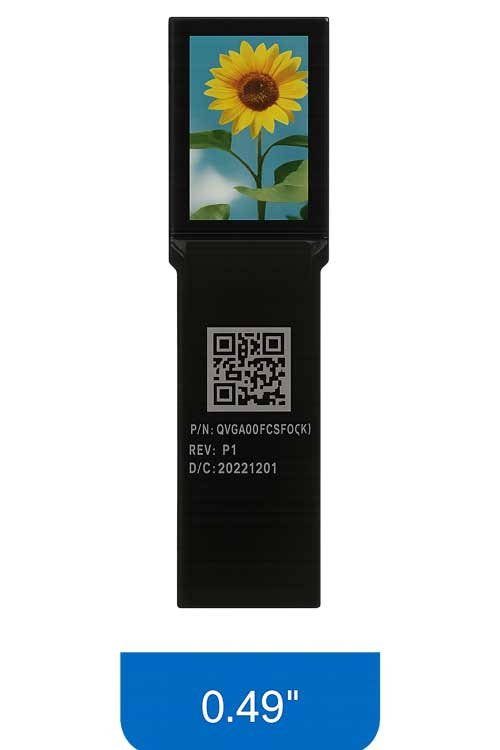
A versatile direction for AR, HUD, EVF and optical R&D.
View Product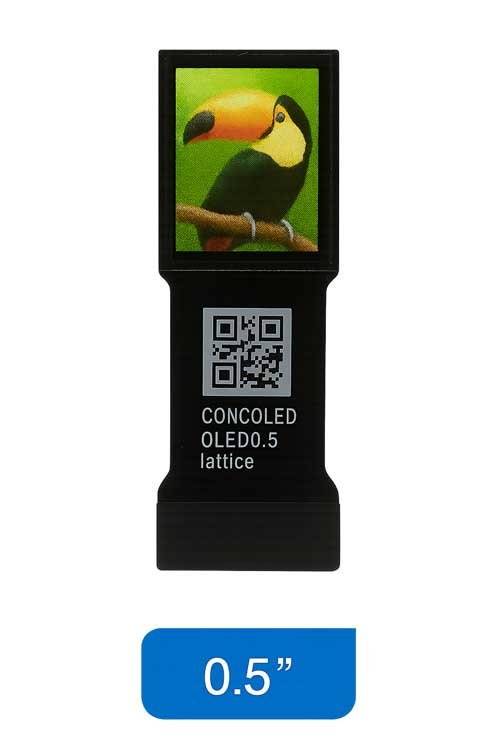
A native 4:3 platform for near-eye and professional imaging systems.
View Product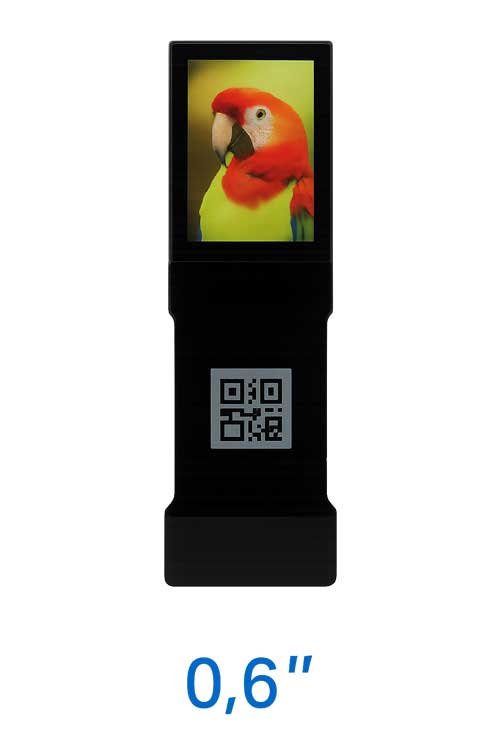
Multiple resolution and brightness directions for optical integration.
View ProductA native 16:10 platform for high-detail near-eye and optical systems.
View Product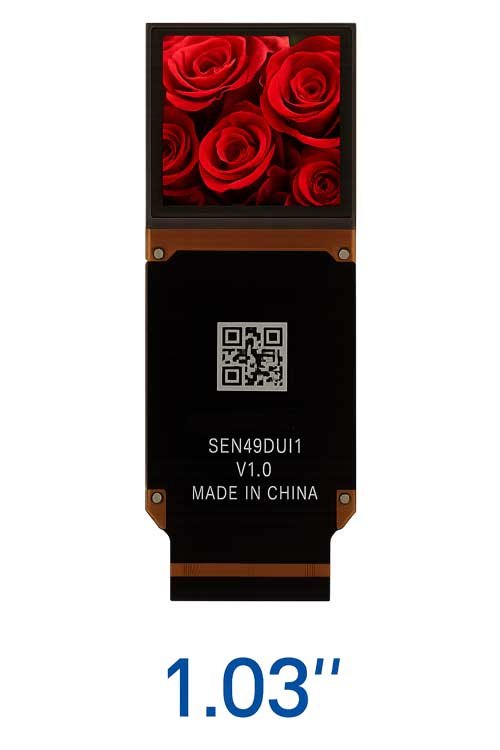
For VR, Pancake optics and compact high-FOV binocular systems.
View Product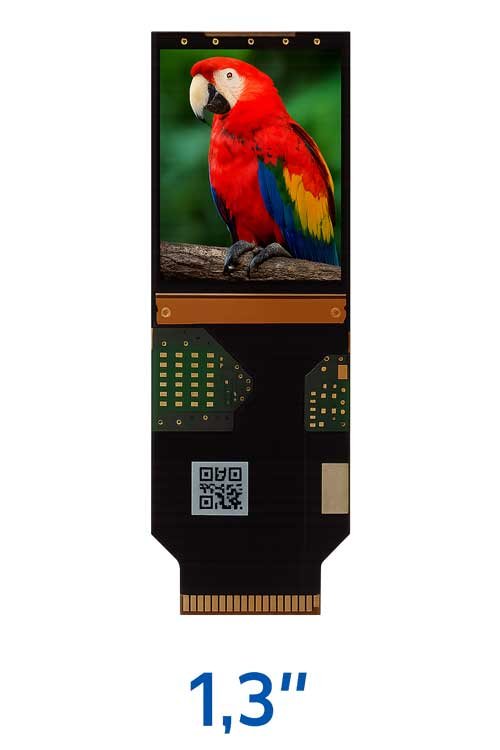
For premium VR, simulation and high-resolution professional imaging.
View ProductThe 0.40″ direction uses the 0.49″ platform. The 0.57″, 0.62″ and 0.83″ directions use reduced image areas from the 1.03″ platform and are not counted as separate silicon display platforms.
Use the table to select a base platform, then open the product page to review the detailed model direction, FPC, brightness, frame rate and driver-board compatibility.
| Size | Resolution | Brightness Direction | Panel Interface | Typical Direction | Details |
|---|---|---|---|---|---|
| 0.23″ | 640 × 400 | 3000 / 6000 / 10000 cd/m² | MIPI + I²C | Miniature viewers and wearable optics | View product → |
| 0.32″ | 800 × 600 | 400 / 2000 cd/m² | MIPI / RGB | FPV and compact optical modules | View product → |
| 0.39″ | 1024 × 768 | 600 / 20000 cd/m² | RGB | EVF and professional viewfinders | View product → |
| 0.49″ | 1920 × 1080 | 1800 / 3000 cd/m² | MIPI | AR, HUD, EVF and optical R&D | View product → |
| 0.50″ | 1600 × 1200 | 1000 cd/m² | MIPI | Near-eye and professional imaging | View product → |
| 0.60″ | FHD / SXGA / SVGA | 200–6000 cd/m² | MIPI / RGB | AR, HUD, EVF and optical systems | View product → |
| 0.72″ | 1920 × 1200 | 2000 cd/m² | 4-lane MIPI + I²C | High-detail near-eye systems | View product → |
| 1.03″ | 2560 × 2560 | Current: 1000 cd/m² | MIPI | VR and Pancake optical systems | View product → |
| 1.30″ | 3552 × 3552 | 1600 cd/m² | MIPI / I²C | Premium VR and simulation | View product → |
The former 1800, 3000 and 20000 cd/m² 1.03″ versions are discontinued. Current projects should be reviewed around the available 1000 cd/m² model and confirmed before design-in.
Resolution alone cannot determine the correct Micro OLED. Select the display around the complete near-eye or optical system.
A Micro OLED panel normally cannot connect directly to an HDMI or Type-C host. The driver board must be matched to the selected display model, channel count and input architecture.
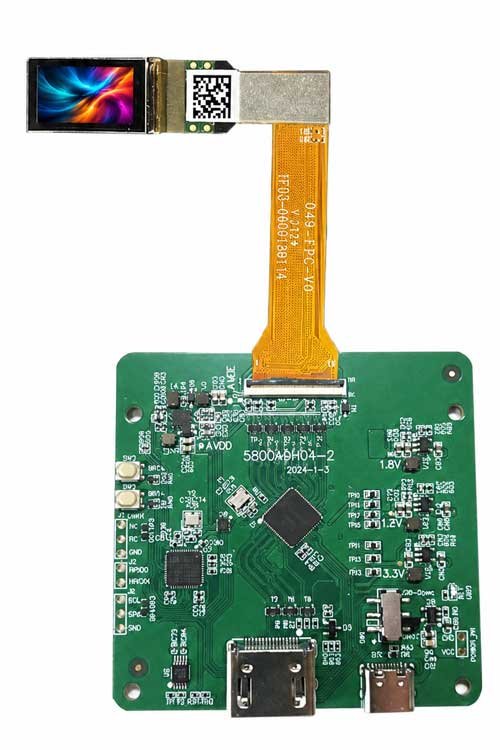
Single-display electronics for compact EVF, FPV, AR, HUD and instrument prototypes.
Explore Monocular Boards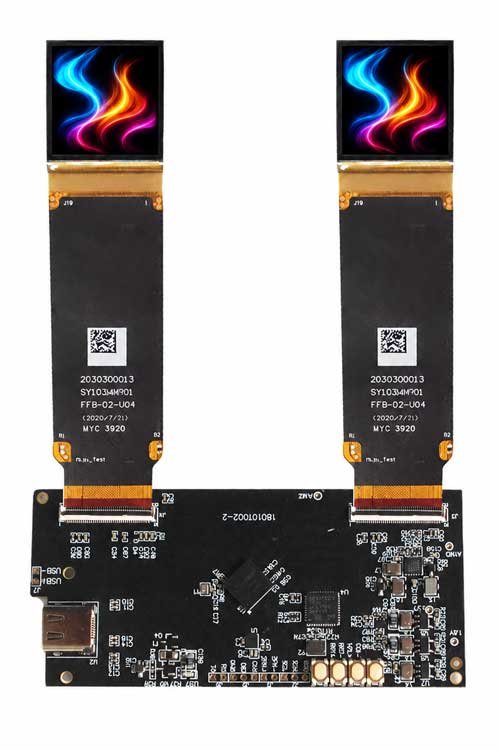
Dual-display architecture for VR, binocular FPV and stereo near-eye systems.
Explore Binocular BoardsPrototype-friendly external video input paths for compatible Micro OLED models.
Explore Input Boards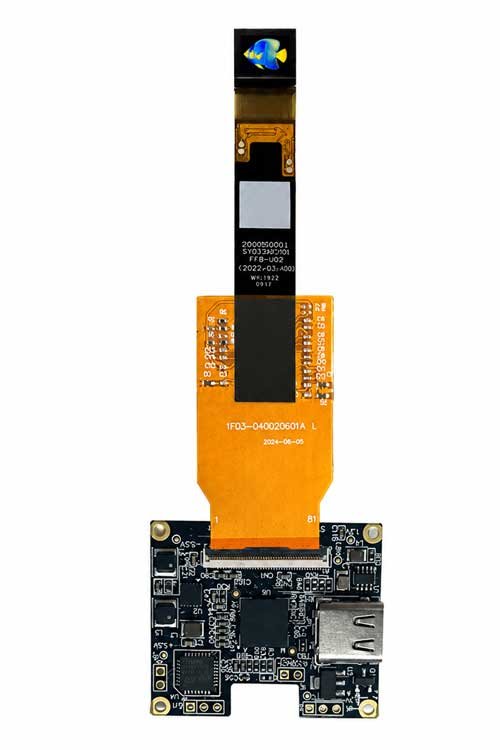
Board shape, connectors, cable direction and interface conversion reviewed around the project.
Explore Custom InterfacesAn optical engine turns the small Micro OLED image into a usable virtual image. The optical direction affects field of view, eye relief, eye box, efficiency, distortion, enclosure depth and required panel brightness.
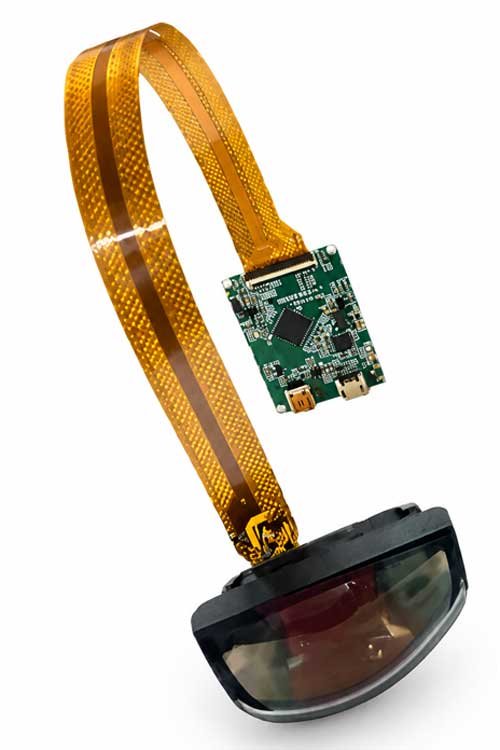
A reflective near-eye optical architecture for AR prototypes, thermal viewers and professional HUD systems.
Explore Birdbath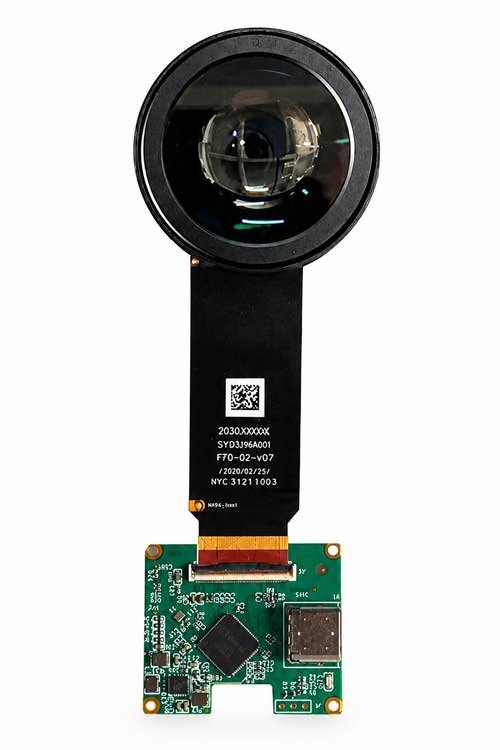
A folded polarized optical path for compact high-resolution VR and near-eye systems.
Explore Pancake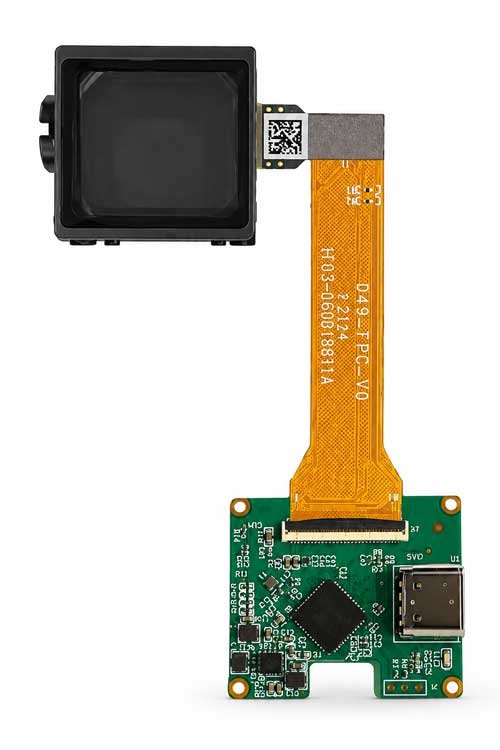
A compact enclosed eyepiece structure for cameras, drones and professional imaging devices.
Explore EVF Modules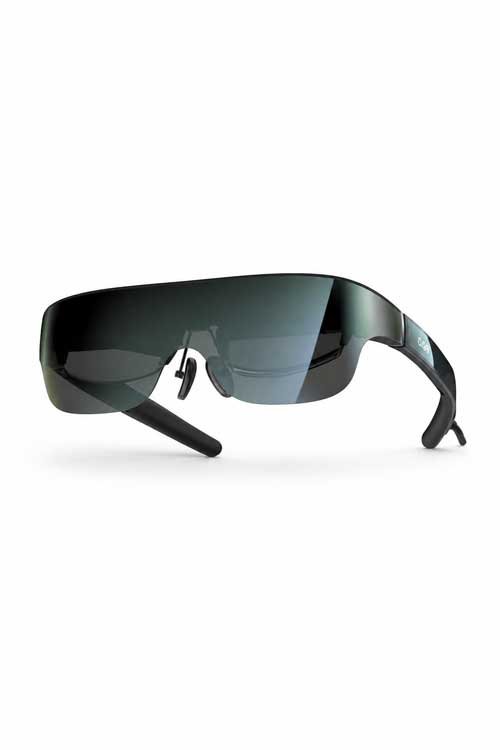
Freeform prism, wearable viewer and specialized optical configurations reviewed by project.
Explore Other ModulesStart from the final product when the correct display, driver board and optical engine are not yet fixed.
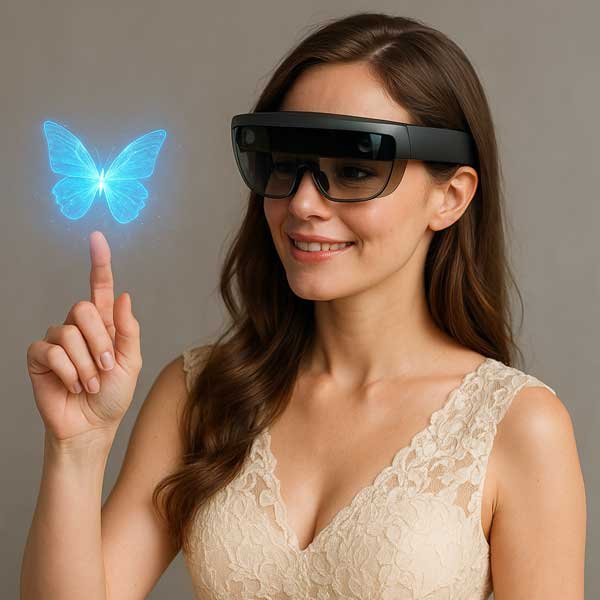
Compact image sources for Birdbath, prism, combiner and other transparent or semi-transparent AR optics.
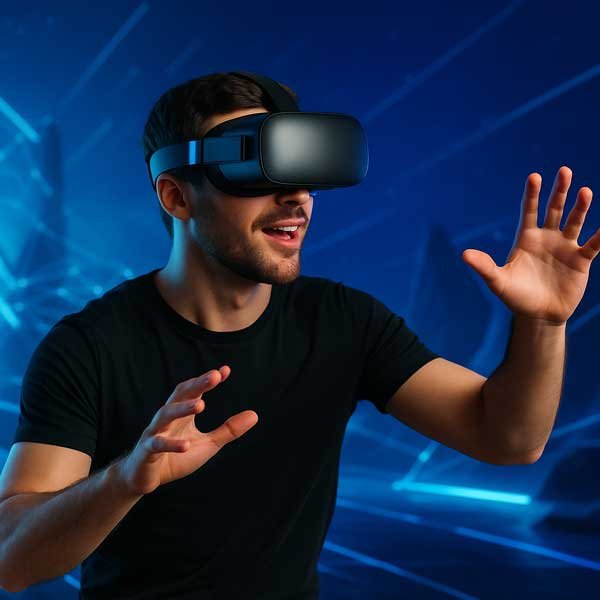
High-resolution Micro OLED platforms for immersive binocular systems and compact Pancake optics.
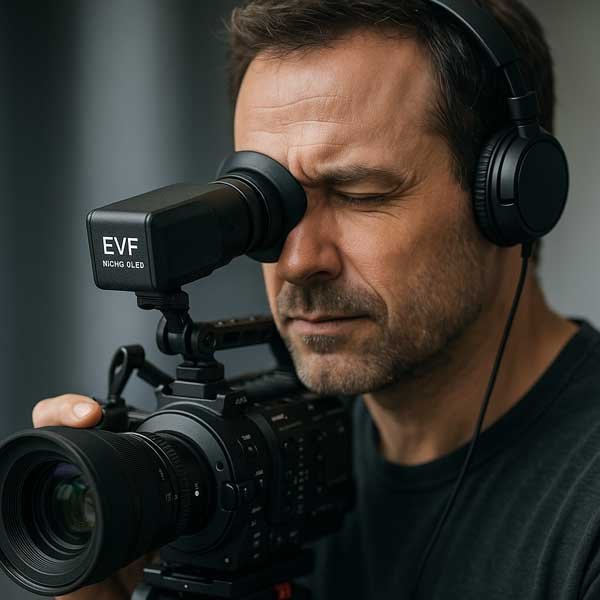
High-detail, high-contrast image sources for cameras, drones and professional imaging instruments.

Compact self-emissive displays for real-time drone viewing and low-latency FPV goggles.
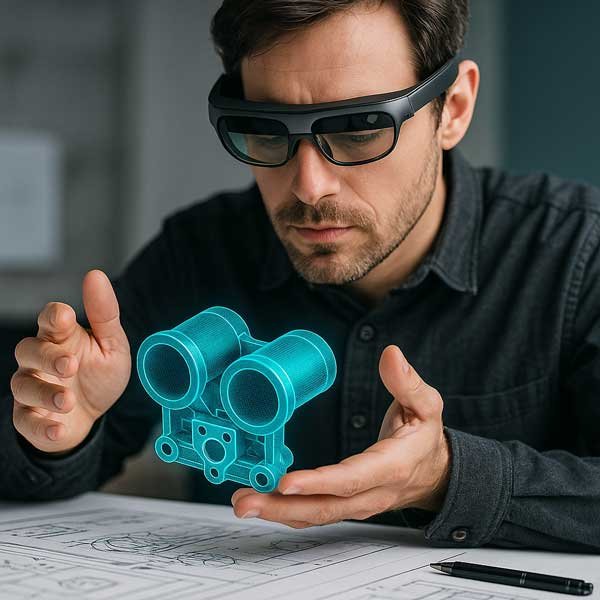
Near-eye and head-mounted HUD image sources for professional visualization and wearable information systems.

Microdisplays for microscope eyepieces, thermal viewers, medical imaging and specialized optical instruments.
Use the solution route when the final device is known but the display, electronics and optical architecture are not yet fixed.
DisplayMan can review the complete system path around the application instead of treating the Micro OLED panel as an isolated component.
MICRO OLED PRODUCT FAMILY
Visit a category page for available products and integration details.
A Micro OLED display is a compact OLED-on-Silicon microdisplay that uses a silicon backplane to achieve very high pixel density. It is normally used as the image source inside a near-eye or optical system rather than as a direct-view screen.
The current public portfolio is organized into nine independent size platforms: 0.23″, 0.32″, 0.39″, 0.49″, 0.50″, 0.60″, 0.72″, 1.03″ and 1.30″. Different brightness versions and reduced active-area directions are not counted as separate platforms.
No. The 0.40″ direction is derived from the 0.49″ platform. The 0.57″, 0.62″ and 0.83″ directions are reduced active-area configurations based on the 1.03″ platform.
Usually no. The Micro OLED panel uses a model-specific MIPI or RGB interface and normally requires a compatible driver board for HDMI, Type-C, CVBS or another external host input.
Compact Full HD and high-brightness directions such as the 0.49″ and selected 0.60″ configurations are useful starting points. Final selection depends on optical efficiency, FOV, eye box, eye relief, mechanical space and ambient-light conditions.
High-resolution platforms such as 1.03″ 2560 × 2560 and 1.30″ 3552 × 3552 are relevant for demanding VR systems. The optics, refresh rate, binocular architecture, distortion and required field of view must also be reviewed.
No. Required panel brightness depends on total optical loss and the viewing environment. Birdbath, Pancake and HUD architectures can lose significant light, while an enclosed EVF may prioritize resolution, uniformity and thermal behavior instead of maximum luminance.
Provide the application, preferred resolution or size if known, required brightness, host input, field of view, eye relief, monocular or binocular configuration, available mechanical space, quantity and project stage.
Send the final application and viewing requirement. DisplayMan can help identify a practical Micro OLED display, driver-board and optical-engine direction.