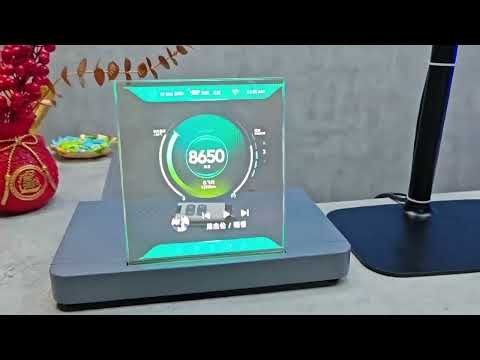
Real Desktop Display Playback
Click to load the video. The rendered product images elsewhere on this page are visualizations; this video records the working sample.

DisplayMan’s 9.4-inch transparent Micro LED display brings self-emissive full-color content to compact product presentations and OEM display concepts. Explore a small-format transparent screen that keeps the physical object or background part of the experience.
Plan the display, electronics housing, protective glass, lighting and content as one integrated assembly. Final mechanical and electrical details are confirmed for the selected configuration.
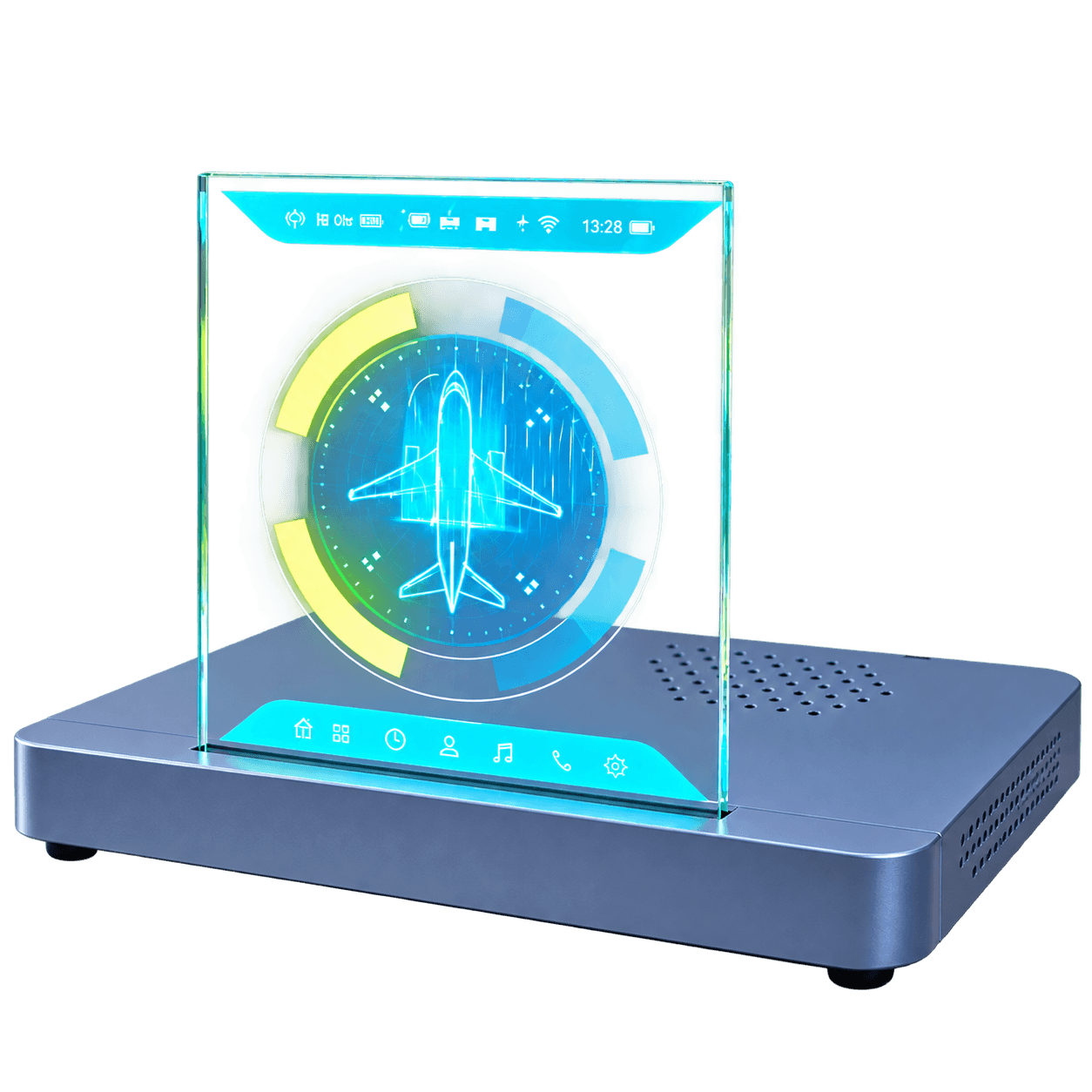
Product visualization based on the desktop display reference. Watch the real sample video below for actual playback.
Real playback on the desktop sample shows animated display content, the visible background and the glass connected directly to its electronics base.
Click to load the video. The rendered product images elsewhere on this page are visualizations; this video records the working sample.
Combine small-format digital information with visible physical products, models or decorative objects.
The supplied reference uses an active-matrix LTPS-TFT glass backplane with RGB Micro LED emitters. The display creates its own image; the surrounding structure and physical background remain important to how that image is perceived.
Use the 9.4-inch platform for a compact presentation station rather than treating it as a large architectural screen. Review the available viewing area and full assembly dimensions before designing a fixture.
The page combines a real desktop sample video with product visualizations based on the supplied display references.
Peak brightness, transparency and power describe different test conditions. Review the approved configuration and content before setting system requirements.
Present digital content while keeping the object behind the screen visible in transparent image regions.
Display RGB Micro LED content without using an LCD backlight assembly.
Explore compact showcases, counters and device prototypes where a large-format display would be impractical.
Review the electronics housing, mounting, signal input, glass and content together for your OEM project.
AI-regenerated product visualizations based on the supplied references. These are not unedited installation photographs. Use the real sample video above to assess actual playback; enclosure and software scope are confirmed separately.
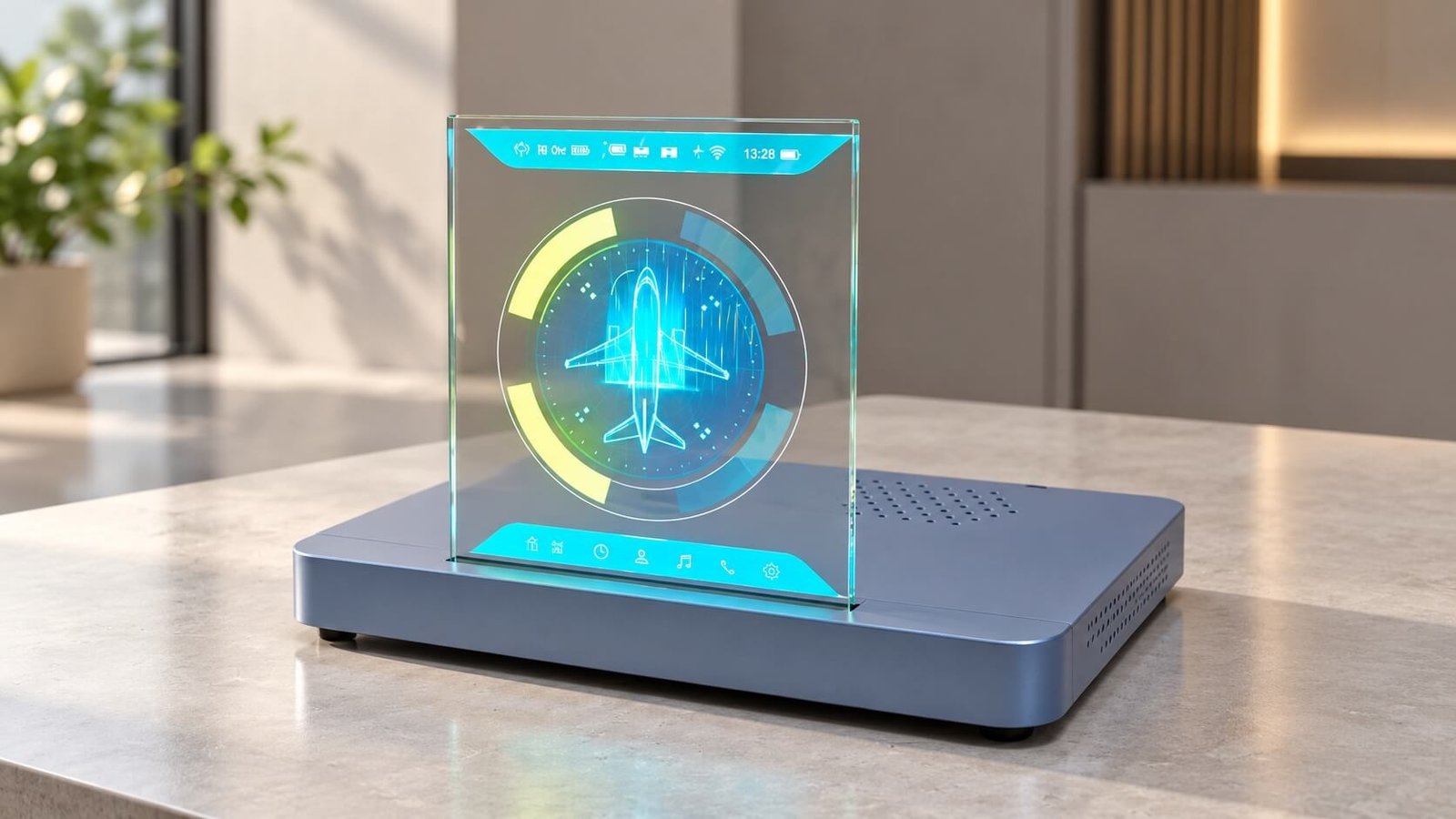
A three-quarter view of the compact glass panel, aircraft content and integrated desktop electronics base.
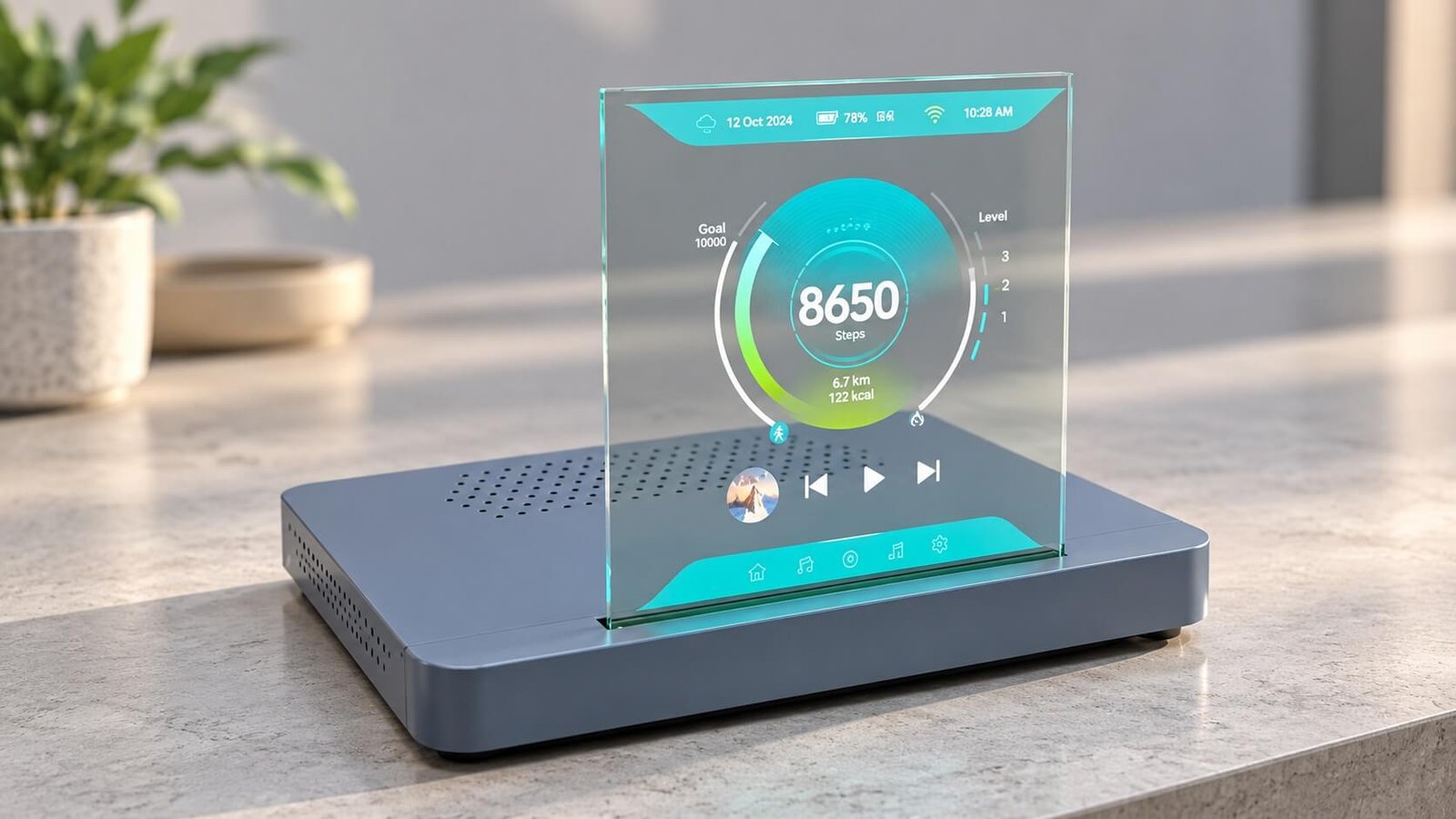
An angled product visualization showing dashboard-style content and the connection between the display and base.
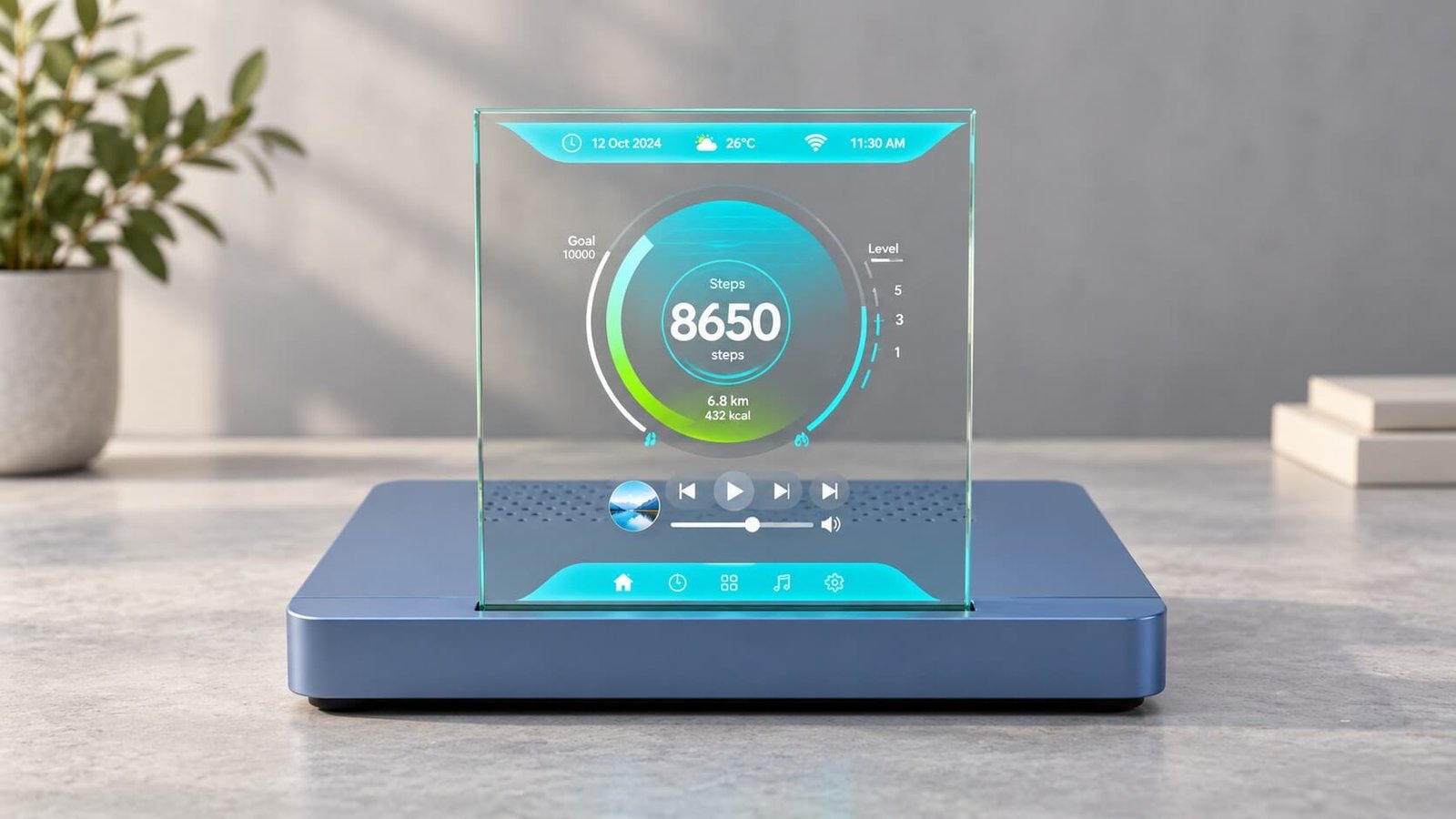
A front view of the transparent presentation surface and the continuous desktop electronics housing.
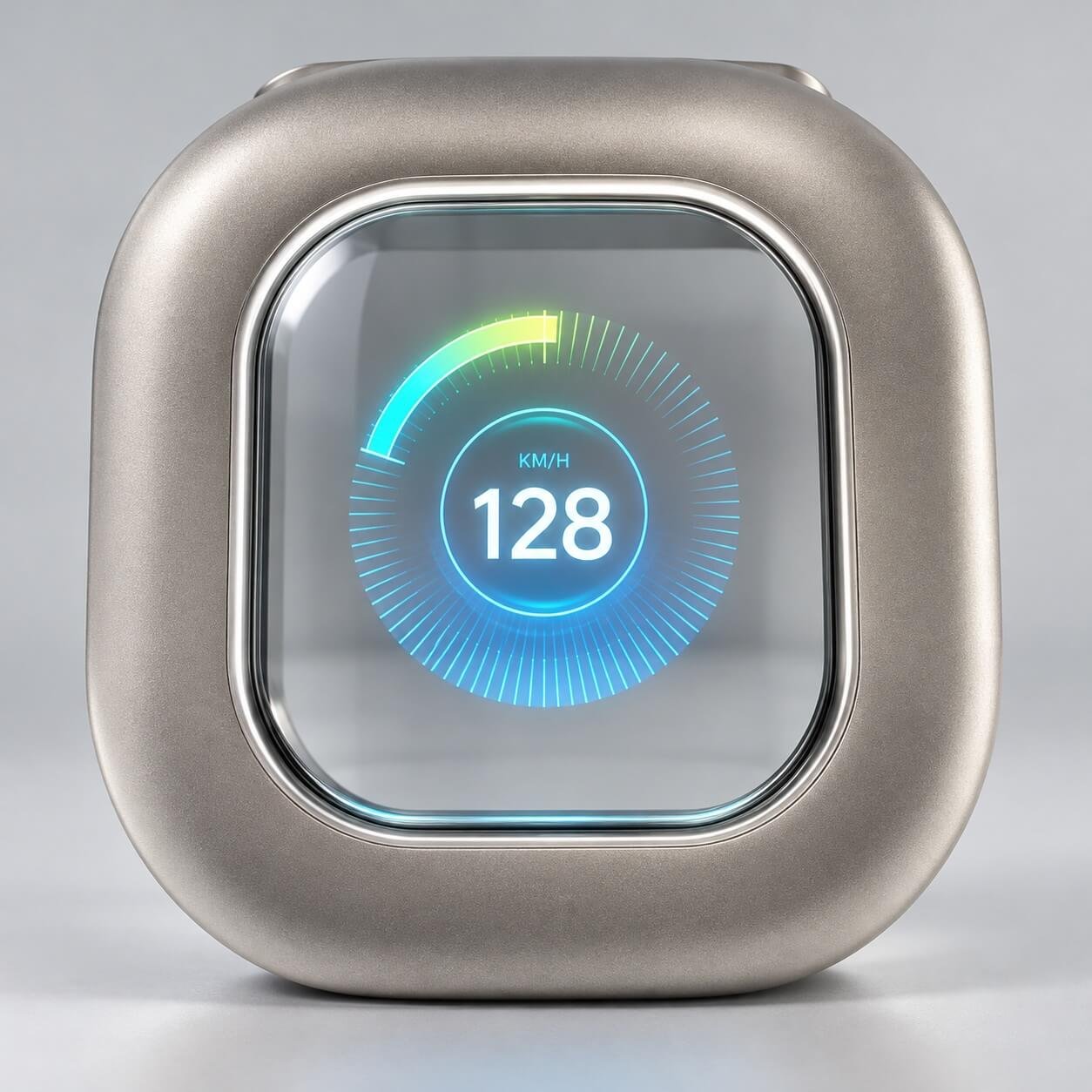
A compact enclosure concept for dashboard-style content; housing and software scope require project confirmation.
Reference values support early evaluation. Final dimensions, input timing, housing and deliverable scope are defined by the approved configuration.
| Item | Reference Value | Integration Note |
|---|---|---|
| Nominal product format | 9.4 inch | Product size designation; confirm active area and outline in the approved drawing. |
| Backplane | Active-matrix LTPS-TFT glass | Reference panel architecture. |
| Emitters | RGB Micro LED flip chips | Reference emitter technology. |
| Transparency | 60% without touch | A touch or additional glass assembly can affect the finished optical performance. |
| Peak brightness | Up to 3,000 nits (peak) | Not a sustained full-screen brightness specification. |
| Color gamut | NTSC 120%; DCI-P3 98% | Reference values; measurement conditions are confirmed with the configuration. |
| Viewing angle | 178° / 178° | Horizontal / vertical reference values. |
| Contrast ratio | 1,000,000:1 | Reference value from the specification. |
| Refresh rate | 120 Hz | Confirm supported input timing and control configuration. |
| Response time | Less than 1 ms | Reference panel value. |
| Panel power, full white | 20 W | Panel figure; do not treat it as the complete system power budget. |
| Power supply input | 100–240 VAC, 50/60 Hz | Reference system supply input; confirm the supplied adapter and local requirements. |
| Protective glass | Front: 2 mm; rear: 1.1 mm | Reference protection arrangement. |
| Total glass thickness | Less than 5 mm | Glass stack only; excludes electronics housing, supports and complete system depth. |
| Surface treatment | Anti-reflection / 7H hard coating | Confirm supplied finish and viewing requirements. |
| Operating environment | 0–40°C; 10–80% humidity | Reference indoor operating range. |
| LED lifetime reference | 100,000 hours | Reference figure, not a warranty or a prediction for every operating condition. |
| Signal input | HDMI / DisplayPort; daisy-chain reference | Confirm connector access, supported timing and daisy-chain configuration. |
| Native resolution | 768 × 840 pixels | Prepare content for the native pixel canvas and confirm orientation with the selected installation. |
| Single-panel dimensions (W × H) | 161.2 × 176.3 mm | Single-panel reference dimensions. The complete assembly with electronics housing and supports has a separate outline; confirm against the approved assembly drawing. |
| Pixel pitch & mechanical outline | Confirm against the approved drawing | Match fixture design to the final panel and assembly configuration. |
| Touch function | Project review | The stated 60% transparency applies to the non-touch reference configuration. |

Use a small transparent display to combine product information and digital presentation within a compact showcase concept.
Review the actual display area, exhibit, lighting, control housing and mounting. The concept image does not define the complete deliverable assembly.
Application concept visualizations using the compact desktop display structure. Touch, sensors and host software require separate integration review.

Watches, jewelry, collectibles and small premium objects with digital product explanations.
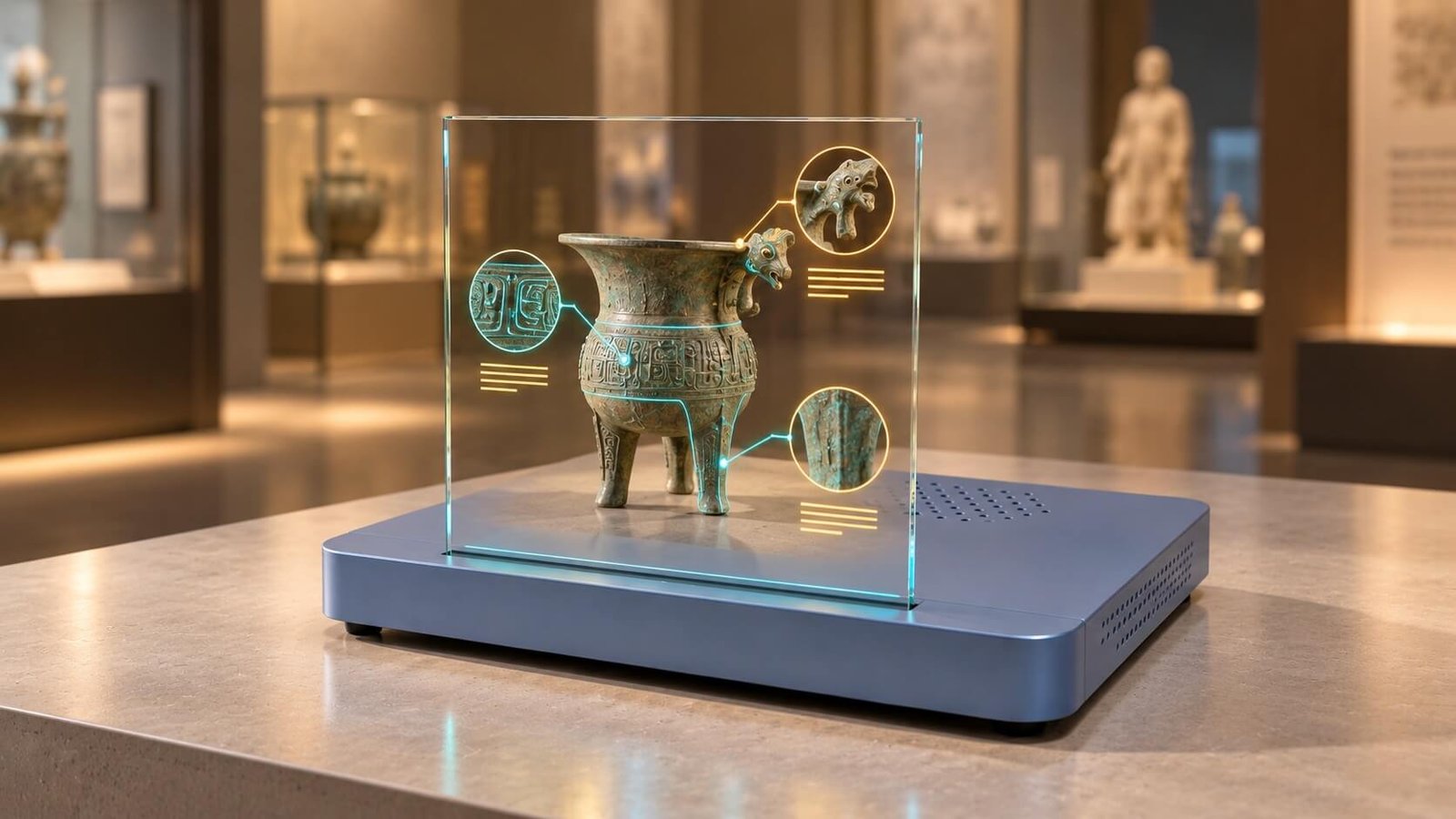
Compact artifacts and models with digital annotations, storytelling and presentation sequences.

Small product demonstrations and desktop presentations for visitor centers or brand experience spaces.
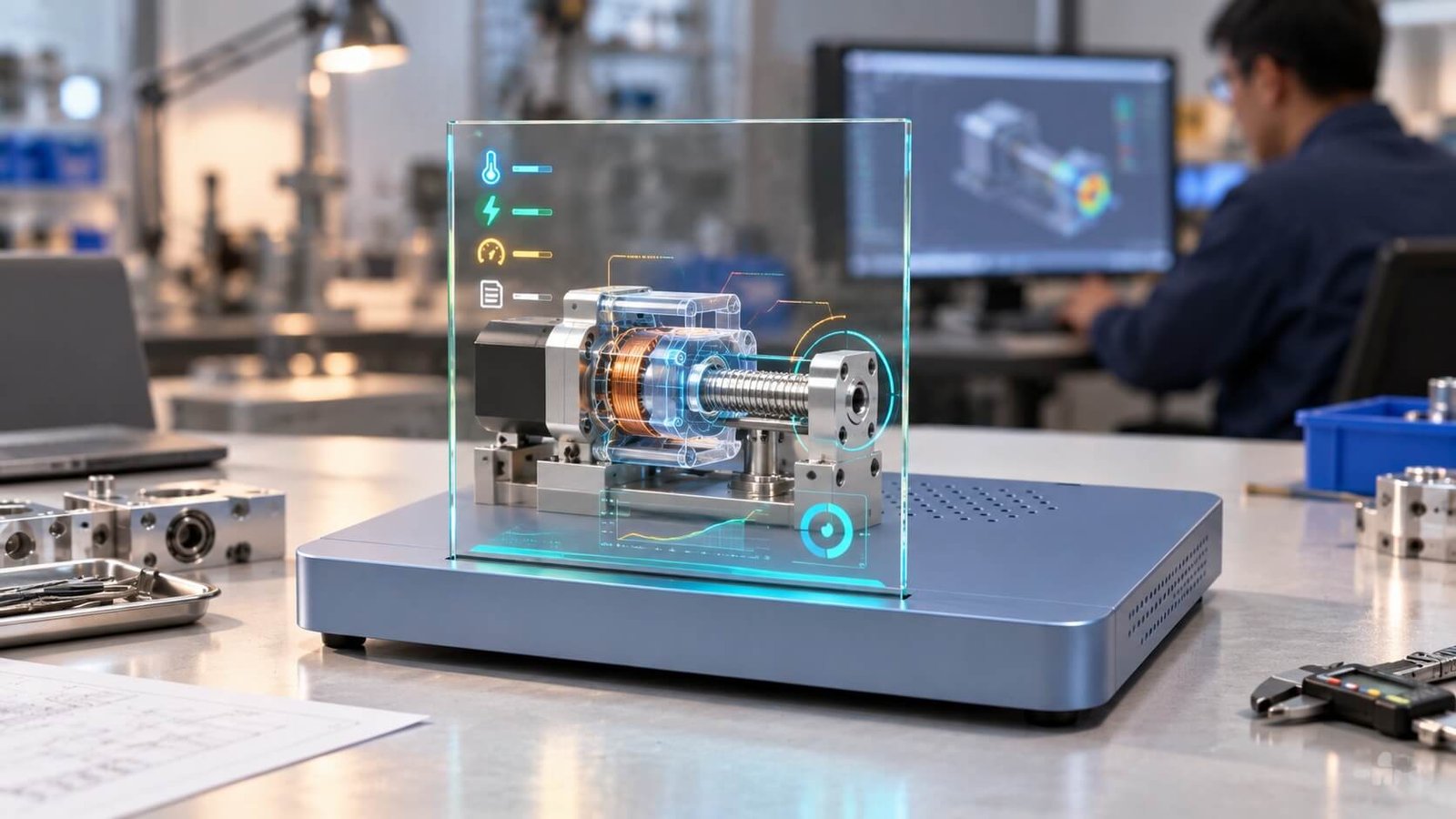
Compact device interfaces where transparent image presentation has a defined purpose. Electrical and mechanical integration require project review.
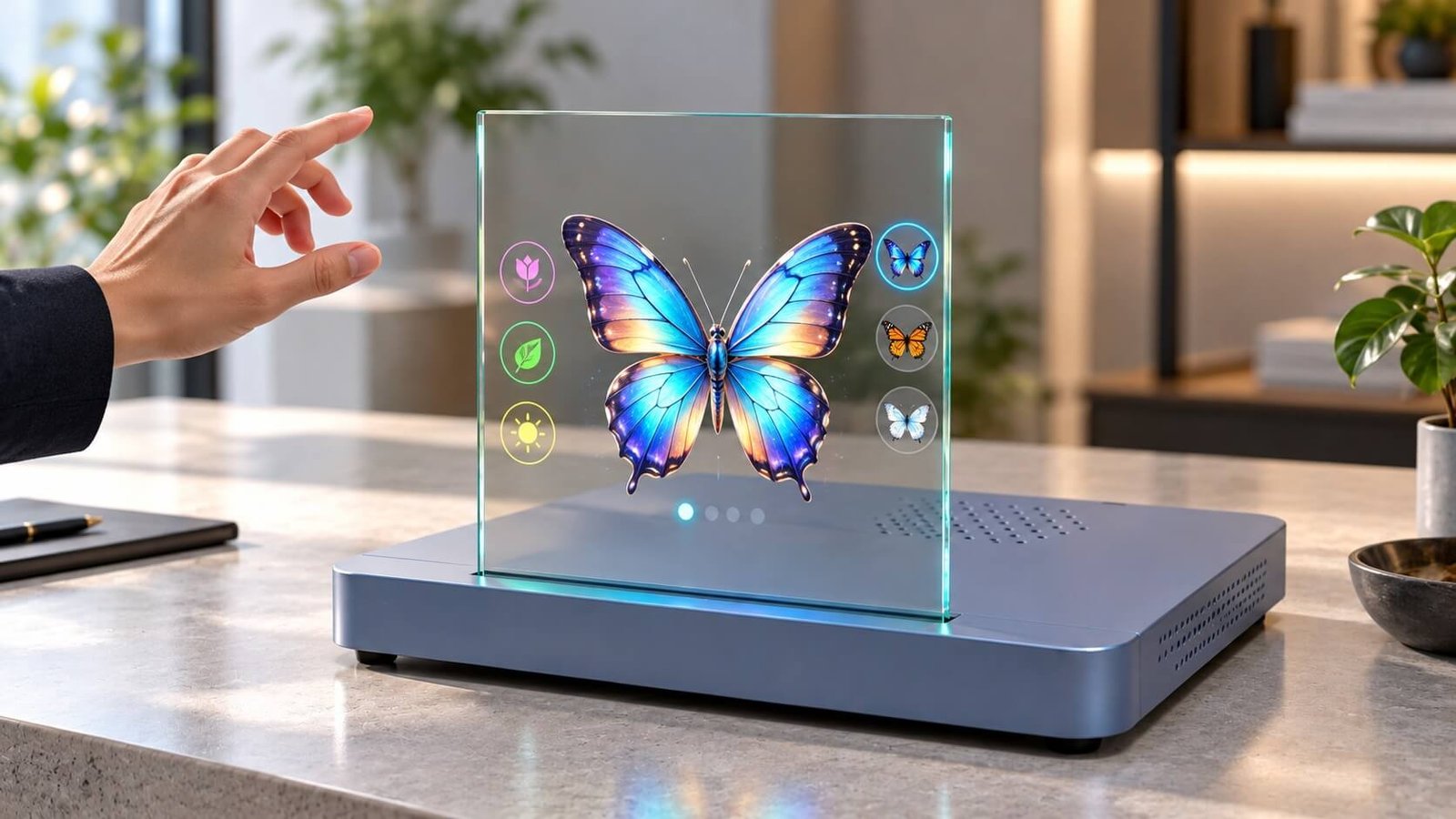
Touch, sensors and application software may be reviewed as separate integration items. They are not implied by the application visualization.
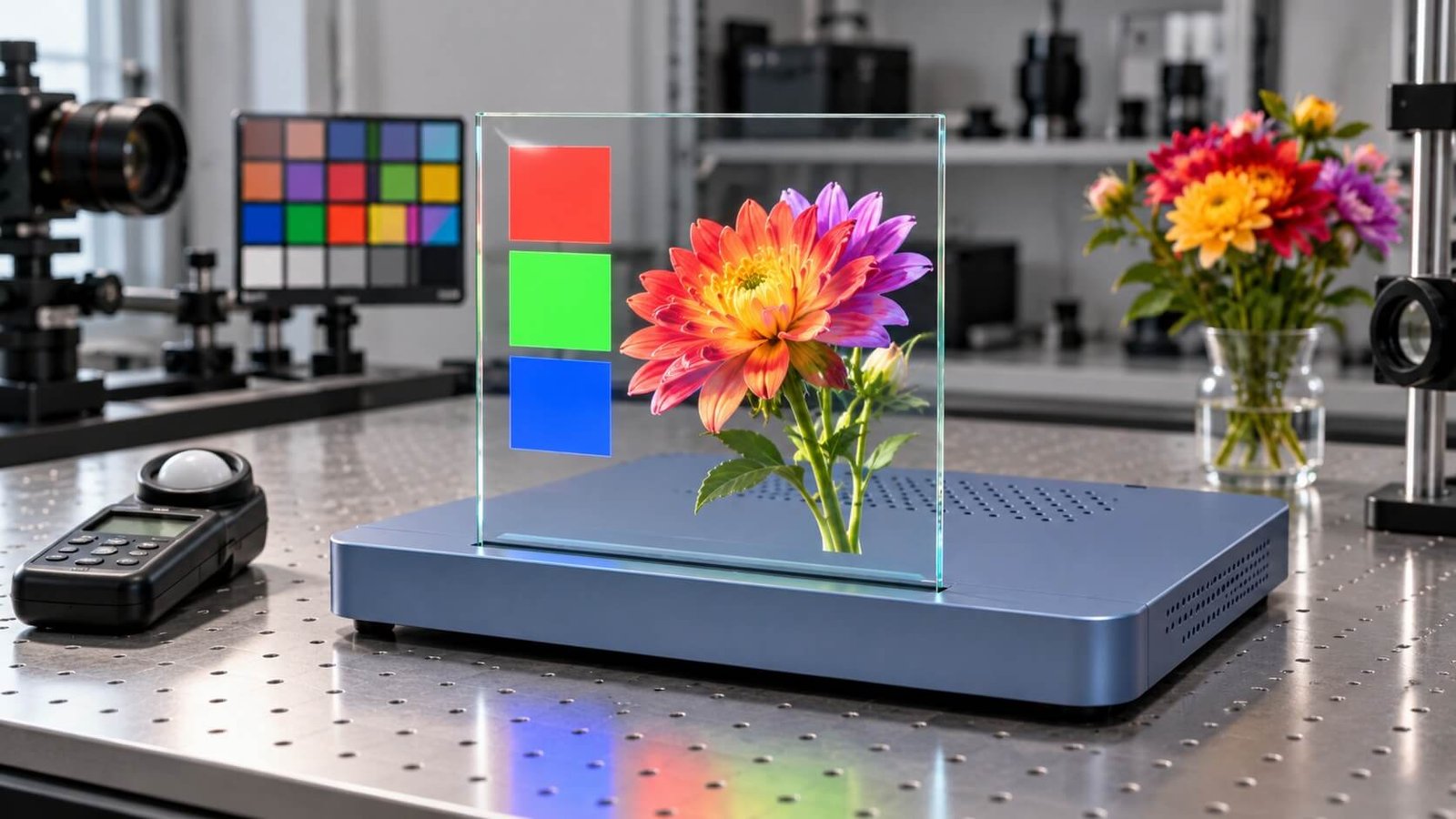
Compare this small format with larger transparent Micro LED platforms before choosing the viewing area and presentation structure.
Confirm the active image area, screen direction, viewing distance and object position. The single-panel reference dimensions are 161.2 × 176.3 mm (W × H). Prepare content for the native 768 × 840 pixel canvas.
The metal or black electronics housing contains the control hardware and connects to the display. Allow space for its cable exit and service access.
Review support points, protection, enclosure interfaces and handling. The thin glass dimension is not the complete product thickness.
Coordinate image layout, transparent regions, room lighting and product illumination. Test reflections and the background with real content.
Confirm adapter scope, host or player, signal timing and installation wiring. A desktop demo and an embedded OEM assembly can require different arrangements.
Agree whether the supply includes the display, controller, adapter, supports or a custom enclosure. Confirm quantity, schedule and approval steps.
TRANSPARENT MICRO LED FAMILY
Explore the complete family or open a dedicated product page.
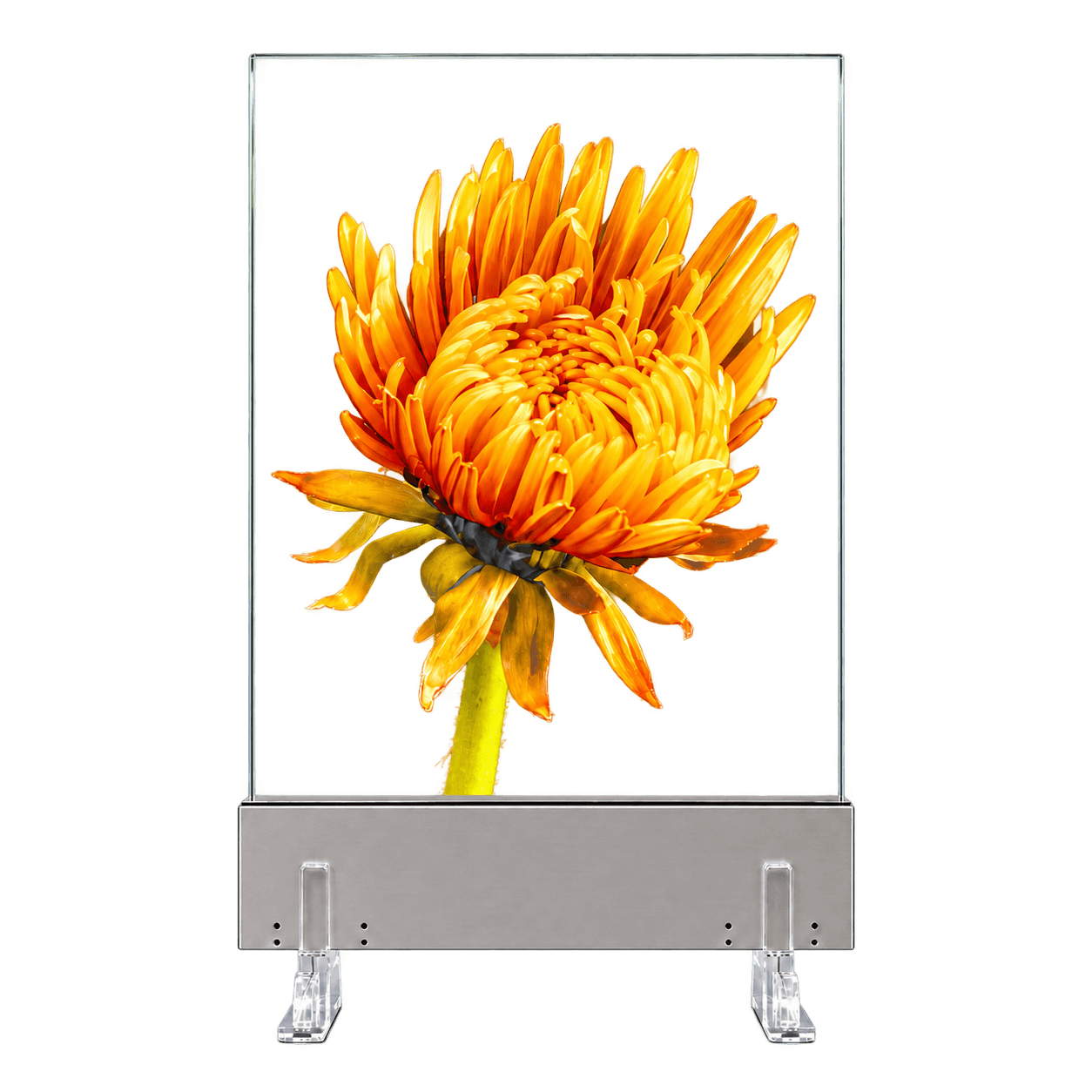 All Transparent Micro LED Displays →Current Page9.4-Inch Transparent Micro LEDBack to Top ↑
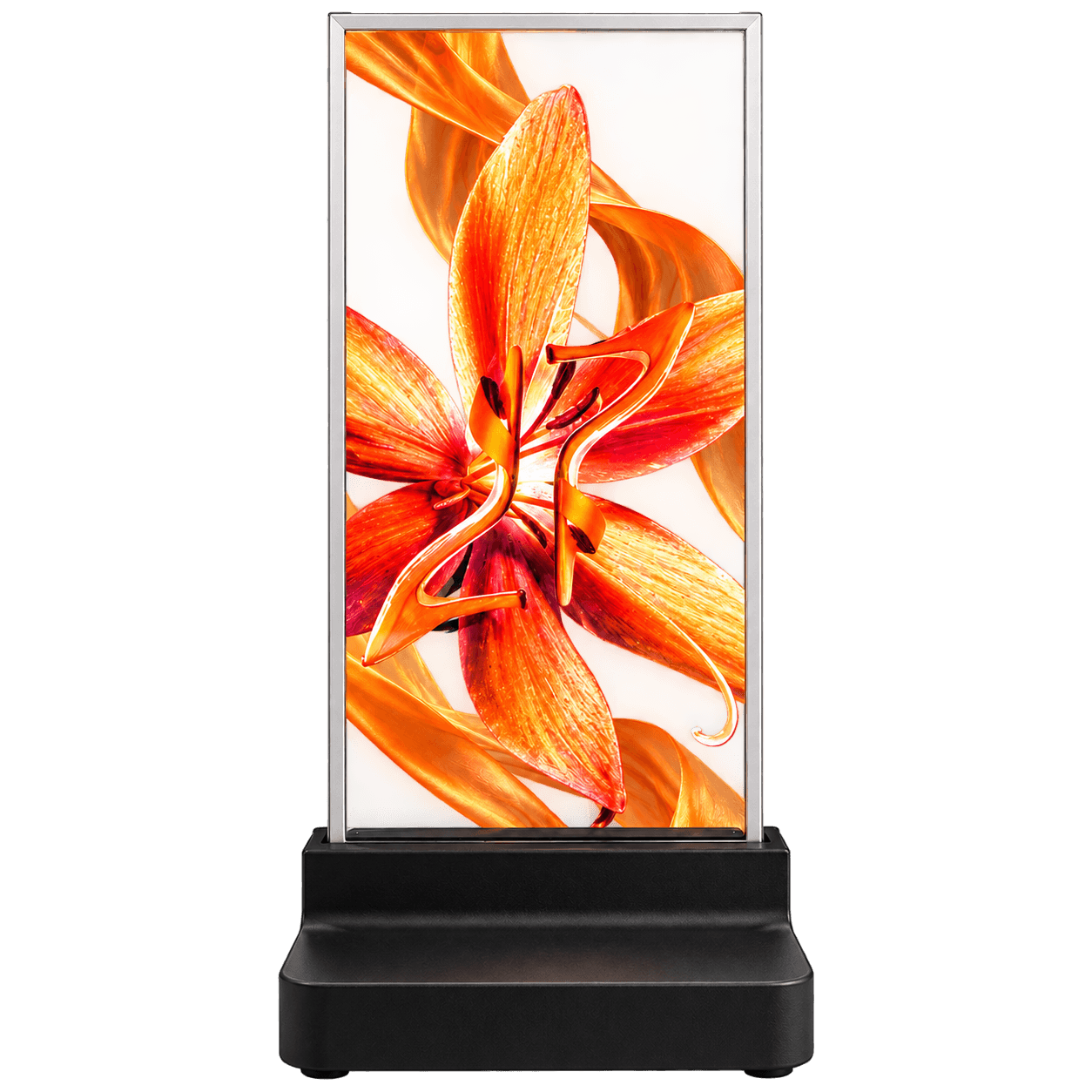 16.1-Inch Transparent Micro LED →
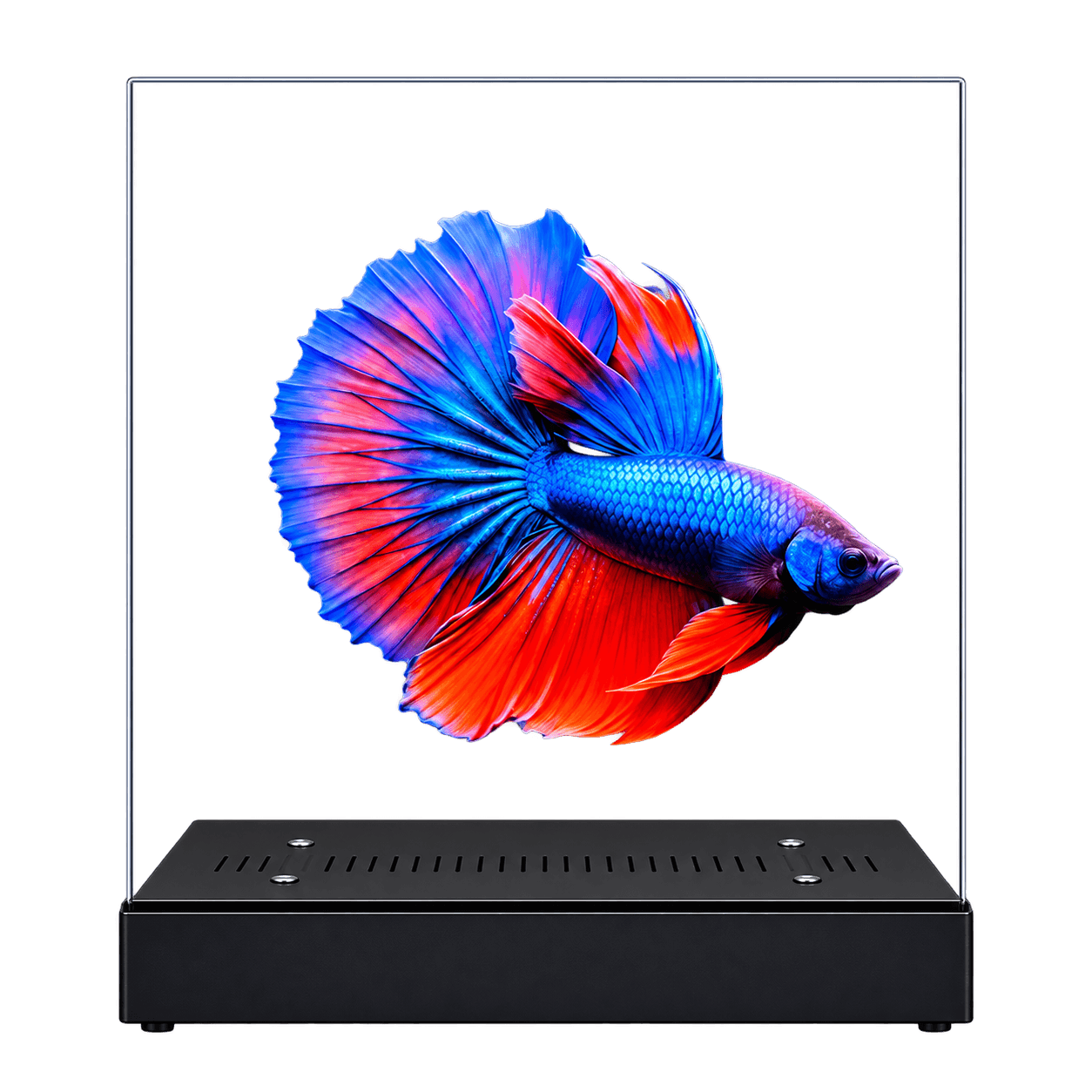 20-Inch Transparent Micro LED →
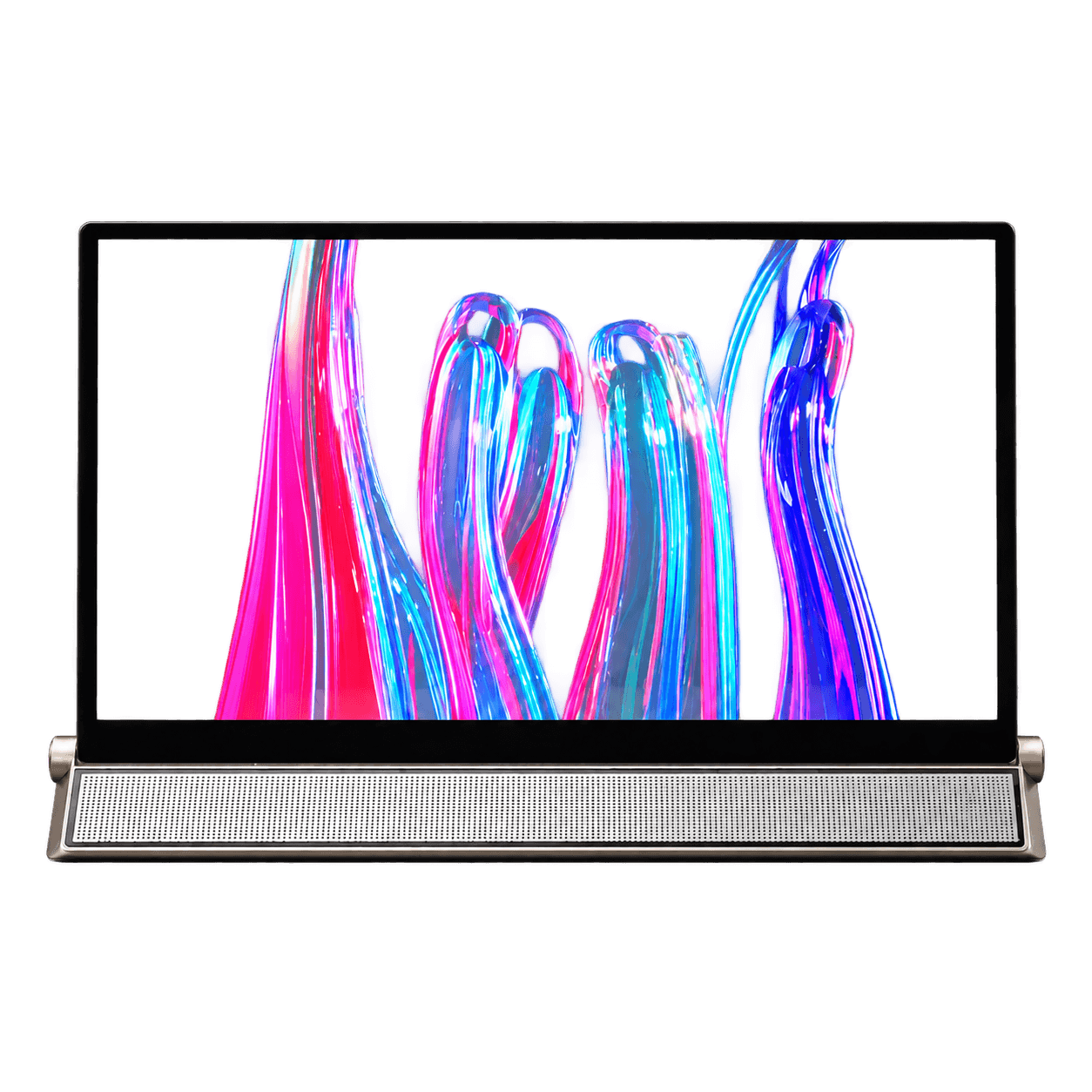 30-Inch Transparent Micro LED →
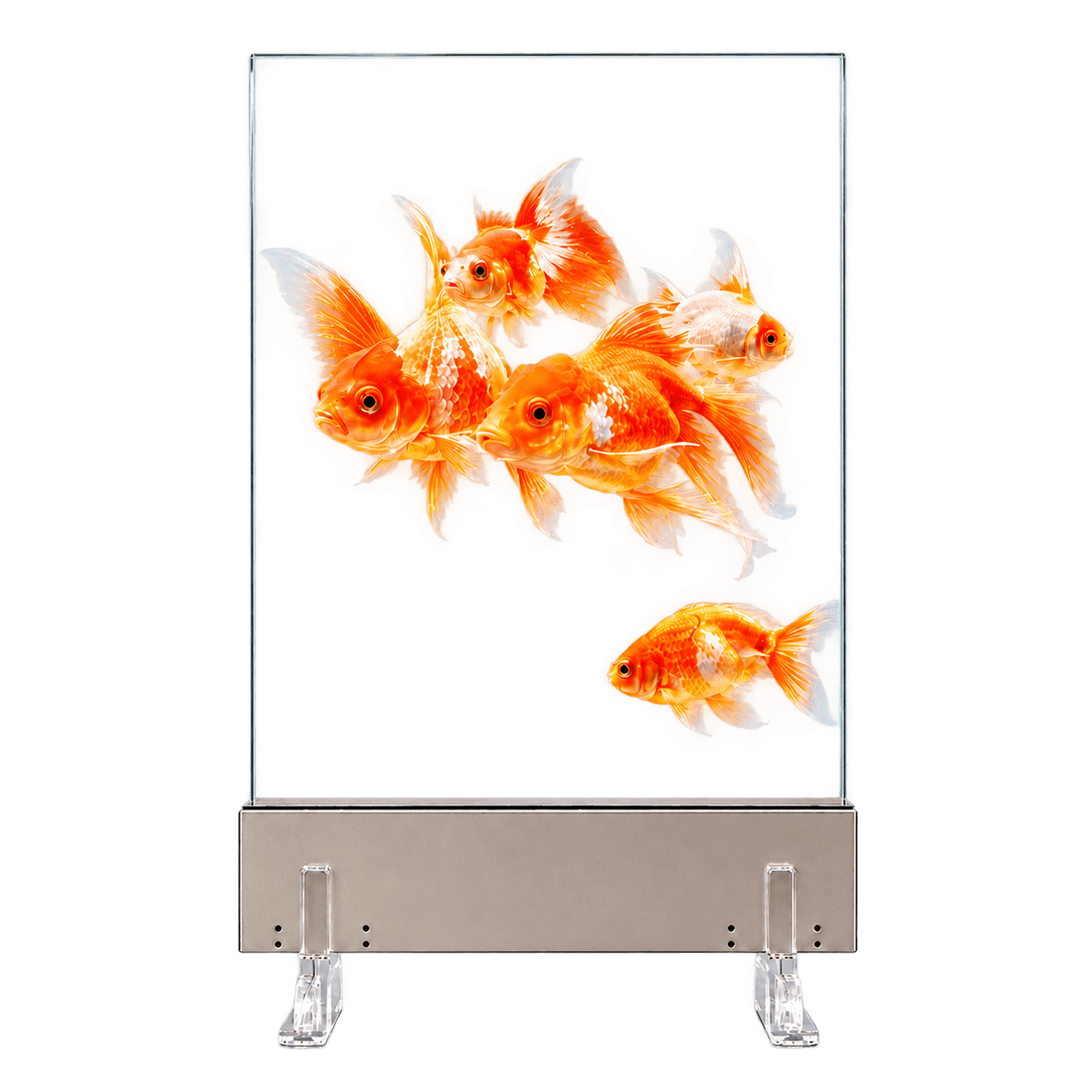 42-Inch Transparent Micro LED →
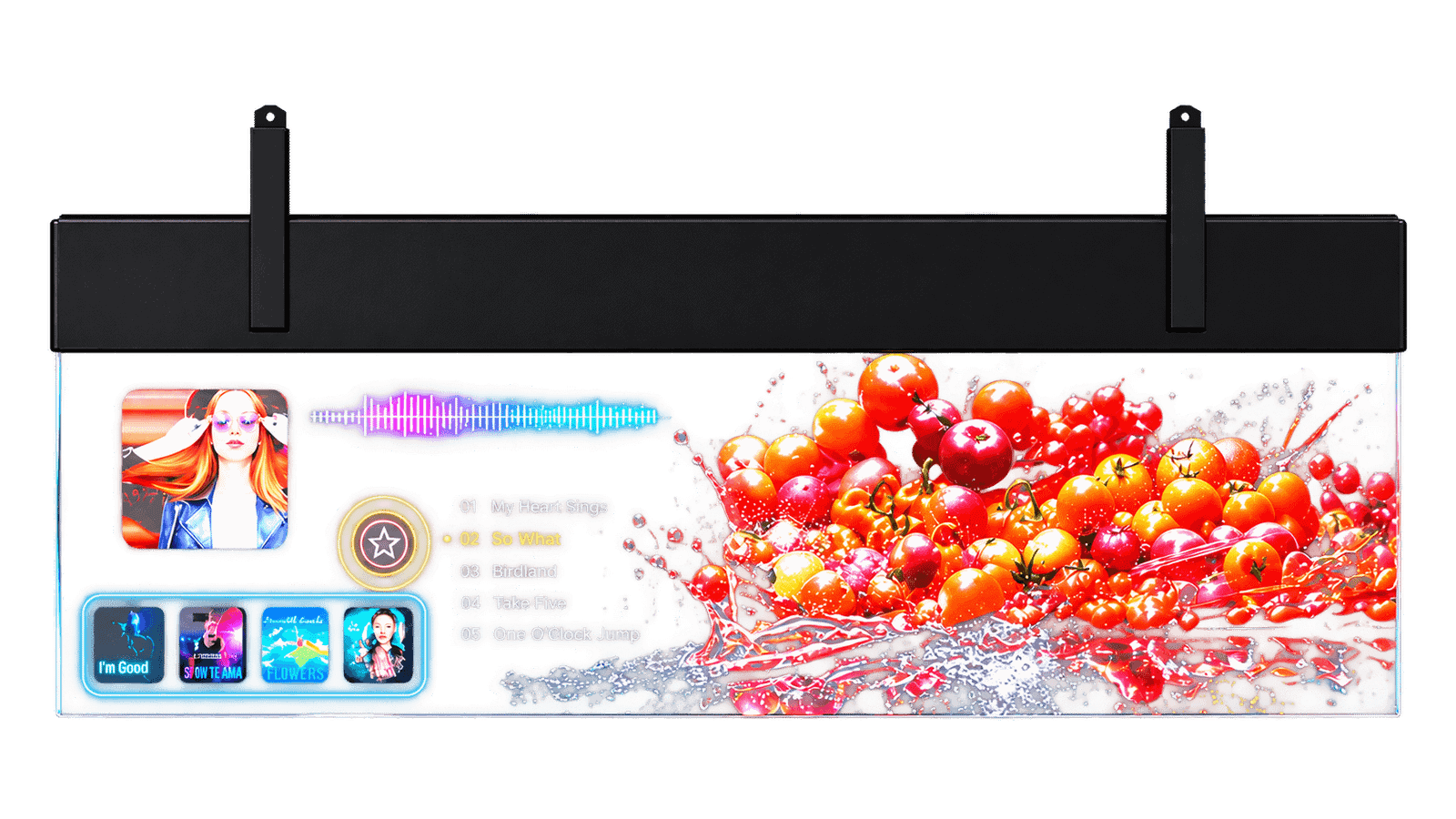 54-Inch Transparent Micro LED →
 60-Inch Transparent Micro LED →
 64-Inch Transparent Micro LED →
 83-Inch Transparent Micro LED →
The supplied specification describes an active-matrix LTPS-TFT glass backplane with RGB Micro LED flip-chip emitters. Select the approved panel and control configuration for your project rather than substituting LED film or mesh.
No. The specification states a peak brightness figure. Confirm sustained brightness, content conditions and the thermal arrangement for the approved system.
No. The supplied reference explicitly states 60% transparency without touch. Additional touch or protective layers require optical and integration review.
The images show product and enclosure concepts. Confirm whether your quotation covers the display, control hardware, power supply, supports or a complete custom enclosure.
No. Glass thickness excludes the control housing, supports and complete assembly depth. Use the approved mechanical drawing before designing a fixture.
The native resolution is 768 × 840 pixels, and the single-panel reference dimensions are 161.2 × 176.3 mm (W × H). Confirm the active area, complete assembly outline including electronics housing and supports, orientation and control timing against the approved drawing.
Touch, sensors, host software and interaction functions require separate engineering review. They are not assumed to be included in the reference display.
Provide the application, installation dimensions, orientation, viewing distance, lighting, background object, host system, sample quantity, expected production quantity, destination and schedule.
Tell DisplayMan what the screen needs to show, what remains visible behind it and how the assembly will be installed.