
Bottom LED Backlight vs Edge LED Backlight
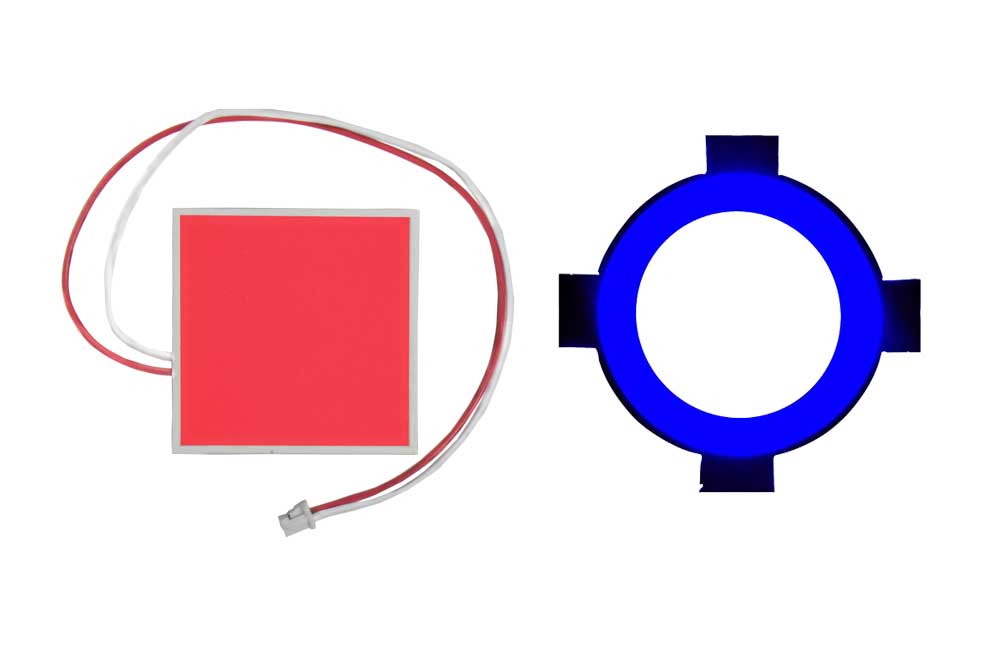
LED light source is the best for all the light sources of backlight. The thickness of LED backlight is based on two important factors: the client requirements and the design requirements. Moreover, almost all the clients I have seen choose edge LED backlight. Why? The reason is very simple: it is very thin (1.00~5.00mm) and low power […]
Optical Films for Backlight Module
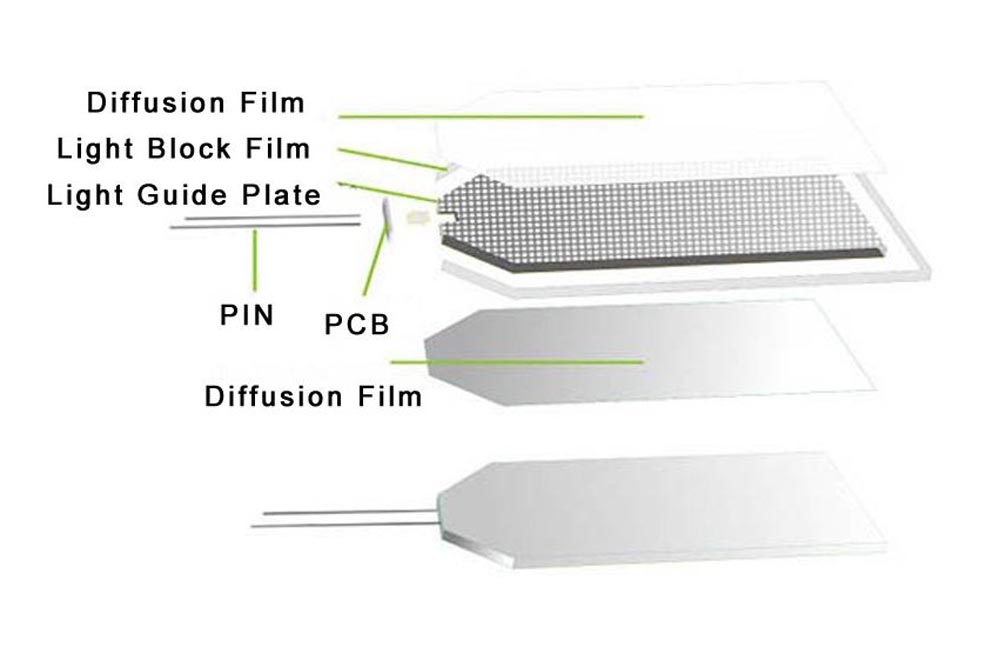
The Introduction for Backlight Unit Structure Backlight module is mainly composed of light source (LED lamps), light guide plate, reflection film, diffusion film, brightness enhancement film / prism sheet, light shade film, etc. Therefore, we can see that backlight module consists of many optical films and the light which is emitted by LED lamps goes […]
Diffusion Film for LED Backlight You May Not Know
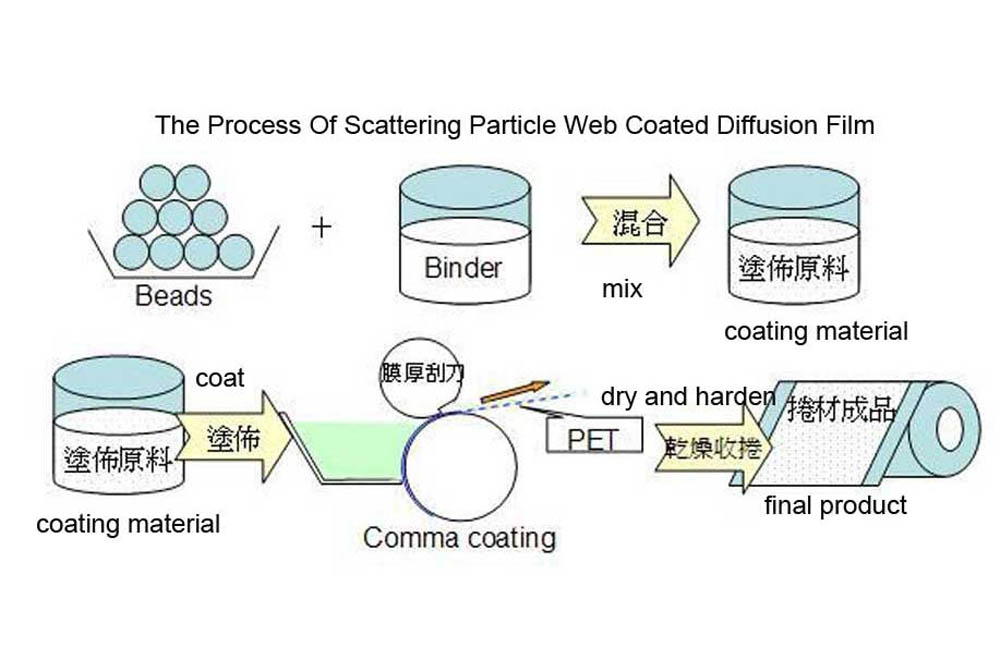
The Theory and Function of Diffusion Film The diffusion film is the spread material that transforms the linear light source of CCFL or the point light source of LED into a uniform surface light source in the LCD module. The theory of LCD diffusion film is that making the light pass through the medium of […]
Brightness Enhancement Film for LED Backlkight
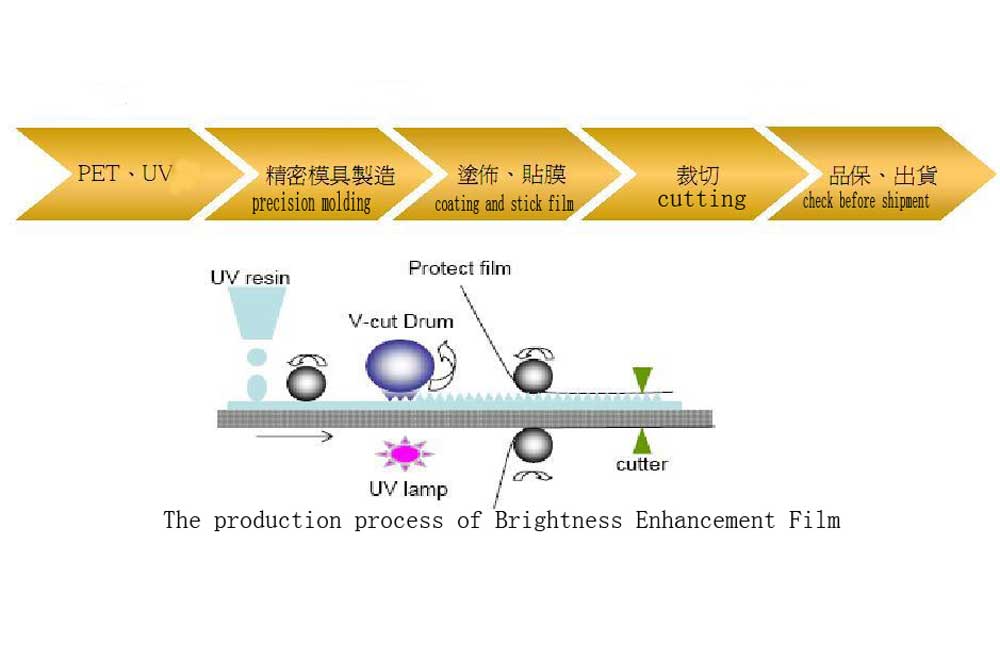
BEF which is abbreviated for Brightness Enhancement Film and is also called Prism Sheet. It is the key component of backlight module and occupy the highest proportion of the cost in the backlight module. It not only can concentrate the scattering light within a 70-degree angle in the front, but also can make the light […]
What is Color Temperature
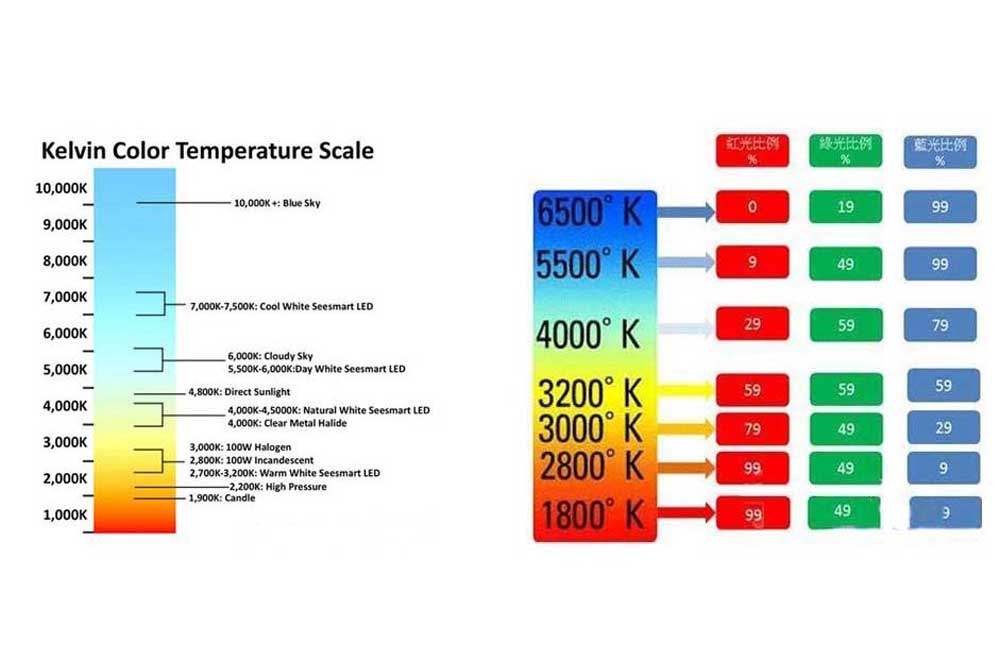
The color temperature is that human eyes see the variation of the color when light waves are in different energy. We regard Kelvin as the unit for color temperature, and the radiation of object is 0°and Kelvin is -273° C as the starting point of calculation. When the object is heated, the color temperature will […]
LED Backlight Has Replaced CCFL Backlight
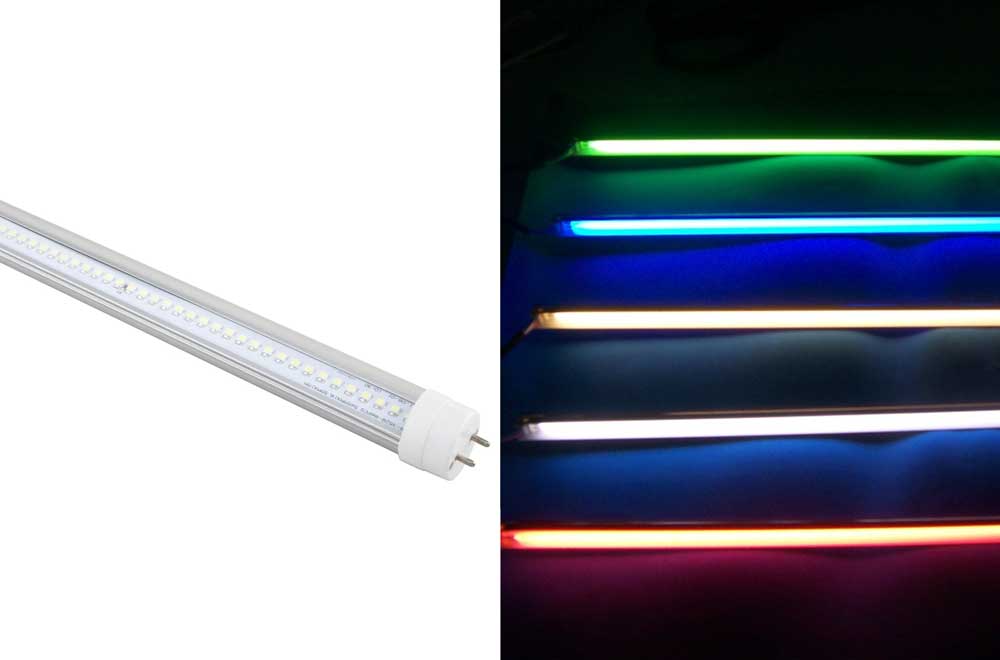
1. LED Backlight is dominating the market while CCFL Backlight is disappearing The power consumption of LED backlight is much lower than CCFL backlight’s in the same amount of brightness. For example: the power consumption of 12 inch LED backlight laptop computer is less than 3 watt, but traditional CCFL backlight’s is between 3.5-4 watt. […]
What is Light Guide Plate
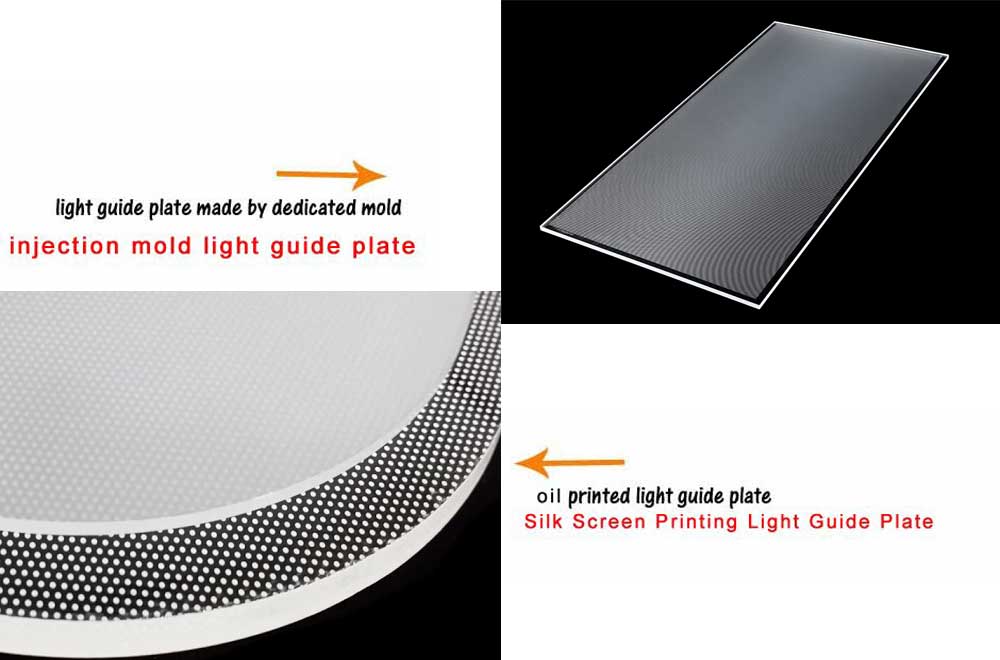
1. Introduction of Light Guide Plate The main material of light guide plate is an optical acrylic sheet whose chemical name is polymethyl methacrylate (PMMA) and its weight is 1190 KG per cubic meter. Transparent acrylic sheet is widely used because of its high light transmittance and strong impact resistance. The acrylic sheets in the […]
Backlight Bleeding
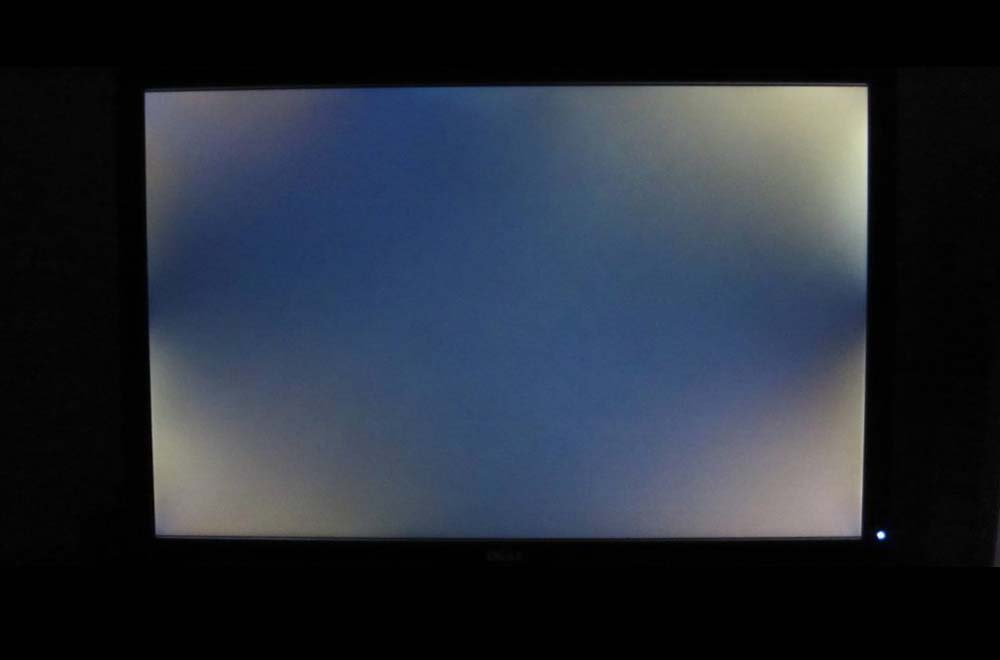
1. What is backlight bleeding? It is a very common phenomenon that liquid crystal display panel and the frame are not tight enough that some lights are transmittance out. It is inevitable to some extent and only a matter of how serious it is. Low-end display panels are more serious, meanwhile, high-end display panels are […]