Home | Products | Transparent OLED Displays | Transparent OLED Video Wall

Transparent OLED Video Wall | Modular 4K Displays by DisplayMan

Reimagine storytelling at scale.

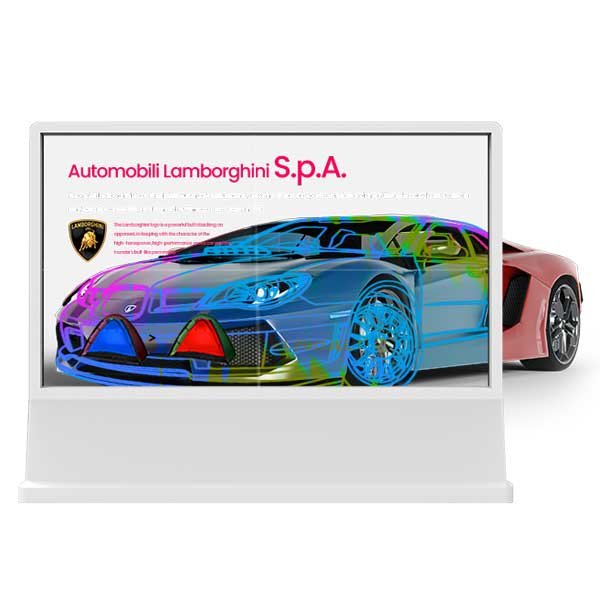
With DisplayMan’s Transparent OLED Video Wall, you can tile ultra-thin, self-emissive OLED panels into stunning multi-screen arrays — all while preserving space visibility and product exposure behind the screen. Ideal for high-end showrooms, museums, smart spaces, and commercial exhibitions.

🔹 30″, 48″, 55″, 77″ Available 🔹 2×2, 3×1, 2×10, 10×2 Supported

🔹 Frameless Transparency 🔹 4K OLED Clarity 🔹 Custom Frames & Interactive Add-ons

[📩 Request a Quote]  [🎥 Book a Demo]  [📄 Download Brochure]

transparent oled video wall

🖼️Showcase of Transparent OLED Video Wall

Real Installations. Real Impact.

Discover how DisplayMan’s Transparent OLED Video Walls come to life across a variety of high-end environments. From immersive museum exhibits and futuristic retail windows to corporate showrooms and tech expos, these installations demonstrate the power of combining physical space with floating digital content. Each project highlights the seamless integration, visual elegance, and storytelling potential of transparent OLED — proving that innovation doesn’t have to block your view.

Explore the possibilities. See how brands and institutions around the world are transforming their spaces with DisplayMan.

“I will give a few pictures of Transparent OLED Video Wall”


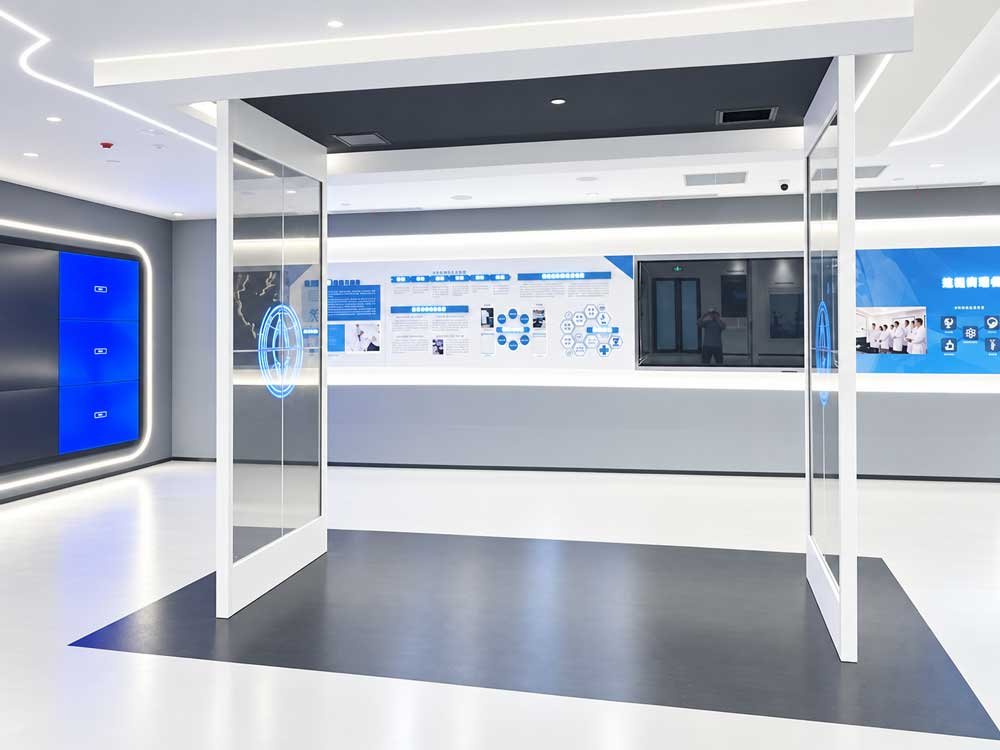
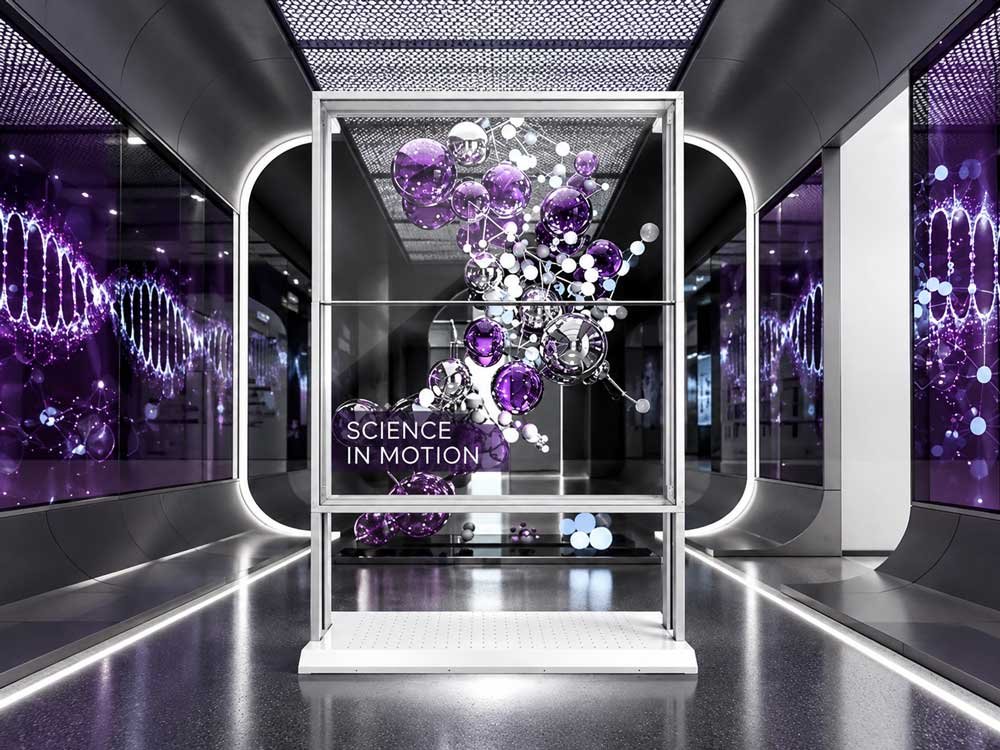
This 1×2 Transparent OLED Video Wall showcases molecular visuals in a futuristic “Stem Cell Digital Exhibition Hall.” With vibrant imagery and over 45% transparency, it blends science content with real-world depth. Ideal for tech museums and innovation centers, it delivers impactful storytelling without obstructing the environment behind.

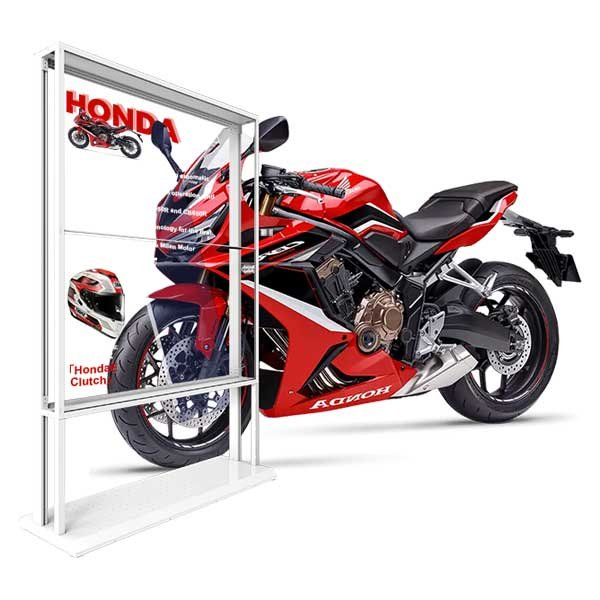
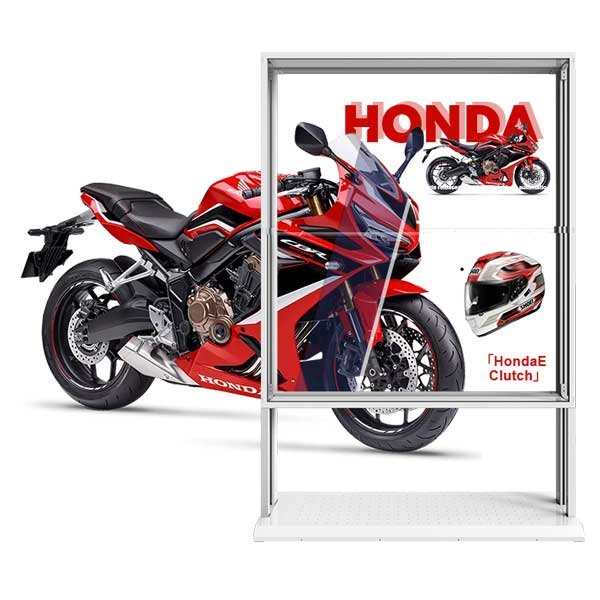
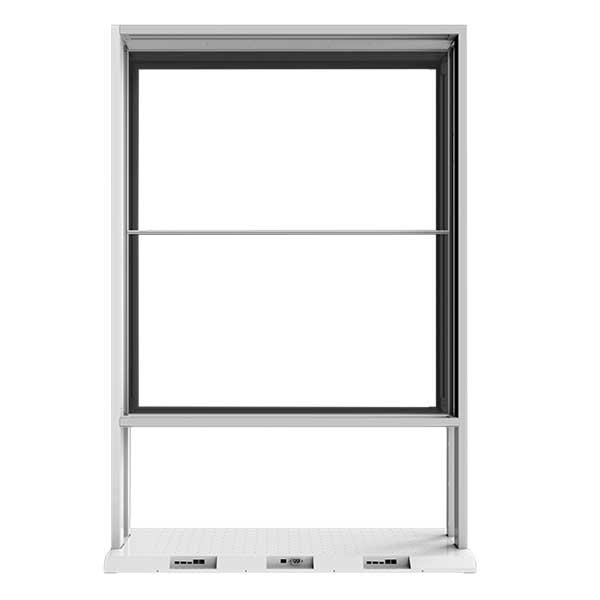
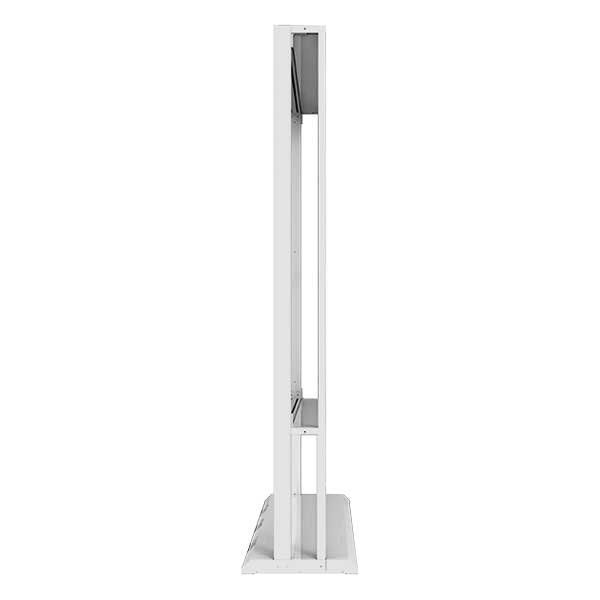
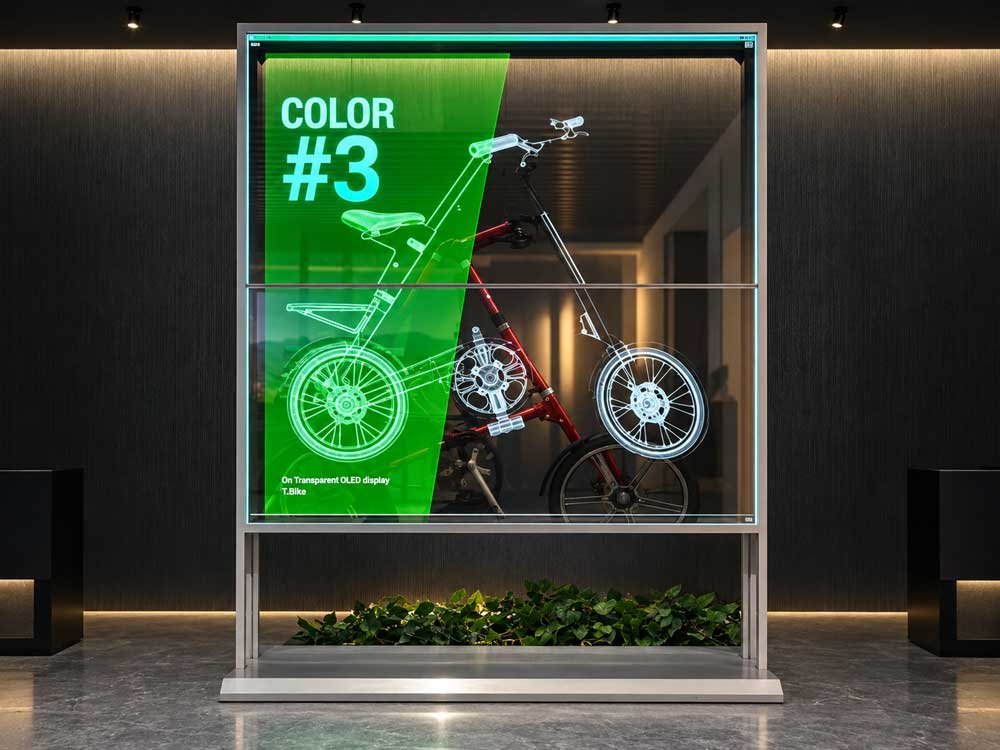
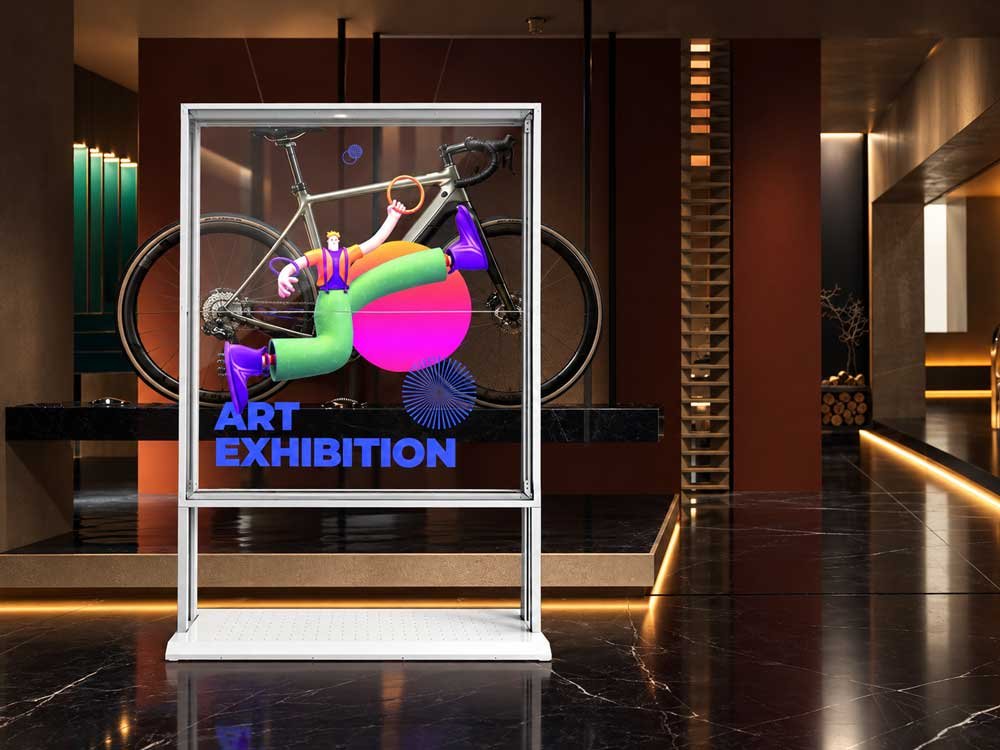
This 1×2 Transparent OLED Video Wall features two vertically stacked panels in a sleek, minimal frame. It delivers vibrant visuals while maintaining high transparency, allowing the background—like the showcased bicycle—to remain visible. Ideal for art exhibitions and retail displays, it merges digital content with real-world space seamlessly.

This 1×2 Transparent OLED Video Wall presents vivid graphics and 3D bike visuals while maintaining clear visibility of the background. With its frameless, vertically stacked design, it’s ideal for retail, exhibitions, or showrooms. The high transparency and sharp contrast create an eye-catching, futuristic display that blends seamlessly with its surroundings.

What Is a Transparent OLED Video Wall?

A Transparent OLED Video Wall is a premium multi-panel display system made by arranging several Transparent OLED screens into a larger see-through visual surface.

Digital content appears across the transparent wall while products, exhibits, vehicles, architecture or interior space remain visible behind it. This creates a larger floating-content effect than a single Transparent OLED Signage display.

Transparent OLED Video Wall is mainly intended for controlled indoor projects that value close-viewing image quality, transparent visual impact, thin structure and high-end interior integration.

Typical Project Goals

  • Create a premium transparent storytelling wall
  • Display digital content without fully blocking the background
  • Present products, vehicles or exhibits with digital overlays
  • Integrate transparent content into architecture or glass partitions
  • Build a high-end museum, showroom or retail experience
  • Add synchronized or interactive content across several panels
Product Positioning

Transparent OLED Video Wall is a premium selected-layout display wall. It is chosen for transparent OLED image quality and design value—not for lowest cost, very high brightness or unlimited modular expansion.

Important: Transparent OLED Is Not an Unlimited Modular Video Wall

Transparent OLED Video Walls have more layout limitations than Transparent LED, conventional LCD video walls and many Transparent LCD structures. Because the panel is see-through, all non-display areas, frame members, cables, power distribution and service access must be integrated carefully.

Selected Layouts Work Best

Compact, strip, wide, tall and other controlled layouts can create a clean premium result when the structure is planned around the panel.

One Direction Should Stay Controlled

Many practical layouts extend mainly in one direction so that panel driving areas, frame and cable routing can be managed more cleanly.

Large Matrices Need Special Review

Layouts such as 3×3, 4×4 or larger should not be presented as standard Transparent OLED solutions.

Transparent LED Is Better for Scale

For very large, bright and truly modular transparent walls, Transparent LED Displays are usually more practical.

Transparent LCD Offers More Structure Freedom

Transparent LCD Video Wall can use cabinet and lighting structures to manage integration areas more easily.

OLED Is Selected for Premium Effect

Transparent OLED is the right route when close-viewing quality, thin design and a futuristic transparent surface justify the layout limitations and cost.

Do Not Quote by Panel Quantity Alone

The correct question is not only “how many panels can be connected?” The project must first confirm whether the proposed layout can hide the frame, driving areas, power and signal cables while preserving the transparent effect.

Transparent OLED Video Wall Panel Sizes

Main panel formats may include 30, 48, 55 and 77 inches. Availability, resolution, orientation, panel structure and the feasibility of each layout must be confirmed for the actual project.

30 inch

Compact and Special Layouts

Suitable for counters, close-viewing installations, compact transparent walls and small architectural features where installation space is limited.

48 inch

Wide-Format and Strip Layouts

Suitable for selected horizontal strips, counters, galleries and architectural installations that need a special visual ratio.

55 inch — Mainstream

Best Starting Point for Most Projects

55 inches offers the most practical balance of display area, commercial availability, layout planning, structure, transportation and project cost.

77 inch — Flagship

Premium Large-Format Installations

Suitable for selected high-budget museums, flagship showrooms and VIP spaces. Cost, weight, transportation and supporting structure require careful review.

Panel Recommendation

Start with 55-inch Transparent OLED panels for most commercial projects. Select 30, 48 or 77 inches only when the space, visual ratio or project value clearly supports another format.

Practical Transparent OLED Video Wall Layouts

The layout should be designed around the installation space, content ratio, viewing direction, frame coverage, panel driving areas, cable routing and service method. The examples below are project directions, not automatic standard configurations.

Lower Risk

1×2 or 2×1

A practical entry layout for compact retail, museum sections, galleries, lobbies, product launches and exhibition booths.

Limited Matrix

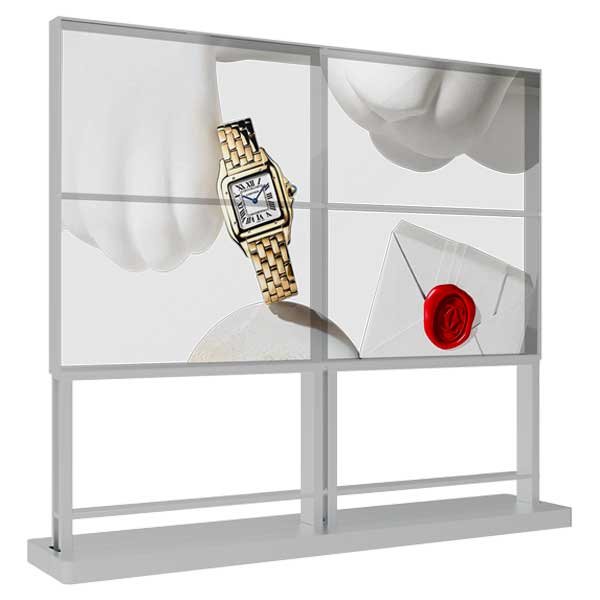
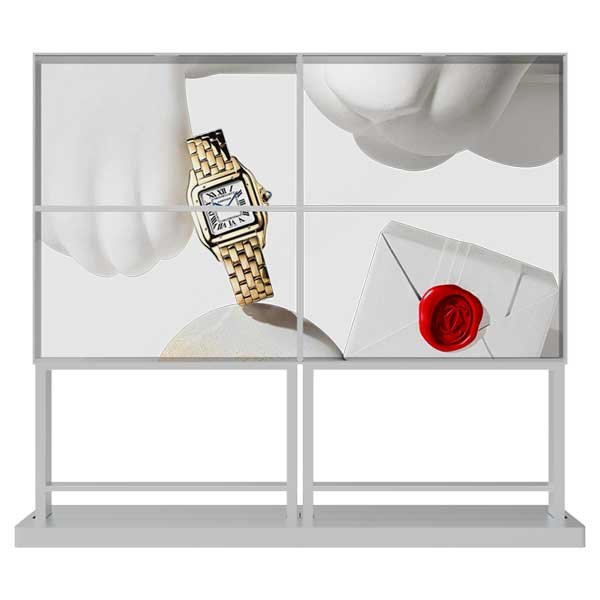
2×2

A square four-panel layout for museums, corporate showrooms, luxury retail and innovation centers. Structural feasibility must still be confirmed.

Strip Layout

3×1 or 1×3

Suitable for corridors, long counters, retail windows, vertical features, gallery walls and architectural display strips.

Larger Premium Wall

2×5 or 5×2

For selected showroom, museum and corporate experience walls where one direction remains limited and detailed engineering is available.

Special High-Budget

2×10 or 10×2

Extended strip-style installations for long corridors, premium retail windows and architectural spaces. Feasibility must be confirmed before quotation.

Project Based

Custom Limited Layout

Designed around the wall, viewing side, panel size, content, hidden structure, service access and the possibility that another technology may be more practical.

Layout Direction Typical Use Main Engineering Focus
1×2 / 2×1 Compact premium transparent wall Panel alignment, shared frame, cable path and content synchronization
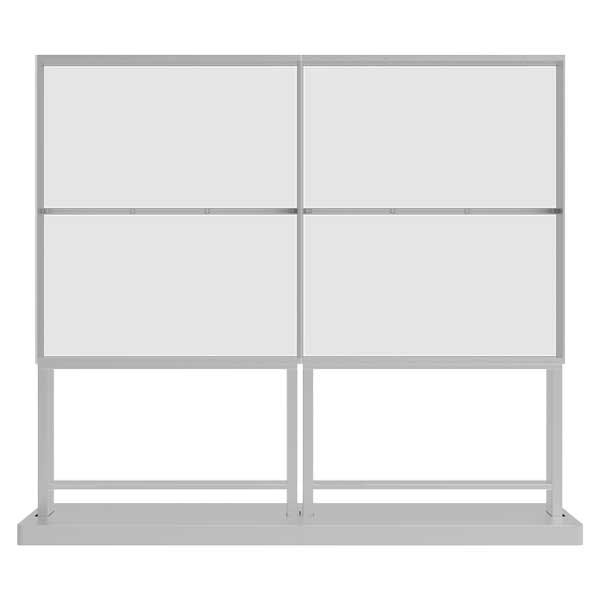
2×2 Square museum, showroom or retail feature Central structure, four-panel alignment, service access and content mapping
3×1 / 1×3 Horizontal or vertical storytelling strip Long-frame rigidity, consistent gaps, power distribution and viewing height
2×5 / 5×2 Larger selected wide or tall premium wall Structure hiding, signal distribution, thermal management and maintenance planning
2×10 / 10×2 Extended architectural strip installation Detailed engineering, controller capacity, long cable routes, frame tolerance and service strategy
Custom Limited Layout Special architecture or interior design Technology comparison, panel feasibility, visible backside, content ratio and project budget

Reference Specifications

The values below are reference options only. Final specifications depend on the selected Transparent OLED panel, layout, orientation, frame, controller, interaction and installation environment.

Item Reference Options
Product NameTransparent OLED Video Wall
Display PrincipleSelf-emissive Transparent OLED
Panel Sizes30" / 48" / 55" / 77" depending on availability
Most Practical Panel Size55" for most commercial projects
ResolutionFull HD or 4K depending on panel size and model
BrightnessApprox. 150–500 cd/m² depending on panel and configuration
TransparencyApprox. 40–60% depending on model, environment and content
Practical Layout Directions1×2 / 2×1 / 2×2 / 3×1 / 1×3 / 2×5 / 5×2 / selected extended strip / custom limited layout
Layout LimitationNot intended for unrestricted large matrix expansion
Content ControlMedia player / PC synchronization / CMS / video wall controller / customer system
Input OptionsHDMI / USB / network / panel-specific interfaces depending on configuration
InteractionTouch / gesture / camera / sensor / voice / AI digital human review
InstallationFreestanding / wall-mounted / ceiling-suspended / embedded / glass partition / custom structure
Recommended EnvironmentIndoor or controlled premium commercial environment
ApplicationsMuseums, retail, showrooms, exhibitions, automotive, corporate and architecture
OEM OptionsFrame, mounting, controller, wiring, interaction, branding, packaging and installation structure
Important

Transparent OLED Video Wall is a premium indoor display system. Panel quantity and overall dimensions must not be confirmed until the proposed layout, structural hiding, cable routing, controller and service access have passed engineering review.

Typical Transparent OLED Video Wall Structure

A complete Transparent OLED Video Wall includes much more than several screens. The visual surface, frame, wiring, signal control, installation and maintenance method must be designed as one system.

Transparent OLED Panels

Several panels form the selected transparent visual surface.

Frame and Mounting Structure

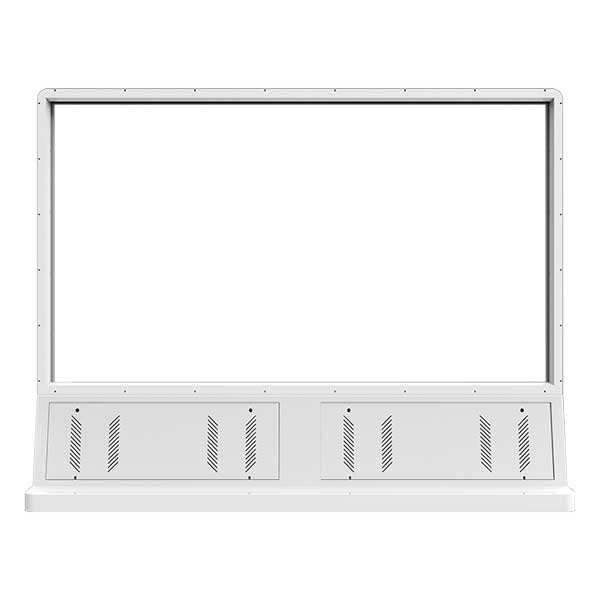
Supports panel alignment and hides non-display areas while preserving as much transparency as possible.

Signal and Power Distribution

Each panel requires reliable signal and power routing with safe distribution and practical service access.

Controller and Media System

Maps one large image, synchronized video, split content or panel-specific media across the layout.

Cable Management

Power, signal, connectors and cable paths must be hidden without interfering with the transparent viewing area.

Optional Interaction

Touch, gesture, sensor, voice, camera and AI digital human functions can be reviewed according to the layout.

Content Mapping

Content must be created for the real layout and transparent effect rather than treated like a normal opaque LED wall.

Ventilation and Service Access

Heat, access panels, panel replacement, cleaning and long-term maintenance should be planned before fabrication.

Installation Safety

Wall loading, suspension, floor fixing, anti-tip measures and protection during transportation require project review.

Typical Applications

Transparent OLED Video Walls are most valuable in premium indoor environments where the real space behind the display remains part of the experience.

Museums and Cultural Exhibitions

For timelines, reconstruction visuals, multilingual storytelling and digital explanation while keeping exhibits visible.

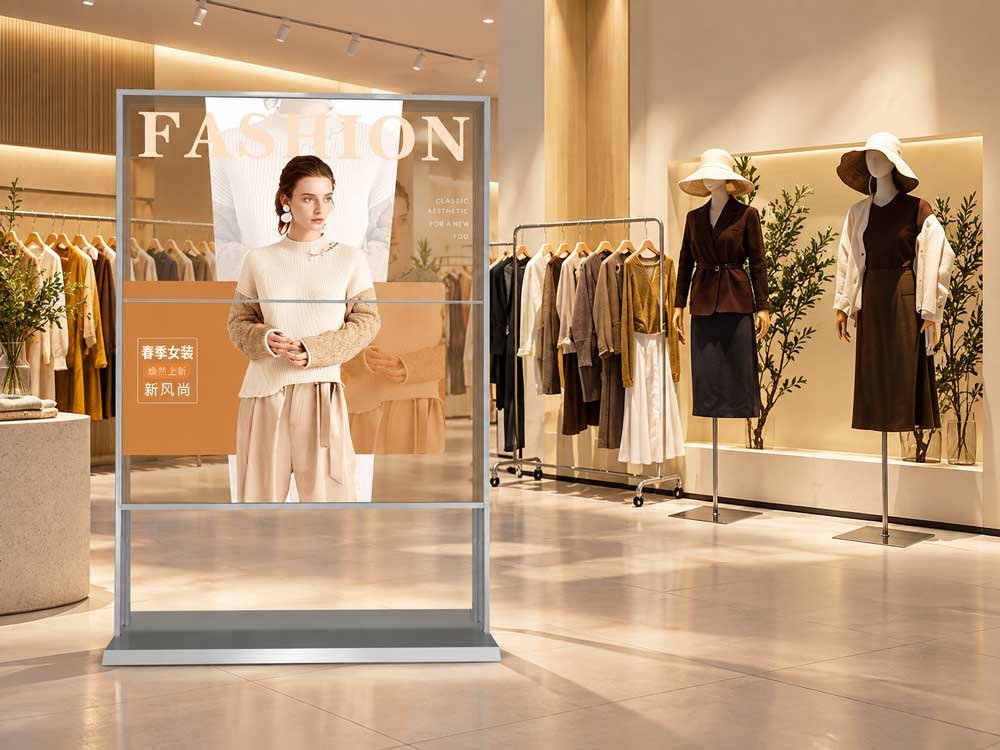
Luxury Retail

For flagship stores, watches, jewelry, fashion, cosmetics and premium brand spaces that need a futuristic visual layer.

Automotive Showrooms

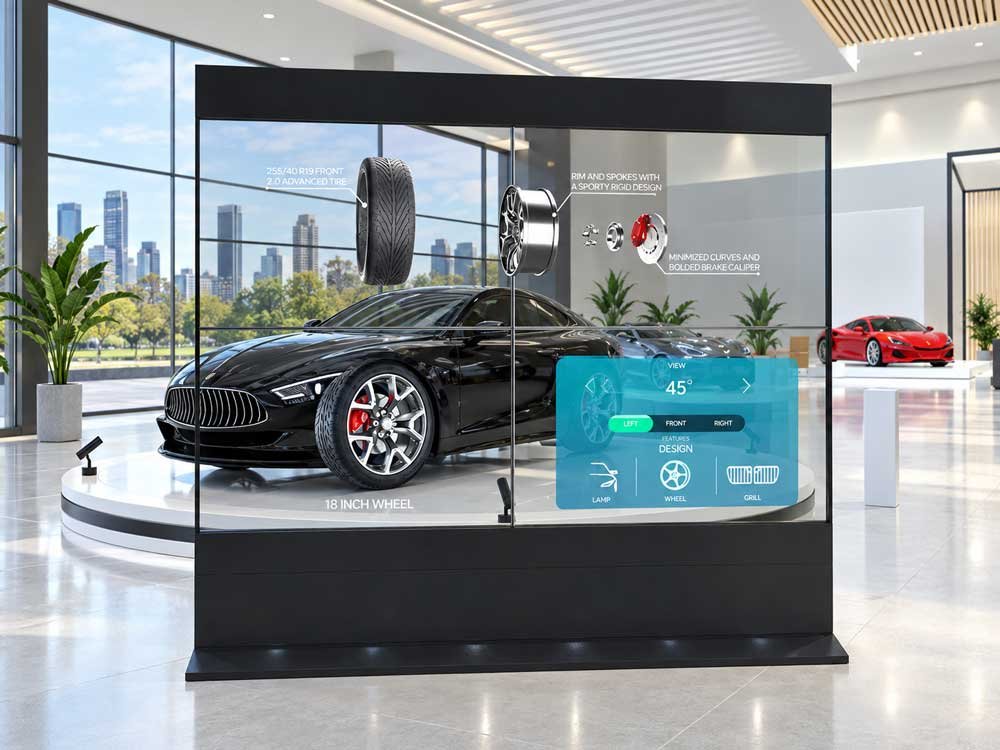
For vehicle specifications, design stories and brand videos while the real car remains visible behind the screen.

Corporate Experience Centers

For company history, product roadmaps, prototypes, technology demonstrations and visitor presentations.

Exhibitions and Product Launches

For premium booth walls, launches, VIP areas and high-value demonstrations where display technology is part of the message.

Interior Architecture

For glass partitions, lobbies, corridors, furniture systems and architectural walls that need a transparent digital layer.

Technology Showcases

For prototypes, engineering concepts, advanced materials, science exhibits and innovation demonstrations.

Digital Art and Brand Storytelling

For synchronized transparent motion graphics, floating artwork and large-format visual narratives.

Interactive Premium Spaces

For museums, smart exhibitions and showrooms using touch, sensors, gesture or AI digital human content.

How to Choose the Right Transparent OLED Video Wall

1

Confirm the Technology Fit

Use Transparent OLED only when premium close-viewing quality, transparency and design value are more important than unlimited scale or lowest cost.

2

Start With the Wall and Viewing Direction

Confirm wall dimensions, one-sided or two-sided viewing, visitor distance, background visibility and installation environment.

3

Select the Panel Size

Start with 55 inches for most projects, then review 30, 48 or 77 inches only when the layout needs another format.

4

Choose a Realistic Layout

Select a compact, strip, limited matrix or extended one-direction layout that can hide the structure and wiring.

5

Plan Frame, Wiring and Service

Confirm how panels align, cables route, power distributes, the backside appears and panels can be maintained.

6

Define Content and Interaction

Confirm one large image, synchronized video, split content, CMS, touch, sensors or AI interaction before selecting the controller.

Selection Logic

The best layout is not the one with the largest panel count. It is the layout that creates a convincing transparent visual effect while keeping the frame, wiring, controller and maintenance realistic.

Content Strategy for Transparent OLED Video Walls

The content should use transparency as part of the design. A Transparent OLED wall should not simply copy full-screen opaque LED-wall content.

Recommended Content

  • Floating graphics and product outlines
  • Brand videos with transparent or dark backgrounds
  • Museum timelines and layered storytelling
  • Vehicle or product information overlays
  • Digital art designed for the real panel layout
  • Synchronized multi-panel motion graphics
  • Split content and panel-specific storytelling
  • Interactive menus and AI digital human content
Content Mapping

The content canvas, panel arrangement, gaps and visible structure should be included in the creative design from the beginning.

Avoid

Avoid treating every panel as an unrelated television, covering the background with bright opaque graphics for long periods, or creating important text across structural gaps without layout testing.

Transparent OLED Video Wall vs Other Display Routes

Comparison Transparent OLED Video Wall Alternative Route
Video Wall vs OLED Signage Choose the video wall when one Transparent OLED screen is not large enough and a selected multi-panel surface is justified. Transparent OLED Signage is the safer, simpler and lower-cost starting point when one screen can meet the application.
Transparent OLED vs Transparent LCD Video Wall More premium, self-emissive and visually clean, but more expensive and more layout-sensitive. Transparent LCD Video Wall is generally more practical for cost control, size flexibility and cabinet-based integration.
Transparent OLED vs Transparent LED Better for premium indoor close viewing and selected controlled layouts. Transparent LED Displays are better for large, bright, flexible and truly modular transparent walls.
Transparent OLED vs Normal LCD Video Wall Best when background visibility and transparent storytelling are essential. Commercial Video Walls are more practical when the project only needs a large opaque digital display.
Transparent OLED vs Projection Effect A stable screen-based permanent installation with predictable display operation. Projection and hologram-style methods are generally better for special event effects and optical illusions.
Technology Choice

Choose Transparent OLED for a premium selected-layout indoor wall. Choose Transparent LED for scale and brightness, Transparent LCD for practical transparent structure, and a normal video wall when transparency is unnecessary.

Engineering and Customization Support

Transparent OLED Video Wall projects require early engineering review. The panels, layout, frame, power, signal, controller, content, installation and maintenance plan should be confirmed as one complete system.

  • 30" / 48" / 55" / 77" panel review
  • 55" mainstream panel recommendation
  • 1×2 and 2×1 layout review
  • 2×2 limited matrix review
  • 3×1 and 1×3 strip layout
  • 2×5 and 5×2 selected layout
  • Extended strip feasibility review
  • Custom limited layout review
  • Frame and mounting structure
  • Visible backside review
  • Panel alignment and tolerance
  • Power distribution design
  • Signal distribution and synchronization
  • Controller and media player review
  • PC synchronization
  • CMS and remote content update
  • Single-image content mapping
  • Split and panel-specific content
  • Touch and interactive review
  • Gesture, sensor and camera trigger
  • AI digital human integration
  • Wall-mounted structure
  • Freestanding frame
  • Ceiling-suspended structure
  • Glass-partition integration
  • Cable routing and connectors
  • Ventilation and maintenance access
  • OEM branding and packaging
  • Sample and batch project support
Practical Customization Scope

Most projects use available Transparent OLED panel sizes and customize the layout, frame, mounting, wiring, controller, content system and installation around them. Unlimited splicing and fully custom large OLED panel development should not be assumed.

When Transparent OLED Video Wall Is the Right Choice

Suitable For

  • Premium indoor transparent display walls
  • Selected multi-panel OLED layouts
  • Museum and cultural storytelling
  • Luxury retail and flagship showrooms
  • Automotive and technology demonstrations
  • Corporate experience centers
  • Architectural transparent display features
  • Close-viewing high-end brand experiences

May Not Be the Best Choice

  • The project needs unlimited modular splicing
  • The wall is very large and mainly cost-driven
  • High outdoor brightness is required
  • A 3×3, 4×4 or larger matrix is expected as standard
  • The customer needs a seamless wall without visible structure
  • The project cannot support custom frame and cable engineering
  • Transparency has no real application value
  • A normal video wall would meet the requirement
Project Insight

Transparent OLED Video Wall works best when the project accepts selected layouts and values transparent OLED image quality, close viewing and architectural integration more than scale, brightness or lowest cost.

What Information Should You Provide?

The more clearly the wall, layout and hidden structure are defined, the faster a realistic Transparent OLED Video Wall direction can be evaluated.

Application and Space

  • Museum, retail, showroom, exhibition or corporate use
  • Indoor environment and ambient light
  • Available wall width and height
  • Viewing distance and visitor flow
  • One-sided or two-sided viewing
  • Whether the background must remain visible
  • Permanent or temporary installation

Panel, Layout and Structure

  • Preferred 30", 48", 55" or 77" panel
  • Whether 55" is acceptable
  • Proposed layout or overall target size
  • Freestanding, wall-mounted, suspended or embedded
  • Frame and cable-hiding requirement
  • Backside appearance and maintenance access
  • Installation drawing or site photo if available

Content and Commercial

  • One large image, synchronized or split content
  • Media player, PC, CMS or customer controller
  • Touch, sensor, gesture or AI interaction
  • Panel quantity and project quantity
  • Budget range and schedule
  • Installation responsibility
  • Shipping destination and certification requirement

Related Application, Solution and Product Pages

Transparent OLED Video Wall projects connect with the wider Transparent OLED family, exhibition and retail solutions, controller and cable integration, and alternative transparent wall technologies.

Product Route

For product selection, start with Transparent OLED Displays and this Transparent OLED Video Wall page. Review Transparent OLED Signage when one screen is enough, Transparent OLED Display Cabinet when a physical product is the center, and Transparent OLED AI Digital Human Screen when visitor interaction is the main purpose.

Related Transparent OLED Product Pages

Related Product PageWhen to Visit
Transparent OLED DisplaysFor the full Transparent OLED family, available sizes and product categories
Transparent OLED SignageWhen a single premium transparent screen can meet the application with lower complexity and cost
Transparent OLED Display CabinetWhen a physical product, artifact or luxury item must be protected and displayed inside a showcase
Transparent OLED AI Digital Human ScreenWhen the project needs an avatar, guide, presenter or interactive service terminal
Custom Small-Size Transparent OLED DisplayFor selected compact icon, indicator, instrument or limited-information OLED applications

Related Solution Pages

Related Solution PageWhen It Helps
Transparent Display SolutionsFor comparing Transparent OLED, LCD, LED and Micro LED technologies
Transparent Exhibition & Showroom Display SolutionFor museums, showrooms, product launches, exhibitions and brand experience spaces
Transparent Retail Display SolutionWhen the project is retail-focused and the final transparent technology is not confirmed
Transparent Digital Human Display SolutionWhen the wall project may include avatars, guides or interactive digital human content
OEM/ODM Display Engineering & PrototypingWhen custom frame, sample development, control integration or batch engineering is required

Related Application Pages

Application PageWhen It Helps
Exhibition, Events & ShowroomsFor exhibition walls, launches, showrooms and temporary premium installations
Corporate & Office EnvironmentsFor lobbies, visitor centers, innovation spaces and corporate experience walls
Industry ApplicationsFor reviewing display products across retail, museums, automotive, corporate and commercial markets

Related Component and Integration Pages

Component / CapabilityWhen It Helps
LCD Controller BoardsWhen signal input, media player, synchronization, image mapping or controller configuration must be reviewed
Capacitive Touch PanelsWhen selected smaller layouts require modern touch interaction
Infrared Touch FramesWhen a larger project needs a practical project-based touch layer around the display structure
Custom Touch Panel GlassWhen front glass, printing, holes, thickness or surface treatment must be customized
FPC & Cable AssemblyWhen cable routing, connector positions and internal wiring must match the transparent frame structure

Alternative Display Routes

Alternative RouteWhen It May Be Better
Transparent LCD Video WallWhen cost control, size flexibility and cabinet or lightbox integration are more important
Transparent LED DisplaysWhen the wall must be very large, bright, flexible and truly modular
Transparent LED vs Transparent LCDWhen the project needs to compare large transparent LED surfaces with practical LCD structures
Commercial Video WallsWhen a conventional opaque video wall can meet the content requirement at lower cost
Transparent Display vs Standard DisplayWhen the project must confirm whether transparency creates real application value
Decorative vs Informational Transparent DisplaysWhen the project purpose must be clarified as visual attraction, information, interaction or a combination
Navigation Logic

The product page should guide customers from the wall size and viewing requirement to the correct display technology, panel size, limited layout, frame, controller, content system and installation route.

FAQ

What is a Transparent OLED Video Wall?

A Transparent OLED Video Wall is a multi-panel transparent display system made by arranging several Transparent OLED panels into a larger see-through visual surface.

Is Transparent OLED Video Wall suitable for unlimited splicing?

No. Transparent OLED Video Wall should be treated as a selected-layout premium installation. The transparent structure, panel driving areas, frame, cable routing and service access create more limitations than Transparent LED or a conventional LCD video wall.

Which technology is better for truly large and flexible transparent walls?

Transparent LED is usually the more practical route for truly large, bright and modular transparent display walls.

What panel size is most commonly used?

55" is usually the safest and most practical starting point for Transparent OLED Video Wall projects.

What other Transparent OLED panel sizes can be reviewed?

Main panel formats may include 30", 48", 55" and 77", depending on availability and project requirements.

Which layouts are practical?

Practical directions may include 1×2, 2×1, 2×2, 3×1, 1×3, 2×5, 5×2 and selected extended strip layouts. Every layout requires structural and cable-routing review.

Are 3×3 or 4×4 layouts recommended?

Large unrestricted matrix layouts are not the standard direction for Transparent OLED Video Walls. They require special feasibility review and are often better handled with another display technology.

Why are Transparent OLED layouts more limited?

Because the display is see-through, the non-display areas, driving sections, mounting structure, cables and service access must be hidden or integrated without damaging the transparent visual effect.

Does Transparent OLED Video Wall need a rear lightbox?

No. Transparent OLED is self-emissive and does not require the strong rear lightbox used to create an image in a Transparent LCD system.

Can several panels display one large image?

Yes. With the correct controller, content mapping and synchronization, multiple panels can display one large image or synchronized video.

Can each panel show different content?

Yes. Panel-by-panel content or split-screen content can be reviewed according to the media player, controller and content system.

Can the video wall support touch or other interaction?

Touch, gesture, motion sensing, camera triggering, voice interaction or AI digital human content can be reviewed according to layout, viewing distance and software requirements.

Can it be installed in museums, retail or automotive showrooms?

Yes. Transparent OLED Video Walls are mainly used in premium indoor museums, luxury retail, exhibitions, corporate experience centers and automotive showrooms.

Can it be used outdoors?

Standard Transparent OLED Video Walls are mainly intended for indoor or controlled environments. Outdoor-facing or direct-sunlight applications require separate review of brightness, protection, heat and visibility.

Is Transparent OLED better than Transparent LCD Video Wall?

Transparent OLED provides a more premium self-emissive effect and cleaner structure, but it is more expensive and has more layout limitations. Transparent LCD is usually more practical for cost control and structural flexibility.

What information is needed for a quotation?

Please provide the application, wall size, preferred panel size, proposed layout, installation method, viewing direction, cable-hiding requirement, content system, interaction requirement, quantity, budget, schedule and shipping destination.


Need a Transparent OLED Video Wall for a Premium Indoor Display Project?

Tell us the application, wall size, preferred panel size, proposed layout, installation method, viewing direction, cable-hiding requirement, content system, interaction, quantity, budget and schedule.

For most projects, 55-inch Transparent OLED panels are the best starting point. Compact 1×2, 2×1, 2×2 and strip-style layouts are generally lower risk, while larger selected layouts require detailed engineering review.

The right technology may be Transparent OLED, Transparent LCD or Transparent LED. The decision depends on wall size, viewing distance, brightness, modularity, transparent effect, layout, structure, budget and installation environment.

Send Your Display Requirement

Please share your application, display size, quantity and project background. We will review the most practical display direction.