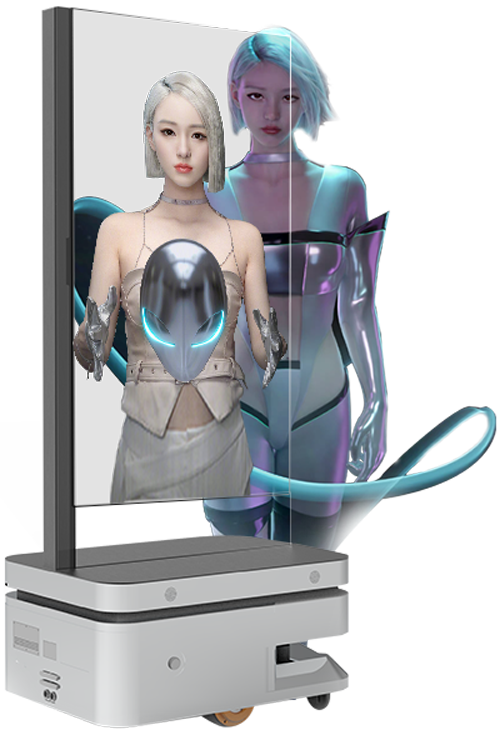
Premium Indoor Transparent Visual Effect
Transparent OLED
Strong for premium indoor transparent visual experience, but not always the best choice for large-area glass walls, outdoor-facing windows or cost-sensitive projects.
Explore This Direction →
Choose Display Technologies That Can Be Built, Delivered and Scaled
Assess display concepts beyond videos, exhibition demos and renderings. Compare LCD, OLED, transparent and high-brightness display options against application needs, cost, MOQ, tooling, supply availability, reliability and production readiness to select a practical technology path for your commercial project.
DisplayMan — Your Partner in Practical Display Technology Decisions
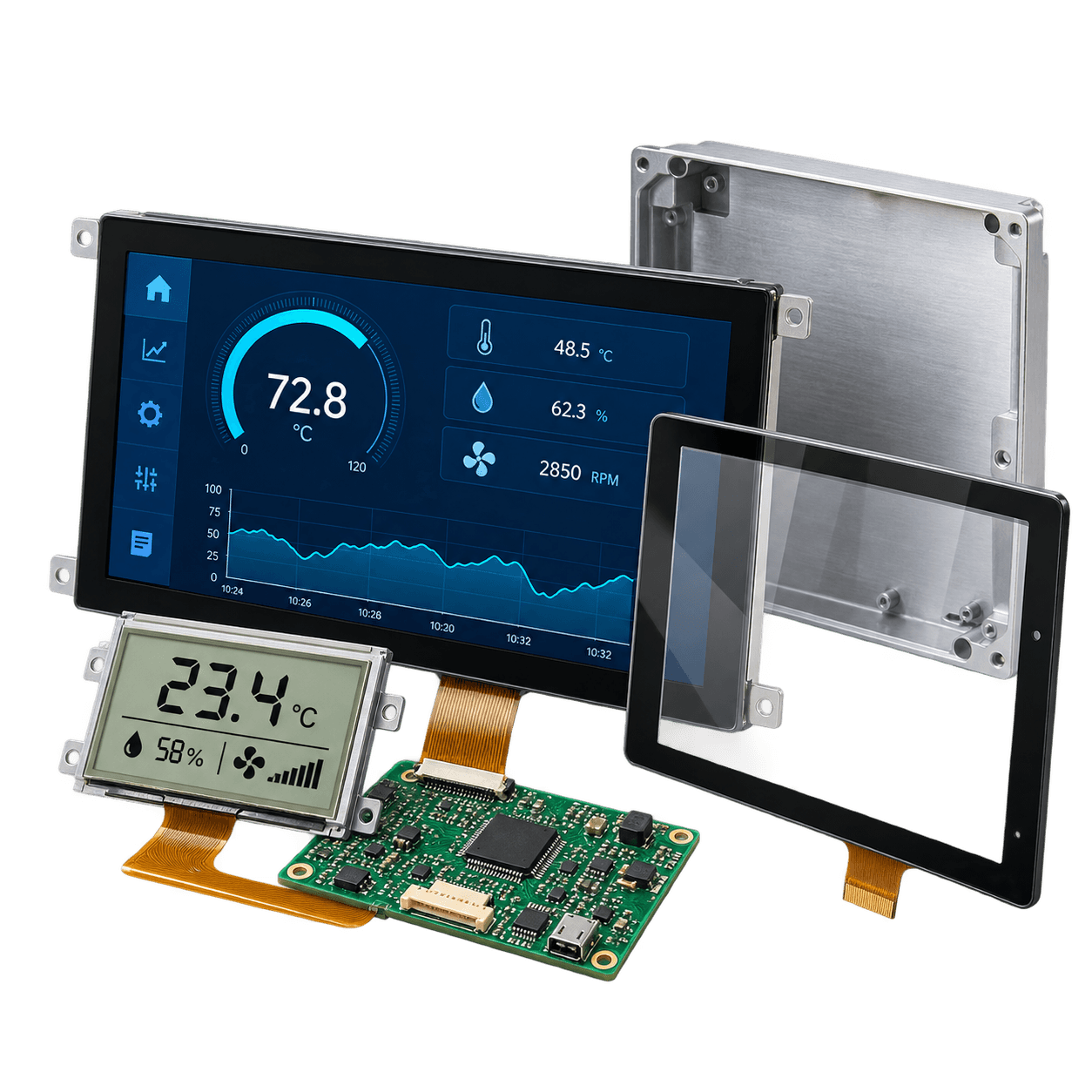
A display idea may look exciting at the concept stage. But before a project can move forward, several practical questions must be answered.
Many customers start a display project from an attractive idea. They may see a transparent screen video, a flexible display demo, a special-shaped concept or a high-end OLED showcase. Then they ask a simple question: “Can you make this for us?”
Sometimes the answer is yes. Sometimes the answer is yes, but only with MOQ, tooling, testing and a serious development budget. Sometimes the better answer is that there is a more practical technology that can solve the same business problem with lower risk.
The best display technology is not always the newest one. It is the one that fits the real application, budget, structure and production plan.
New display technology often creates attention first. But industrial display projects usually fail for practical reasons, not because the concept is unattractive.
Technology hype attracts attention. Industrial reality decides whether the project can move forward.
| Tech Hype Thinking | Industrial Reality Thinking |
|---|---|
| “This technology looks amazing.” | “Can it be produced reliably?” |
| “We want the newest display technology.” | “Does the application really need it?” |
| “The demo video looks perfect.” | “What are the real brightness, lifetime, yield and cost?” |
| “Can you make this custom size?” | “What is the tooling cost, MOQ and lead time?” |
| “We only need a few pieces first.” | “Can this supply chain support low-volume development?” |
| “We want the thinnest and clearest display.” | “Can the structure, budget and environment support it?” |
| “This will look great in our concept design.” | “Can it fit the product, pass testing and be produced?” |
| “The market will like this idea.” | “Can the final product be sold at a reasonable price?” |
| “We need something no one else has.” | “Is full customization justified by volume and business value?” |
Good engineering does not kill ambition. It turns ambition into something manufacturable.
Advanced display technologies can be valuable, but they must be matched with the right application and budget.
Strong for premium indoor transparent visual experience, but not always the best choice for large-area glass walls, outdoor-facing windows or cost-sensitive projects.
Explore This Direction →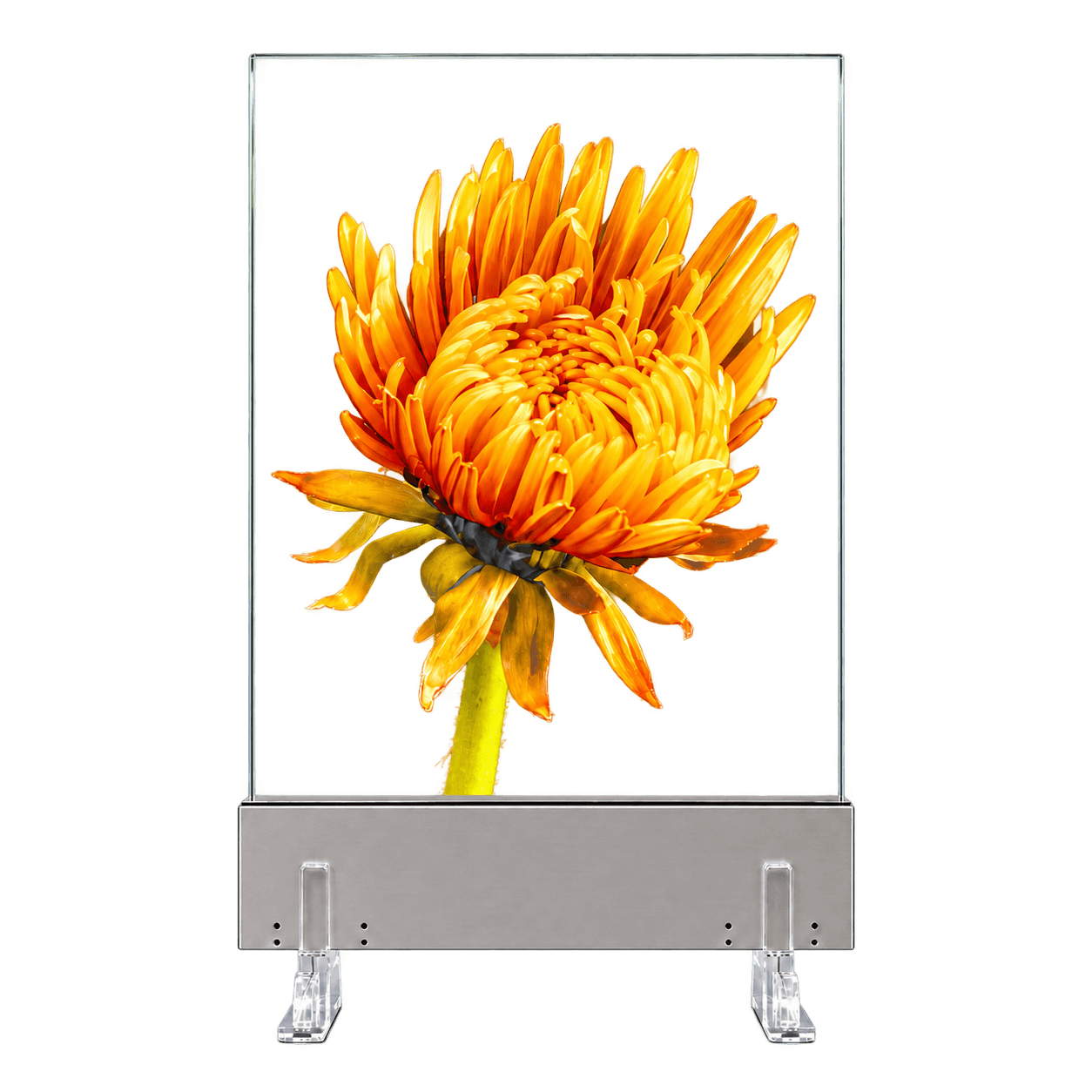
Start with available Transparent Micro LED size platforms and assess resolution, touch options, mounting, controller integration and budget. Existing assemblies can offer a practical route; confirm the selected configuration, lead time and project requirements before committing.
Explore This Direction →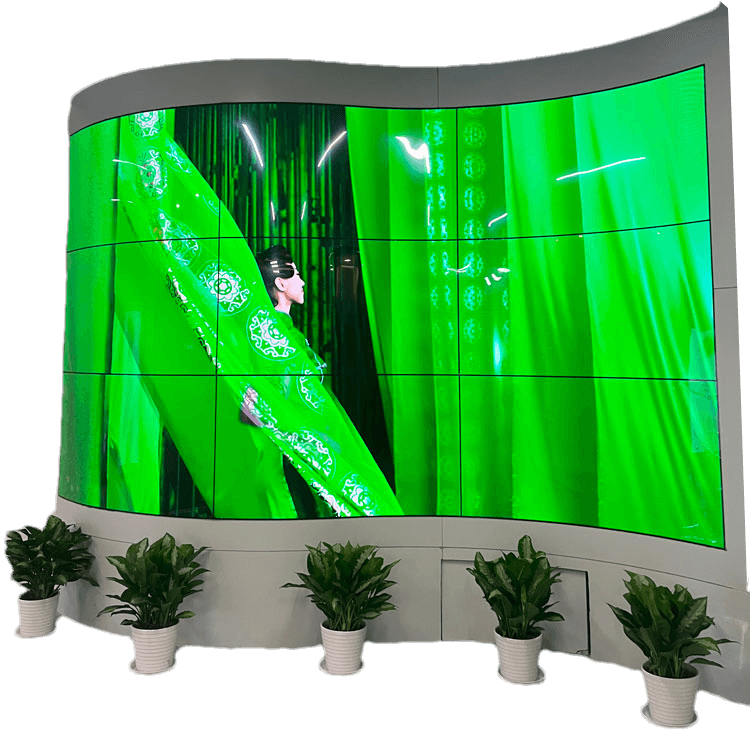
Useful when a suitable panel platform already exists and the product structure supports it. It is not a low-cost shortcut for arbitrary custom display shapes.
Explore This Direction →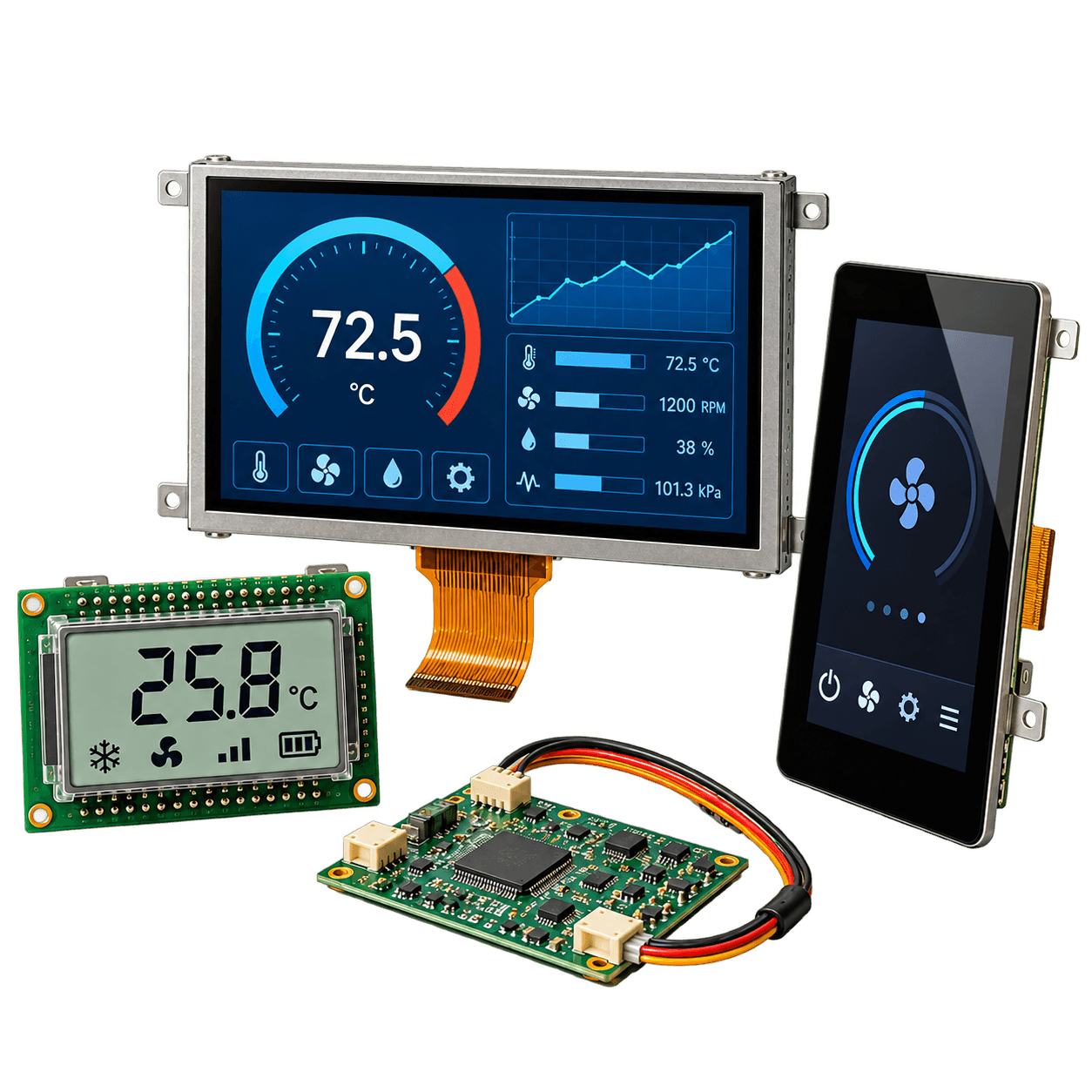
Often the most realistic customization path when the product has clear structure and quantity, but still requires tooling, MOQ and production planning.
Explore This Direction →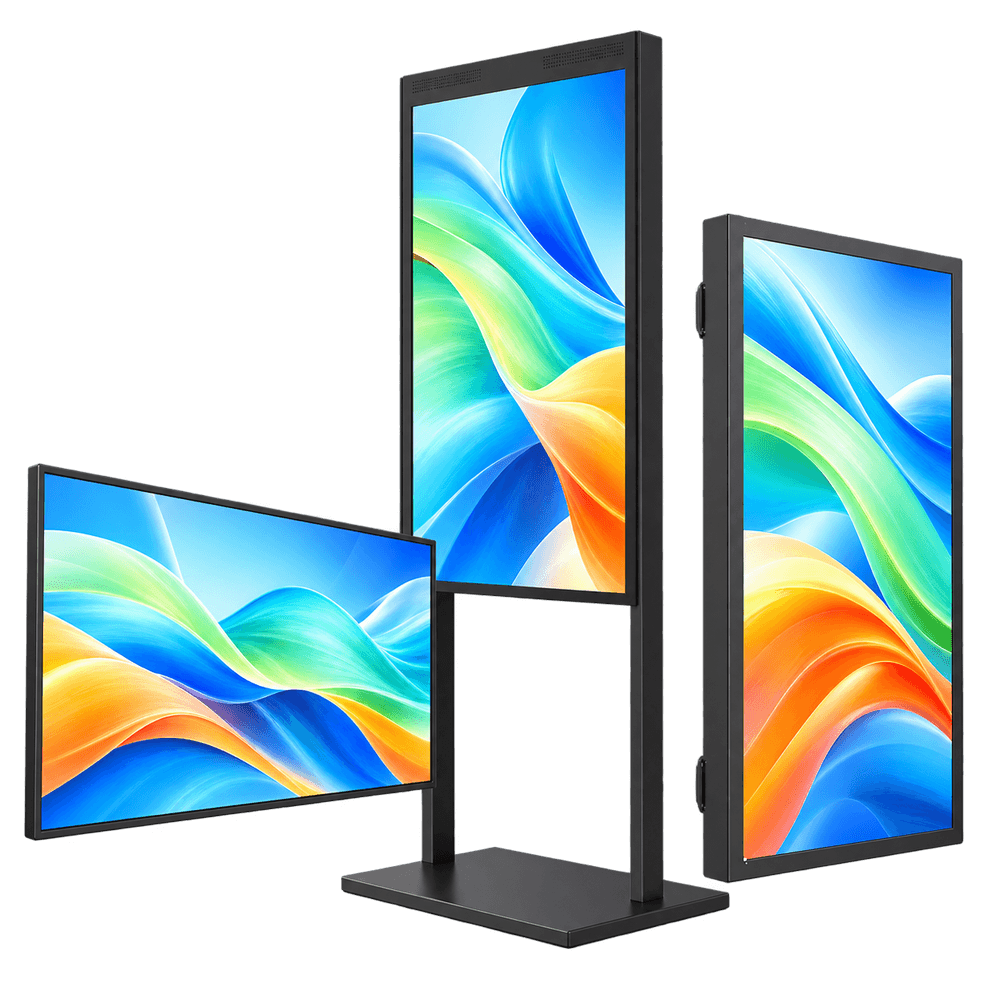
High brightness must be reviewed together with thermal design, structure and operating environment. Simply increasing brightness can create new reliability problems.
Explore This Direction →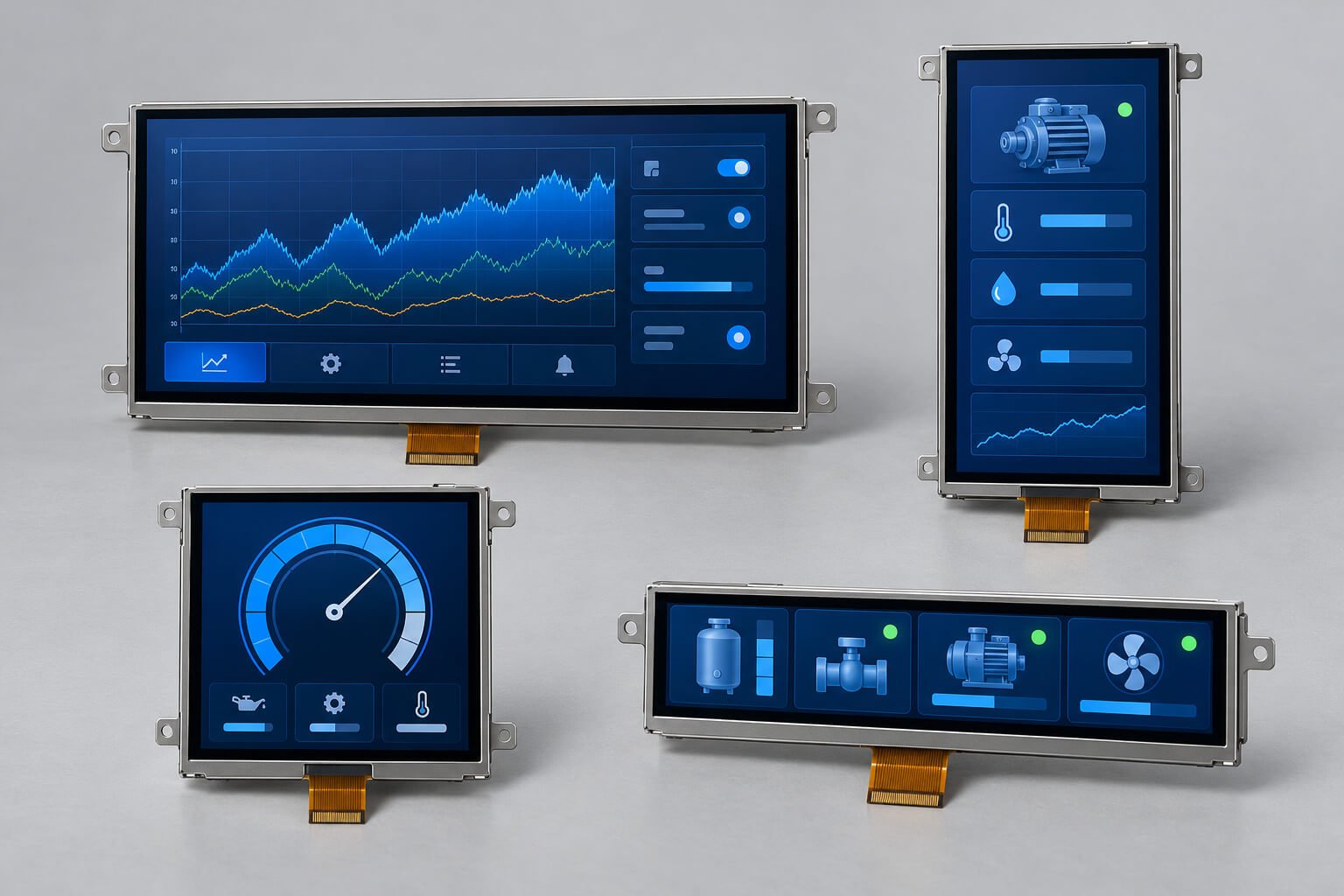
Special shape is not impossible, but it should be justified by real product value, quantity and design feasibility.
Explore This Direction →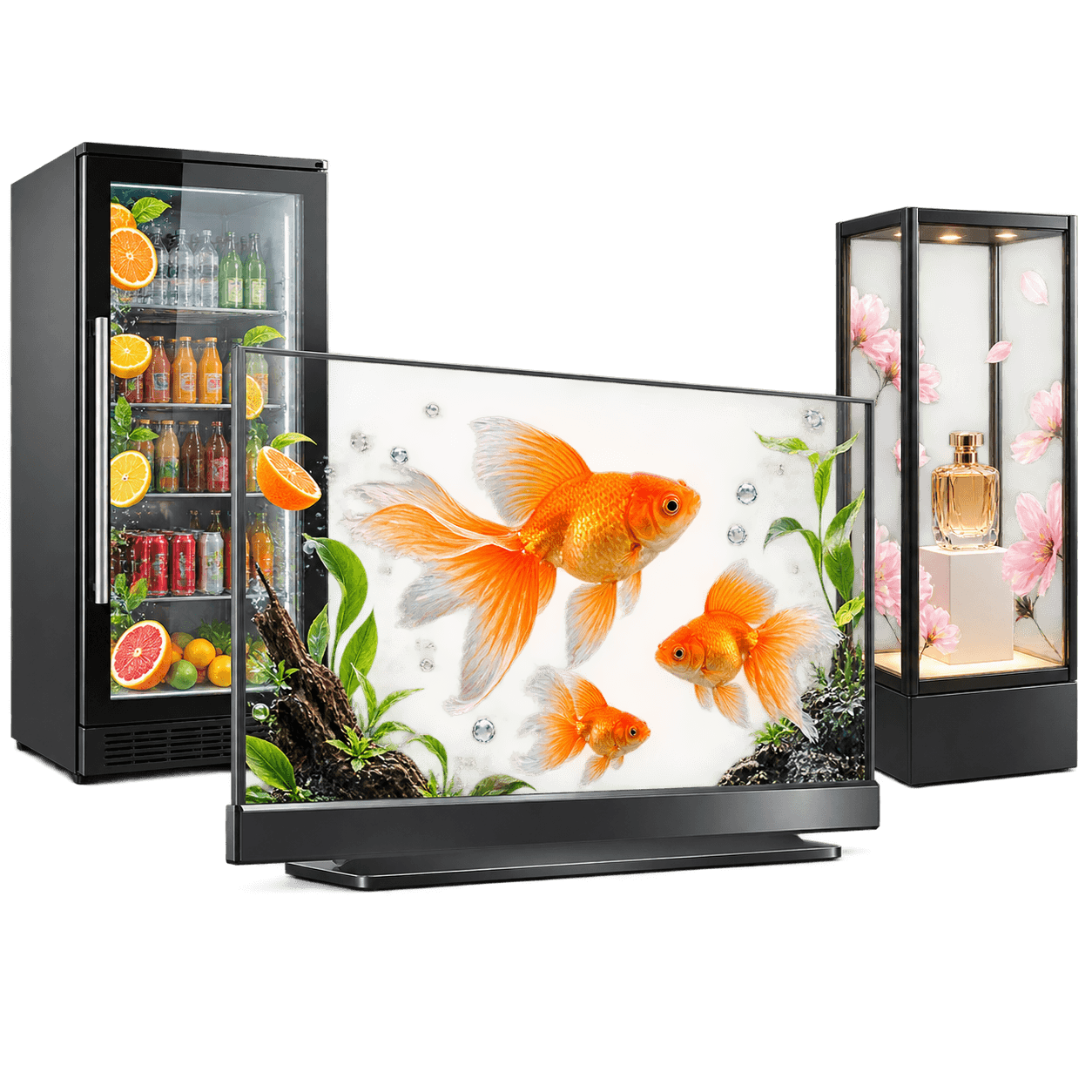
Start with what needs to remain visible behind the screen. Compare refrigerator doors, product showcases and self-emissive transparent display systems against content, viewing distance, lighting, installation and budget before selecting the technology.
Explore This Direction →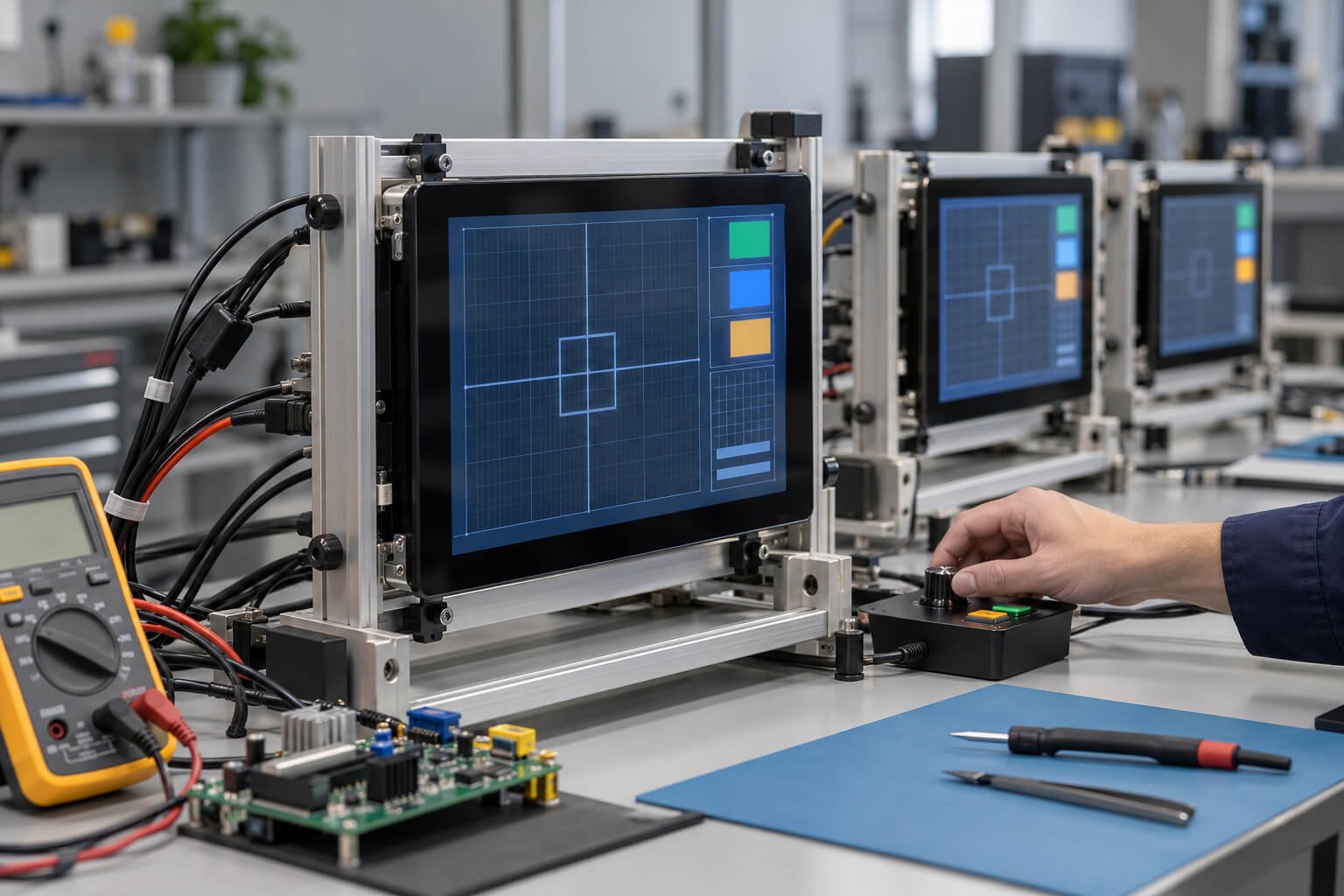
A display solution should pass more than visual approval. A technology may look good in a demo, but industrial readiness means it can support real project conditions.
A display solution is industrially ready only when it can be engineered, produced, delivered and supported.
The right display technology should be selected according to the real problem the project needs to solve.
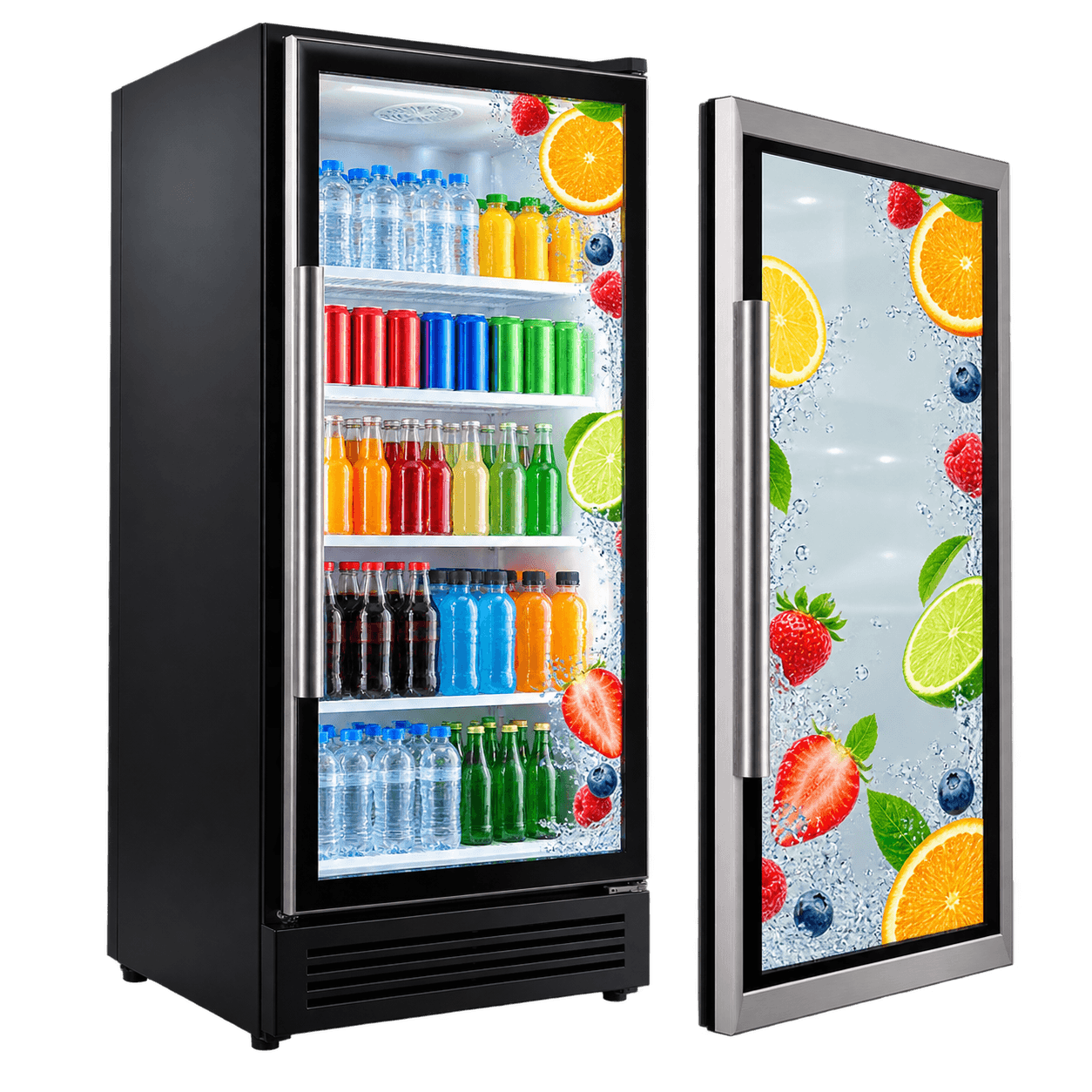
Consider transparent LCD, transparent LCD refrigerator display, transparent LCD vending machine display, product showcase display, transparent touch display and LCD + backlight + cabinet lighting structure.
Explore a Practical Route →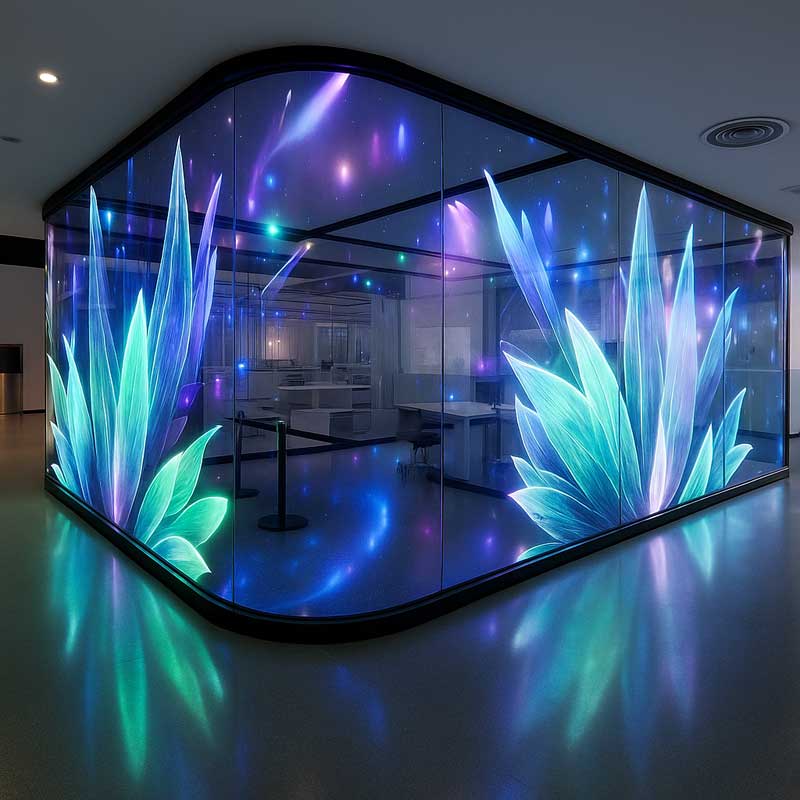
Consider transparent LED, transparent LED film, LED holographic invisible screen, indoor transparent LED screen, outdoor transparent LED mesh screen and rental transparent LED screen.
Explore a Practical Route →Compare transparent Micro LED and transparent OLED against viewing distance, content, brightness, size, touch requirements, installation conditions and budget. Start from an available product platform and validate the selected system in the intended environment.
Explore a Practical Route →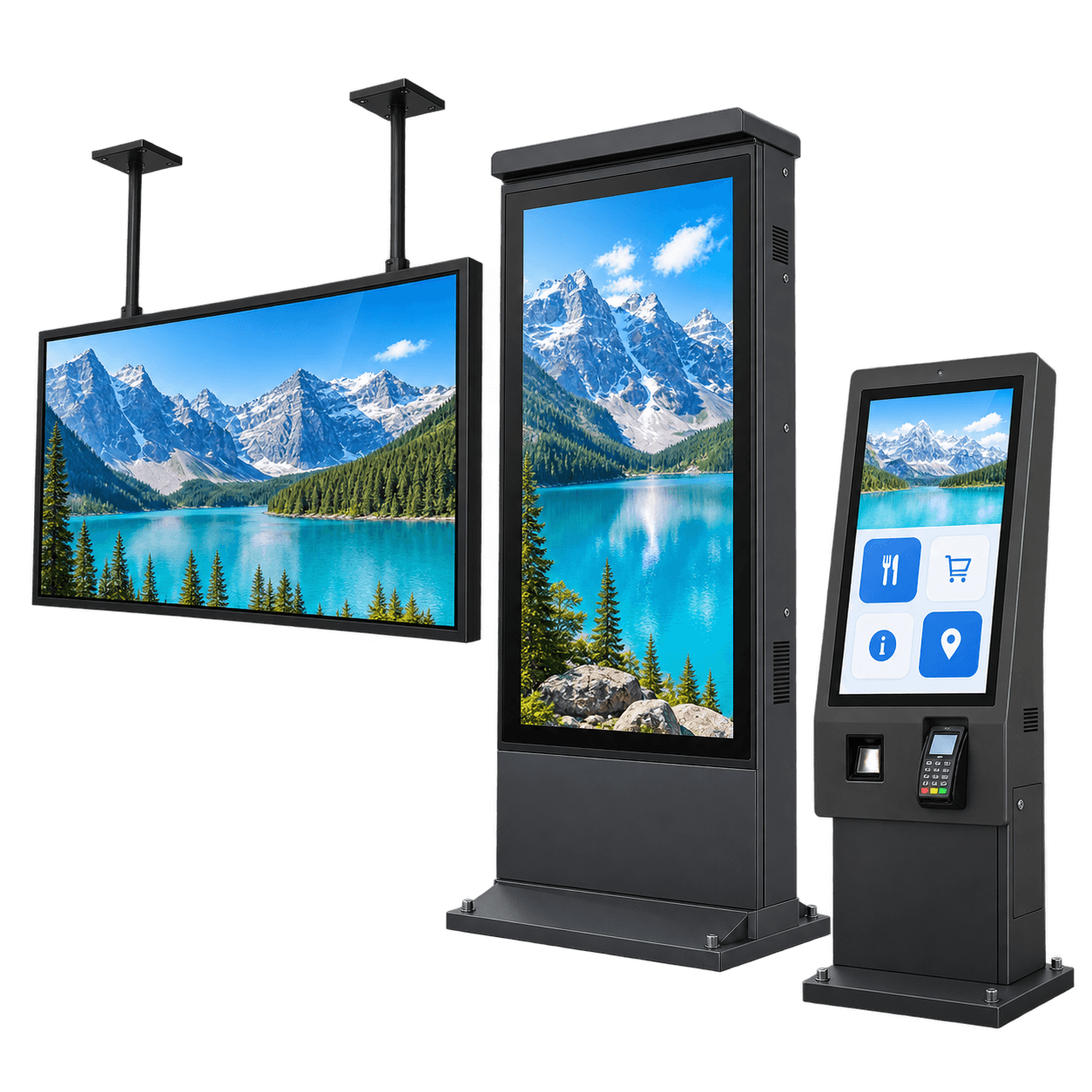
Consider high-brightness LCD, outdoor high-brightness display, optical bonding, AG / AR cover glass, thermal design and weather-protected enclosure.
Explore a Practical Route →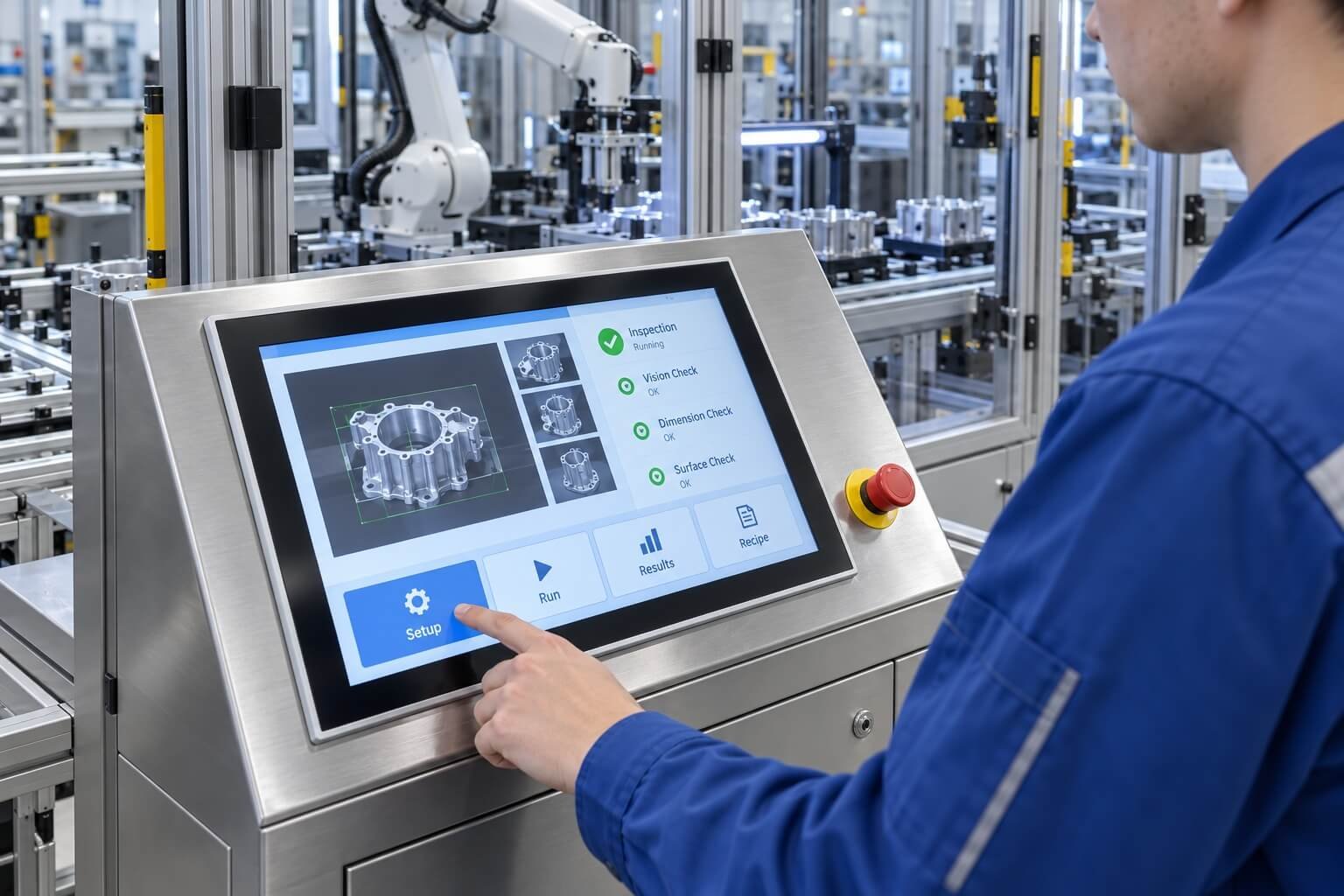
Consider industrial TFT LCD, wide-temperature LCD, rugged touch glass, optical bonding, stable controller board, fanless industrial PC, waterproof terminal structure and long-term supply components.
Explore a Practical Route →Start from existing standard module first, bar-type LCD, modified LCD module, custom LCD development, custom touch glass, custom enclosure adjustment and alternative display technology if needed.
Explore a Practical Route →Choose the simplest technology that can solve the real problem. Do not choose the most advanced technology if a more stable solution can do the job better.
Use videos and demos as inspiration, not as the final engineering reference. Demo videos may not show real brightness, transparency, viewing distance, installation structure, cost or production availability.
Confirm expected quantity, tooling budget and production plan before asking for full customization. Fully custom LCD, OLED shape, touch glass, FPC or enclosure work requires real development resources.
Use prototypes for validation, but review mass production conditions before committing to the final product design. Production requires BOM stability, supplier capacity, yield, testing and long-term availability.
Ask early whether the project can be solved with existing platforms, modified modules or full custom tooling. Tooling may apply to LCD glass, touch glass, backlight, FPC, cable or enclosure work.
Choose OLED because it solves a real application problem, not only because it sounds more advanced. For many industrial, outdoor-facing, cost-sensitive or long-life applications, LCD may be more practical.
Ask what must remain visible behind the display. If nothing important needs to remain visible, a normal LCD or LED display may be clearer, brighter, cheaper and easier to install.
Review brightness together with operating environment, enclosure, ventilation, optical bonding and front glass. High brightness increases heat, power consumption and backlight stress.
Confirm whether the special shape is truly necessary. Sometimes a standard rectangular display with custom cover glass or mechanical masking can achieve the required design with lower risk.
Compare total project risk, not only display unit price. Tooling, controller board, touch panel, cover glass, redesign, testing, delayed launch and replacement risk can cost more than the display itself.
The wrong technology choice can waste more money than the display itself.
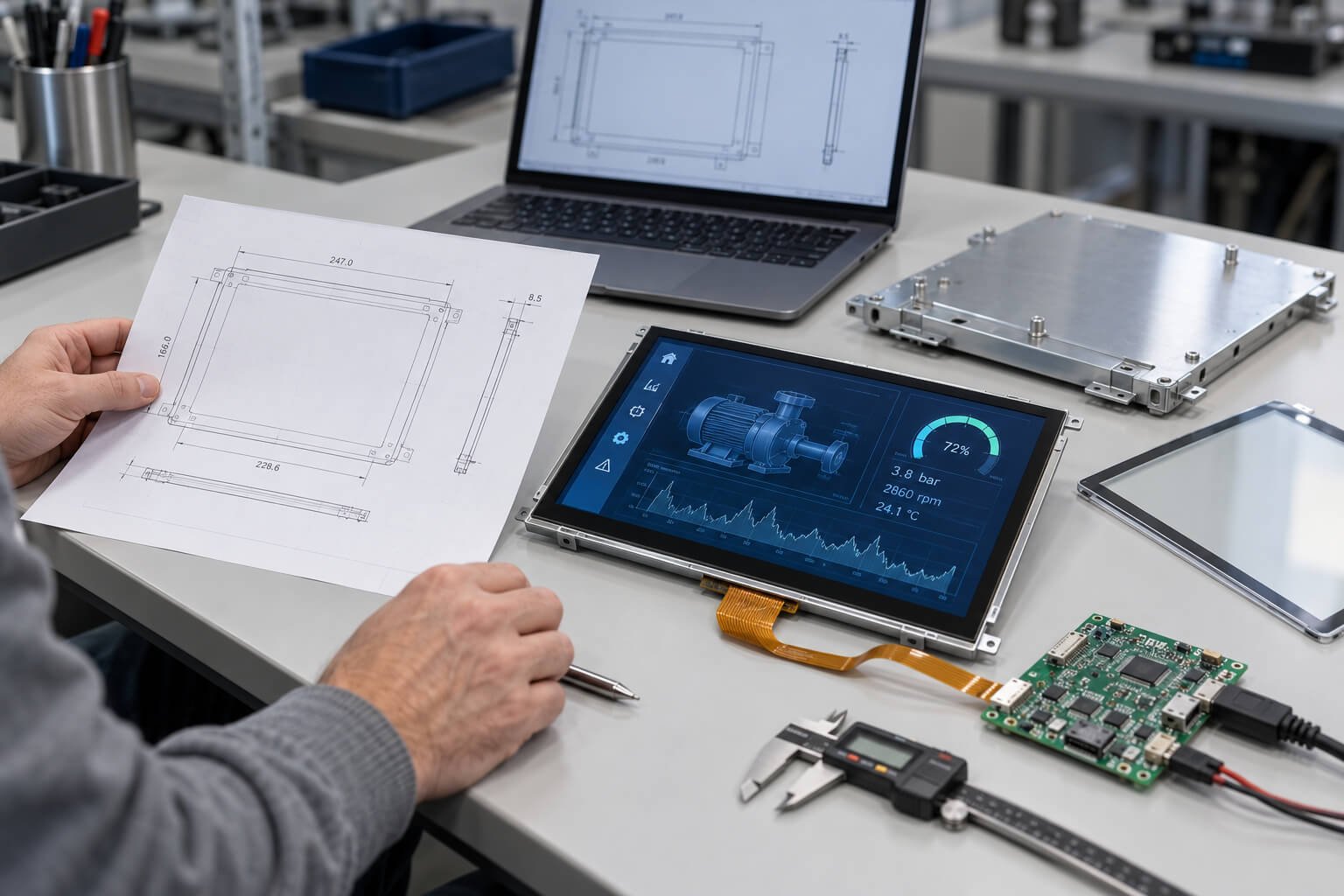
DisplayMan helps customers review display ideas through engineering and production reality. We help customers compare possible routes and choose the solution with the best chance to work in the real application.
We help customers move from display imagination to display feasibility.
This guide is useful for customers who need engineering judgment before investing in a display project.
This page is for customers who want to make a real display project work, not only discuss a futuristic idea.
You do not need a finished design to start a discussion. Share what is known, identify what is still open, and agree the next review step.
An initial discussion can identify possible routes and missing information. A firm quotation or development commitment requires a defined configuration and scope.
Confirm deliverables, sample or engineering charges, tooling where needed, target quantities and validation responsibilities. One-off integration using an available platform differs from developing a completely new panel.
Confirm the important technical and commercial assumptions before investing in a prototype.
Industrial Reality vs Tech Hype is a selection guide under Bespoke & Custom Display Solutions. It helps customers move from unclear technology interest to the correct solution page.
| Related Solution Page | When to Choose |
|---|---|
| Bespoke & Custom Display Solutions | When the customer needs an overview of DisplayMan’s custom display and engineering capabilities |
| OEM / ODM Display Engineering & Prototyping | When the customer has a real project and needs feasibility review, sample development and production planning |
| Custom LCD Module Solution | When the project needs custom LCD size, interface, backlight, touch assembly, bar LCD or replacement LCD support |
| Bespoke OLED Display Solution | When the project needs OLED, transparent OLED, flexible OLED, AMOLED or PMOLED integration |
| Custom Touch Glass Solution | When the main requirement is touch panel, cover glass, printing, AG / AR / AF or bonding |
| All-in-One Touch Display Solution | When the project needs display + touch + PC system + enclosure + OEM integration |
| Transparent Display Solutions | When the project needs transparent Micro LED, LCD, OLED or LED technology selection |
| Transparent LED vs Transparent LCD | When the customer is not sure whether transparent LED or transparent LCD is the right direction |
| Decorative vs Informational Transparent Displays | When the customer is not sure whether the display is mainly for visual atmosphere or information delivery |
| Outdoor & High Brightness Display Solutions | When the project requires sunlight readability, outdoor-facing visibility or rugged display review |
If the customer only has a technology idea, start here. If the customer has a real project requirement, move to the matching solution page.
Many technology-hype questions eventually become product-level or component-level decisions. The following product pages help customers choose a more practical hardware path.
Start from LCD Displays & Components, OLED Displays, Transparent Display Solutions, Custom Touch Panels & Cover Glass or Touchscreen All-in-One Terminals, depending on the real project requirement.
| Related Product / Capability | When It Helps |
|---|---|
| TFT LCD Displays | When the project needs a stable color LCD panel or module |
| High Brightness TFT LCD Displays | When the project needs strong-light or semi-outdoor readability |
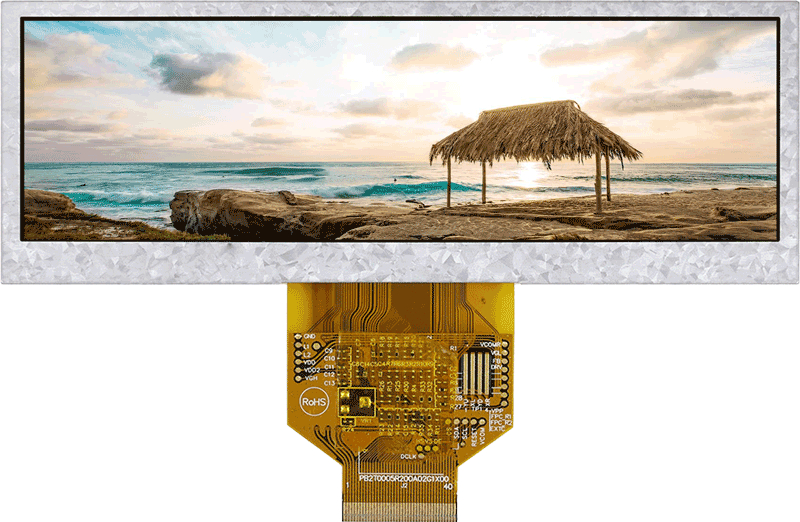
| Bar Type TFT LCD Displays | When the project needs long narrow displays for shelves, transportation, equipment or control panels |
| IPS TFT LCD Displays | When wide viewing angle and image consistency are important |
| Circular TFT LCD Displays | When the product requires a round LCD format |
| Square TFT LCD Displays | When the project needs a square display for instruments, controls or special devices |
| Industrial TFT LCD Displays | When the project requires stable supply, wider temperature or industrial-grade display review |
| Touch Screen TFT LCD Displays | When the project needs LCD with touch panel integration |
| Related Product / Capability | When It Helps |
|---|---|
| Character LCD Displays | When the project needs simple text modules such as 16×2 or 20×4 displays |
| Graphic LCD Displays | When the project needs monochrome graphics, icons or simple UI |
| Segment LCD Displays | When the project needs custom icons, digits, symbols or low-power display |
| Dot Matrix LCD Displays | When the project needs matrix-based monochrome content |
| COB LCD Displays | When the project needs PCB-based monochrome LCD module construction |
| COG LCD Displays | When the project needs compact chip-on-glass LCD module structure |
| TN LCD Glass Panels | When the project needs cost-effective basic LCD glass |
| HTN LCD Glass Panels | When improved contrast or viewing performance is required |
| STN LCD Glass Panels | When the project needs graphic or dot matrix monochrome LCD performance |
| FSTN LCD Glass Panels | When higher-contrast monochrome LCD performance is required |
| VA LCD Glass Panels | When the project needs high-contrast black background or premium segment display appearance |
| Related Product / Capability | When It Helps |
|---|---|
| AMOLED Displays | When the project needs high-contrast color OLED display performance |
| PMOLED Displays | When the project needs small monochrome or simple OLED display modules |
| Flexible OLED Displays | When the project needs flexible OLED integration for selected applications |
| Transparent OLED Displays | When the project needs premium transparent display effect in a controlled indoor environment |
| Custom OLED Displays | When the project needs OLED module-level customization such as FPC, touch, cover glass, interface or mechanical adjustment |
| Related Product / Capability | When It Helps |
|---|---|
| Transparent Micro LED Displays | When the project needs a transparent self-emissive display using an available size platform, with touch, mounting and controller integration reviewed for the selected system |
| Transparent LCD Displays | When the project needs transparent LCD for refrigerator, vending, showcase or cabinet integration |
| Transparent OLED Displays | When the project needs premium transparent display effect in a smaller controlled environment |
| Transparent LED Film Display | When the project needs thin transparent LED on suitable glass surfaces |
| Transparent LED Flexible Film Screen | When the project involves curved glass, columns or special-shaped surfaces |
| LED Holographic Invisible Display | When the project needs a lightweight transparent LED visual effect |
| Indoor Transparent LED Screen | When the project needs a framed transparent LED structure |
| Outdoor Transparent LED Mesh Screen | When the project needs large outdoor transparent LED display structure |
| Rental Transparent LED Screen | When the project is event-based, temporary or stage-related |
| Custom Transparent LED Displays | When the project needs custom transparent LED size, pitch, brightness or structure |
| Related Product / Capability | When It Helps |
|---|---|
| Capacitive Touch Panels | When the project needs projected capacitive multi-touch front glass |
| Resistive Touch Panels | When the project needs pressure-based touch, glove/stylus support or cost-effective touch |
| Infrared Touch Frames | When the project needs large-format touch integration for 32-inch and larger displays or transparent cabinets |
| Custom Touch Panel Glass | When the project needs custom size, thickness, shape, printing, holes or cover lens design |
| AG Cover Glass | When anti-glare performance is needed under strong ambient light |
| AR Cover Glass | When reduced reflection and better optical clarity are important |
| AF Cover Glass | When anti-fingerprint performance and easier cleaning are required |
| Optical Bonding Display Solution | When the project needs improved readability, stronger front structure or better touch feeling |
| LCD Controller Boards | When the project needs HDMI, VGA, LVDS, eDP, MIPI, Android or Windows signal support |
| LED Backlights | When the project requires custom brightness, backlight structure, replacement backlight or light guide design |
| FPC & Cable Assembly | When cable length, connector direction, pinout or internal wiring must be customized |
Some customers do not need a new display technology. They need a more practical terminal or system-level product.
| Related Product Direction | When It Helps |
|---|---|
| Digital Photo Frames | When the project needs Wi-Fi photo frames, cloud photo frames or customized consumer display frames |
| Commercial Tablet All-in-One PCs | When the customer needs tablet-style Android or Windows commercial touch devices |
| Portable LCD Monitors | When the project needs portable display hardware for productivity, field use, gaming or OEM distribution |
| Digital Smart Art Frames | When the project needs digital art display frames for decorative or light commercial display applications |
| Digital Day Clocks | When the project needs elder-care clocks, assisted living display terminals or simplified reminder devices |
| Digital Signage Displays | When the project needs commercial screens for advertising, information or signage |
| Floor-Standing Kiosks | When the project needs floor-standing wayfinding, inquiry, self-service or interactive terminals |
| Open Frame Digital Signage | When the display needs to be embedded into equipment, kiosks, retail structures or custom enclosures |
| Wall-Mounted Touch Terminals | When the project needs wall-mounted commercial touch devices |
| Interactive Flat Panels | When the customer needs large-format touch displays for meetings, education or collaboration |
| AI Recognition & Smart Access | When the project needs face recognition, smart access, visitor management or AI terminal hardware |
| Horizontal Interactive Desks | When the project needs table-style interactive displays for exhibitions, showrooms or education |
| Commercial Video Walls | When the project needs multi-screen display walls for control rooms, retail, public spaces or corporate environments |
| Industrial Fanless PCs & Waterproof Terminals | When the project requires fanless computing, waterproof structure, rugged enclosure or industrial terminal hardware |
Many “advanced display” ideas become more practical when they are matched with the right existing product platform, module, controller, glass or terminal structure.
To evaluate whether a display idea is practical, please provide as much information as possible.
A serious feasibility review needs both technical information and business reality.
DISPLAY TECHNOLOGY & INTEGRATION FAMILY
Open a product family to review the practical hardware options.
Transparent Micro LED DisplaysExplore Product Options →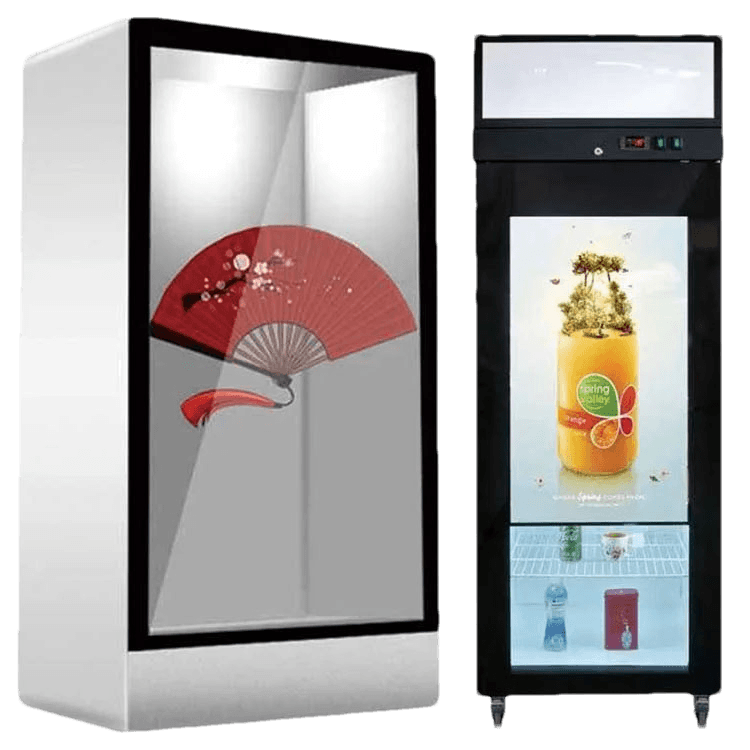 Transparent LCD DisplaysExplore Product Options →Transparent OLED DisplaysExplore Product Options →Transparent LED DisplaysExplore Product Options →
 TFT LCD DisplaysExplore Product Options →
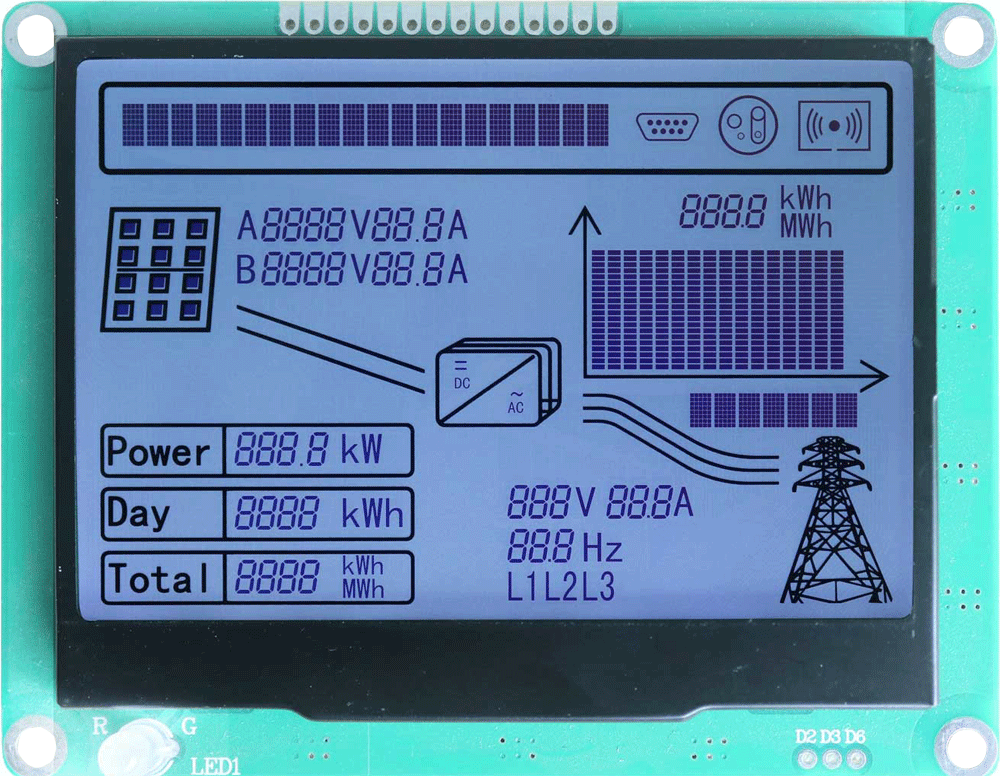 Monochrome LCD DisplaysExplore Product Options →
 OLED DisplaysExplore Product Options →
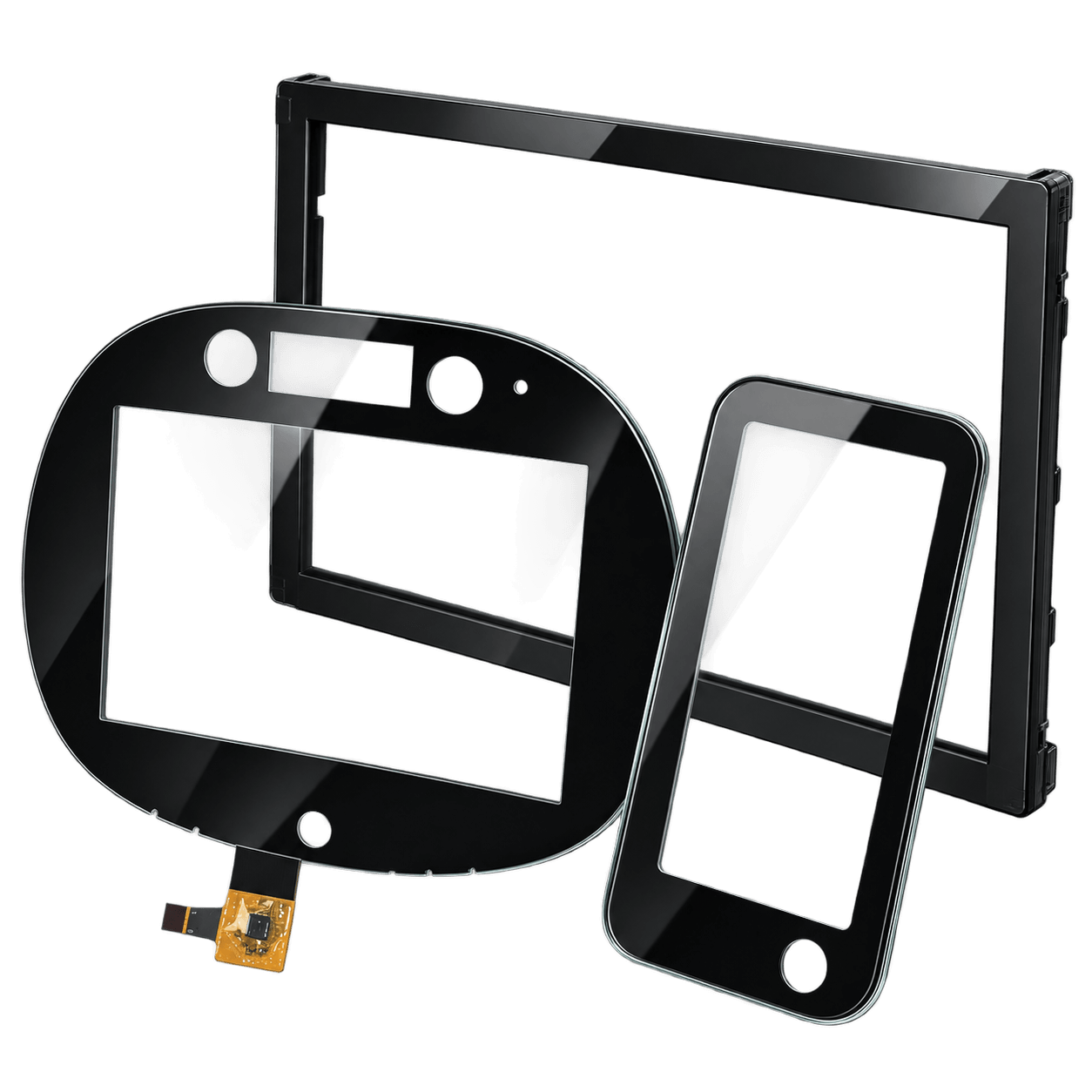 Touch Panels & Cover GlassExplore Product Options →
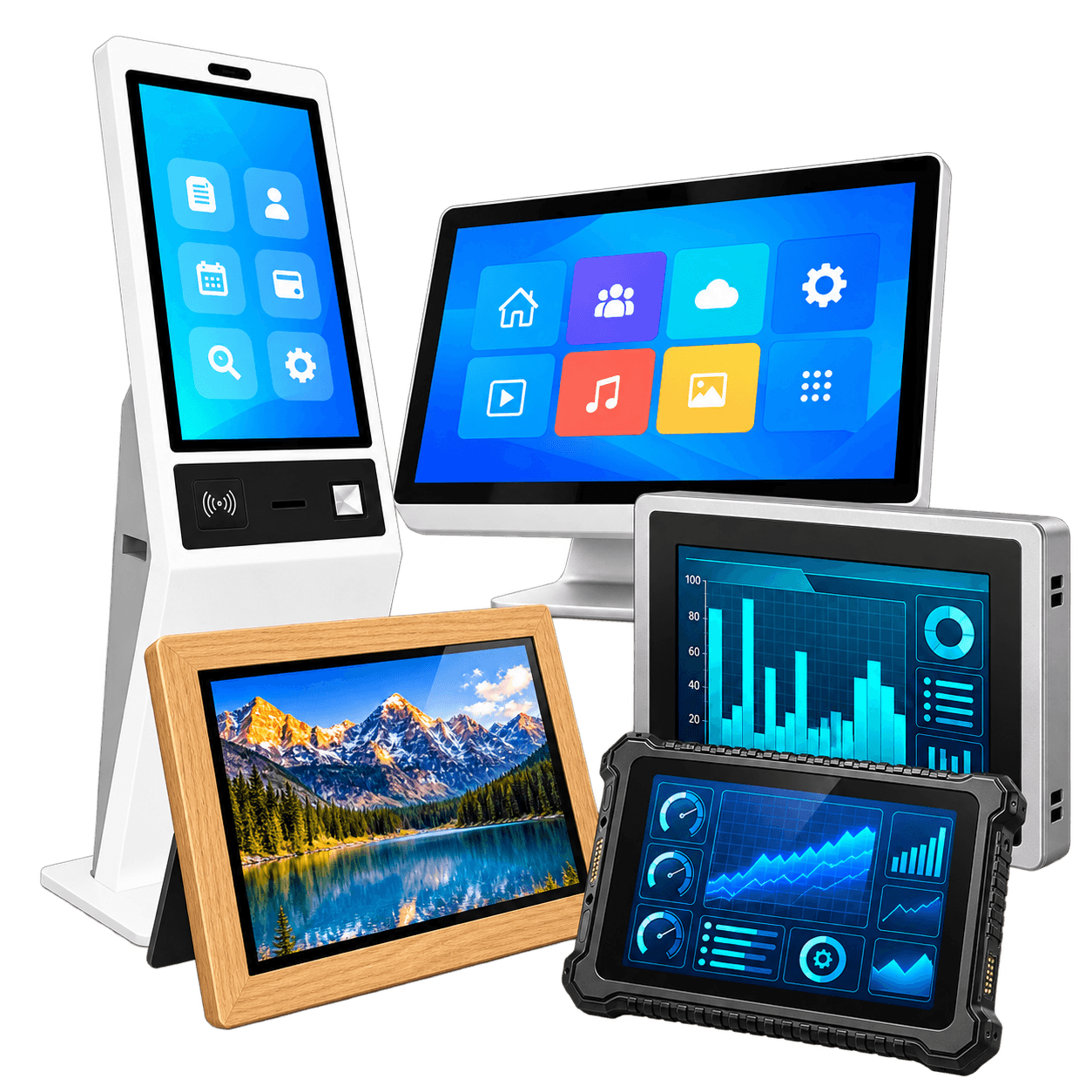 Touchscreen All-in-One TerminalsExplore Product Options →High Brightness DisplaysExplore Product Options →
No. New display technology can be valuable when it solves a real problem and the project has the right budget, quantity and structure. DisplayMan helps customers choose advanced technologies only when they are practical for the application.
Because real projects require more than visual effect. They need cost control, MOQ, tooling, supply stability, reliability, interface compatibility, structure integration and production readiness.
No. The best display is the one that fits the application, environment, quantity, budget and business model. Sometimes a mature LCD or LED solution is better than a newer but risky technology.
Yes. We can review the application, size, quantity, structure, budget and technology route before recommending a practical display direction.
It depends on the display type and customization level. Some small-batch projects can use existing platforms or modified modules. Fully custom display development usually requires tooling, MOQ and a realistic budget.
Tooling may be required for custom LCD glass, touch glass, backlight, FPC, cable, enclosure or bonding fixtures. Tooling supports repeatable production, not only one sample.
MOQ is determined by supplier production conditions, material sourcing, tooling, setup cost and yield. Many display components cannot be produced economically in very small quantities.
No. A prototype proves basic function and concept. Mass production requires BOM stability, yield, testing, inspection, packaging, supply chain and long-term availability review.
Start with the application, viewing distance, content and installation. Compare transparent LCD for illuminated cabinet integration, transparent LED for large glass visual applications, and transparent OLED or Micro LED for suitable transparent display systems. Confirm size, brightness, touch, budget and the available platform before choosing.
The most important factor is matching technical feasibility with commercial reality. A solution should be buildable, deliverable and meaningful for the final product.
A display technology is valuable only when it can be built, delivered and make business sense.
If you have a display idea, product concept, old display replacement project or advanced technology requirement, the first step is not simply asking for a price. The first step is feasibility review.
Send us your application, target display effect, display size, quantity, budget range, project stage, drawings or reference images. DisplayMan can help evaluate the practical technology path and recommend a display direction that has a better chance to succeed.
The right display technology is the one that can fit the application, survive real production and support the final business model.